
Healthy volunteers play a crucial role in the landscape of medical research, serving as the backbone for clinical trials that test new drugs, therapies, and medical devices. These individuals, who do not have the conditions being studied, are essential for establishing baseline data against which the effects of new treatments can be measured. By participating in these trials, healthy volunteers help researchers understand how a drug or treatment interacts with a body that is not affected by disease, providing a control group that is vital for the integrity of the study.
Their involvement allows scientists to assess the safety and efficacy of new interventions before they are administered to patients with specific health conditions. Moreover, healthy volunteers contribute to the acceleration of medical advancements. The data gathered from their participation can lead to quicker approvals for new treatments, ultimately benefiting patients who are in dire need of effective therapies.

For instance, during the development of vaccines, healthy volunteers are often the first to receive doses in clinical trials. Their responses help researchers identify potential side effects and gauge the immune response generated by the vaccine. This information is critical for ensuring that when the vaccine is rolled out to the general population, it is both safe and effective.
Key Takeaways
- Healthy volunteers are essential for testing new medical treatments and advancing research.
- Participation raises important ethical questions about informed consent and risk.
- Volunteers can gain benefits such as health monitoring and contributing to science.
- Safety protocols are critical to minimize risks for healthy participants.
- Increasing diversity among volunteers improves the relevance and effectiveness of medical studies.
The Impact of Healthy Volunteers on Advancing Medical Research

The impact of healthy volunteers on advancing medical research cannot be overstated. Their participation is often the first step in a long process that leads to groundbreaking discoveries and innovations in healthcare. For example, in the development of treatments for chronic diseases such as diabetes or hypertension, healthy volunteers provide essential data that helps researchers understand how these conditions might be treated or managed more effectively.
By establishing a clear understanding of how a drug behaves in a healthy body, researchers can better predict its effects on individuals with specific health issues. Additionally, healthy volunteers help bridge the gap between laboratory research and clinical application. Many promising treatments begin in preclinical studies involving animal models, but translating these findings to human subjects requires extensive testing.
Healthy volunteers provide a necessary link in this chain, allowing researchers to gather data on pharmacokinetics—the study of how drugs move through the body—and pharmacodynamics—the study of how drugs affect the body. This information is critical for determining appropriate dosages and identifying potential side effects before a treatment is made widely available.
The Ethical Considerations of Participating in Medical Trials as a Healthy Volunteer
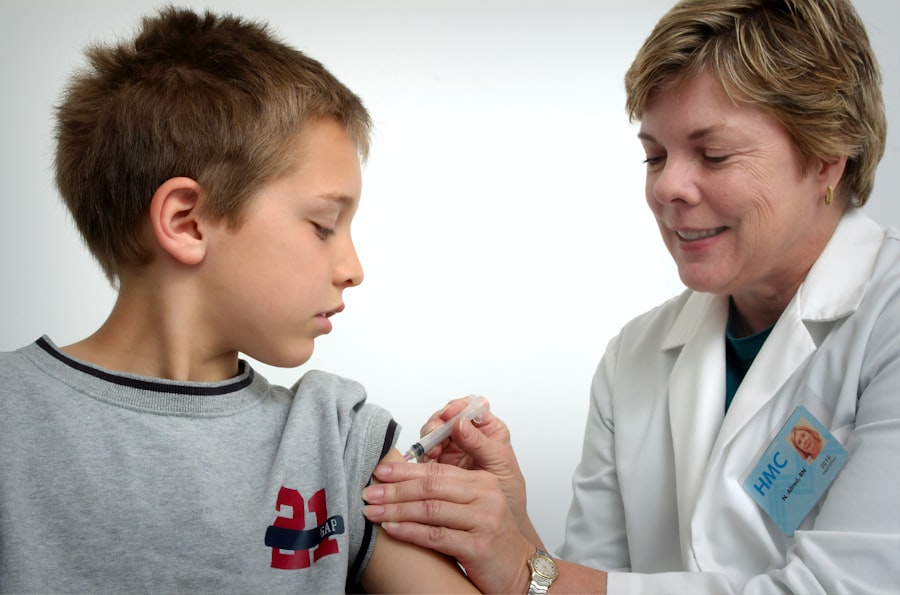
Participating in medical trials as a healthy volunteer raises several ethical considerations that must be carefully navigated by researchers and participants alike. Informed consent is paramount; volunteers must fully understand what their participation entails, including potential risks and benefits. Researchers are obligated to provide comprehensive information about the study’s purpose, procedures, and any possible adverse effects.
This transparency ensures that volunteers can make an educated decision about their involvement without coercion or undue influence. Another ethical consideration involves the balance between risk and benefit. While healthy volunteers contribute significantly to medical research, they also expose themselves to potential risks associated with experimental treatments.
Ethical guidelines dictate that these risks should be minimized and justified by the potential benefits of the research. Institutional Review Boards (IRBs) play a critical role in this process by reviewing study protocols to ensure that they meet ethical standards and protect participants’ rights and welfare. The ongoing dialogue about ethics in clinical trials emphasizes the importance of safeguarding the interests of healthy volunteers while advancing scientific knowledge.
The Benefits of Participating in Medical Trials for Healthy Volunteers
For healthy volunteers, participating in medical trials can offer several personal benefits beyond contributing to scientific knowledge. One significant advantage is access to cutting-edge treatments that may not yet be available to the general public. Volunteers may receive investigational drugs or therapies that show promise in treating various conditions, potentially leading to improved health outcomes even if they are not currently ill.
This access can be particularly appealing for individuals who are proactive about their health or who have family histories of certain diseases. Additionally, many clinical trials offer compensation for participation, which can serve as an incentive for healthy volunteers. This compensation can vary widely depending on the nature of the trial, the time commitment required, and the level of risk involved.
For some individuals, this financial aspect can make participation more attractive, especially if they are looking for ways to supplement their income or cover expenses related to their involvement in the trial. Furthermore, participating in a clinical trial can provide a sense of fulfillment and purpose, as volunteers contribute to advancements that may ultimately benefit society at large.
The Risks and Safety Measures for Healthy Volunteers in Medical Trials
| Metric | Description | Typical Range/Value | Notes |
|---|---|---|---|
| Number of Healthy Volunteers | Count of participants enrolled as healthy volunteers in medical trials | 10 – 1000+ | Varies by phase and trial design |
| Age Range | Age limits for healthy volunteers | 18 – 55 years | Often restricted to adults without chronic conditions |
| Gender Distribution | Percentage of male vs female volunteers | Typically balanced or skewed based on trial | Some trials require gender-specific data |
| Screening Failure Rate | Percentage of volunteers excluded after screening | 20% – 50% | Due to health issues or non-compliance |
| Adverse Event Rate | Percentage of volunteers experiencing side effects | 5% – 30% | Mostly mild to moderate events in healthy volunteers |
| Trial Duration | Length of time volunteers participate | 1 day – 6 months | Depends on study phase and protocol |
| Compensation | Typical reimbursement for participation | Varies widely | Based on time commitment and risk |
| Common Trial Phases | Phases involving healthy volunteers | Phase 1 primarily | Focus on safety and dosage |
While there are numerous benefits to participating in medical trials, it is essential for healthy volunteers to be aware of the potential risks involved. These risks can range from mild side effects—such as headaches or nausea—to more severe reactions that could require medical intervention. The nature of these risks often depends on the type of treatment being tested and its stage of development.
For instance, early-phase trials may involve untested drugs with unknown side effects, while later-phase trials may focus on established treatments with more predictable outcomes. To mitigate these risks, researchers implement stringent safety measures throughout the trial process. Before enrolling participants, extensive preclinical studies are conducted to assess the safety profile of new treatments.
Once human trials begin, continuous monitoring is essential; researchers track participants’ health closely and have protocols in place for managing adverse events should they arise. Additionally, participants are often required to undergo thorough screening processes to ensure they meet specific health criteria before joining a trial. This careful selection helps minimize risks and ensures that only suitable candidates participate.
The Importance of Diversity in Healthy Volunteer Participation

Diversity among healthy volunteers is critical for ensuring that medical research is representative and applicable to various populations. Historically, clinical trials have often underrepresented certain demographic groups, including racial and ethnic minorities, women, and older adults. This lack of diversity can lead to skewed results that may not accurately reflect how different populations respond to treatments.
For example, genetic variations among different ethnic groups can influence drug metabolism and efficacy; thus, including diverse participants is essential for developing safe and effective therapies. Efforts are being made to promote inclusivity in clinical trials by actively recruiting diverse populations. Researchers recognize that broadening participation not only enhances the validity of study findings but also fosters trust within communities that have historically been marginalized in medical research.
Initiatives aimed at increasing awareness about clinical trials among underrepresented groups are crucial for achieving this goal. By ensuring that diverse voices are included in research efforts, scientists can develop treatments that are more effective across various demographics.
The Future of Medical Research and the Need for Healthy Volunteers
As medical research continues to evolve with advancements in technology and methodology, the need for healthy volunteers remains paramount. The rise of personalized medicine—where treatments are tailored to individual genetic profiles—highlights the importance of understanding how different bodies respond to various interventions. Healthy volunteers will play an integral role in this shift by providing baseline data that informs personalized treatment strategies.
Moreover, emerging fields such as gene therapy and regenerative medicine rely heavily on clinical trials involving healthy participants. As researchers explore innovative approaches to treating diseases at their genetic roots or using stem cells for tissue regeneration, healthy volunteers will be essential for testing these groundbreaking therapies’ safety and efficacy. The future landscape of medical research will undoubtedly depend on the willingness of healthy individuals to step forward and contribute their time and health to advance science.
How to Get Involved as a Healthy Volunteer in Medical Trials
For those interested in becoming healthy volunteers in medical trials, several avenues exist for getting involved. One of the most straightforward methods is to connect with local research institutions or hospitals conducting clinical trials. Many organizations maintain databases where individuals can sign up to receive information about upcoming studies that match their profiles.
Websites such as ClinicalTrials.gov provide comprehensive listings of ongoing trials across various fields and locations. Additionally, potential volunteers should consider reaching out directly to clinical research organizations (CROs) that specialize in conducting trials on behalf of pharmaceutical companies or academic institutions. These organizations often have dedicated recruitment teams that can provide detailed information about available studies and guide interested individuals through the enrollment process.
It is also beneficial for prospective volunteers to educate themselves about the specific requirements and commitments associated with different trials, ensuring they find opportunities that align with their interests and availability. In conclusion, healthy volunteers are indispensable contributors to medical research, playing a vital role in advancing science while also benefiting personally from their involvement. Their participation not only aids in developing new treatments but also fosters ethical considerations and diversity within clinical trials—elements crucial for ensuring that medical advancements serve all segments of society effectively.
