

Merck & Co., Inc., a global leader in the pharmaceutical industry, has long been at the forefront of medical innovation. Founded in 1891, the company has dedicated itself to discovering and developing new therapies that address some of the most pressing health challenges faced by society. Central to Merck’s mission is its commitment to clinical trials, which serve as a critical mechanism for evaluating the safety and efficacy of new drugs and treatments.
These trials are not merely a regulatory requirement; they are a vital part of the scientific process that underpins modern medicine. Through rigorous testing and evaluation, Merck aims to bring forth medications that can significantly improve patient outcomes and enhance quality of life. Clinical trials at Merck encompass a wide range of therapeutic areas, including oncology, infectious diseases, cardiovascular health, and immunology.

Each trial is meticulously designed to gather data that can inform future treatment protocols and clinical practices. The company employs a robust framework for conducting these trials, ensuring that they adhere to the highest standards of scientific integrity and ethical conduct. By leveraging advanced technologies and methodologies, Merck is able to streamline the clinical trial process, ultimately accelerating the timeline from drug discovery to market availability.
Key Takeaways
- Merck clinical trials play a crucial role in advancing medical research and drug development.
- Patient participation is essential for the success and accuracy of clinical trials.
- Ethical standards are strictly maintained to protect trial participants and ensure credible results.
- Merck’s clinical trials have significantly impacted public health by introducing innovative treatments.
- Future medical research at Merck focuses on cutting-edge technologies and addressing unmet medical needs.
The Importance of Medical Research

Medical research is the cornerstone of advancements in healthcare, providing the foundation upon which new treatments and therapies are built. It encompasses a broad spectrum of activities, from basic laboratory studies to large-scale clinical trials involving human participants. The significance of medical research cannot be overstated; it is through this rigorous inquiry that we gain insights into disease mechanisms, identify potential therapeutic targets, and develop innovative solutions to combat health challenges.
The work conducted by organizations like Merck exemplifies the critical role that pharmaceutical companies play in advancing medical knowledge and improving patient care. One of the most compelling aspects of medical research is its ability to translate scientific discoveries into tangible benefits for patients. For instance, breakthroughs in understanding the genetic basis of certain diseases have led to the development of targeted therapies that can dramatically improve treatment outcomes.
Additionally, research into public health issues, such as the spread of infectious diseases or the impact of lifestyle factors on chronic conditions, informs policy decisions and healthcare practices that can save lives on a population level. The continuous cycle of research, discovery, and application is essential for addressing both existing health challenges and emerging threats.
Advancements in Drug Development

The landscape of drug development has evolved significantly over the past few decades, driven by technological advancements and a deeper understanding of human biology. Merck has been at the forefront of these changes, employing cutting-edge techniques such as genomics, proteomics, and artificial intelligence to enhance its drug discovery efforts. These innovations allow researchers to identify promising drug candidates more efficiently and tailor treatments to specific patient populations based on genetic profiles or disease characteristics.
One notable advancement in drug development is the rise of biologics—medications derived from living organisms that target specific pathways involved in disease processes. Merck’s development of monoclonal antibodies and other biologic therapies has revolutionized treatment options for conditions such as cancer and autoimmune disorders. For example, Keytruda (pembrolizumab), an immune checkpoint inhibitor developed by Merck, has transformed the treatment landscape for various cancers by harnessing the body’s immune system to fight tumors.
This shift towards precision medicine not only improves efficacy but also minimizes adverse effects by targeting therapies more accurately.
Patient Participation in Clinical Trials
Patient participation is a fundamental component of clinical trials, as it provides the necessary data to evaluate new treatments’ safety and effectiveness. Merck recognizes that engaging patients in the research process is crucial for obtaining meaningful results and ensuring that new therapies meet their needs. The company actively seeks diverse patient populations for its trials, understanding that variability in genetics, demographics, and comorbidities can influence treatment responses.
By including a broad spectrum of participants, Merck aims to enhance the generalizability of its findings and ensure that new medications are effective across different groups. Moreover, Merck has implemented various strategies to facilitate patient recruitment and retention in clinical trials. This includes utilizing digital platforms for outreach and education, simplifying enrollment processes, and providing support services such as transportation or financial assistance for participants.
By addressing potential barriers to participation, Merck not only increases enrollment rates but also fosters a sense of community among trial participants. This collaborative approach empowers patients to take an active role in their healthcare journey while contributing to the advancement of medical science.
Ethical Considerations in Clinical Trials
| Trial ID | Study Title | Phase | Indication | Status | Enrollment | Start Date | Completion Date |
|---|---|---|---|---|---|---|---|
| NCT03832621 | Study of MK-7684A in Combination With Pembrolizumab in Advanced Solid Tumors | Phase 1/2 | Advanced Solid Tumors | Recruiting | 150 | 2019-02-01 | 2024-12-31 |
| NCT04123366 | Evaluation of Merck’s COVID-19 Vaccine Candidate | Phase 3 | COVID-19 | Completed | 30000 | 2020-08-15 | 2022-05-30 |
| NCT04275545 | Study of MK-3475 (Pembrolizumab) in Non-Small Cell Lung Cancer | Phase 3 | Non-Small Cell Lung Cancer | Active, not recruiting | 1200 | 2018-06-01 | 2023-11-15 |
| NCT03991832 | Combination Therapy of MK-1308A and Chemotherapy in Breast Cancer | Phase 2 | Breast Cancer | Recruiting | 250 | 2020-01-10 | 2024-06-30 |
| NCT04568235 | Merck’s Oral Antiviral for Influenza Treatment | Phase 3 | Influenza | Enrolling by invitation | 500 | 2021-09-01 | 2025-03-31 |
The ethical conduct of clinical trials is paramount to maintaining public trust in medical research. Merck adheres to stringent ethical guidelines that govern every aspect of its clinical trial operations. These guidelines are designed to protect the rights and welfare of participants while ensuring that research is conducted with integrity and transparency.
Informed consent is a critical element of this process; participants must be fully aware of the potential risks and benefits associated with their involvement in a trial before agreeing to participate. Additionally, Merck’s commitment to ethical research extends beyond compliance with regulatory requirements. The company engages in ongoing dialogue with stakeholders—including patients, healthcare providers, and regulatory agencies—to ensure that its clinical trials align with societal values and expectations.
This proactive approach helps to identify potential ethical dilemmas early in the research process and fosters a culture of accountability within the organization. By prioritizing ethical considerations, Merck not only safeguards participant welfare but also enhances the credibility of its research findings.
Impact of Merck Clinical Trials on Public Health
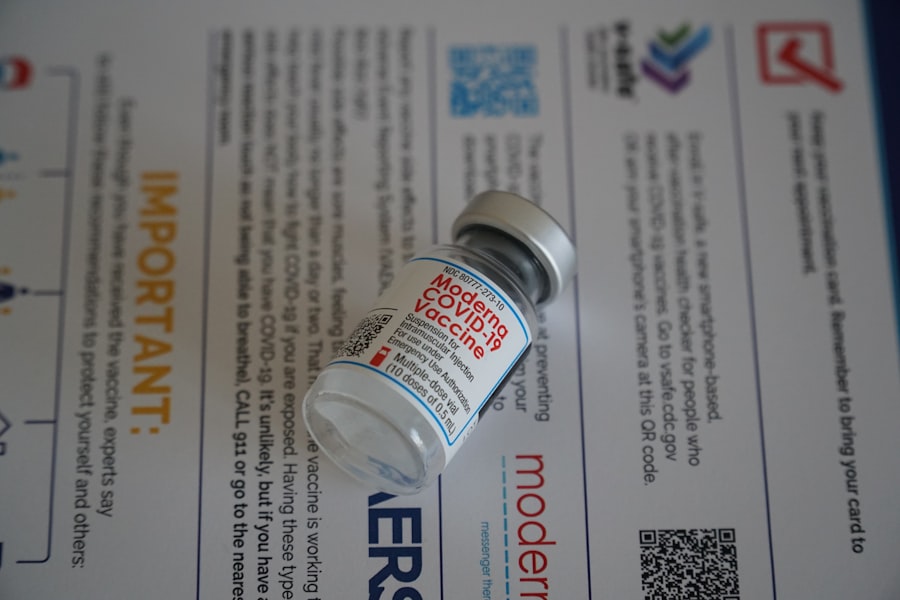
The impact of Merck’s clinical trials on public health is profound and far-reaching. Through its extensive research efforts, the company has contributed to significant advancements in disease prevention, diagnosis, and treatment. For instance, Merck’s development of vaccines has played a crucial role in controlling infectious diseases such as human papillomavirus (HPV) and hepatitis The Gardasil vaccine, which protects against HPV-related cancers, has been instrumental in reducing the incidence of cervical cancer worldwide.
Moreover, Merck’s commitment to addressing global health challenges is evident in its initiatives aimed at improving access to medicines in underserved populations. The company’s partnerships with non-governmental organizations and public health agencies have facilitated the distribution of essential medications in low-income countries, helping to combat diseases such as HIV/AIDS and tuberculosis. By prioritizing public health in its clinical trial agenda, Merck not only advances scientific knowledge but also contributes to healthier communities around the globe.
Future Directions in Medical Research
As we look toward the future, the landscape of medical research continues to evolve rapidly. Emerging technologies such as gene editing, personalized medicine, and digital health tools are poised to transform how we approach disease prevention and treatment. Merck is actively exploring these innovations as part of its commitment to advancing medical science.
For example, the advent of CRISPR technology has opened new avenues for gene therapy, allowing researchers to target genetic mutations responsible for various diseases with unprecedented precision. Furthermore, the integration of artificial intelligence into drug discovery processes holds great promise for accelerating the identification of new therapeutic candidates. By analyzing vast datasets from clinical trials and real-world evidence, AI algorithms can uncover patterns that may not be immediately apparent to human researchers.
This capability could lead to more efficient trial designs and faster pathways to approval for new medications. As these technologies continue to mature, Merck remains dedicated to harnessing their potential to improve patient outcomes and drive innovation in healthcare.
The Role of Merck in Advancing Medical Science
Merck’s contributions to medical science through its clinical trials are invaluable in shaping the future of healthcare. By prioritizing rigorous research methodologies, ethical considerations, and patient engagement, the company has established itself as a leader in pharmaceutical innovation. The advancements achieved through Merck’s clinical trials not only enhance our understanding of diseases but also translate into real-world benefits for patients around the globe.
As we navigate an increasingly complex healthcare landscape marked by emerging challenges and opportunities, Merck’s commitment to advancing medical research will remain crucial. The company’s ongoing efforts to explore new therapeutic avenues and improve access to care underscore its dedication to improving public health outcomes. In this ever-evolving field, Merck stands as a beacon of hope for patients seeking effective treatments and a healthier future.
