
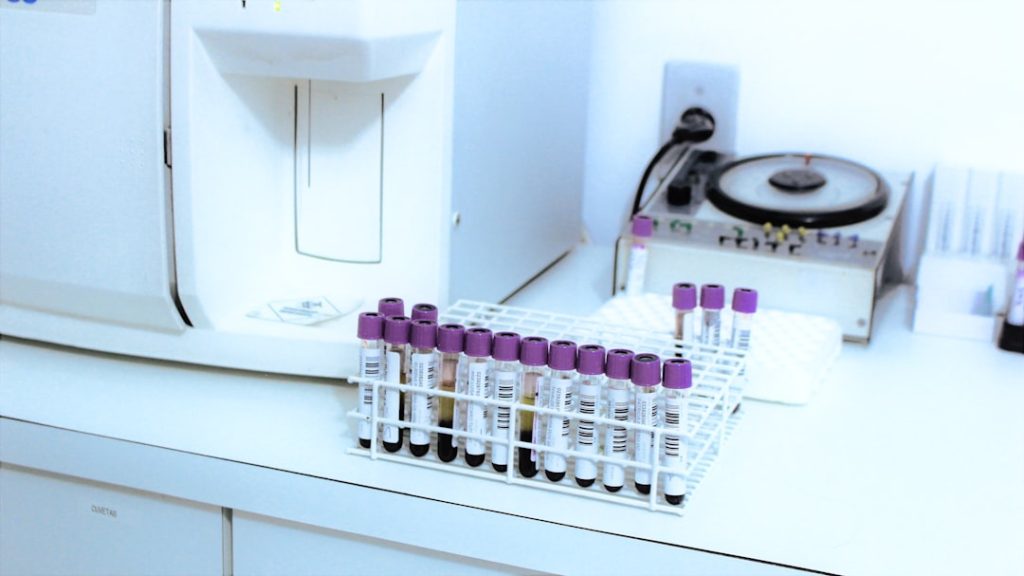
The Moderna clinical trial represents a pivotal moment in the landscape of vaccine development, particularly in the context of the COVID-19 pandemic. Initiated in March 2020, this trial was part of a broader effort to combat the unprecedented global health crisis caused by the SARS-CoV-2 virus. Moderna, a biotechnology company based in Cambridge, Massachusetts, leveraged its innovative messenger RNA (mRNA) technology to develop a vaccine candidate known as mRNA-1273.
The urgency of the pandemic necessitated rapid advancements in vaccine research, and the clinical trial was designed to evaluate the safety and efficacy of this novel approach. The trial itself was structured in multiple phases, with Phase 1 focusing on safety and dosage, followed by Phase 2, which assessed immune response and further safety data. The final Phase 3 trial aimed to determine the vaccine’s effectiveness in a larger population.

With thousands of participants enrolled across diverse demographics, the trial sought to provide comprehensive data that would inform regulatory decisions and public health strategies. The results from this clinical trial not only shaped the trajectory of Moderna as a key player in the vaccine race but also set a precedent for future vaccine development methodologies.
Key Takeaways
- Moderna’s clinical trial showcases the effectiveness of mRNA vaccine technology.
- Clinical trials are crucial for ensuring vaccine safety and efficacy before public use.
- Moderna’s breakthrough advances vaccine research, offering new possibilities for disease prevention.
- Key trial results demonstrate strong immune responses and manageable side effects.
- The trial’s success supports global health initiatives and future vaccine development strategies.
Understanding the mRNA Vaccine Technology

At the heart of Moderna’s approach is mRNA technology, which represents a significant departure from traditional vaccine platforms. Unlike conventional vaccines that often use weakened or inactivated forms of a virus to elicit an immune response, mRNA vaccines utilize synthetic strands of messenger RNA to instruct cells to produce a harmless piece of the virus—specifically, the spike protein found on the surface of SARS-CoV-2. This spike protein is crucial for the virus’s ability to infect human cells, making it an ideal target for immune system recognition.
Once administered, the mRNA enters human cells and utilizes the cellular machinery to produce the spike protein. This process triggers an immune response, prompting the body to recognize and remember the spike protein as a potential threat. Consequently, if an individual is later exposed to the actual virus, their immune system is primed to respond swiftly and effectively.
This innovative approach not only accelerates vaccine development timelines but also allows for greater flexibility in responding to emerging infectious diseases. The success of mRNA technology in the context of COVID-19 has opened new avenues for research into other diseases, including cancer and autoimmune disorders.
The Importance of Clinical Trials in Vaccine Development

Clinical trials are a cornerstone of medical research, serving as a rigorous framework for evaluating new treatments and interventions. In the context of vaccine development, these trials are essential for ensuring that vaccines are both safe and effective before they are made available to the public. The process typically involves several phases, each designed to answer specific research questions while adhering to strict ethical guidelines and regulatory standards.
Phase 1 trials primarily focus on safety, assessing how well a vaccine is tolerated in a small group of participants. Phase 2 trials expand this scope by evaluating immune responses and identifying optimal dosages. Finally, Phase 3 trials involve thousands of participants and are critical for determining a vaccine’s efficacy in preventing disease within diverse populations.
The data generated from these trials not only informs regulatory approvals but also builds public trust in vaccination programs by demonstrating transparency and scientific rigor. Moreover, clinical trials play a vital role in identifying potential side effects and adverse reactions associated with vaccines. By closely monitoring participants throughout the trial process, researchers can gather valuable insights into how different demographics respond to vaccination.
This information is crucial for tailoring public health recommendations and ensuring that vulnerable populations receive appropriate guidance regarding vaccination.
Advancements in Vaccine Research: Moderna’s Breakthrough
Moderna’s breakthrough with its mRNA vaccine has been hailed as a transformative advancement in vaccine research. The rapid development timeline—from initial sequencing of the virus’s genetic material to emergency use authorization—was unprecedented in the history of vaccine development. Traditional vaccine platforms often require years or even decades to bring a product from concept to market; however, Moderna’s use of mRNA technology allowed for a significantly accelerated process.
The company was able to leverage existing platforms and technologies that had been developed over years of research into mRNA applications for other diseases. This pre-existing knowledge base enabled Moderna to pivot quickly when the COVID-19 pandemic emerged. The ability to synthesize mRNA in the lab and produce large quantities rapidly was crucial in meeting global demand for vaccines during a time of crisis.
Furthermore, Moderna’s success has spurred interest and investment in mRNA technology beyond COVID-19. Researchers are now exploring its potential applications in treating various diseases, including influenza, Zika virus, and even certain types of cancer. The flexibility and adaptability of mRNA vaccines position them as promising candidates for addressing future public health challenges.
Key Findings and Results from Moderna Clinical Trial
| Metric | Value | Description |
|---|---|---|
| Trial Phase | 3 | Phase 3 clinical trial for Moderna COVID-19 vaccine (mRNA-1273) |
| Number of Participants | 30,420 | Total enrolled participants in the Phase 3 trial |
| Vaccine Efficacy | 94.1% | Effectiveness in preventing symptomatic COVID-19 infection |
| Dosage | 100 µg | Amount of mRNA per dose administered |
| Dosing Schedule | 2 doses, 28 days apart | Interval between first and second dose |
| Common Side Effects | Fatigue, headache, muscle pain, injection site pain | Most frequently reported adverse events |
| Severe Adverse Events | 0.6% | Percentage of participants reporting severe side effects |
| Trial Locations | United States | Primary location of clinical trial sites |
| Trial Start Date | July 27, 2020 | Date when Phase 3 trial began |
| Interim Analysis Date | November 16, 2020 | Date of interim efficacy analysis |
The results from Moderna’s clinical trial were groundbreaking and provided critical insights into the safety and efficacy of its mRNA vaccine candidate. In December 2020, interim results from the Phase 3 trial indicated that mRNA-1273 demonstrated an efficacy rate of approximately 94.1% in preventing symptomatic COVID-19 infection among participants. This remarkable efficacy rate positioned Moderna’s vaccine as one of the leading candidates in the global fight against COVID-19.
In addition to efficacy, safety data collected during the trial revealed that most side effects were mild to moderate and resolved within a few days. Common side effects included pain at the injection site, fatigue, headache, muscle pain, chills, fever, and nausea. Serious adverse events were rare, underscoring the overall favorable safety profile of the vaccine.
These findings were instrumental in gaining emergency use authorization from regulatory agencies such as the U.S. Food and Drug Administration (FDA) and paved the way for widespread vaccination efforts. The trial also highlighted important demographic considerations, as data showed consistent efficacy across various age groups, races, and underlying health conditions.
This inclusivity was vital for ensuring that diverse populations could benefit from vaccination efforts, ultimately contributing to broader public health goals.
Implications for Future Vaccine Development

The success of Moderna’s clinical trial has far-reaching implications for future vaccine development strategies. The rapid deployment of mRNA technology has demonstrated that it is possible to develop effective vaccines at an unprecedented pace without compromising safety or efficacy standards. This paradigm shift could lead to a re-evaluation of traditional vaccine development timelines and methodologies.
Moreover, the positive outcomes from Moderna’s trial have encouraged other pharmaceutical companies and research institutions to invest in mRNA technology for various infectious diseases and therapeutic applications. As researchers continue to explore this innovative platform, we may see a new era of vaccines that can be rapidly adapted to emerging pathogens or tailored for specific populations. Additionally, the lessons learned from this clinical trial can inform future pandemic preparedness strategies.
The ability to mobilize resources quickly and collaborate across sectors—government agencies, private companies, and academic institutions—will be crucial in addressing future global health crises effectively.
Addressing Safety and Efficacy Concerns
Despite the overwhelming success of Moderna’s clinical trial, concerns regarding vaccine safety and efficacy remain prevalent among certain segments of the population. Misinformation surrounding vaccines can lead to hesitancy, which poses significant challenges for public health initiatives aimed at achieving herd immunity. Addressing these concerns requires transparent communication based on scientific evidence.
Moderna has actively engaged with healthcare professionals and communities to disseminate accurate information about its vaccine’s safety profile and efficacy rates. By providing clear data from clinical trials and ongoing post-marketing surveillance studies, Moderna aims to build trust among potential vaccine recipients. Additionally, collaboration with public health organizations has facilitated outreach efforts targeting communities disproportionately affected by COVID-19.
Furthermore, continuous monitoring of vaccine safety through systems like the Vaccine Adverse Event Reporting System (VAERS) allows for real-time assessment of any potential adverse events following vaccination. This ongoing vigilance is essential for maintaining public confidence in vaccination programs and ensuring that any emerging safety concerns are addressed promptly.
The Role of Moderna Clinical Trial in Global Health Efforts
The impact of Moderna’s clinical trial extends beyond individual health outcomes; it plays a crucial role in global health efforts aimed at controlling infectious diseases. The successful development and deployment of an effective COVID-19 vaccine have provided a blueprint for future vaccine initiatives worldwide. As countries grapple with varying levels of access to vaccines, Moderna’s commitment to equitable distribution has been evident through partnerships with organizations like COVAX.
COVAX aims to ensure that low- and middle-income countries receive equitable access to COVID-19 vaccines, thereby addressing disparities in global health outcomes. By participating in this initiative and committing to supply doses at affordable prices, Moderna is contributing to a more equitable global response to pandemics. Moreover, the lessons learned from this clinical trial can inform strategies for addressing other infectious diseases that disproportionately affect vulnerable populations worldwide.
The rapid development model established by Moderna may serve as a template for future vaccine research initiatives targeting diseases such as malaria or tuberculosis—conditions that have long been neglected due to economic constraints. In summary, Moderna’s clinical trial has not only advanced our understanding of mRNA technology but has also set new standards for vaccine development processes globally. Its implications resonate across various domains within public health, emphasizing the importance of innovation, collaboration, and equitable access in addressing current and future health challenges.
