
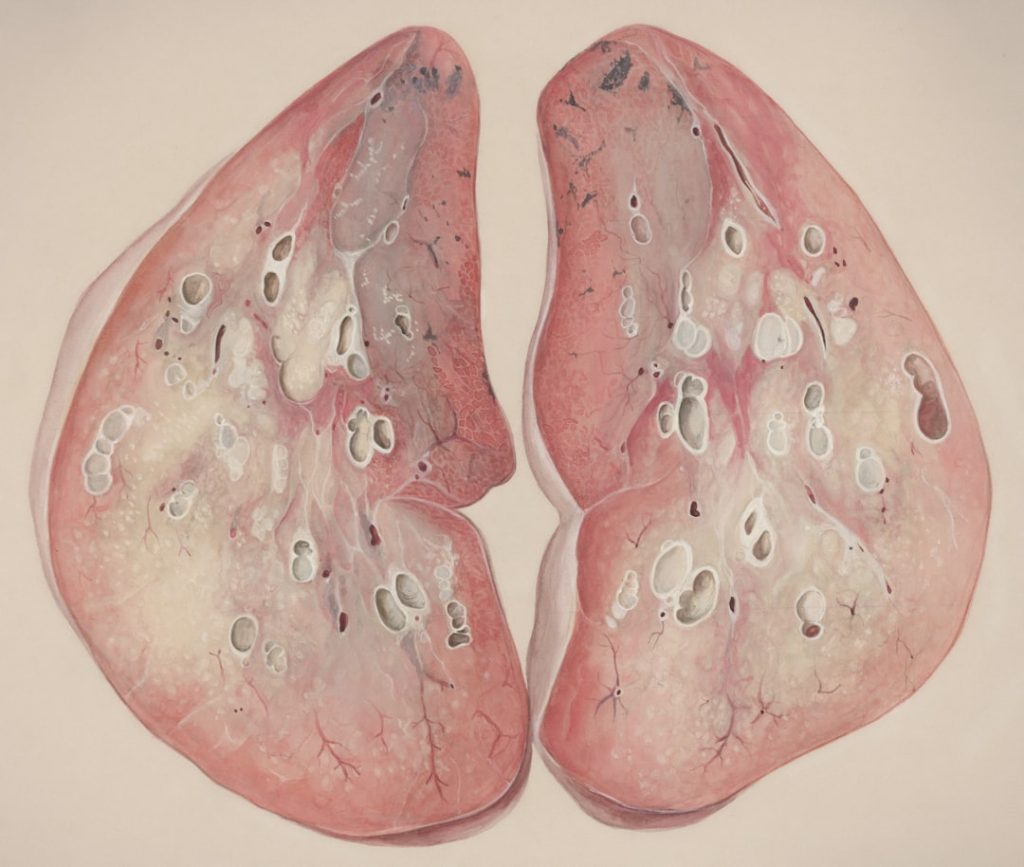
Asthma is a chronic respiratory disease that causes inflammation and constriction of the airways, affecting approximately 300 million people globally. Current treatment protocols rely primarily on inhaled corticosteroids to reduce inflammation and bronchodilators to open airways, focusing on symptom control and prevention of acute episodes. Recent clinical research has developed targeted therapies that address specific inflammatory pathways in asthma pathophysiology.
These treatments utilize monoclonal antibodies and other biologics to block key inflammatory mediators such as interleukin-4, interleukin-5, and immunoglobulin E. Clinical trials demonstrate that these targeted approaches can reduce exacerbation rates by 40-70% in patients with severe asthma and improve lung function measurements. This therapeutic approach represents a shift from symptom management to disease modification by interrupting the inflammatory cascade that drives airway hyperresponsiveness and remodeling.

Studies indicate that patients receiving targeted biologic therapies show sustained improvements in forced expiratory volume, reduced oral corticosteroid dependence, and decreased emergency department visits. Given that asthma accounts for over $80 billion in annual healthcare costs and causes approximately 400,000 deaths worldwide each year, these precision medicine approaches offer significant potential for improving patient outcomes and reducing healthcare burden.
Key Takeaways
- A new asthma treatment shows promising improvements in symptom control and lung function.
- Clinical studies demonstrate the treatment’s effectiveness with minimal side effects.
- The therapy could significantly enhance current asthma management strategies.
- Patient testimonials report better quality of life and reduced asthma attacks.
- Ongoing research aims to further optimize the treatment and expand its accessibility.
Overview of the Clinical Study

The clinical study investigating this new asthma treatment was meticulously designed to evaluate its efficacy and safety in a diverse population of asthma patients. Conducted across multiple centers, the study enrolled participants with varying degrees of asthma severity, ensuring a comprehensive understanding of how the treatment performs across different demographics. The trial was randomized, double-blind, and placebo-controlled, which are considered gold standards in clinical research.
This design minimizes bias and allows for a clear comparison between those receiving the treatment and those receiving a placebo. Participants were monitored over an extended period, with assessments conducted at regular intervals to gauge changes in lung function, frequency of asthma attacks, and overall quality of life. The study also included various biomarkers to assess the biological impact of the treatment on inflammation and airway responsiveness.
By employing a robust methodology, researchers aimed to gather substantial evidence regarding the treatment’s effectiveness and safety profile, ultimately contributing to its potential approval for widespread clinical use.
Promising Results of the Treatment

The results from the clinical study have been nothing short of promising. Preliminary data indicated a significant reduction in the frequency of asthma exacerbations among participants receiving the new treatment compared to those on placebo. In addition to fewer attacks, patients reported improved lung function as measured by spirometry tests, which assess how well air moves in and out of the lungs.
These findings suggest that the treatment not only alleviates symptoms but also enhances overall respiratory health. Moreover, patient-reported outcomes highlighted improvements in daily activities and overall quality of life. Many participants noted a decrease in reliance on rescue inhalers, which are typically used during acute asthma episodes.
This reduction signifies not only better control over their condition but also a shift towards a more stable and manageable lifestyle. The treatment’s ability to provide sustained relief without the frequent need for short-acting bronchodilators is particularly noteworthy, as it indicates a potential paradigm shift in how asthma can be managed long-term.
Potential Impact on Asthma Management
The introduction of this new treatment could have far-reaching implications for asthma management practices. For many patients, living with asthma means navigating a complex regimen of medications and lifestyle adjustments aimed at controlling symptoms and preventing flare-ups. The efficacy demonstrated by this new treatment suggests that it could simplify management strategies, allowing patients to achieve better control with fewer medications.
This could lead to improved adherence to treatment plans, as patients may find it easier to manage their condition with a more effective single therapy. Furthermore, healthcare providers may find themselves equipped with a powerful tool that not only addresses symptoms but also targets the underlying pathophysiology of asthma. This could foster a more proactive approach to asthma care, where clinicians focus on long-term management rather than reactive treatment during exacerbations.
The potential for reduced healthcare costs associated with fewer emergency visits and hospitalizations also cannot be overlooked; if patients experience fewer severe episodes, this could alleviate some of the financial burdens associated with chronic asthma care.
Safety and Side Effects of the Treatment
| Metric | Description | Value | Unit |
|---|---|---|---|
| Number of Participants | Total enrolled patients in the study | 150 | patients |
| Age Range | Age range of participants | 18-65 | years |
| Duration of Study | Length of the clinical trial | 12 | months |
| Primary Endpoint | Reduction in asthma exacerbations | 30 | % reduction |
| Secondary Endpoint | Improvement in FEV1 (Forced Expiratory Volume in 1 second) | 0.25 | liters |
| Adverse Events | Percentage of participants reporting side effects | 15 | % |
| Medication Compliance | Average adherence to prescribed treatment | 92 | % |
While the promising results of the new asthma treatment are encouraging, it is essential to consider its safety profile and potential side effects. The clinical study included rigorous monitoring for adverse events, allowing researchers to identify any safety concerns associated with the treatment. Early findings suggest that the treatment is generally well-tolerated among participants, with most experiencing only mild side effects such as transient headaches or gastrointestinal discomfort.
These side effects were typically short-lived and did not lead to discontinuation of therapy in most cases. However, as with any new medication, ongoing surveillance will be crucial to fully understand its long-term safety implications. Researchers are particularly interested in monitoring for any rare but serious adverse events that may not have been evident during the initial study phase.
Additionally, understanding how this treatment interacts with other common asthma medications will be vital for clinicians as they integrate it into existing management plans. The commitment to patient safety remains paramount as this new option becomes available for broader use.
Future Research and Development

The promising outcomes from the initial clinical study have sparked interest in further research and development surrounding this new asthma treatment. Ongoing studies are planned to explore its efficacy in specific subpopulations, such as children or individuals with severe asthma who may not respond well to conventional therapies. Additionally, researchers are investigating potential combination therapies that could enhance the treatment’s effectiveness by targeting multiple pathways involved in asthma pathophysiology.
Longitudinal studies will also be essential to assess the long-term effects of this treatment on lung function and overall health outcomes. Understanding how this therapy impacts patients over several years will provide valuable insights into its role in chronic asthma management. Furthermore, researchers are keen to explore biomarkers that could predict which patients are most likely to benefit from this treatment, paving the way for personalized medicine approaches in asthma care.
Patient Testimonials and Experiences
As clinical studies progress and more patients begin to access this new treatment, testimonials from individuals who have experienced its effects firsthand are emerging. Many patients report feeling a renewed sense of hope as they experience significant improvements in their symptoms and overall quality of life. One patient shared their experience of being able to participate in activities they had previously avoided due to fear of an asthma attack, such as hiking or attending outdoor events.
Another individual noted that they no longer felt tethered to their rescue inhaler, which had previously dictated their daily activities. These personal accounts highlight not only the clinical efficacy of the treatment but also its profound impact on patients’ lives. The emotional relief that comes from regaining control over one’s health cannot be overstated; for many, this new treatment represents a turning point in their battle against asthma.
Conclusion and Implications for Asthma Patients
The advent of this new asthma treatment signifies a pivotal moment in respiratory medicine, offering hope for improved management strategies that extend beyond mere symptom control. With promising clinical results indicating enhanced lung function and reduced exacerbations, patients may soon have access to a therapy that fundamentally changes their experience with asthma. As research continues to unfold, it is clear that this treatment has the potential not only to improve individual patient outcomes but also to reshape how healthcare providers approach asthma management on a broader scale.
The implications for asthma patients are profound; they may soon find themselves equipped with a more effective tool in their arsenal against this chronic condition. As ongoing studies further elucidate the safety profile and long-term benefits of this treatment, it is essential for both patients and healthcare providers to remain informed about these developments. The journey towards better asthma management is ongoing, but with innovations like this new treatment on the horizon, there is reason for optimism in the fight against asthma.
