

The landscape of cancer treatment is undergoing a transformative shift, driven by innovative clinical research that seeks to unravel the complexities of this multifaceted disease. As scientists and clinicians delve deeper into the molecular and genetic underpinnings of cancer, new therapeutic strategies are emerging that promise to enhance patient outcomes significantly. The urgency for such advancements is underscored by the staggering statistics surrounding cancer; it remains one of the leading causes of morbidity and mortality worldwide.
In response, researchers are harnessing cutting-edge technologies and novel approaches to develop treatments that are not only more effective but also tailored to the individual characteristics of each patient’s cancer. Recent years have seen a surge in clinical trials aimed at exploring new drug combinations, novel delivery methods, and innovative treatment modalities. These trials are critical in determining the efficacy and safety of new therapies, providing a pathway from laboratory discoveries to clinical application.

The integration of artificial intelligence and machine learning into research methodologies is further accelerating this process, enabling researchers to analyze vast datasets and identify potential therapeutic targets with unprecedented speed and accuracy. As we explore the latest findings in cancer treatment, it becomes evident that the future holds great promise for patients and healthcare providers alike.
Key Takeaways
- New clinical research is driving significant advancements in cancer treatment approaches.
- Immunotherapy and targeted therapies have shown promising breakthroughs in improving patient outcomes.
- Precision medicine is enhancing the customization of cancer treatments based on individual genetic profiles.
- Early detection and prevention strategies are becoming more effective, increasing survival rates.
- Continued research and innovation remain crucial to overcoming future challenges in cancer care.
Overview of Promising Results in Cancer Treatment

Recent clinical trials have yielded promising results that suggest a paradigm shift in how cancer is treated. For instance, studies involving combination therapies have shown enhanced efficacy compared to traditional monotherapies. One notable example is the combination of immune checkpoint inhibitors with chemotherapy, which has demonstrated improved survival rates in patients with non-small cell lung cancer (NSCLC).
In these trials, patients receiving both treatments exhibited a higher response rate and longer progression-free survival compared to those receiving chemotherapy alone. This synergy between different therapeutic modalities highlights the potential for more effective treatment regimens that can tackle cancer from multiple angles. Moreover, advancements in targeted therapies have led to significant breakthroughs in treating specific cancer types.
For example, the development of targeted agents such as PARP inhibitors has revolutionized the management of BRCA-mutated breast and ovarian cancers. Clinical trials have shown that these agents can lead to substantial tumor shrinkage and prolonged survival in patients with these genetic mutations. The success of these targeted therapies underscores the importance of understanding the genetic makeup of tumors, allowing for more personalized treatment approaches that align with the unique characteristics of each patient’s cancer.
Breakthroughs in Immunotherapy and Targeted Therapies

Immunotherapy has emerged as one of the most exciting frontiers in cancer treatment, leveraging the body’s immune system to combat malignancies. The advent of immune checkpoint inhibitors, such as pembrolizumab and nivolumab, has transformed the treatment landscape for various cancers, including melanoma and bladder cancer. These agents work by blocking proteins that inhibit immune responses, thereby unleashing T cells to attack cancer cells more effectively.
Clinical trials have demonstrated remarkable response rates, with some patients experiencing durable remissions that were previously unattainable with conventional therapies. In addition to immune checkpoint inhibitors, CAR T-cell therapy represents another groundbreaking advancement in immunotherapy. This approach involves engineering a patient’s T cells to express chimeric antigen receptors (CARs) that specifically target cancer cells.
The success of CAR T-cell therapy has been particularly notable in hematological malignancies such as acute lymphoblastic leukemia (ALL) and certain types of lymphoma. Clinical trials have reported complete remission rates exceeding 80% in some patient populations, showcasing the potential for this innovative treatment to provide hope for individuals with otherwise refractory cancers. Targeted therapies have also made significant strides, particularly in the realm of precision oncology.
By focusing on specific molecular alterations within tumors, targeted agents can inhibit pathways critical for cancer cell survival and proliferation. For instance, the use of tyrosine kinase inhibitors (TKIs) has revolutionized the treatment of chronic myeloid leukemia (CML) and certain types of lung cancer characterized by specific genetic mutations. The introduction of drugs like imatinib has transformed CML from a fatal disease into a manageable chronic condition for many patients, illustrating the profound impact of targeted therapies on patient quality of life and survival.
Impact of Precision Medicine in Cancer Treatment
Precision medicine represents a paradigm shift in oncology, emphasizing the need for individualized treatment strategies based on a patient’s unique genetic profile and tumor characteristics. This approach is grounded in the understanding that not all cancers are created equal; even tumors classified under the same type can exhibit distinct molecular features that influence their behavior and response to treatment. By utilizing genomic sequencing technologies, clinicians can identify specific mutations or alterations within a patient’s tumor, allowing for tailored therapeutic interventions that maximize efficacy while minimizing toxicity.
One compelling example of precision medicine in action is the use of next-generation sequencing (NGS) to guide treatment decisions in metastatic breast cancer. In clinical trials, patients whose tumors harbor specific mutations have been shown to respond favorably to targeted therapies designed to inhibit those mutations. This level of customization not only enhances treatment outcomes but also empowers patients by providing them with options that align with their individual disease profiles.
Furthermore, precision medicine extends beyond treatment selection; it also plays a crucial role in monitoring disease progression and detecting potential resistance mechanisms early on. The integration of precision medicine into clinical practice is not without its challenges, however. The complexity of genomic data interpretation requires specialized expertise and resources, which may not be readily available in all healthcare settings.
Additionally, disparities in access to advanced genomic testing can exacerbate existing inequalities in cancer care. Nevertheless, ongoing efforts to democratize access to precision medicine are essential for ensuring that all patients benefit from these advancements.
Advancements in Early Detection and Prevention of Cancer
| Metric | Description | Typical Value / Range | Unit |
|---|---|---|---|
| Enrollment Rate | Number of participants enrolled per month | 10 – 100 | participants/month |
| Study Duration | Length of time from study start to completion | 6 – 36 | months |
| Protocol Deviation Rate | Percentage of deviations from the study protocol | 1 – 5 | % |
| Adverse Event Rate | Percentage of participants experiencing adverse events | 5 – 30 | % |
| Data Query Rate | Number of data queries per 100 data points | 2 – 10 | queries/100 data points |
| Retention Rate | Percentage of participants completing the study | 70 – 95 | % |
| Screen Failure Rate | Percentage of screened participants not enrolled | 20 – 50 | % |
Early detection remains a cornerstone of effective cancer management, significantly improving survival rates through timely intervention. Recent advancements in screening technologies have enhanced our ability to identify cancers at earlier stages when they are more amenable to treatment. For instance, liquid biopsy techniques have gained traction as a non-invasive method for detecting circulating tumor DNA (ctDNA) in blood samples.
This innovative approach allows for the identification of malignancies before symptoms arise, enabling earlier therapeutic interventions that can lead to better outcomes. In addition to liquid biopsies, advancements in imaging technologies have revolutionized cancer detection. Techniques such as positron emission tomography (PET) combined with computed tomography (CT) scans provide detailed insights into tumor metabolism and anatomy, facilitating more accurate diagnoses.
These imaging modalities are particularly valuable in monitoring treatment response and detecting recurrences, allowing clinicians to adjust therapeutic strategies promptly based on real-time data. Preventive measures also play a critical role in reducing cancer incidence rates. Vaccination against oncogenic viruses such as human papillomavirus (HPV) has demonstrated remarkable efficacy in preventing cervical cancer and other HPV-related malignancies.
Public health initiatives aimed at increasing vaccination coverage are essential for maximizing the impact of these preventive strategies. Additionally, lifestyle modifications such as smoking cessation, dietary changes, and regular physical activity have been shown to reduce cancer risk significantly, underscoring the importance of holistic approaches to cancer prevention.
Future Directions and Challenges in Cancer Treatment
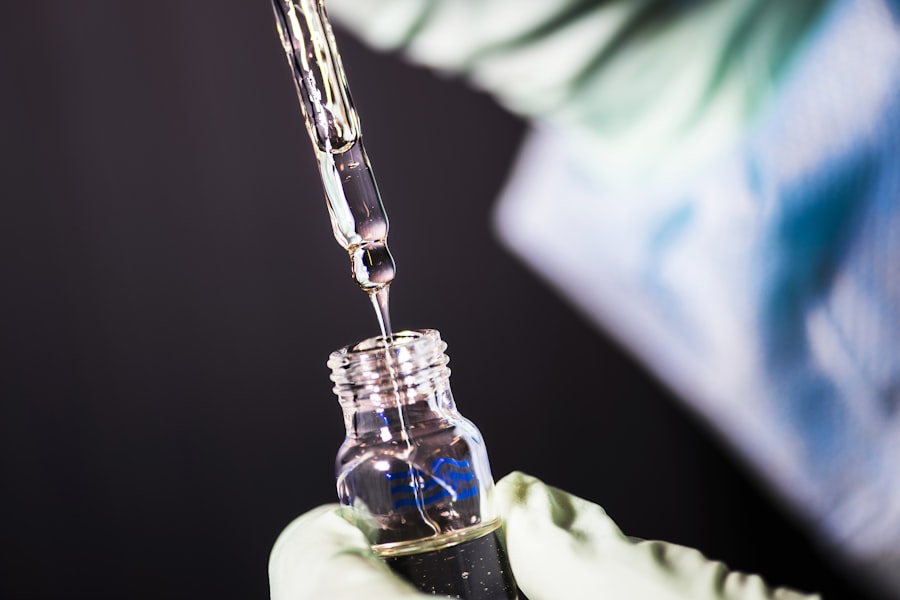
As we look toward the future of cancer treatment, several key directions emerge that hold promise for further advancements. One area of focus is the continued exploration of combination therapies that leverage multiple mechanisms of action to overcome resistance and enhance efficacy. The integration of immunotherapy with targeted therapies or traditional chemotherapeutics represents a promising avenue for improving outcomes across various cancer types.
Another critical direction involves harnessing the power of artificial intelligence (AI) and machine learning to optimize treatment strategies. By analyzing vast datasets from clinical trials and real-world patient experiences, AI algorithms can identify patterns that inform personalized treatment plans and predict patient responses more accurately. This data-driven approach has the potential to revolutionize decision-making processes in oncology, leading to more effective and efficient care.
However, challenges remain on this journey toward innovation. The complexity of cancer biology necessitates ongoing research to unravel the intricate mechanisms underlying tumor development and progression. Additionally, regulatory hurdles associated with bringing new therapies to market can impede timely access for patients who desperately need them.
Addressing these challenges will require collaboration among researchers, clinicians, regulatory agencies, and patient advocacy groups to ensure that breakthroughs translate into tangible benefits for those affected by cancer.
Patient Perspectives and Success Stories
The impact of new clinical research on cancer treatment is perhaps best illustrated through the stories of patients whose lives have been transformed by innovative therapies. For many individuals facing a cancer diagnosis, participation in clinical trials offers hope when conventional treatments have failed or when faced with aggressive disease types. Patients often report feeling empowered by their involvement in research studies, as they contribute to advancing knowledge while potentially gaining access to cutting-edge therapies.
One poignant example is that of a young woman diagnosed with metastatic melanoma who participated in a clinical trial evaluating an experimental immune checkpoint inhibitor. After months of grueling treatments with limited success, she enrolled in the trial out of desperation but soon experienced a remarkable response; her tumors shrank significantly within weeks. This transformative experience not only extended her life but also allowed her to reclaim moments with her family that she thought were lost forever.
Such success stories underscore the importance of continued investment in clinical research and innovation within oncology. They serve as powerful reminders that behind every statistic lies a human story—a narrative shaped by resilience, hope, and the relentless pursuit of better treatments. As researchers strive to uncover new therapeutic avenues, patient perspectives remain central to guiding research priorities and ensuring that advancements translate into meaningful improvements in quality of life.
The Importance of Continued Research and Innovation in Cancer Treatment
The journey toward effective cancer treatment is marked by both challenges and triumphs, underscoring the critical need for ongoing research and innovation within this field. As we witness breakthroughs in immunotherapy, precision medicine, early detection methods, and targeted therapies, it becomes increasingly clear that collaboration among scientists, clinicians, patients, and policymakers is essential for driving progress forward. The commitment to understanding cancer at its most fundamental level will pave the way for novel therapeutic strategies that can address unmet needs within diverse patient populations.
By fostering an environment conducive to exploration and discovery—one that prioritizes patient-centered care—we can continue to push the boundaries of what is possible in cancer treatment. Ultimately, the fight against cancer is not just about developing new drugs or technologies; it is about improving lives and providing hope for those affected by this devastating disease. As we look ahead, let us remain steadfast in our dedication to advancing research efforts that will lead us closer to a future where cancer is no longer synonymous with despair but rather a manageable condition with promising outcomes for all patients.
