
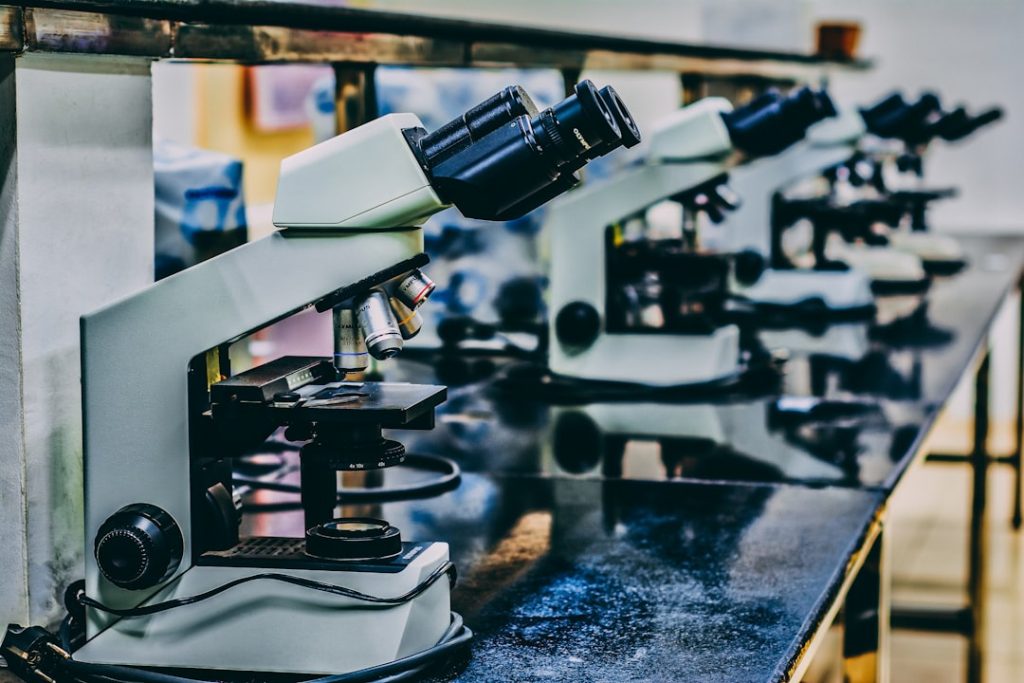
This article summarizes several recent medical and scientific findings that suggest advancements in the treatment and prevention of disease. The information presented herein is based on peer-reviewed research and reputable scientific publications.
Gene editing, particularly through CRISPR-Cas (Clustered Regularly Interspaced Short Palindromic Repeats-CRISPR associated protein) systems, continues to evolve, offering novel approaches to address genetic disorders. This technology functions like a molecular “cut and paste” tool, allowing precise modifications to DNA sequences.
Enhanced Precision and Efficiency

Recent developments focus on improving the accuracy and reducing off-target effects of CRISPR. Researchers are exploring novel Cas proteins and delivery methods to ensure that edits are made only at intended genomic locations.
- Base Editing: This technique allows for single nucleotide changes without double-strand DNA breaks, potentially mitigating some of the risks associated with traditional CRISPR. It’s akin to changing a single letter in a sentence without rewriting the whole thing.
- Prime Editing: Considered a “search and replace” gene editing tool, prime editing can directly insert, delete, or substitute DNA sequences with greater flexibility than previous methods. This offers a wider range of potential genomic interventions.
Therapeutic Applications of Gene Editing
The therapeutic potential of gene editing is being investigated across a spectrum of diseases, from rare genetic conditions to more common ailments.
- Cystic Fibrosis: Preclinical studies are exploring gene editing to correct the CFTR gene mutation responsible for cystic fibrosis, aiming to restore normal protein function and alleviate symptoms.
- Sickle Cell Disease and Beta-Thalassemia: Clinical trials are underway utilizing gene editing to modify hematopoietic stem cells, introducing beneficial changes that can ameliorate or cure these blood disorders. The goal is to provide a functional copy of the hemoglobin gene or activate fetal hemoglobin production.
- Cancer Immunotherapy: Gene editing is being used to engineer T-cells (CAR-T cells) to enhance their cancer-fighting capabilities. This involves modifying T-cells to specifically recognize and target cancer cells more effectively.
Developments in Cancer Treatment

The landscape of cancer treatment is undergoing significant transformation with new modalities and improved understanding of tumor biology. These advancements offer more targeted and personalized approaches, moving beyond conventional chemotherapy in many cases.
Immunotherapy Breakthroughs
Immunotherapy harnesses the body’s own immune system to fight cancer. The principle is to “unmask” cancer cells, making them visible targets for immune cells, or to enhance the immune system’s strength.
- Checkpoint Inhibitors: These drugs block proteins that prevent the immune system from attacking cancer cells. PD-1 and CTLA-4 inhibitors, for example, have shown efficacy in various cancers, including melanoma, lung cancer, and kidney cancer. They essentially remove the brakes from the immune system.
- Oncolytic Viruses: These engineered viruses selectively infect and destroy cancer cells while sparing healthy tissue. They also stimulate an immune response against the tumor. This approach is like sending a precision guided missile directly at cancer cells.
- Bispecific Antibodies: These antibodies are designed to bind to two different targets simultaneously, typically one on a cancer cell and one on an immune cell. This brings immune cells into close proximity with cancer cells, facilitating their destruction.
Targeted Therapies and Precision Medicine
Targeted therapies focus on specific molecular pathways or genetic mutations that drive cancer growth. This approach shifts treatment from a broad attack to a more focused intervention.
- Liquid Biopsies: This non-invasive technique analyzes circulating tumor DNA (ctDNA) or circulating tumor cells (CTCs) from a blood sample. It allows for earlier detection of cancer, monitoring of treatment response, and identification of resistance mechanisms. It offers a real-time snapshot of the tumor’s genetic makeup.
- Kinase Inhibitors: Many cancers are driven by abnormal activity of protein kinases. Inhibitors targeting these kinases have proven effective in specific cancers, such as chronic myeloid leukemia (CML) and certain lung cancers.
- Antibody-Drug Conjugates (ADCs): ADCs combine the specificity of antibodies with the potency of cytotoxic chemotherapy. The antibody delivers the drug directly to cancer cells, minimizing systemic toxicity. Think of it as a guided missile with a warhead, delivering its payload only to the enemy.
Advances in Neurodegenerative Disease Research
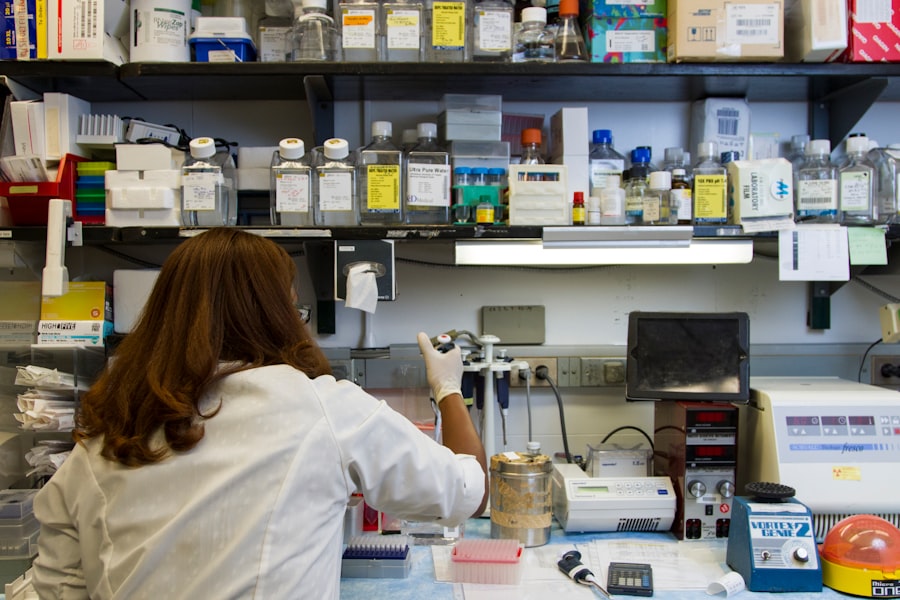
Neurodegenerative diseases, such as Alzheimer’s and Parkinson’s, pose significant challenges due to their complex etiologies and progressive nature. Recent research is shedding light on underlying mechanisms and offering new therapeutic avenues.
Understanding Disease Mechanisms
A deeper understanding of the molecular and cellular processes involved in neurodegeneration is crucial for developing effective treatments.
- Protein Aggregation: The accumulation of misfolded proteins (e.g., amyloid-beta and tau in Alzheimer’s, alpha-synuclein in Parkinson’s) is a hallmark of many neurodegenerative diseases. Research focuses on preventing aggregation, promoting clearance, or inhibiting their toxic effects.
- Neuroinflammation: Chronic inflammation in the brain is increasingly recognized as a key contributor to neurodegeneration. Modulating neuroinflammatory pathways is a promising therapeutic target.
- Mitochondrial Dysfunction: Impaired mitochondrial function, the cellular powerhouses, is implicated in neuronal damage. Strategies to improve mitochondrial health are under investigation.
Emerging Therapeutic Strategies
New approaches are moving beyond symptomatic relief to target the fundamental processes of these diseases.
- Monoclonal Antibodies: Antibodies targeting specific aggregated proteins, such as amyloid-beta or tau, are being developed to clear these toxic species from the brain. Some show promise in clinical trials for Alzheimer’s disease.
- Gene Therapy: Delivery of genes that can protect neurons, reduce protein aggregation, or enhance neurotransmitter production is being explored for diseases like Parkinson’s and Huntington’s.
- Small Molecule Inhibitors: Drug discovery efforts are focused on identifying small molecules that can inhibit protein aggregation, reduce inflammation, or protect neurons from damage.
Progress in Infectious Disease Management
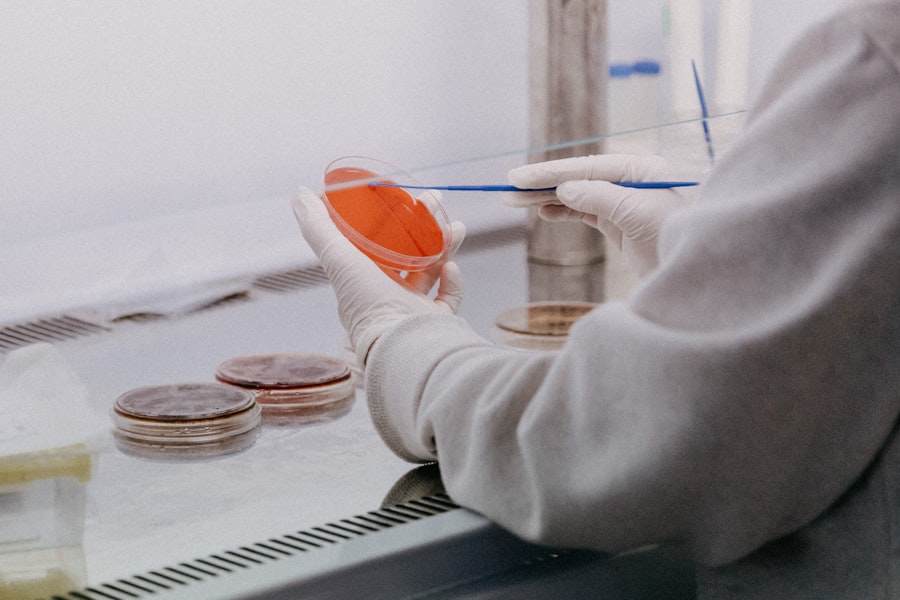
The global fight against infectious diseases continues, with ongoing research delivering new diagnostic tools, vaccines, and antiviral/antibacterial therapies. The recent pandemic underscored the importance of rapid scientific response.
Novel Vaccine Technologies
Vaccines remain a cornerstone of public health, and technological advancements are accelerating their development and efficacy.
- mRNA Vaccines: The success of mRNA vaccines against SARS-CoV-2 has revolutionized vaccinology. This technology offers rapid development and production, and its application is being explored for other infectious diseases and even cancer. It delivers genetic instructions for the body to produce antigens, triggering an immune response.
- Adjuvant Development: Adjuvants are compounds that enhance the immune response to vaccines. New adjuvant technologies are improving vaccine efficacy, particularly in vulnerable populations such as the elderly or immunocompromised.
- Universal Vaccines: The goal of a universal influenza vaccine, for instance, aims to provide broad protection against multiple strains, reducing the need for annual reformulations. Similar efforts are underway for other pathogens.
Antimicrobial Resistance Solutions
The rising threat of antimicrobial resistance necessitates a multi-faceted approach to develop new drugs and strategies.
- Novel Antibiotics: Researchers are actively seeking new classes of antibiotics to overcome existing resistance mechanisms. This includes exploring natural products, synthetic compounds, and strategies to increase drug permeability into bacteria.
- Bacteriophage Therapy: Phages are viruses that infect and kill bacteria. This ancient therapy is gaining renewed interest as a potential solution for drug-resistant bacterial infections. It’s like using a natural predator to control a harmful population.
- Antimicrobial Peptides (AMPs): AMPs are host-defense peptides with broad-spectrum antimicrobial activity. Their unique mechanisms of action make them less prone to resistance development.
Advances in Regenerative Medicine
| Metric | Description | Value | Unit | Source |
|---|---|---|---|---|
| Number of Clinical Trials | Total ongoing clinical trials worldwide | 40000 | trials | ClinicalTrials.gov |
| Average Research Funding | Annual funding allocated to medical research | 45 | billion USD | NIH Report 2023 |
| Publication Count | Number of medical research papers published annually | 1.5 | million papers | PubMed 2023 |
| Researcher Count | Number of active medical researchers worldwide | 500000 | researchers | WHO 2023 |
| Average Time to Drug Approval | Time from research start to drug approval | 10 | years | FDA 2023 |
Regenerative medicine aims to repair, replace, or regenerate damaged tissues and organs. This field encompasses diverse approaches, including stem cell therapies, tissue engineering, and gene editing for regeneration.
Stem Cell Therapies
Stem cells possess the remarkable ability to differentiate into various cell types, making them valuable for repairing damaged tissues.
- Induced Pluripotent Stem Cells (iPSCs): iPSCs are adult cells reprogrammed to an embryonic-like pluripotent state. They offer a patient-specific source of cells for therapies, avoiding ethical concerns associated with embryonic stem cells and reducing immune rejection. They are like reset buttons for adult cells, giving them a fresh start.
- Mesenchymal Stem Cells (MSCs): MSCs have immunomodulatory and regenerative properties, making them promising for treating inflammatory conditions, tissue repair, and autoimmune diseases. They are like biological first responders, capable of calming inflammation and fostering healing.
- Clinical Applications: Stem cell therapies are being investigated for conditions such as spinal cord injury, heart disease, diabetes, and autoimmune disorders. Clinical trials are exploring their safety and efficacy in various settings.
Tissue Engineering and Organoids
Tissue engineering combines cells, biomaterials, and growth factors to construct functional tissues and organs, while organoids are miniature, simplified versions of organs grown in vitro.
- Bioprinting: 3D bioprinting allows for precise placement of cells and biomaterials to create complex tissue structures. This technology holds promise for fabricating organoids, tissues for drug testing, and ultimately, replacement organs.
- Organ-on-a-Chip Technology: These microfluidic devices contain living cells in a 3D architecture that mimics human organ function. They provide a more accurate model for drug screening and disease modeling than traditional 2D cell cultures.
- Organoid Applications: Organoids, derived from stem cells, are increasingly used to model diseases, study organ development, and test drug efficacy and toxicity in a more physiologically relevant context. They serve as valuable bridges between basic cell culture and animal models.
The ongoing advancements across these fields represent a dynamic and evolving landscape in medical science. While these breakthroughs offer substantial promise, it is crucial to recognize that translating research into widespread clinical practice is a complex process. Rigorous testing, ethical considerations, and regulatory approvals are integral steps in ensuring the safe and effective application of these new discoveries. The scientific community continues to operate on the frontier of knowledge, diligently working to address unmet medical needs and improve human health.
