
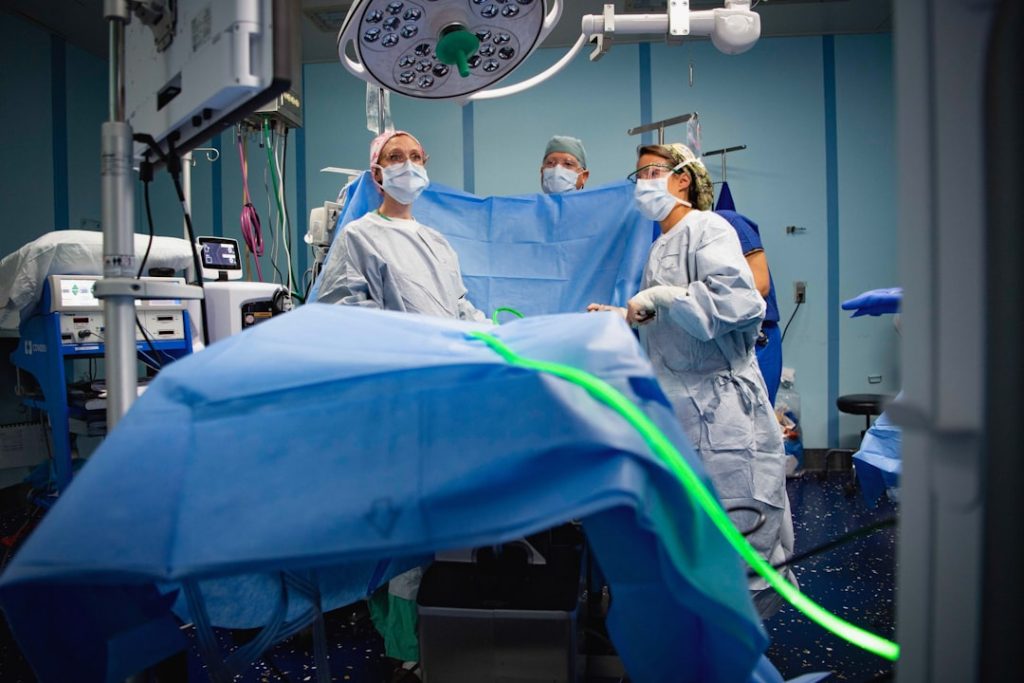
Nurses are integral to the continuum of clinical research, bridging the gap between scientific inquiry and patient care. Their involvement spans all phases of clinical trials, contributing significantly to the ethical conduct, operational efficiency, and data integrity of studies. This article explores the multifaceted role of nurses within the clinical research landscape, highlighting their contributions to patient recruitment, protocol adherence, data collection, and ethical oversight.
The success of any clinical trial hinges on the effective recruitment and retention of eligible participants. Nurses, with their direct patient contact and established rapport, play a crucial role in this initial phase.
Identifying Potential Participants

Nurses working in clinical settings are often the first point of contact for patients. Their understanding of medical histories, ongoing treatments, and patient profiles allows them to pre-screen individuals against study inclusion and exclusion criteria. This initial filter minimizes wasted resources on ineligible candidates.
- Clinical Acumen: Nurses possess a strong understanding of disease processes and treatment modalities. This clinical acumen enables them to identify patients who align with a study’s specific therapeutic area or demographic requirements.
- Access to Patient Records: In many healthcare systems, nurses have direct access to electronic health records, which house a wealth of information pertinent to a patient’s eligibility. This access, coupled with appropriate data privacy protocols, streamlines the identification process.
- Referral Networks: Nurses often maintain extensive professional networks within their respective specialties. These networks can serve as valuable conduits for referring potential participants, particularly for studies seeking niche patient populations.
Educating and Informing Patients
Once a potential participant is identified, nurses are instrumental in initiating the informed consent process. They serve as educators, explaining the study’s purpose, procedures, potential risks, and benefits in clear, understandable language.
- Simplifying Complex Information: Clinical trial protocols can be dense and technical. Nurses are skilled at translating medical jargon into accessible language, ensuring patients comprehend the implications of their participation. They act as translators, converting scientific prose into a language individuals can readily understand.
- Addressing Concerns and Questions: Patients often have numerous questions and anxieties about participating in a research study. Nurses provide a supportive environment for these discussions, patiently addressing concerns and clarifying ambiguities. This empathetic approach fosters trust and empowers patients to make informed decisions.
- Ensuring Voluntary Participation: A cornerstone of ethical research is voluntary informed consent. Nurses emphasize the patient’s right to withdraw from a study at any time without penalty, reinforcing the voluntary nature of their involvement. They safeguard the patient’s autonomy, ensuring their decision is free from coercion or undue influence.
Maintaining Participant Engagement

Beyond initial recruitment, nurses are vital in retaining participants throughout the duration of a trial. Their ongoing interaction and support contribute significantly to adherence and completion rates.
- Building Rapport and Trust: Regular communication and a compassionate approach help nurses build strong relationships with participants. This rapport encourages participants to voice concerns and adhere to study protocols.
- Scheduling and Logistics Management: Clinical trials often involve complex schedules of visits, procedures, and medication administration. Nurses assist participants in navigating these logistical challenges, offering reminders and practical advice.
- Monitoring Adherence to Interventions: Nurses closely monitor participant adherence to study interventions, whether it be medication regimens, dietary instructions, or device usage. They identify potential barriers to adherence and work with participants to overcome them.
Safeguarding Integrity: Protocol Adherence and Data Collection
The reliability and validity of clinical research depend heavily on strict adherence to the study protocol and meticulous data collection. Nurses are at the forefront of these critical activities.
Ensuring Protocol Fidelity
The study protocol is the blueprint for a clinical trial. Deviations from this blueprint can compromise the integrity of the research findings. Nurses are often the primary individuals responsible for ensuring that all aspects of the protocol are followed precisely.
- Implementing Study Procedures: Nurses execute specific study procedures, such as administering investigational products, performing assessments, and collecting biological samples, strictly according to the protocol. They are the hands that translate the written protocol into tangible actions.
- Monitoring for Adverse Events: A key responsibility of nurses is to continuously monitor participants for adverse events (AEs) and serious adverse events (SAEs). They document these events accurately and promptly report them to the principal investigator and relevant regulatory bodies. This vigilant observation acts as an early warning system for potential safety concerns.
- Managing Investigational Product (IP): Nurses are often involved in the accountability, storage, and administration of investigational products. They ensure proper handling, dispensing, and return of unused medication, maintaining a rigorous audit trail.
Accurate and Comprehensive Data Collection
High-quality data is the bedrock of credible research. Nurses contribute significantly to its generation through meticulous observation and documentation.
- Performing Clinical Assessments: Nurses conduct various clinical assessments, such as vital signs measurements, physical examinations, and symptom evaluations, recording these observations with precision in case report forms (CRFs). Their trained eye and systematic approach minimize subjective bias.
- Documenting Participant Responses: Beyond objective measurements, nurses document participants’ subjective experiences, including symptom changes, quality of life impacts, and perceptions of treatment. These qualitative data points provide a richer understanding of the intervention’s effects.
- Maintaining Source Documentation: Nurses are responsible for maintaining comprehensive source documentation, including medical records, laboratory results, and informed consent forms. This meticulous record-keeping provides a traceable history of each participant’s involvement in the study. This meticulous record-keeping acts as the evidentiary paper trail, validating the journey of each participant.
- Query Resolution: In collaboration with data management teams, nurses often play a role in resolving data queries, clarifying incomplete or inconsistent data entries. Their direct knowledge of the participant and the study procedures is invaluable in this process.
The Ethical Compass: Patient Advocacy and Safety

Nurses are inherently patient advocates. In the context of clinical research, this role expands to encompass safeguarding participant rights and well-being, often serving as the ethical compass of a study.
Upholding Ethical Principles
The ethical conduct of research is paramount. Nurses are often the frontline defenders of ethical principles, particularly those related to patient autonomy, beneficence, and non-maleficence.
- Protecting Patient Rights: Nurses ensure that participants understand their rights, including the right to privacy, confidentiality, and the right to withdraw from the study at any time. They are the guardians of these fundamental liberties.
- Advocating for Participant Well-being: When a participant expresses discomfort, concern, or confusion, nurses advocate on their behalf to the research team, ensuring that their needs are addressed and their safety remains the top priority. They are the voice of the participant when they are unable to speak for themselves.
- Maintaining Confidentiality: Nurses are entrusted with sensitive patient information. They scrupulously adhere to confidentiality protocols, protecting participant privacy in accordance with regulatory guidelines.
Monitoring Patient Safety
Patient safety is a continuous concern throughout a clinical trial. Nurses are always vigilant, monitoring for any signs that a participant’s well-being may be compromised.
- Early Identification of Safety Concerns: Through their frequent interactions, nurses are uniquely positioned to identify subtle changes in a participant’s health status or emerging adverse events that might otherwise go unnoticed.
- Responding to Adverse Events: When an adverse event occurs, nurses are often the first to respond, providing immediate care and initiating the appropriate reporting procedures. Their rapid and informed response can mitigate potential harm.
- Psychological Support: Participating in a clinical trial, especially for serious conditions, can be emotionally challenging. Nurses provide crucial psychological support, acting as a steady hand through these difficult periods, offering reassurance and empathy to participants and their families.
Specialized Roles and Advanced Practice in Research
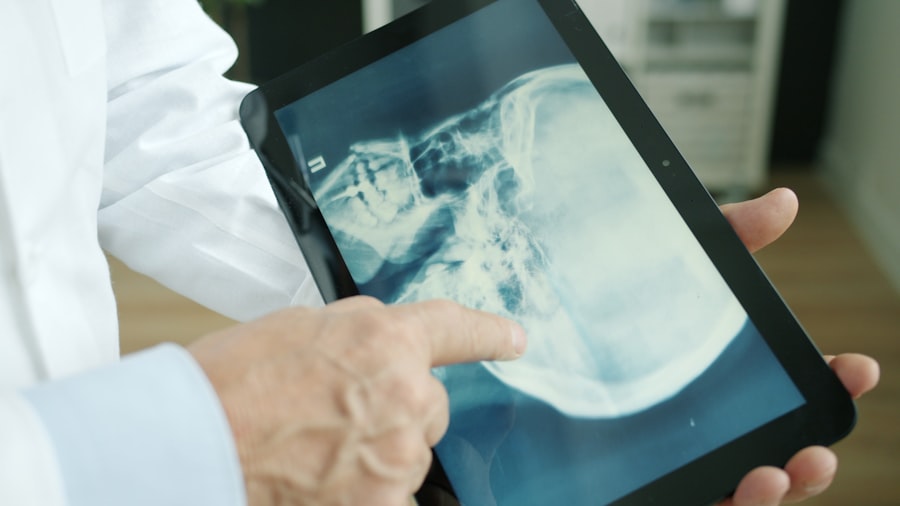
The involvement of nurses in clinical research extends beyond direct patient care, encompassing specialized roles that require advanced education and expertise.
Clinical Research Coordinator (CRC)
Many nurses transition into roles as Clinical Research Coordinators (CRCs), where they manage the day-to-day operations of clinical trials. This role demands a comprehensive understanding of research methodology, regulatory requirements, and patient management.
- Protocol Management: CRCs are experts in the study protocol, ensuring all team members understand and adhere to its intricacies.
- Regulatory Compliance: They navigate the complex landscape of regulatory requirements, submitting necessary documentation to institutional review boards (IRBs) and regulatory agencies.
- Site Management: CRCs oversee the operational aspects of the research site, including budget management, equipment calibration, and staff training.
Advanced Practice Registered Nurses (APRNs) in Research
APRNs, including Nurse Practitioners (NPs) and Clinical Nurse Specialists (CNSs), play increasingly prominent roles in clinical research, leveraging their advanced clinical knowledge and leadership skills.
- Sub-Investigator Roles: In some studies, APRNs serve as sub-investigators, taking on responsibilities typically associated with physicians, such as signing off on specific assessments or making treatment decisions within the protocol’s scope.
- Protocol Development: Their clinical expertise is invaluable in the development of new research protocols, ensuring feasibility and patient-centeredness. They are instrumental in shaping the very framework of a study.
- Mentorship and Education: APRNs often mentor less experienced research nurses and contribute to the education of other healthcare professionals on research best practices.
The Future Landscape: Innovation and Collaboration
| Metric | Value | Notes |
|---|---|---|
| Number of Nurses in Clinical Research (US) | Approximately 50,000 | Estimated number based on industry reports |
| Average Years of Experience | 7 years | Experience in clinical research nursing |
| Percentage with Certification (e.g., CCRC, CPHQ) | 35% | Certified Clinical Research Coordinators or similar |
| Primary Work Settings | Hospitals, Research Institutions, Pharmaceutical Companies | Common employers of clinical research nurses |
| Average Salary Range | 70,000 – 95,000 | Annual salary in USD |
| Key Responsibilities | Patient Care, Data Collection, Protocol Compliance | Core duties in clinical research nursing |
| Percentage Involved in Oncology Trials | 40% | Oncology is a major area of clinical research |
The field of clinical research is continuously evolving, and nurses will remain at the forefront of these advancements, adapting their roles to embrace new technologies and collaborative models.
Embracing Technology in Research
Technological advancements are transforming how clinical trials are conducted. Nurses will play a critical role in integrating these innovations into practice.
- Telehealth and Remote Monitoring: Nurses are increasingly involved in conducting virtual study visits and monitoring participants remotely using wearable devices and digital health platforms. They extend the reach of the clinic, bringing care to the patient’s home.
- Electronic Data Capture (EDC): Proficiency in electronic data capture systems is essential for research nurses, ensuring efficient and accurate data entry.
- Decentralized Clinical Trials (DCTs): The shift towards decentralized trials relies heavily on remote patient engagement and data collection, areas where nurses’ skills in communication and patient management are paramount.
Collaborative Research Teams
Clinical research is inherently a team effort. Nurses collaborate with a diverse range of professionals, contributing their unique perspective to multidisciplinary teams.
- Interdisciplinary Communication: Nurses effectively communicate with physicians, biostatisticians, data managers, pharmacists, and regulatory specialists, fostering a cohesive research environment.
- Patient-Centered Approach: Their patient-centered perspective ensures that the human element remains at the core of often highly technical research endeavors. They bring the voice of the patient to the research table.
- Bridging Clinical Practice and Research: Nurses are uniquely positioned to bridge the gap between clinical practice and research, translating insights from the bedside into research questions and implementing research findings back into patient care.
In conclusion, nurses are indispensable to clinical research. Their skills in direct patient care, meticulous data collection, ethical advocacy, and operational management form the backbone of successful clinical trials. As the research landscape continues to evolve, the multifaceted contributions of nurses will remain critical in driving scientific discovery and ultimately improving patient outcomes. Their presence transforms a complex scientific endeavor into a compassionate and human-centered process.
