

Clinical research is the bedrock of medical advancement. It is the systematic investigation of new treatments, diagnostic tools, and therapeutic strategies, ultimately aiming to improve human health. While often associated with physicians and scientists, nurses play an integral, multifaceted role in this process. Their involvement extends beyond direct patient care, acting as crucial liaisons between participants, research protocols, and the broader scientific community. This article explores the diverse landscape of nursing jobs within clinical research, highlighting their responsibilities, essential skills, and the impact they have on shaping the future of healthcare.
The Evolving Role of Nurses in Research
Historically, nurses’ involvement in medical research was often limited to observational data collection or assistance in specific procedures. However, the complexity of modern clinical trials and the increasing emphasis on patient-centered care have broadened their responsibilities significantly. Nurses are no longer passive observers; they are active participants in study design, ethical oversight, patient recruitment, and data management. Their clinical expertise and direct patient contact offer a unique perspective that enriches the research process.
Why Nurses Are Indispensable

Consider a clinical trial as a complex ecosystem. Physicians and scientists may be the architects, formulating the grand design. Yet, nurses are the cultivators, nurturing the participants and ensuring the delicate balance of the study is maintained. They are the frontline responders to participant needs, the vigilant guardians of protocol adherence, and the empathetic communicators who bridge the gap between scientific jargon and patient understanding. Without their specialized skills, the journey of a new drug or treatment from concept to reality would be considerably more arduous, if not impossible.
Key Responsibilities of Research Nurses
Research nurses, often known as Clinical Research Nurses (CRNs) or Clinical Research Coordinators (CRCs), carry a broad spectrum of responsibilities crucial to the success and integrity of clinical trials. These roles demand a blend of clinical acumen, organizational prowess, and adherence to regulatory guidelines.
Participant Recruitment and Enrollment

Recruiting eligible participants is the initial critical step for any clinical trial. Research nurses often spearhead this effort, working to identify potential candidates based on inclusion and exclusion criteria.
Screening and Eligibility Assessment
Nurses conduct initial screenings, reviewing medical records, performing physical assessments, and obtaining patient histories to determine if individuals meet the protocol’s specific requirements. This involves a meticulous review of patient data, ensuring that only appropriate candidates are considered. Errors at this stage can compromise the validity of the entire study.
Informed Consent Process
One of the most ethically sensitive aspects of clinical research is obtaining informed consent. Nurses play a pivotal role in explaining the study’s purpose, procedures, potential risks, and benefits to prospective participants in clear, understandable language. They ensure that participants comprehend their rights, including the right to withdraw at any time, and that their decision to participate is entirely voluntary and free from coercion. This process is not a mere formality but a cornerstone of ethical research.
Clinical Management and Monitoring
Once participants are enrolled, research nurses become their primary point of contact and play a central role in their clinical management throughout the study.
Administering Study Interventions
Depending on the trial, nurses may be responsible for administering investigational drugs, vaccines, or other interventions. This requires meticulous adherence to dosage, schedule, and administration methods outlined in the protocol, often involving specialized training for specific compounds or devices.
Adverse Event Monitoring and Reporting
Participants in clinical trials are closely monitored for any adverse events (AEs) or side effects. Research nurses are responsible for observing, documenting, and reporting these events promptly to the principal investigator and relevant regulatory bodies. Their clinical judgment is vital in distinguishing between expected side effects and serious adverse events requiring immediate intervention. This vigilant oversight is critical for participant safety and data integrity.
Data Collection and Documentation
Accurate and timely data collection is the lifeblood of clinical research. Nurses meticulously collect various data points, including vital signs, laboratory results, patient-reported outcomes, and assessment findings. This data is then recorded in case report forms (CRFs) or electronic data capture (EDC) systems, ensuring precision and completeness. GIGO – “garbage in, garbage out” – is a stark reality in research; reliable data underpins valid conclusions.
Protocol Adherence and Regulatory Compliance
Clinical trials are governed by strict protocols and regulatory frameworks designed to protect participants and ensure scientific rigor. Research nurses are steadfast guardians of these guidelines.
Adherence to Study Protocols
The study protocol is the blueprint for the entire trial. Nurses ensure that every aspect of the research is conducted exactly as prescribed, from participant visits and sample collection to intervention administration and data recording. Deviations, however minor, can compromise the study’s integrity and potentially invalidate the results.
Understanding GCP and Ethical Guidelines
Good Clinical Practice (GCP) is an international ethical and scientific quality standard for designing, conducting, recording, and reporting trials that involve human subjects. Research nurses must possess a thorough understanding of GCP principles, as well as institutional review board (IRB) or ethics committee requirements, to ensure all research activities are conducted ethically and legally. They are often the first line of defense against potential ethical lapses.
Essential Skills and Qualifications
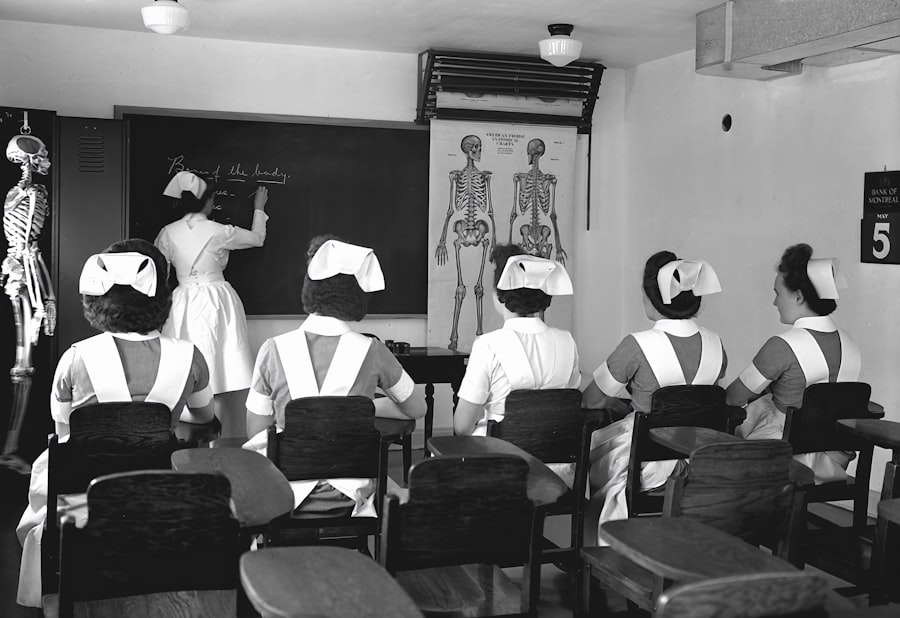
A successful career in clinical research nursing demands a unique blend of clinical expertise, scientific understanding, and interpersonal skills.
Clinical Foundations
A strong clinical background is the bedrock upon which all other research skills are built.
Registered Nurse (RN) Licensure
All clinical research nurses must hold an active Registered Nurse (RN) license. This ensures a foundational understanding of anatomy, physiology, pharmacology, and patient care principles. Without this core qualification, direct patient interaction within a research context would be untenable.
Clinical Experience
While not always explicitly required for entry-level positions, several years of clinical experience in various specialties (e.g., critical care, oncology, medical-surgical) can be highly beneficial. This practical experience hones assessment skills, develops critical thinking, and fosters an understanding of disease processes that is invaluable in recognizing subtle changes in research participants’ health.
Research-Specific Competencies
Beyond standard clinical skills, research nurses require specialized knowledge directly applicable to the research environment.
Knowledge of Research Methodology
Understanding the principles of research design, statistical concepts, and data interpretation allows nurses to contextualize their role within the broader scientific endeavor. While they may not be statisticians, comprehending the “why” behind data collection enhances the “how.”
Familiarity with Regulatory Frameworks
In-depth knowledge of regulatory guidelines, such as those from the FDA (U.S. Food and Drug Administration) or EMA (European Medicines Agency), and an understanding of IRB/ethics committee processes are critical. This ensures compliance and ethical conduct, protecting both participants and the institution.
Data Management and Informatics Skills
Proficiency in using electronic data capture (EDC) systems, clinical trial management systems (CTMS), and other research software is increasingly essential. Research nurses are often responsible for accurate data entry, query resolution, and maintaining electronic records.
Communication and Interpersonal Abilities
Effective communication is the lubricant that allows the gears of a clinical trial to turn smoothly.
Patient Education and Advocacy
Research nurses must be skilled communicators, capable of translating complex medical information into easily digestible language for participants. They act as advocates, ensuring participants’ questions are answered, concerns are addressed, and their best interests are always paramount.
Collaboration with Multidisciplinary Teams
Clinical research is a team sport. Nurses collaborate extensively with physicians, principal investigators, scientists, statisticians, pharmacists, and research administrators. Strong teamwork and interprofessional communication are essential for seamless trial execution.
Career Pathways and Specializations
The field of clinical research nursing offers diverse career trajectories, allowing nurses to specialize and advance their expertise.
Entry-Level Roles
For registered nurses looking to transition into research, entry-level positions provide foundational experience.
Clinical Research Coordinator (CRC)
Often the most common entry point, CRCs are responsible for the day-to-day coordination of clinical trials. This includes participant scheduling, data collection, regulatory documentation, and ensuring protocol adherence. While some CRCs may not have an RN background, many do, leveraging their clinical expertise.
Research Nurse Assistant
These roles may involve assisting CRCs with administrative tasks, scheduling, and basic data entry, providing an opportunity to learn the ropes of clinical research under direct supervision.
Advanced and Specialized Roles
With experience and further education, research nurses can pursue more senior and specialized positions.
Clinical Research Nurse (CRN) Specialist
CRN specialists often focus on a particular therapeutic area (e.g., oncology, cardiology, infectious diseases), becoming experts in the research protocols and patient populations within that field. Their in-depth knowledge allows them to manage more complex trials and provide nuanced patient care.
Lead Coordinator/Manager
These roles involve overseeing multiple studies or a team of research coordinators. Responsibilities include staff management, budget oversight, strategic planning, and ensuring institutional and regulatory compliance across a portfolio of trials.
Clinical Trials Educator
Some experienced research nurses transition into education, developing and delivering training programs for new research staff, or educating healthcare professionals about ongoing clinical trials and research best practices.
Regulatory Affairs Specialist
With a keen interest in legal and ethical frameworks, some research nurses move into roles focused specifically on ensuring trials meet all local, national, and international regulatory requirements, preparing submissions to regulatory bodies, and managing audits.
The Impact of Research Nurses on Healthcare
| Metric | Value | Details |
|---|---|---|
| Average Salary | 75,000 – 95,000 | Annual salary range for clinical research nurses in the US |
| Job Growth Rate | 12% | Projected growth rate for clinical research nursing jobs over 10 years |
| Common Employers | Hospitals, Research Institutions, Pharmaceutical Companies | Typical organizations hiring clinical research nurses |
| Required Education | BSN (Bachelor of Science in Nursing) | Minimum education requirement for most clinical research nursing roles |
| Certifications | CCRN, CCRC | Common certifications for clinical research nurses |
| Primary Responsibilities | Patient Monitoring, Data Collection, Protocol Compliance | Key duties performed by nurses in clinical research |
| Work Settings | Clinical Trials, Outpatient Clinics, Research Labs | Typical environments for clinical research nursing jobs |
The contributions of research nurses ripple through the entire healthcare landscape, profoundly impacting patient care and medical innovation.
Ensuring Patient Safety and Ethical Conduct
Research nurses are the ethical compass of clinical trials. Their direct interaction with participants allows them to identify potential safety concerns promptly, advocate for participant well-being, and ensure that all procedures adhere to the highest ethical standards. This vigilance is paramount in a field where novel treatments carry inherent uncertainties.
Driving Medical Advancement
By meticulously collecting data, adhering to protocols, and managing the day-to-day operations of trials, research nurses directly contribute to the generation of robust scientific evidence. This evidence forms the basis for new drug approvals, improved treatment guidelines, and advancements in medical practice that ultimately benefit countless patients. They are fundamental in translating laboratory discoveries into tangible health improvements.
Bridging the Gap Between Science and Practice
Nurses, by their very nature, are patient-centered. In research, they serve as crucial conduits, interpreting complex scientific protocols for participants and bridging the gap between theoretical research aims and practical patient experiences. They humanize the research process, ensuring that the patient’s voice and well-being remain at the forefront of scientific inquiry. Their ability to synthesize clinical observations with research objectives provides invaluable insights, acting as the eyes and ears of the research team at the bedside.
Conclusion
The role of nurses in clinical research is no longer ancillary; it is indispensable. From meticulously screening participants and ensuring informed consent to administering novel treatments and assiduously documenting adverse events, research nurses are crucial to the integrity and success of clinical trials. They are not merely data collectors; they are highly skilled professionals who embody the intersection of clinical expertise, scientific rigor, and patient advocacy. Their contributions safeguard patient well-being, uphold ethical standards, and accelerate the development of life-changing therapies. For the registered nurse seeking a dynamic and impactful career beyond traditional bedside care, clinical research offers a challenging yet profoundly rewarding path at the forefront of medical innovation.
