

Paid clinical trials are research studies conducted to evaluate the safety and efficacy of new drugs, medical devices, or treatment protocols. These trials are essential for advancing medical science and often involve human participants who volunteer to take part in the research. Participants may receive compensation for their time, travel, and any inconveniences associated with the trial.
The compensation can vary significantly depending on the nature of the study, its duration, and the level of commitment required from participants. Clinical trials are typically divided into phases, with each phase designed to answer specific research questions. Phase I trials focus on safety and dosage, Phase II trials assess efficacy and side effects, and Phase III trials compare the new treatment to standard therapies.

By participating in these trials, individuals not only contribute to the advancement of medical knowledge but also have the opportunity to access cutting-edge treatments that may not yet be available to the general public. This dual benefit of contributing to science while potentially receiving financial compensation makes paid clinical trials an attractive option for many.
Key Takeaways
- Paid clinical trials offer compensation for participating in medical research studies.
- Finding trials nearby involves searching online databases and contacting research centers.
- Benefits include financial compensation and contributing to medical advancements.
- Participants should consider potential risks and eligibility requirements before enrolling.
- The enrollment process typically involves screening, informed consent, and scheduled visits.
How to Find Paid Clinical Trials Near Me

Finding paid clinical trials in your vicinity can be a straightforward process if you know where to look. One of the most effective methods is to utilize online clinical trial registries and databases. Websites such as ClinicalTrials.gov provide a comprehensive listing of ongoing clinical trials across various locations and conditions.
By entering your zip code or city, you can filter results to find studies that are recruiting participants near you. Additionally, many universities and research institutions maintain their own databases of clinical trials, which can be accessed through their websites. Local hospitals and medical centers often conduct clinical trials as well.
It can be beneficial to contact the research departments of these institutions directly or check their websites for information on current studies. Furthermore, patient advocacy groups related to specific diseases or conditions may also have resources or listings of relevant clinical trials. Engaging with these organizations can provide insights into ongoing research efforts and help you connect with opportunities that align with your health status or interests.
Benefits of Participating in Paid Clinical Trials
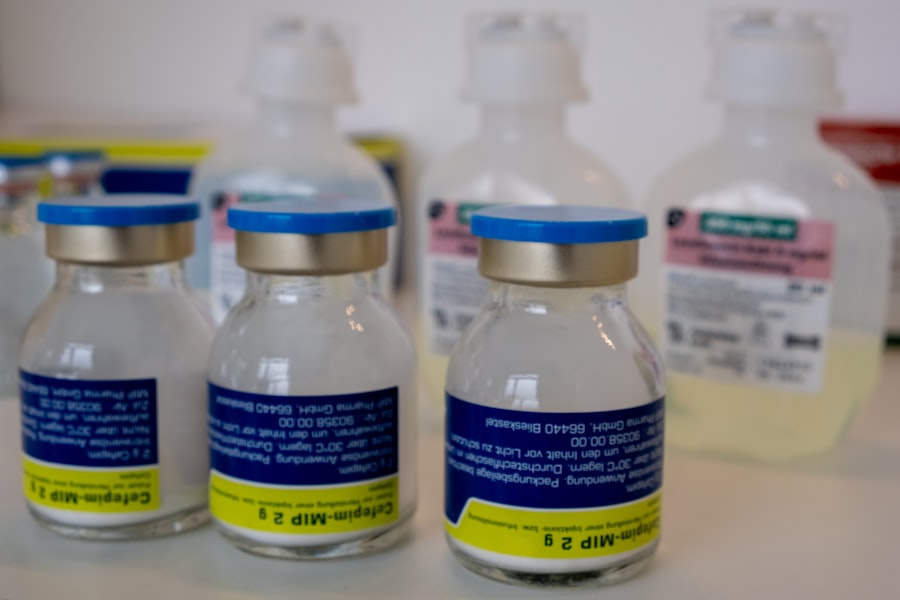
Participating in paid clinical trials offers numerous benefits beyond financial compensation. One significant advantage is the opportunity to access new treatments before they become widely available. For individuals with chronic conditions or those who have exhausted standard treatment options, being part of a clinical trial can provide access to innovative therapies that may improve their quality of life or even offer a potential cure.
Moreover, participants in clinical trials often receive comprehensive medical care throughout the study. This includes regular health assessments, monitoring by healthcare professionals, and access to cutting-edge diagnostic tools. Such close attention can lead to early detection of health issues that might otherwise go unnoticed.
Additionally, participants contribute to the advancement of medical knowledge, helping researchers understand diseases better and develop more effective treatments for future patients. This sense of purpose can be a powerful motivator for many individuals considering participation in a trial.
Risks and Considerations of Participating in Paid Clinical Trials
While there are many benefits to participating in paid clinical trials, it is essential to consider the potential risks involved. One primary concern is the possibility of experiencing adverse effects from experimental treatments. Since these therapies are often in the early stages of development, their safety profiles may not be fully established.
Participants may encounter side effects that range from mild discomfort to severe reactions, depending on the nature of the treatment being tested. Additionally, the commitment required for participation can be significant. Many clinical trials involve multiple visits to research sites, extensive testing, and adherence to strict protocols regarding medication intake and lifestyle changes.
This can be time-consuming and may interfere with daily life or work commitments. It is crucial for potential participants to weigh these factors carefully and discuss any concerns with their healthcare providers before enrolling in a trial.
Eligibility Criteria for Paid Clinical Trials
| Trial Name | Location | Condition Studied | Compensation | Duration | Contact Info |
|---|---|---|---|---|---|
| Heart Health Study | New York, NY | Cardiovascular Disease | Up to 1500 | 3 months | heartstudy@clinic.com |
| Diabetes Medication Trial | Chicago, IL | Type 2 Diabetes | Up to 1200 | 6 months | diabetestrial@health.org |
| Sleep Disorder Research | Los Angeles, CA | Insomnia | Up to 1000 | 1 month | sleepstudy@research.net |
| Allergy Treatment Study | Houston, TX | Seasonal Allergies | Up to 800 | 2 months | allergystudy@clinic.com |
| Arthritis Pain Relief Trial | Miami, FL | Osteoarthritis | Up to 1300 | 4 months | arthritistrial@health.org |
Eligibility criteria for paid clinical trials vary widely depending on the specific study and its objectives. Researchers establish these criteria to ensure that participants are suitable for the trial and that the results will be valid and applicable to the target population. Common eligibility factors include age, gender, medical history, current health status, and specific conditions or diseases being studied.
For instance, some trials may require participants to have a particular diagnosis or stage of a disease, while others may exclude individuals with certain comorbidities or those taking specific medications that could interfere with the study’s outcomes. Additionally, some studies may have age restrictions, requiring participants to fall within a certain age range. Understanding these criteria is crucial for potential participants, as failing to meet them can lead to disqualification from the trial.
How Much Money Can You Earn from Paid Clinical Trials?

The compensation for participating in paid clinical trials can vary significantly based on several factors, including the trial’s phase, duration, location, and complexity. Generally speaking, Phase I trials tend to offer higher compensation due to their intensive nature and the level of monitoring required for participants. Payments can range from a few hundred dollars for shorter studies to several thousand dollars for longer-term commitments.
For example, a Phase I trial that requires participants to stay at a research facility for several days may offer compensation upwards of $5,000 or more. In contrast, Phase II and III trials may provide lower compensation but still offer financial incentives ranging from $100 to $1,500 per visit or participation milestone. It is important for potential participants to inquire about compensation details during the screening process and understand how payments will be structured throughout the trial.
What to Expect During a Paid Clinical Trial
When participating in a paid clinical trial, individuals can expect a structured process that begins with an initial screening phase. During this phase, researchers will assess eligibility through interviews, medical history reviews, and various tests such as blood work or imaging studies. If accepted into the trial, participants will receive detailed information about what is expected of them throughout the study.
Once enrolled, participants will typically attend regular visits at designated research sites where they will undergo assessments related to their health status and response to the treatment being tested. These visits may include physical examinations, laboratory tests, and questionnaires about symptoms or side effects experienced during the trial. Participants should also expect ongoing communication with study coordinators who will provide updates and address any concerns that arise during the course of the trial.
How to Sign Up for Paid Clinical Trials Near Me
Signing up for paid clinical trials involves several steps that begin with identifying suitable studies based on your interests and eligibility criteria. After locating potential trials through online registries or local research institutions, interested individuals should reach out directly to the study coordinators listed in the trial information. This initial contact often involves filling out a pre-screening questionnaire that helps determine if you meet the eligibility requirements.
If you qualify for a trial, you will typically be invited for an in-person visit where further assessments will take place before final enrollment. During this visit, you will receive comprehensive information about the study’s purpose, procedures, potential risks, and benefits. It is crucial to ask questions and clarify any uncertainties before consenting to participate.
Once you agree to join the trial, you will sign an informed consent form outlining your rights as a participant and detailing what you can expect throughout your involvement in the study. In summary, paid clinical trials represent an important avenue for advancing medical research while providing participants with financial compensation and access to new treatments. By understanding how to find these opportunities and what they entail, individuals can make informed decisions about their participation in such studies.
