
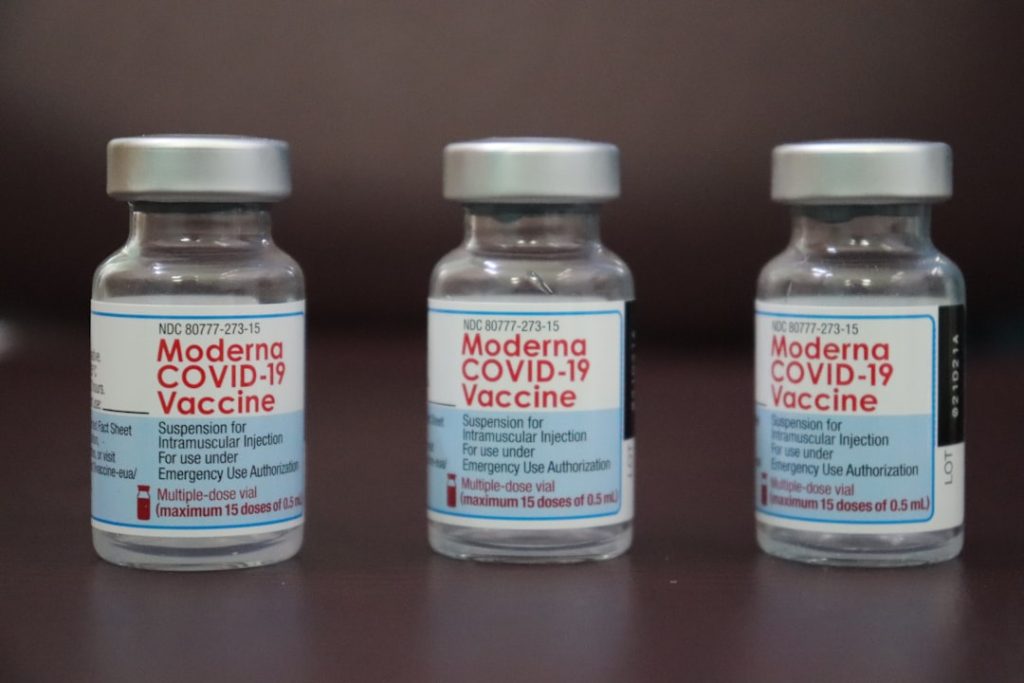
Paid vaccine trials are a critical component of medical research. They serve as the bridge between laboratory development and widespread public health initiatives. These trials involve volunteers who receive experimental vaccines under controlled conditions, allowing researchers to gather data on safety, efficacy, and immune responses. Participation is often compensated, acknowledging the time commitment and potential risks involved.
The Role of Clinical Trials
Clinical trials, in general, are structured research studies involving human participants. Their purpose is to evaluate new medical interventions, including vaccines, treatments, and diagnostic tools. Without robust clinical trial data, new medical products cannot receive regulatory approval and enter the market.
Phases of Vaccine Development

Vaccine development is a lengthy process, typically spanning several years and involving multiple phases:
- Preclinical Research: This initial stage involves laboratory and animal studies to assess a vaccine’s potential and safety before human trials begin.
- Phase 1 Trials: These small-scale trials (often 20-100 healthy volunteers) focus on evaluating the vaccine’s safety, identifying potential side effects, and determining appropriate dosages.
- Phase 2 Trials: Larger groups of volunteers (hundreds) participate in Phase 2 trials to further assess safety, immunogenicity (the ability to provoke an immune response), and preliminary efficacy.
- Phase 3 Trials: These extensive trials (thousands of participants) aim to confirm efficacy and monitor for rare side effects in a diverse population. This is the “gold standard” for determining if a vaccine works.
- Phase 4 Trials (Post-Marketing Surveillance): After a vaccine is approved and licensed, ongoing monitoring occurs to detect any long-term or rare adverse events that may not have been apparent in earlier phases.
Why Participate in Vaccine Trials?
Participating in a paid vaccine trial offers several contributions to both personal and societal well-being. Your involvement is a direct catalyst for scientific progress.
Contributing to Public Health

Every new vaccine that protects against infectious diseases has, at various points, relied on the participation of volunteers. When you join a vaccine trial, you are contributing to the collective defense against a pathogen. You become a data point in a larger mosaic, helping to build a comprehensive picture of a vaccine’s performance. Consider your participation as a brick in the foundation of future public health.
Access to New Medical Interventions
Participants in vaccine trials may gain early access to cutting-edge medical interventions that are not yet available to the general public. While this is not the primary incentive, it can be a factor for individuals seeking new solutions for specific health concerns (e.g., a vaccine for a disease for which no current vaccine exists). This access comes with the inherent understanding that the intervention is experimental and its full effects are still under investigation.
Financial Compensation
Recognizing the commitment of time, effort, and occasional discomfort, most paid vaccine trials offer financial compensation. This compensation varies significantly based on the trial’s duration, complexity, number of visits, and the perceived risks involved. It is designed to offset lost wages, travel expenses, and inconvenience. It is important to view this as a recognition of your contribution, rather than a salary for a full-time position.
Finding Paid Vaccine Trials Near You
The process of locating and enrolling in paid vaccine trials typically involves several avenues. Proximity to a research center is a practical consideration.
Online Research Databases
Numerous online platforms serve as central hubs for clinical trial listings. These databases allow you to filter by location, condition, and status.
- ClinicalTrials.gov: This is a comprehensive database maintained by the U.S. National Library of Medicine. It lists publicly and privately funded clinical studies conducted around the world. You can search by keywords like “vaccine,” “clinical trials near me,” or specific disease names.
- CenterWatch.com: This site offers a searchable database of clinical trials and provides information for patients seeking to participate. It often includes trials beyond those listed on government sites.
- Research Study Websites: Many pharmaceutical companies and academic research institutions maintain their own websites detailing ongoing trials. A direct search for “clinical trials [your city/state]” or “vaccine research [university name]” may yield relevant results.
Local Research Institutions and Hospitals
Major medical centers, university hospitals, and dedicated research facilities frequently conduct clinical trials.
- University Medical Centers: Institutions with strong research arms, such as those affiliated with large universities, are often at the forefront of vaccine development. Their cardiology, infectious disease, or immunology departments may be involved.
- Private Clinical Research Organizations (CROs): These organizations specialize in conducting clinical trials on behalf of pharmaceutical companies. They often have multiple locations and recruit participants for a wide range of studies.
- Local Health Departments: While less common for direct recruitment, local health departments may be aware of or collaborate on vaccine-related public health studies that require volunteers.
Physician Referrals
Your primary care physician or a specialist doctor may be aware of ongoing clinical trials that are relevant to your health profile or interests. They can provide initial guidance and potentially connect you with research coordinators. This is particularly true if you have a pre-existing condition for which a new vaccine is being developed.
The Enrollment Process for Vaccine Trials
Once you’ve identified a potential trial, the enrollment process involves several distinct steps designed to ensure participant safety and informed consent.
Initial Screening and Questionnaire
The first step typically involves an initial screening, often conducted over the phone or through an online questionnaire. This preliminary assessment evaluates basic eligibility criteria, such as age, general health status, medical history, and any exclusionary conditions (e.g., pregnancy, severe allergies, certain chronic illnesses). This serves as a coarse filter to determine if you are a suitable candidate for further consideration.
Informed Consent Process
If you pass the initial screening, you will be invited for an in-person visit where the informed consent process takes place. This is a crucial ethical and legal requirement. A research coordinator or physician will explain the trial in detail, covering:
- Purpose of the study: What the researchers hope to achieve.
- Procedures: A step-by-step explanation of what will happen during the trial, including vaccine administration, blood draws, physical exams, and follow-up visits.
- Potential risks and benefits: A thorough discussion of known and theoretical risks (e.g., injection site reactions, fever, more severe adverse events) and potential benefits (e.g., early access to a vaccine, contribution to science).
- Alternatives: What other options are available (e.g., not participating, existing treatments if applicable).
- Confidentiality: How your personal health information will be protected.
- Voluntary participation: Emphasizing that you can withdraw from the study at any time without penalty.
You will have ample opportunity to ask questions, and a written informed consent form will be provided for you to read and sign. Do not hesitate to ask for clarification on any aspect you do not understand. Think of this as navigating a complex map; you need to understand every landmark before you begin your journey.
Medical Examination and Eligibility Confirmation
Following informed consent, a comprehensive medical examination will be conducted. This may include:
- Physical examination: A general health check.
- Blood tests: To assess various health markers, immune status, or rule out pre-existing conditions.
- Urine tests: To check for certain conditions or rule out pregnancy.
- Other diagnostic tests: Depending on the vaccine and trial design, this could include electrocardiograms (ECGs) or specific screenings.
These assessments are critical to confirm that you meet all the inclusion criteria and do not have any exclusion criteria that would compromise your safety or the integrity of the trial data. This is akin to a fine-toothed comb, sifting out any potential issues.
Considerations Before Participating
Participation in a vaccine trial is a significant decision. You should approach it with careful consideration of the time commitment, potential health implications, and ethical frameworks governing research.
Time Commitment and Schedule
Vaccine trials often require multiple visits to the research site over an extended period. This can range from a few visits over weeks to more frequent visits spread out over months or even years.
- Follow-up Appointments: These are essential for monitoring your health, collecting samples, and assessing the vaccine’s effects over time.
- Travel: Consider the distance to the research site and the time required for travel to and from appointments.
- Impact on Daily Life: Evaluate how the trial schedule might integrate with your work, family, and personal commitments. Consistent adherence to the schedule is paramount for data integrity.
Potential Side Effects and Risks
While vaccine trials are carefully designed to prioritize participant safety, all medical interventions carry some level of risk.
- Common Side Effects: These are typically mild and temporary, similar to those experienced with licensed vaccines (e.g., pain, redness, or swelling at the injection site; low-grade fever; fatigue; headache).
- Serious Adverse Events: Though rare, serious adverse events can occur. Research teams are trained to identify and manage these. The informed consent process will detail potential serious risks.
- Placebo Group: Many trials include a placebo group, where participants receive an inactive substance instead of the experimental vaccine. You may not know if you received the vaccine or the placebo until the end of the trial (or sometimes earlier if deemed ethically necessary). This is a blind component, ensuring unbiased data collection.
Ethical Considerations and Participant Rights
Clinical trials are governed by strict ethical guidelines and regulatory oversight to protect participants.
- Institutional Review Boards (IRBs) / Ethics Committees: Independent committees review and approve all research protocols to ensure participant safety, ethical conduct, and scientific merit.
- Right to Withdraw: You have the absolute right to withdraw from a trial at any time, for any reason, without penalty or loss of benefits to which you are otherwise entitled.
- Confidentiality: Your personal health information will be kept confidential and used only for research purposes, as outlined in the informed consent document.
Your participation in paid vaccine trials is a substantive contribution to medical science and public health. Approach it with diligence, informed consent, and a clear understanding of the commitment involved.
