

Clinical trials are research studies conducted with human volunteers to evaluate new medical treatments, interventions, or devices. These studies are essential for advancing medical knowledge and improving healthcare. Participation in clinical trials can offer several benefits, including access to cutting-edge treatments that are not yet widely available, close medical monitoring, and compensation for time and effort. This article provides an overview of clinical trials, how to locate them, and factors to consider before participating, particularly for individuals seeking financial remuneration.
Clinical trials are systematically designed and executed studies that follow a strict protocol to ensure scientific rigor and participant safety. They are the final stage in a long and arduous process of developing new medical interventions, often spanning years of laboratory research and animal testing.
Phases of Clinical Trials

Clinical trials typically progress through four distinct phases, each with specific objectives:
- Phase 1: These are small studies, usually involving 20-100 healthy volunteers or individuals with the target condition. The primary goal is to assess the safety of a new drug or treatment, determine a safe dosage range, and identify common side effects. This phase is like a reconnaissance mission, mapping the initial landscape of a new therapy.
- Phase 2: Larger than Phase 1, these studies recruit hundreds of participants, often those with the disease or condition the drug aims to treat. The focus shifts to evaluating the effectiveness of the treatment and further assessing its safety. Researchers are now observing whether the drug has a tangible impact, akin to testing a new tool’s functionality in a controlled environment.
- Phase 3: These extensive trials involve hundreds to thousands of participants and are designed to confirm the treatment’s effectiveness, monitor side effects, compare it to standard treatments, and collect information that will allow the drug or treatment to be used safely. Successful completion of Phase 3 is typically required for regulatory approval (e.g., by the FDA in the United States). This phase is a large-scale demonstration, an acid test of the treatment’s real-world viability.
- Phase 4: Conducted after a drug or treatment has been approved and is on the market, these studies continue to monitor its long-term effects, optimal use, and track any rare side effects not detected in earlier phases. This ongoing surveillance is like the continuous maintenance check on a well-used machine.
Types of Clinical Trials
Clinical trials encompass a broad spectrum of research designs, targeting various medical needs:
- Treatment Trials: These studies test new treatments, such as new drugs, experimental surgeries, or novel approaches to psychotherapy.
- Prevention Trials: The aim here is to find better ways to prevent diseases in healthy people. This might involve vaccines, medications, vitamins, minerals, or lifestyle changes.
- Diagnostic Trials: These studies evaluate new tests or procedures for diagnosing diseases and conditions.
- Screening Trials: The objective is to find the best ways to detect certain diseases or health conditions early in people who have no symptoms.
- Quality of Life Trials (or Supportive Care Trials): These trials explore ways to improve the comfort and quality of life for people with chronic illnesses.
Locating Clinical Trials Near You

Identifying suitable clinical trials requires a systematic approach. Several resources are available to help individuals find studies that match their health profile and geographical location.
Online Databases and Registries
The internet provides a wealth of information regarding ongoing clinical trials. Key resources include:
- ClinicalTrials.gov: This is a comprehensive database maintained by the U.S. National Library of Medicine, providing information on publicly and privately supported clinical studies conducted around the world. It is an invaluable starting point, akin to a global library for clinical research. You can search by condition, intervention, location, and recruitment status.
- World Health Organization (WHO) International Clinical Trials Registry Platform (ICTRP): This portal provides access to a network of clinical trial registries worldwide, offering a broader international scope.
- CenterWatch: This is a commercial website that lists clinical trials and offers information about medical research. It also provides email alerts for new trials in specific areas.
- EudraCT (European Clinical Trials Database): For those in Europe, EudraCT is the European database for clinical trials containing details of all interventional clinical trials of medicinal products authorized in the European Union.
Healthcare Providers
Your primary care physician or specialists familiar with your medical history can be excellent resources for finding relevant clinical trials. They are often aware of ongoing studies conducted by local research institutions or within their professional networks. Consider your doctor a personalized compass guiding you to appropriate research opportunities.
Academic Medical Centers and Research Institutions
Major universities, medical schools, and research hospitals are hubs for clinical research. Their websites often list ongoing studies and provide contact information for research coordinators. These institutions are like powerhouses of medical innovation, constantly seeking participants for their cutting-edge projects.
Financial Compensation and Considerations
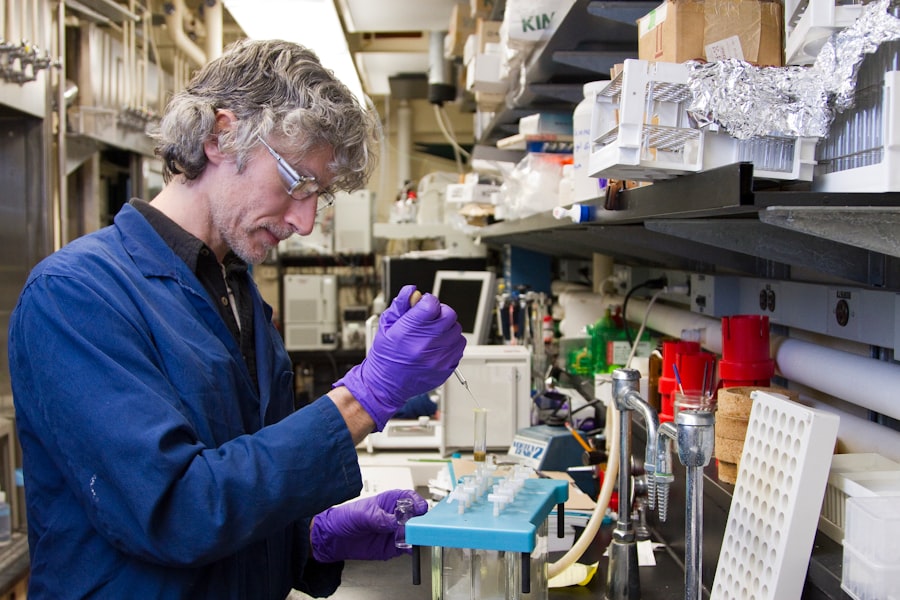
Participation in clinical trials often includes financial compensation. This compensation is not a payment for undergoing a medical procedure, but rather a reimbursement for your time, effort, travel expenses, and any inconvenience associated with your participation.
Understanding Compensation Structures
The amount and structure of compensation vary significantly between trials and institutions.
- Stipends per Visit: Some trials offer a fixed amount for each visit to the research site. This is common for studies requiring multiple follow-up appointments.
- Completion Bonuses: A lump sum payment may be provided upon successful completion of the entire study. This acts as an incentive to remain engaged throughout the trial’s duration.
- Travel Reimbursement: If a trial requires significant travel, researchers may cover transportation costs or provide a per diem.
- Pro-rata Payments: In some longer trials, compensation might be paid in installments linked to the completion of specific stages of the study. This ensures participants receive remuneration even if they withdraw before the trial’s conclusion, though a pro-rata payment based on the time completed may apply.
The compensation level is usually proportional to the time commitment, complexity of procedures, and any discomfort or inconvenience involved. A Phase 1 healthy volunteer study involving an overnight stay and multiple blood draws might offer more compensation than a Phase 4 study requiring only questionnaire completion.
Factors Affecting Compensation
Several elements influence the level of financial remuneration:
- Invasiveness of Procedures: Trials involving procedures like biopsies, lumbar punctures, or frequent blood draws typically offer higher compensation due to the increased discomfort and potential risks.
- Time Commitment: Studies requiring frequent visits, long appointments, or overnight stays will generally have higher compensation rates.
- Length of Study: Longer studies often translate to higher overall compensation, though the per-hour rate might sometimes be lower than short, intensive studies.
- Study Phase: Phase 1 trials, particularly those with healthy volunteers, often offer substantial compensation due to their exploratory nature and the intensive monitoring required.
- Type of Participants: Studies seeking individuals with rare diseases or very specific health profiles might offer higher compensation to incentivize participation, as recruitment can be challenging.
Tax Implications of Compensation
It is crucial to understand that compensation received from clinical trials may be considered taxable income. In the United States, if you receive more than a certain amount (e.g., $600 from a single payer in a calendar year), the research institution or pharmaceutical company is likely to report this income to the IRS using Form 1099-MISC. You are responsible for reporting this income on your tax return. It’s advisable to consult with a tax professional to understand your obligations.
Risks and Benefits of Participation
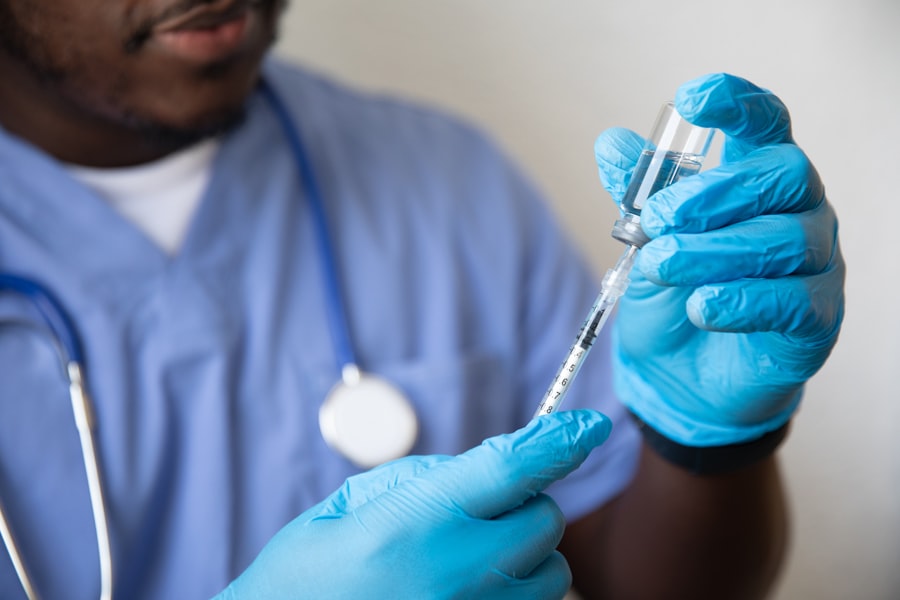
Deciding to participate in a clinical trial is a significant personal decision that requires careful consideration of both potential benefits and risks. Think of it as assessing a double-edged sword: there are advantages to be gained, but also inherent dangers to be mindful of.
Potential Benefits
- Access to New Treatments: You may gain access to investigational treatments before they are widely available. This is particularly appealing for individuals with conditions for which current treatments are ineffective or unavailable.
- Close Medical Monitoring: Clinical trial participants often receive extensive and high-quality medical attention and monitoring from research teams, including regular physical exams, diagnostic tests, and consultations. This can be more intensive than routine medical care.
- Contribution to Medical Science: Your participation helps advance medical knowledge and can lead to new discoveries that benefit future generations. You become a small, yet vital, cog in the grand machinery of scientific progress.
- Expert Medical Care: You will be under the care of medical experts specializing in your condition.
- Financial Compensation: As discussed, compensation can help offset expenses and provide an income stream.
Potential Risks
- Adverse Side Effects: New treatments may have unknown or unexpected side effects, some of which could be serious or life-threatening. The treatment you receive might not be effective for your condition, or it could even worsen it.
- Placebo Effect: In some blinded trials, you may receive a placebo instead of the active treatment. This means you might not receive any active medication for your condition during the trial period.
- Time Commitment: Clinical trials often require a significant time commitment for visits, tests, and follow-up. This can interfere with work, family, or other personal obligations.
- Inconvenience: Procedures can be uncomfortable, and the overall experience may involve some level of inconvenience.
- Privacy Concerns: While steps are taken to protect your data, there is always a degree of information sharing involved in clinical research.
- Unknown Effectiveness: The experimental treatment may not be as effective as standard treatments, or it might not work for you at all.
Informed Consent and Ethical Considerations
| Clinical Trial Location | Trial Phase | Compensation Range | Duration | Eligibility Criteria | Contact Information |
|---|---|---|---|---|---|
| City Medical Research Center | Phase 1 | 500 – 1500 | 1-2 weeks | 18-45 years, healthy, non-smoker | 555-123-4567 |
| Downtown Clinical Trials | Phase 2 | 1000 – 3000 | 4-6 weeks | 18-65 years, diagnosed with condition X | 555-987-6543 |
| University Hospital Research | Phase 3 | 2000 – 5000 | 3-6 months | 21-70 years, condition Y, no other major illnesses | 555-456-7890 |
| Suburban Health Clinic | Phase 1 | 400 – 1200 | 1 week | 18-40 years, healthy, no medication | 555-321-4321 |
| Regional Medical Center | Phase 2 | 1500 – 3500 | 2-3 months | 18-60 years, diagnosed with condition Z | 555-654-3210 |
Before participating in any clinical trial, you will undergo an informed consent process. This is a fundamental ethical principle in medical research.
The Informed Consent Process
Informed consent is not merely signing a document; it is an ongoing dialogue between the research team and the potential participant.
- Comprehensive Information: The research team will provide you with a detailed document (the informed consent form) that explains all aspects of the trial, including its purpose, procedures, potential risks, expected benefits, alternatives to participation, your rights as a participant, and contact information for questions.
- Opportunity to Ask Questions: You will have ample opportunity to ask questions and seek clarification. Do not hesitate to probe deeply, as if you were interviewing the research team for a job that involves your health.
- Voluntary Participation: Participation is entirely voluntary. You have the right to refuse to participate or to withdraw from the trial at any time, for any reason, without penalty or loss of benefits to which you are otherwise entitled.
- Understanding the Commitment: The research team must ensure you understand the commitment, including the schedule of visits, necessary procedures, and any dietary or lifestyle restrictions.
Ethical Oversight
Clinical trials are subject to strict ethical oversight to protect the rights and well-being of participants.
- Institutional Review Boards (IRBs) / Ethics Committees: Before a trial can begin, its protocol must be reviewed and approved by an independent committee (an IRB in the U.S., or an Ethics Committee elsewhere). This committee comprises medical professionals, researchers, and community members who assess the study’s scientific merit, ethical considerations, and participant safety. They act as guardians of ethical research, ensuring participant welfare is paramount.
- Data Monitoring Committees (DMCs): For some larger or higher-risk trials, DMCs are established to periodically review cumulative trial data and make recommendations about continuing, modifying, or terminating the study based on safety and efficacy findings.
Preparing for Participation
Once you have identified potential trials and considered the risks and benefits, some practical steps can help you prepare for participation.
Health Screening and Eligibility
- Initial Screening: Most trials begin with a preliminary screening process, often a phone call or online questionnaire, to determine if you meet basic eligibility criteria (age, gender, general health status, medical history).
- Medical Examination: If you pass the initial screening, you will likely undergo a more thorough medical examination, including various tests (blood work, urinalysis, ECG, etc.) to confirm your eligibility and baseline health. This ensures the study includes appropriate participants and that researchers have a clear starting point for monitoring any changes during the trial.
Questions to Ask the Research Team
Before committing to a trial, prepare a list of questions to ask the research team. This is your opportunity to gather all necessary information, leaving no stone unturned.
- What is the purpose of this study?
- What are the potential risks and side effects of the treatment?
- What are the potential benefits of participating?
- What will happen during the study? What tests and procedures will I undergo?
- How long will the study last, and how many visits are required?
- What is the time commitment for each visit?
- Will I receive a placebo?
- What are my responsibilities as a participant?
- What are the costs, if any, associated with participation?
- What compensation will I receive, and how will it be paid?
- Who will have access to my medical information?
- What happens if I decide to withdraw from the study?
- What are the alternative treatments for my condition?
- Whom should I contact if I have questions or experience problems during the study?
- What happens after the study ends? Will I have continued access to the experimental treatment if it is beneficial?
By approaching participation in clinical trials with a clear understanding of the process, ethical considerations, and potential outcomes, individuals can make informed decisions that align with their personal health goals and financial needs.
