

Remote data acquisition has emerged as a pivotal component in the landscape of clinical trials, particularly in the wake of the COVID-19 pandemic, which necessitated a shift towards more flexible and decentralized methodologies. This approach allows researchers to gather data from participants in real-time, regardless of their geographical location. By leveraging technology, clinical trials can now reach a broader demographic, ensuring that diverse populations are represented in research studies.
This inclusivity is crucial for the generalizability of trial results, as it allows for a more comprehensive understanding of how different populations respond to treatments. Moreover, remote data acquisition enhances participant engagement and retention. Traditional clinical trials often require participants to travel to specific sites for assessments, which can be burdensome and time-consuming.

By utilizing remote monitoring tools, such as wearable devices and mobile applications, researchers can collect vital health data without imposing significant logistical challenges on participants. This convenience not only improves adherence to study protocols but also fosters a sense of ownership among participants, as they can actively contribute to the research process from the comfort of their homes.
Key Takeaways
- Remote data acquisition enhances patient participation and data accuracy in clinical trials.
- Digital health technologies offer real-time monitoring and improved data collection efficiency.
- Challenges include data privacy concerns, technical issues, and regulatory compliance.
- Successful implementation requires integration with existing systems and stakeholder training.
- Future trends focus on AI, wearable devices, and expanded regulatory frameworks to support innovation.
Advantages of Digital Health Technology in Clinical Trials

Digital health technology offers numerous advantages that significantly enhance the efficiency and effectiveness of clinical trials. One of the most notable benefits is the ability to collect large volumes of data quickly and accurately. With the integration of electronic health records (EHRs), mobile health applications, and wearable devices, researchers can gather continuous data streams that provide insights into patient health metrics over time.
This real-time data collection enables more dynamic analysis and can lead to quicker decision-making regarding treatment efficacy and safety. Additionally, digital health technologies facilitate improved patient monitoring and personalized treatment approaches. For instance, wearable devices can track vital signs such as heart rate, blood pressure, and activity levels, allowing researchers to tailor interventions based on individual responses.
This level of personalization not only enhances the quality of care but also contributes to more robust data sets that can reveal nuanced patterns in treatment outcomes. Furthermore, the use of telehealth platforms allows for remote consultations between participants and healthcare providers, ensuring that any concerns or side effects can be addressed promptly.
Challenges and Limitations of Remote Data Acquisition
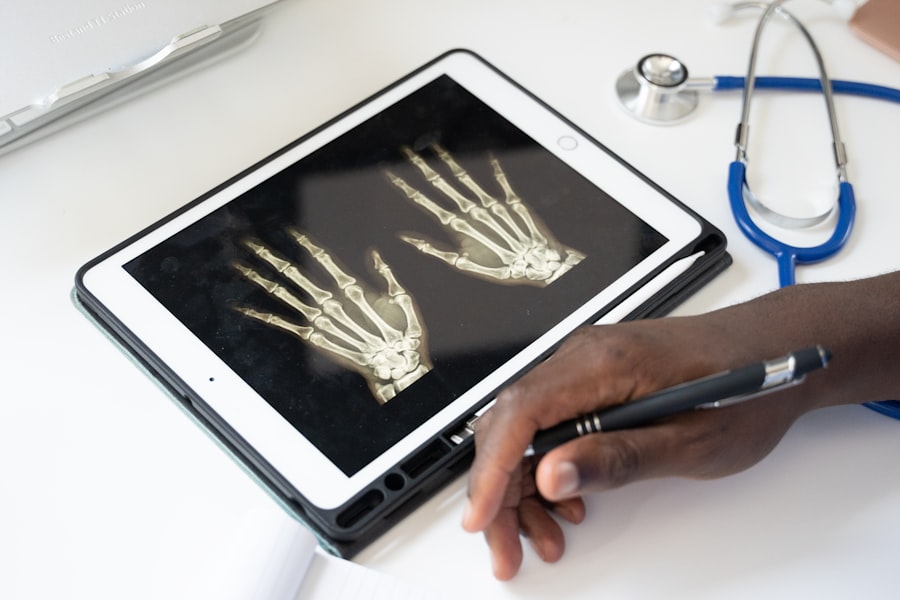
Despite its many advantages, remote data acquisition in clinical trials is not without its challenges and limitations. One significant concern is the issue of data privacy and security. The collection and transmission of sensitive health information through digital platforms raise questions about how this data is stored, accessed, and protected from unauthorized use.
Regulatory frameworks must evolve to address these concerns adequately, ensuring that participant confidentiality is maintained while still allowing for innovative data collection methods. Another challenge lies in the technological divide that exists among potential trial participants. While digital health technologies have become increasingly prevalent, not all individuals have equal access to the necessary devices or reliable internet connections.
This disparity can lead to underrepresentation of certain demographics, particularly among older adults or those from lower socioeconomic backgrounds who may be less familiar with technology. Consequently, researchers must consider strategies to bridge this gap, such as providing training or resources to help participants engage with digital tools effectively.
Implementation of Digital Health Tech in Clinical Trials
The successful implementation of digital health technology in clinical trials requires careful planning and consideration of various factors. First and foremost, researchers must select appropriate technologies that align with the specific goals and requirements of their studies. This involves evaluating different platforms for data collection, patient engagement, and remote monitoring to determine which solutions will best meet their needs.
For example, a trial focused on chronic disease management may benefit from wearable devices that monitor physiological parameters continuously, while a study on mental health may prioritize telehealth platforms for virtual therapy sessions. Moreover, stakeholder engagement is crucial during the implementation phase. Researchers must collaborate with healthcare providers, technology developers, and regulatory bodies to ensure that all parties are aligned on objectives and expectations.
Training sessions for both participants and staff are essential to facilitate smooth adoption of new technologies. By providing comprehensive support and resources, researchers can enhance user experience and minimize potential barriers to participation.
Remote Monitoring and Data Collection in Clinical Trials
| Metric | Description | Example Technologies | Impact on Clinical Investigations |
|---|---|---|---|
| Data Acquisition Frequency | How often data is collected remotely from patients | Wearable sensors, Mobile apps | Enables continuous monitoring and real-time data capture |
| Data Accuracy | Precision and reliability of remotely collected data | Smart biosensors, Digital spirometers | Improves validity of clinical endpoints and reduces errors |
| Patient Compliance Rate | Percentage of patients adhering to remote data collection protocols | Mobile reminders, Interactive apps | Enhances data completeness and study retention |
| Data Transmission Latency | Time delay between data capture and availability for analysis | Cloud platforms, IoT connectivity | Supports near real-time decision making and monitoring |
| Data Security & Privacy | Measures to protect patient data during remote acquisition | Encryption, HIPAA-compliant platforms | Ensures regulatory compliance and patient trust |
| Integration Capability | Ability to integrate remote data with clinical trial management systems | APIs, Data standards (FHIR, CDISC) | Facilitates streamlined data analysis and reporting |
| Cost Efficiency | Reduction in costs related to data collection and site visits | Remote monitoring devices, Telehealth platforms | Decreases overall trial expenses and resource use |
Remote monitoring and data collection have revolutionized how clinical trials are conducted by enabling continuous observation of participants’ health status outside traditional clinical settings. This shift allows for a more holistic view of patient experiences and treatment effects over time. For instance, remote monitoring can capture fluctuations in symptoms or side effects that may not be evident during scheduled visits to trial sites.
Such insights are invaluable for understanding the real-world implications of treatments. The integration of mobile applications into remote monitoring strategies further enhances data collection capabilities. These applications can prompt participants to report symptoms or complete assessments at regular intervals, ensuring that data is collected consistently throughout the trial duration.
Additionally, many applications offer features such as reminders for medication adherence or educational resources about the study, which can improve participant engagement and retention rates. The ability to collect data in real-time also allows researchers to make timely adjustments to study protocols if necessary, ultimately leading to more robust findings.
Regulatory Considerations for Remote Data Acquisition in Clinical Trials

As remote data acquisition becomes more prevalent in clinical trials, regulatory considerations must be addressed to ensure compliance with established guidelines and standards. Regulatory agencies such as the U.S. Food and Drug Administration (FDA) have begun to provide guidance on the use of digital health technologies in clinical research.
These guidelines emphasize the importance of maintaining data integrity, ensuring participant safety, and adhering to ethical standards throughout the research process. One critical aspect of regulatory compliance involves obtaining informed consent from participants regarding the use of their data. Researchers must clearly communicate how data will be collected, stored, and utilized while ensuring that participants understand their rights concerning privacy and confidentiality.
Additionally, researchers must navigate the complexities of international regulations when conducting global trials that involve participants from multiple countries with varying legal frameworks regarding data protection.
Future Trends and Innovations in Digital Health Tech for Clinical Trials
The future of digital health technology in clinical trials is poised for significant advancements driven by ongoing innovations in artificial intelligence (AI), machine learning (ML), and big data analytics. These technologies have the potential to transform how data is analyzed and interpreted, enabling researchers to uncover patterns and correlations that were previously difficult to identify. For example, AI algorithms can analyze vast datasets from wearable devices to predict adverse events or treatment responses based on individual patient profiles.
Moreover, the integration of virtual reality (VR) and augmented reality (AR) into clinical trials presents exciting possibilities for enhancing participant engagement and education. These immersive technologies can be used for training participants on study protocols or simulating treatment experiences, thereby improving understanding and adherence. As these technologies continue to evolve, they will likely play an increasingly prominent role in shaping the future landscape of clinical research.
Case Studies and Success Stories of Remote Data Acquisition in Clinical Trials
Several case studies illustrate the successful application of remote data acquisition in clinical trials across various therapeutic areas. One notable example is a large-scale trial investigating a new treatment for diabetes that utilized wearable glucose monitors to collect real-time data on participants’ blood sugar levels. By employing remote monitoring techniques, researchers were able to gather comprehensive insights into how different factors influenced glycemic control over time.
The findings not only demonstrated the treatment’s efficacy but also highlighted the importance of personalized approaches in diabetes management. Another success story comes from a mental health trial that implemented telehealth services for therapy sessions alongside remote symptom tracking through a mobile application. Participants reported high levels of satisfaction with the convenience of accessing care from home while also benefiting from continuous symptom monitoring.
This approach not only improved participant retention rates but also provided valuable data on treatment outcomes in real-world settings. These case studies exemplify how remote data acquisition can enhance clinical trial design and execution while ultimately contributing to more effective treatments and improved patient outcomes across diverse medical fields. As technology continues to advance, it is likely that more innovative approaches will emerge, further solidifying the role of digital health technology in clinical research.
