

The Research Medical Center Emergency Department (ED) serves as a critical access point for acute medical conditions and injuries in the Kansas City metropolitan area. This article provides an overview of its operational structure, scope of services, and patient care philosophies, adhering to a factual and objective presentation.
The Research Medical Center ED is located within the main hospital campus, designed to manage a high volume of diverse medical emergencies. The physical layout prioritizes patient flow and efficient resource allocation.
Layout and Capacity

The ED comprises multiple distinct zones, each tailored to specific patient needs. These zones include:
- Triage Area: This initial point of contact assesses patient acuity and directs them to appropriate care pathways. Registered nurses conduct preliminary evaluations to determine the urgency of each case.
- Acute Care Bays: Equipped for managing critical and unstable patients, these bays feature advanced monitoring equipment and immediate access to resuscitative tools. Staffing ratios in these areas are typically higher to ensure constant patient observation and intervention.
- Minor Care/Fast Track: Designed for patients with less severe illnesses or injuries, this zone aims to expedite treatment and discharge, thereby reducing wait times and optimizing resource utilization in the more acute areas.
- Trauma Bays: Dedicated to the immediate stabilization and treatment of major trauma patients, these bays are stocked with specialized equipment for airway management, hemorrhage control, and diagnostic imaging.
- Observation Unit: This unit provides extended monitoring and diagnostic evaluation for patients who do not require immediate hospitalization but are not yet stable enough for discharge. This practice can prevent unnecessary hospital admissions and ensure thorough assessment.
The department’s capacity is regularly evaluated and adjusted based on patient volume trends and seasonal fluctuations. This dynamic approach to capacity management is crucial for maintaining operational efficiency and reducing overcrowding.
Technology and Equipment

The ED integrates contemporary medical technology to support diagnostic, therapeutic, and monitoring functions.
- Diagnostic Imaging: On-site access to X-ray, CT scanning, and ultrasound facilities allows for rapid diagnostic evaluation. This immediate availability reduces delays in diagnosis and subsequent treatment.
- Laboratory Services: A STAT laboratory within the ED provides rapid turnaround times for critical blood work and other essential diagnostic tests. This expedited analysis is vital for time-sensitive conditions.
- Electronic Health Records (EHR): The ED utilizes an integrated EHR system that facilitates seamless information sharing with other hospital departments and external providers. This system supports clinical decision-making, reduces transcription errors, and improves communication.
- Telemedicine Capabilities: For specific consultations or to address specialist shortages, the ED employs telemedicine platforms. This technology can connect ED physicians with remote specialists, broadening the scope of available expertise.
Scope of Services
The Research Medical Center ED provides comprehensive emergency care across a broad spectrum of medical conditions and injuries, operating 24 hours a day, seven days a week.
Emergency Medical Conditions
The ED manages a wide array of acute medical presentations, from common ailments to life-threatening emergencies.
- Cardiovascular Emergencies: This includes acute myocardial infarctions (heart attacks), arrhythmias, heart failure exacerbations, and other critical cardiac events. The ED maintains protocols for rapid assessment and intervention, often aligning with regional STEMI (ST-elevation myocardial infarction) networks.
- Neurological Emergencies: Stroke, seizures, altered mental status, and severe headaches are frequently encountered. The ED follows established stroke protocols, including early imaging and thrombolytic therapy where indicated.
- Respiratory Emergencies: Acute asthma exacerbations, chronic obstructive pulmonary disease (COPD) flares, pneumonia, and respiratory failure are managed. Access to respiratory therapists and advanced airway management tools is standard.
- Gastrointestinal Emergencies: Conditions such as appendicitis, choledocholithiasis, gastrointestinal bleeding, and severe abdominal pain are evaluated and treated. Surgical consultation is available on an emergent basis.
- Infectious Diseases: Sepsis, severe infections, and febrile neutropenia are managed with prompt diagnostic workup and initiation of antibiotic therapy. Infection control measures are strictly adhered to within the department.
Traumatic Injuries
The ED is equipped to handle various traumatic injuries, ranging from minor lacerations to severe multi-system trauma.
- Blunt Trauma: Injuries resulting from motor vehicle accidents, falls, and assaults are common. The ED’s trauma team, comprising emergency physicians, surgeons, and other specialists, follows established trauma protocols.
- Penetrating Trauma: Gunshot wounds, stab wounds, and other injuries that break the skin are immediately addressed. The department’s proximity to operating rooms facilitates rapid surgical intervention when necessary.
- Orthopedic Injuries: Fractures, dislocations, and severe sprains are managed. Orthopedic consultants are available for complex cases requiring specialized intervention or surgical repair.
- Burns: Initial assessment, pain control, and wound care for burn injuries are provided. Severe burns are often stabilized before transfer to specialized burn centers.
Specialized Services
Beyond general emergency care, the ED integrates specialized services to enhance patient outcomes.
- Stroke Center: As a designated stroke center, the ED maintains specific protocols and resources for the rapid evaluation and treatment of stroke patients, including neurological expertise and advanced imaging.
- Trauma Center: Operating as a designated trauma center, the ED possesses the infrastructure, personnel, and expertise to manage severe injuries, ensuring a coordinated, multidisciplinary approach from presentation through rehabilitation.
- Behavioral Health Services: Patients presenting with acute psychiatric emergencies or substance use disorders receive initial stabilization and assessment. The ED collaborates with mental health professionals and facilities to facilitate appropriate disposition and ongoing care.
- Pediatric Emergency Services: While not a dedicated children’s hospital, the ED is equipped to stabilize and manage pediatric emergencies. Staff receive specific training in pediatric resuscitation and care.
Operational Procedures and Protocols

The efficient functioning of the ED relies on adherence to established operational procedures and clinical protocols, designed to optimize patient safety, quality of care, and resource allocation.
Triage and Patient Flow
Patient flow begins with triage, a systematic process for prioritizing care based on the severity of the patient’s condition.
- Emergency Severity Index (ESI): The ED utilizes the ESI, a five-level patient acuity scale, to categorize patients. ESI 1 represents the most critical cases requiring immediate, life-saving intervention, while ESI 5 denotes non-urgent conditions. This system ensures that the most critically ill or injured patients receive attention first.
- Wait Time Management: Strategies are employed to mitigate wait times, including the Fast Track system for minor ailments and continuous reassessment of patients in the waiting area. Transparency regarding wait times is often provided to patients.
- Boarding Reduction: Efforts are made to reduce “ED boarding,” where admitted patients remain in the ED due to a lack of inpatient beds. This involves coordination with inpatient units and hospital administration to expedite bed assignments.
Quality Improvement Initiatives
The ED actively participates in ongoing quality improvement initiatives to enhance patient care and operational efficiency.
- Core Measures Compliance: The department monitors and reports on various core measures mandated by regulatory bodies, such as door-to-balloon time for STEMI patients, door-to-needle time for stroke patients, and appropriate antibiotic administration for sepsis.
- Patient Safety Programs: Programs are in place to identify and mitigate medical errors, reduce hospital-acquired infections, and improve communication among healthcare providers. Incident reporting and root cause analysis are integral components.
- Patient Experience Surveys: Feedback from patient experience surveys is utilized to identify areas for improvement in communication, pain management, and overall patient satisfaction. This is a mechanism for continuous refinement of patient care processes.
Disaster Preparedness
The ED maintains comprehensive disaster preparedness plans to respond effectively to mass casualty incidents or other emergencies impacting the community.
- Mass Casualty Protocols: Protocols are in place for managing a sudden influx of patients, including surge capacity planning, staff mobilization, and resource allocation.
- Drills and Exercises: Regular drills and exercises, often in collaboration with local emergency services, test the effectiveness of these plans and identify areas requiring reinforcement. These simulations are crucial for readiness.
- Community Integration: The ED collaborates with local and regional emergency management agencies to ensure a coordinated response to large-scale events. This integration is essential for effective disaster management.
Staffing and Expertise
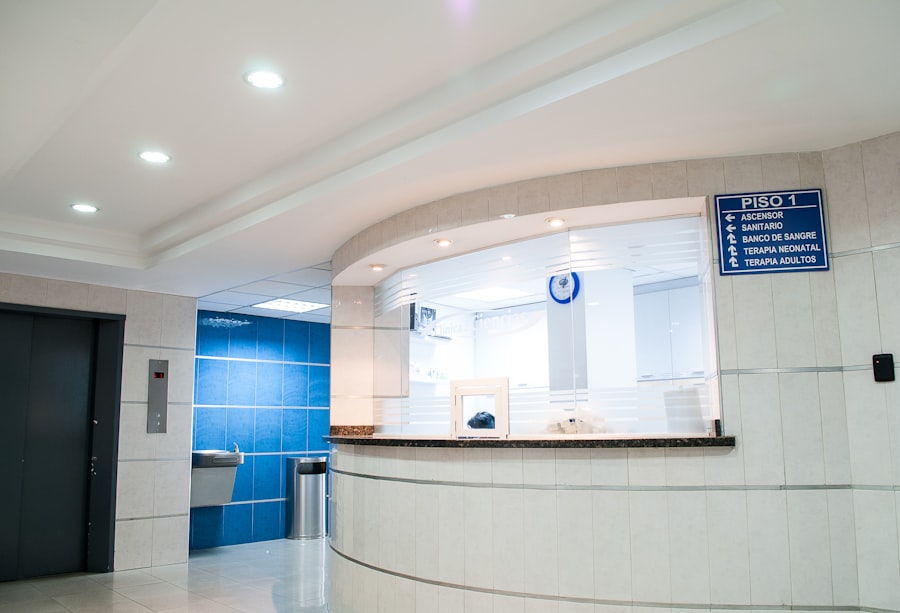
The operational capacity and quality of care within the Research Medical Center ED are fundamentally dependent on its multidisciplinary team of healthcare professionals.
Physician Staffing
The ED is staffed by board-certified or board-eligible emergency physicians who possess broad expertise in acute care.
- Emergency Medicine Specialists: These physicians have undergone specialized training in emergency medicine, equipping them with the skills to diagnose and manage a wide range of undifferentiated medical and surgical emergencies.
- Subspecialty Consultation: Emergency physicians have immediate access to a range of subspecialists, including cardiologists, neurologists, general surgeons, orthopedic surgeons, and intensivists, to assist with complex cases. This ensures comprehensive care for diverse conditions.
- Continuing Medical Education: Physicians regularly participate in continuing medical education (CME) to remain current with advancements in emergency medicine practices, guidelines, and technologies. This commitment to ongoing learning maintains clinical competency.
Nursing Staff
Registered nurses (RNs) are integral to ED operations, providing direct patient care, managing patient flow, and facilitating communication.
- Specialized Training: ED nurses typically hold certifications such as CEN (Certified Emergency Nurse) or TNCC (Trauma Nursing Core Course), demonstrating specialized knowledge and skills in emergency and trauma care.
- Triage and Assessment: Nurses are responsible for initial patient triage, comprehensive assessment, medication administration, wound care, and assisting with various medical procedures. Their judgment is critical in prioritizing care.
- Patient Advocacy: Nurses serve as patient advocates, ensuring that patient needs are met, and effective communication occurs between patients, families, and the medical team. This role is fundamental to patient-centered care.
Support Staff
A range of support staff contributes to the overall efficiency and effectiveness of the ED.
- Technicians (e.g., ED Techs, Paramedics): These individuals assist with patient care, perform basic medical procedures (e.g., EKG acquisition, splinting), transport patients, and maintain equipment. They are vital for smooth operations.
- Unit Secretaries/Clerks: These staff manage administrative tasks, patient registration, medical records, and communication, acting as organizational anchors within the busy department.
- Social Workers: Social workers provide crucial support to patients and families, addressing psychosocial needs, assisting with discharge planning, and connecting patients with community resources.
- Security Personnel: Security staff ensure a safe environment for patients, families, and staff, managing challenging behaviors and maintaining order within the department.
Community Integration and Public Health Role
| Metric | Value | Notes |
|---|---|---|
| Average ER Wait Time | 45 minutes | Time from patient arrival to being seen by a provider |
| Annual ER Visits | 75,000 | Number of patients treated in the ER per year |
| ER Bed Capacity | 50 beds | Number of beds available in the emergency department |
| Patient Satisfaction Score | 88% | Based on post-visit surveys |
| Average Length of Stay in ER | 3.2 hours | Time from arrival to discharge or admission |
| Percentage of Patients Admitted | 22% | Patients admitted to hospital from ER |
| Number of ER Physicians | 25 | Full-time equivalent emergency medicine doctors |
| Number of Nurses in ER | 60 | Registered nurses assigned to ER shifts |
The Research Medical Center ED functions not merely as an isolated unit but as an integrated component of the broader healthcare system and public health infrastructure of the community it serves.
Collaboration with Emergency Medical Services (EMS)
The ED maintains a close operational relationship with local and regional EMS providers.
- Pre-hospital Communication: Direct communication channels exist between EMS personnel and ED physicians, allowing for pre-arrival notification of critical patients and real-time medical direction. This helps the ED prepare for incoming emergencies.
- Transfer of Care Protocols: Standardized protocols govern the transfer of patient care from EMS to ED staff, ensuring continuity of treatment and information exchange. This minimizes gaps in care during critical transitions.
- Joint Training Exercises: Collaborative training exercises with EMS reinforce coordinated response efforts for trauma, cardiac arrest, and other time-sensitive conditions. These exercises hone essential skills.
Public Health Initiatives
Beyond acute care, the ED plays a role in public health by acting as a sentinel for disease outbreaks and providing community-based interventions.
- Syndromic Surveillance: The ED participates in syndromic surveillance systems, reporting aggregate data on patient presentations that can indicate emerging public health threats, such as influenza outbreaks or unusual clusters of symptoms.
- Injury Prevention: Emergency physicians and staff may engage in injury prevention initiatives, such as promoting seatbelt use, helmet safety, and fall prevention, often in collaboration with local health departments.
- Substance Use Disorder Interventions: For patients presenting with substance use disorders, the ED can initiate harm reduction strategies, provide overdose education, and facilitate referrals to treatment programs. This addresses a critical public health issue.
Healthcare System Integration
The ED serves as a critical entry point into the broader healthcare system, ensuring patients receive appropriate ongoing care.
- Referral Pathways: Robust referral pathways connect ED patients to inpatient services, outpatient clinics, and specialty care providers for follow-up treatment after their emergency visit. This prevents fragmented care.
- Discharge Planning: Comprehensive discharge planning includes patient education, prescription medication reconciliation, and follow-up appointment scheduling, aiming to prevent avoidable readmissions.
- Continuity of Care: The EHR system facilitates continuity of care by making ED visit information accessible to other healthcare providers, ensuring subsequent care is informed by the emergency presentation.
The Research Medical Center ED operates as a complex and dynamic environment, providing essential emergency medical services to a diverse population. Its structured approach to patient care, supported by advanced technology and a skilled workforce, enables it to address a wide range of acute medical crises and trauma.
