
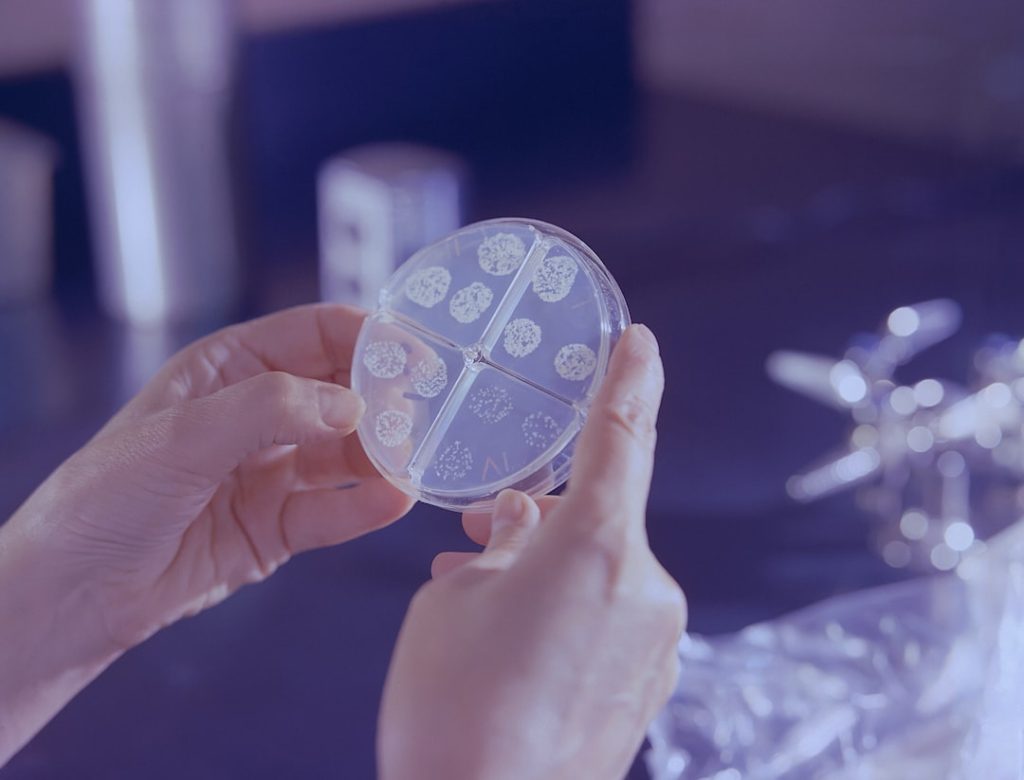
The landscape of modern medicine is continuously reshaped by scientific inquiry and technological advancement. This article outlines recent significant developments in biomedical research and their implications for human health.
The completion of the Human Genome Project facilitated a profound shift in understanding disease mechanisms. Genomic sequencing, once a costly and time-consuming endeavor, has become more accessible, enabling tailored medical interventions.
Advanced Gene Editing Technologies

CRISPR-Cas9, a revolutionary gene editing tool, allows for precise modifications to DNA sequences. This technology functions as a molecular scissor, enabling the removal, insertion, or alteration of specific genes.
- Therapeutic Applications: Clinical trials exploring CRISPR for conditions like sickle cell disease and certain cancers are underway. Early results demonstrate the potential to correct genetic defects at their source.
- Ethical Considerations: The ability to alter the human germline raises complex ethical questions regarding inheritable changes and unintended consequences. Careful regulatory oversight and public discourse are essential.
Pharmacogenomics
Pharmacogenomics investigates how an individual’s genetic makeup influences their response to drugs. This field aims to optimize drug efficacy and minimize adverse side effects. Consider two patients receiving the same medication; one improves significantly while the other experiences severe side effects. Pharmacogenomics seeks to explain these discrepancies.
- Drug Metabolism and Efficacy: Genetic variations can affect how the body metabolizes drugs, impacting their concentration and duration of action. For example, some individuals are “fast metabolizers,” requiring higher drug doses, while others are “slow metabolizers,” needing lower doses to avoid toxicity.
- Predicting Adverse Drug Reactions: Identifying genetic markers associated with adverse drug reactions allows clinicians to prescribe safer alternatives or modify dosages. This pre-emptive approach can prevent severe health complications.
- Oncology and Targeted Therapies: In cancer treatment, pharmacogenomics plays a critical role in selecting therapies that target specific genetic mutations in tumor cells. This precision medicine approach improves outcomes and reduces systemic toxicity.
Immunotherapy and Cancer Treatment

Immunotherapy harnesses the body’s own immune system to fight cancer. Unlike traditional chemotherapy or radiation, which directly attack cancer cells, immunotherapy empowers the immune system to recognize and eliminate malignant cells.
Checkpoint Inhibitors
These drugs block proteins that prevent immune cells from attacking cancer. Checkpoint inhibitors act as a key unlocking the immune system’s full potential, allowing it to resume its surveillance and elimination functions.
- Mechanism of Action: Cancer cells often exploit “checkpoint” pathways to evade immune detection. By blocking these checkpoints, drugs like pembrolizumab and nivolumab enable T-cells to recognize and destroy cancer cells.
- Clinical Successes: Checkpoint inhibitors have demonstrated significant efficacy in various cancers, including melanoma, lung cancer, and kidney cancer, leading to prolonged survival for many patients.
- Challenges and Side Effects: While effective, checkpoint inhibitors can cause immune-related adverse events, as the activated immune system may attack healthy tissues. Managing these side effects is a crucial aspect of patient care.
CAR T-Cell Therapy
Chimeric Antigen Receptor T-cell (CAR T-cell) therapy involves genetically modifying a patient’s own T-cells to target and destroy cancer cells. This is akin to training a specialized squad of soldiers to specifically hunt down and eliminate enemies.
- Process Overview: T-cells are extracted from the patient, engineered in a laboratory to express a CAR that recognizes a specific antigen on cancer cells, and then infused back into the patient.
- Applications in Hematological Malignancies: CAR T-cell therapy has shown remarkable success in treating certain blood cancers, such as aggressive lymphomas and acute lymphoblastic leukemia, often inducing complete remissions in patients who have exhausted other treatment options.
- Future Directions: Research is ongoing to expand CAR T-cell therapy to solid tumors, which present more significant challenges due to their heterogeneity and complex microenvironments.
Regenerative Medicine and Tissue Engineering
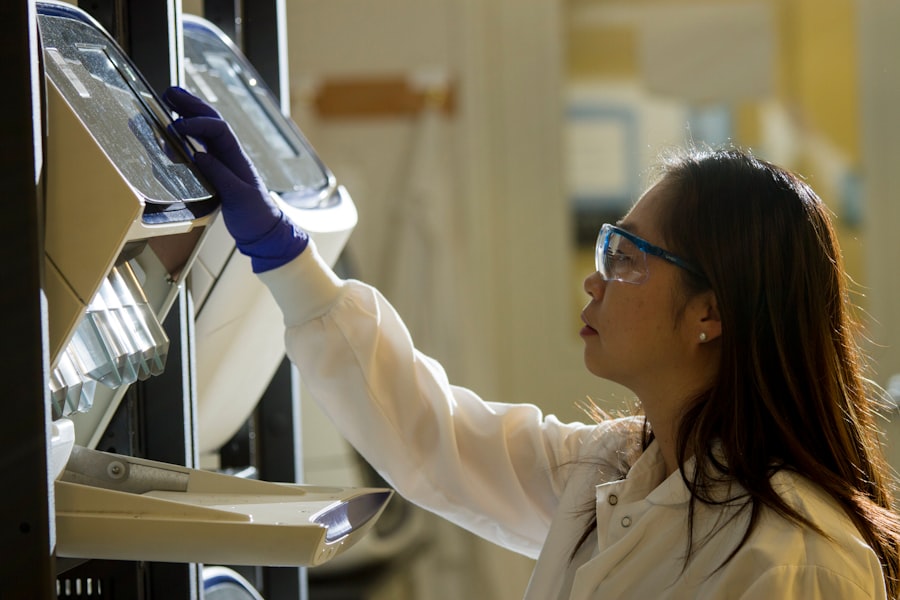
Regenerative medicine focuses on replacing or repairing damaged tissues and organs. This field integrates biology, materials science, and engineering to restore normal function.
Stem Cell Therapies
Stem cells possess the unique ability to differentiate into various cell types, making them a powerful tool for tissue regeneration. They act as blank canvases, capable of becoming specialized cells needed to repair damaged tissue.
- Types of Stem Cells:
- Embryonic Stem Cells (ESCs): Pluripotent cells derived from embryos, capable of differentiating into any cell type. Ethical considerations limit their widespread clinical use.
- Induced Pluripotent Stem Cells (iPSCs): Adult cells genetically reprogrammed to an embryonic-like pluripotent state. iPSCs offer a patient-specific source of cells without ethical concerns associated with embryos.
- Adult Stem Cells: Multipotent cells found in various adult tissues (e.g., bone marrow, adipose tissue) with more limited differentiation potential.
- Clinical Applications: Stem cell therapies are being investigated for conditions such as spinal cord injuries, heart disease, diabetes, and neurodegenerative disorders. Early trials show promise in regenerating damaged tissue and improving function.
Organ-on-a-Chip Technology
Organ-on-a-chip devices are microengineered systems that mimic the structure and function of human organs. These devices provide a more accurate and ethical alternative to animal testing for drug development and disease modeling.
- Drug Discovery and Toxicity Testing: These chips can replicate organ-specific responses to drugs, enabling researchers to screen compounds for efficacy and toxicity in a human-relevant context. This can accelerate drug development and reduce costs.
- Disease Modeling: Organ-on-a-chip systems can model various diseases, allowing researchers to study disease progression and evaluate potential therapies in a controlled environment. For example, a “lung-on-a-chip” can simulate asthma or cystic fibrosis.
- Personalized Medicine Applications: In the future, it may be possible to create “patient-on-a-chip” models using a patient’s own cells, enabling personalized drug testing and treatment optimization.
Neurotechnology and Brain-Computer Interfaces
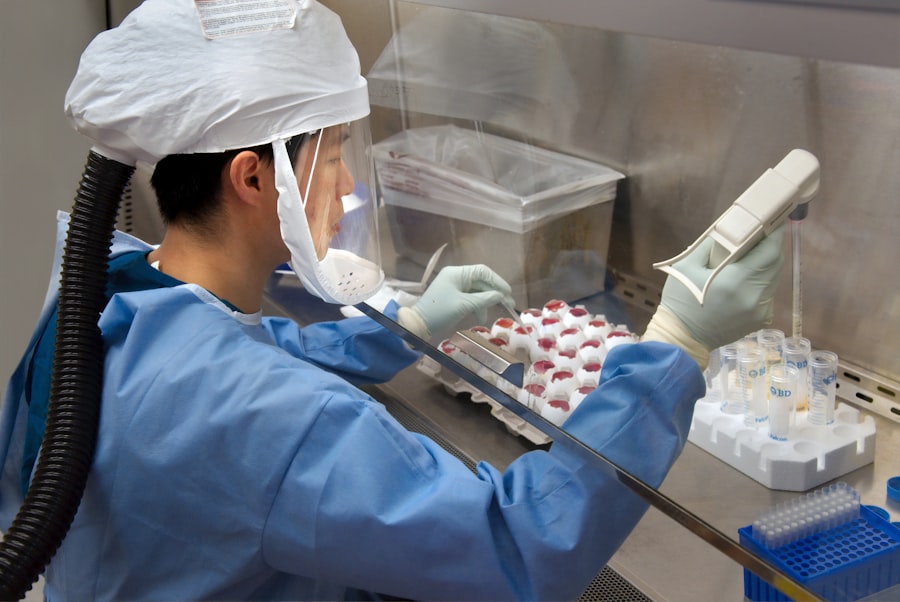
Neurotechnology explores the interface between the brain and external devices. Brain-Computer Interfaces (BCIs) enable direct communication pathways between the brain and external devices, bypassing traditional motor pathways.
Advanced Brain-Computer Interfaces (BCIs)
BCIs translate brain signals into commands for external devices, offering new possibilities for individuals with severe motor impairments. Imagine controlling a prosthetic limb with thought alone.
- Restoring Motor Function: BCIs are allowing individuals with paralysis to control robotic limbs, communicate through speech synthesizers, and navigate computer interfaces. This technology offers a pathway to regaining independence.
- Sensory Restoration: Research is ongoing to develop BCIs that can restore sensory perception, such as touch or vision, by directly stimulating brain regions. This complex challenge requires understanding how the brain processes sensory information.
- Cognitive Augmentation: While in early stages, some research explores BCIs for cognitive enhancement, though ethical and safety concerns are paramount in this area.
Deep Brain Stimulation (DBS)
DBS involves surgically implanting electrodes in specific brain areas to deliver electrical impulses, modulating abnormal brain activity. DBS acts as a pacemaker for the brain, regulating its electrical rhythms.
- Treatment for Neurological Disorders: DBS is an established treatment for movement disorders like Parkinson’s disease, essential tremor, and dystonia, significantly reducing symptoms and improving quality of life.
- Emerging Applications: Research is exploring DBS for other conditions, including refractory depression, obsessive-compulsive disorder (OCD), and epilepsy. The precise targeting of brain circuits remains a critical area of study.
- Individualized Therapy: The effectiveness of DBS depends on accurate electrode placement and careful programming of stimulation parameters, requiring highly specialized neurosurgical and neurological expertise.
Digital Health and Artificial Intelligence
| Metric | Description | Value | Unit |
|---|---|---|---|
| Number of Clinical Trials | Total clinical trials conducted under EPIC Medical Research | 125 | Trials |
| Patient Enrollment | Number of patients enrolled in EPIC studies | 8,450 | Patients |
| Research Publications | Peer-reviewed articles published from EPIC research | 75 | Publications |
| Funding Received | Total funding allocated to EPIC Medical Research | 45,000,000 | USD |
| Collaborating Institutions | Number of institutions partnering in EPIC research | 30 | Institutions |
| Research Areas | Primary focus areas of EPIC Medical Research | Oncology, Cardiology, Neurology | Fields |
| Average Study Duration | Mean length of clinical studies | 24 | Months |
The integration of digital technologies and artificial intelligence (AI) is transforming healthcare delivery, disease diagnosis, and treatment planning.
AI in Diagnostics and Imaging
AI algorithms are demonstrating capabilities in analyzing large datasets, such as medical images, to assist in disease detection and diagnosis. AI acts as a sophisticated pattern recognition engine, sifting through vast amounts of information with speed and precision.
- Radiology and Pathology: AI models can identify subtle anomalies in X-rays, CT scans, MRIs, and pathological slides, potentially leading to earlier and more accurate diagnoses of conditions like cancer or neurological disorders.
- Predictive Analytics: AI can analyze patient data, including electronic health records, genetic information, and lifestyle factors, to predict disease risk and personalize preventive interventions.
- Drug Discovery and Development: AI accelerates drug discovery by predicting potential drug candidates, optimizing molecular structures, and identifying biomarkers for disease progression. This can significantly reduce the time and cost associated with bringing new drugs to market.
Telemedicine and Remote Patient Monitoring
Digital platforms enable healthcare access and monitoring from a distance, improving convenience and reach, particularly in underserved areas.
- Virtual Consultations: Telemedicine allows patients to consult with healthcare providers remotely via video calls, reducing travel burden and improving access to specialists. This has been particularly impactful during global health crises.
- Wearable Devices and Sensors: Wearable technologies continuously monitor vital signs, activity levels, and other health metrics, transmitting data to healthcare providers. This facilitates proactive management of chronic conditions.
- Personalized Health Management: Remote monitoring coupled with AI analysis can provide personalized feedback and interventions, empowering patients to take a more active role in managing their health.
Conclusion
The medical breakthroughs discussed represent significant advancements in our ability to prevent, diagnose, and treat diseases. While these technologies hold substantial promise, their responsible development and equitable access are paramount. Continued research, careful ethical consideration, and robust regulatory frameworks are necessary to fully realize the transformative potential of these unprecedented innovations. The path forward is not without challenges, but the trajectory of medical progress continues to build upon foundational understanding and innovative application.
