
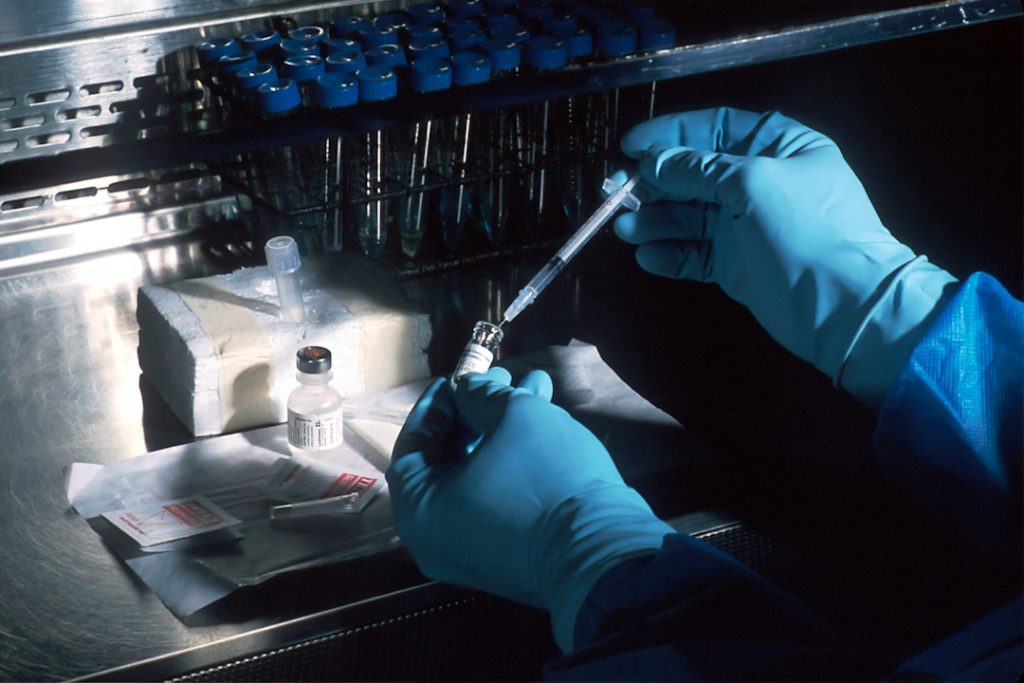
This article surveys significant medical research initiatives originating from Utah. From its early academic institutions to its contemporary research centers, Utah has fostered environments conducive to scientific inquiry and therapeutic development. This exploration details key areas where Utah-based researchers have advanced healthcare, examining the impact of their work and the collaborative structures that underpin it.
The bedrock of Utah’s medical research enterprise was laid with the establishment of its primary academic institutions. These early efforts, though modest by modern standards, created the intellectual infrastructure necessary for future scientific development.
Beginnings at the University of Utah School of Medicine

The University of Utah School of Medicine, founded in 1905, became a central hub for medical education and initial research endeavors. Early faculty members, often operating with limited resources, nonetheless pursued investigations into prevalent health issues of the time. These foundational studies, while perhaps not immediately revolutionary in a global sense, established a culture of scientific inquiry within the state. They provided the essential training ground for future generations of researchers.
Emergence of Intermountain Healthcare Research
Intermountain Healthcare, a large integrated healthcare system, began to develop its research capabilities in the mid-20th century. Their approach often focused on practical applications and improving patient outcomes within their extensive network. This pragmatic orientation led to early successes in areas such as cardiology and epidemiology, providing valuable data from a large and diverse patient population. The system’s ability to integrate clinical practice with research offered a distinct advantage.
Genetics and Personalized Medicine

Utah has emerged as a significant contributor to the field of genetics, particularly in its practical application to personalized medicine. The state’s unique demographic characteristics and robust research infrastructure have created fertile ground for genomic studies.
The Utah Population Database: A National Asset
The Utah Population Database (UPDB) is a genealogical and medical record database that has been instrumental in numerous genetic studies. This resource, a goldmine for researchers, contains linked information on millions of individuals, tracing back several generations. It allows for the identification of familial patterns of disease, facilitating the pinpointing of genetic predispositions and environmental factors. Think of the UPDB as a vast, interconnected family tree, meticulously documented, allowing researchers to trace the branches of health and disease across generations. Its existence is a testament to long-term data collection and careful stewardship.
Contributions to Cancer Genetics
Researchers in Utah have made substantial contributions to understanding the genetic basis of various cancers. Studies utilizing the UPDB have identified specific genetic mutations linked to increased risk for breast, ovarian, and colorectal cancers. This work has led to improved screening protocols and the development of targeted therapies. For instance, the identification of certain BRCA1/2 gene mutations, and their prevalence within specific populations, has informed clinical guidelines for genetic testing and preventive measures.
Advancements in Pharmacogenomics
The field of pharmacogenomics, which examines how genes affect a person’s response to drugs, has also seen significant development in Utah. Researchers are working to tailor drug therapies based on an individual’s genetic makeup, aiming to optimize efficacy and minimize adverse reactions. This personalized approach to medication, while still in its nascent stages for many conditions, represents a paradigm shift in drug prescription. It’s akin to moving from a generic blueprint to a custom-designed medication plan, specifically for you.
Cardiovascular Research and Innovation
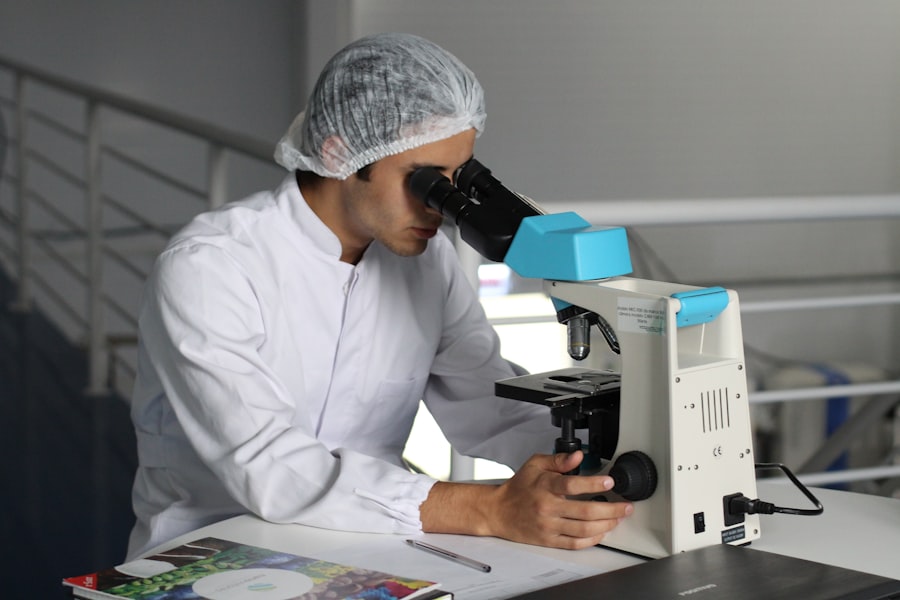
Cardiovascular disease remains a leading cause of mortality globally. Utah-based researchers have actively pursued novel approaches to prevention, diagnosis, and treatment.
Artificial Heart Development and Transplantation Advances
The University of Utah has a long and distinguished history in artificial heart research. The first permanent artificial heart implant, the Jarvik-7, occurred at the University of Utah Medical Center in 1982. This groundbreaking event, a moon landing in medical terms, demonstrated the feasibility of long-term mechanical circulatory support. While the initial device faced challenges, it paved the way for subsequent generations of ventricular assist devices and total artificial hearts, dramatically extending the lives of patients awaiting transplants or those unsuitable for transplantation.
Epidemiology of Heart Disease
Intermountain Healthcare has been a prominent force in the epidemiological study of heart disease. Their extensive patient data allows for large-scale analyses of risk factors, treatment efficacy, and long-term outcomes. These studies have provided valuable insights into population-level trends in cardiovascular health, informing public health initiatives and clinical guidelines. Their work has illuminated the subtle interplay of genetics, lifestyle, and environment on cardiac health across diverse demographic groups.
Innovations in Cardiac Imaging
Utah-based institutions have been at the forefront of developing advanced cardiac imaging techniques. These innovations, ranging from improved MRI protocols to novel echocardiography methods, allow for more precise diagnosis and monitoring of heart conditions. Such tools provide clinicians with a clearer window into the heart’s function and structure, enabling earlier intervention and more tailored treatment plans. It allows us to see internal mechanisms with greater clarity, facilitating the repair process.
Neuroscience and Mental Health
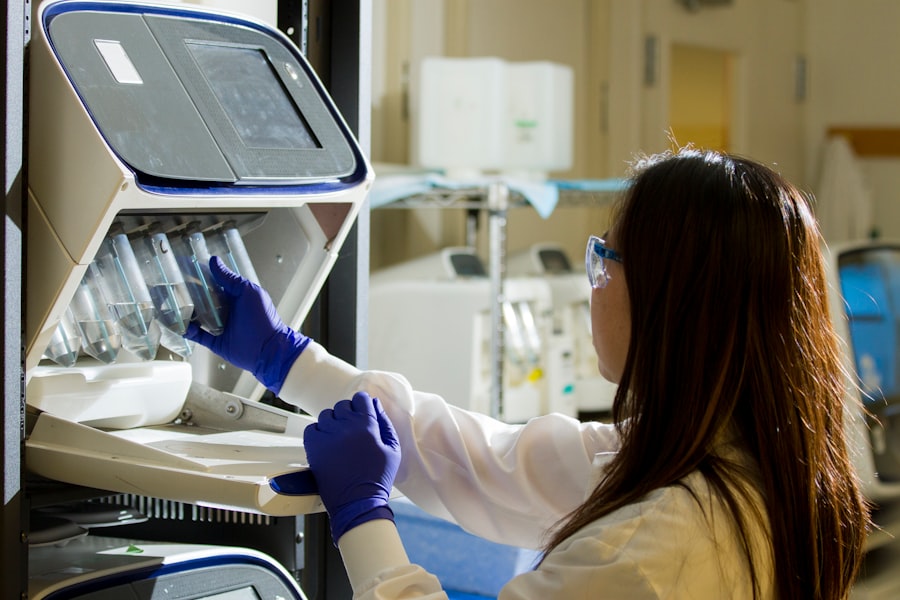
Research into the complexities of the brain and neurological disorders has been a focal point for Utah’s scientific community. This includes efforts to understand fundamental brain function and develop new treatments for conditions ranging from neurodegenerative diseases to mental health disorders.
Mechanisms of Neurodegenerative Diseases
Researchers at the University of Utah and other institutions are investigating the underlying mechanisms of neurodegenerative diseases such as Alzheimer’s and Parkinson’s. This work involves studying protein aggregation, neuronal death, and genetic predispositions. The aim is to identify early biomarkers and novel therapeutic targets to slow or halt disease progression. Understanding these complex pathologies is like deciphering an intricate puzzle, where each piece, no matter how small, contributes to the larger picture of disease.
Drug Discovery for Neurological Disorders
The development of new pharmaceuticals for neurological and psychiatric conditions is another area of active research. This includes investigating potential drug candidates for chronic pain, epilepsy, and mood disorders. The process involves identifying promising compounds, testing their efficacy and safety, and ultimately moving them through clinical trials. This is a journey through a dense forest, seeking specific medicinal plants, where each step requires careful observation and rigorous testing.
Mental Health Treatment Innovations
Utah has also seen innovation in mental health treatment, particularly in areas like addiction recovery and depression therapies. Researchers are exploring the effectiveness of various psychotherapies, pharmacological interventions, and integrated care models. This holistic approach recognizes the interconnectedness of biological, psychological, and social factors in mental health. The goal is to move beyond mere symptom management and toward comprehensive well-being.
Translational Research and Commercialization
| Metric | Value | Details |
|---|---|---|
| Number of Clinical Trials | 45 | Active and completed trials in Utah using EPIC data |
| Research Institutions | 6 | Major medical research centers in Utah utilizing EPIC systems |
| Patient Records Accessed | 120,000 | De-identified patient records used for research purposes |
| Published Papers | 30 | Peer-reviewed publications based on EPIC medical data from Utah |
| Research Focus Areas | Cardiology, Oncology, Neurology | Primary medical fields studied using EPIC data in Utah |
Bridging the gap between laboratory discovery and patient care is translational research. Utah has fostered environments that encourage this transition, leading to the development of new diagnostic tools, therapies, and medical devices.
Technology Transfer and Start-up Creation
The University of Utah’s Technology & Venture Commercialization office actively facilitates the transfer of research discoveries from the lab to the marketplace. This includes patenting new technologies and fostering the creation of start-up companies. This mechanism acts as a conduit, channeling scientific breakthroughs from academic obscurity into commercial enterprises that can impact patient lives. Many a groundbreaking idea, if not properly channeled, can remain just an idea.
Clinical Trials and Patient Access
Utah’s research institutions are significant participants in clinical trials across a wide range of medical specialties. These trials provide patients with access to cutting-edge treatments that are not yet widely available. They are also crucial for gathering data on the safety and efficacy of new interventions. For patients with challenging conditions, participation in a clinical trial can feel like glimpsing the future of medicine, offering hope for previously untreatable diseases.
Collaborative Initiatives with Industry
Collaborations between academic researchers, healthcare systems, and the biotechnology and pharmaceutical industries are common in Utah. These partnerships combine academic expertise with industrial resources, accelerating the pace of medical innovation. Such collaborations are symbiotic relationships, where the strengths of each party are leveraged to achieve a common goal: the advancement of human health. It’s like different skilled artisans coming together to build a complex structure, each contributing their specialized craft.
Conclusion
The medical research landscape in Utah is characterized by sustained effort, interdisciplinary collaboration, and a commitment to translating scientific discovery into tangible health improvements. From pioneering work in artificial organs to deep dives into genetic bases of disease and innovations in personalized medicine, Utah’s contributions have been substantive. The established infrastructure, encompassing leading academic centers, integrated healthcare systems, and dedicated research entities, continues to foster an environment ripe for further advancements. As we look ahead, the trajectory of medical research in Utah indicates continued progress in addressing complex health challenges and improving patient outcomes both regionally and globally.
