
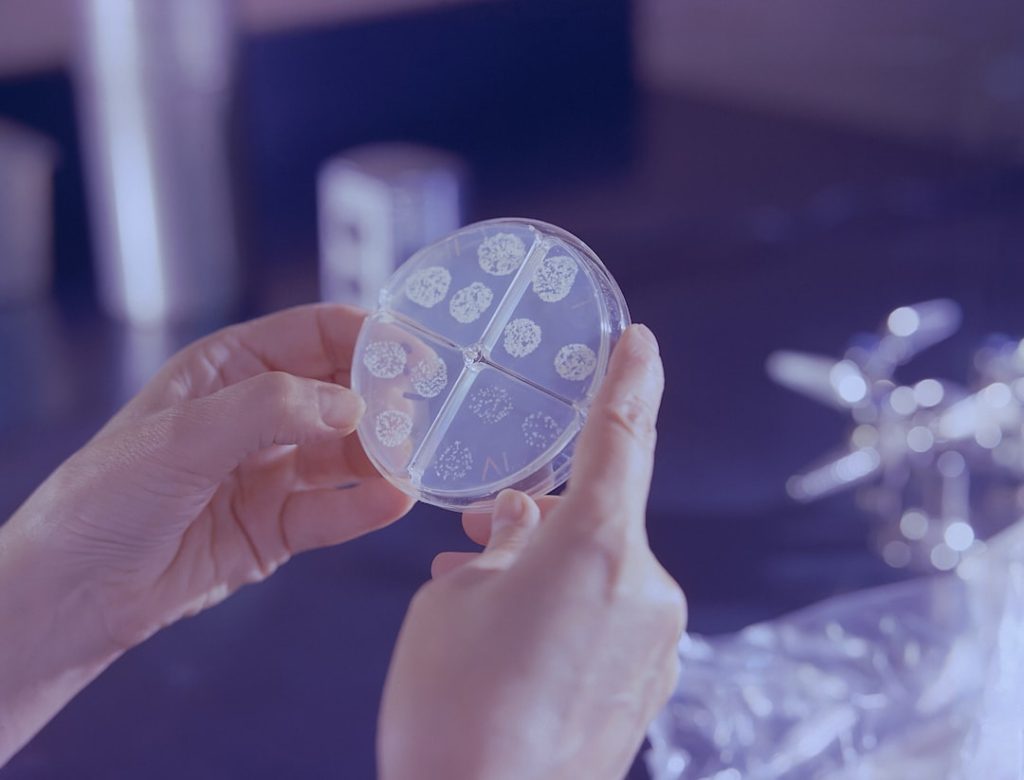
The state of Utah has established itself as a significant contributor to medical research, fostering an environment where groundbreaking discoveries have emerged from various institutions. This article delves into some of the key areas where Utah-based researchers have made substantial contributions, shaping our understanding and treatment of numerous diseases.
Utah has a rich history in genetic research, driven in part by its unique population demographics, which have historically facilitated the study of inherited conditions. This focus has led to several pivotal discoveries.
The Utah Population Database: A Genealogical Goldmine

At the heart of much of Utah’s genetic research lies the Utah Population Database (UPDB). This comprehensive resource, maintained by the Huntsman Cancer Institute at the University of Utah, contains extensive genealogical and medical records for millions of individuals extending back several generations.
- Familial Clustering of Diseases: The UPDB has been instrumental in identifying familial patterns and increased risks for various diseases, including numerous forms of cancer (breast, ovarian, colorectal), cardiovascular conditions, and autoimmune disorders. Researchers can trace disease incidence across pedigrees, providing vital clues about genetic predispositions.
- Gene Discovery and Linkage Analysis: By combining genetic data with the genealogical information within the UPDB, researchers have successfully employed linkage analysis to pinpoint chromosomal regions and, subsequently, specific genes responsible for inherited conditions. This has led to the identification of genes linked to conditions such as familial melanoma and various neurodegenerative diseases. The UPDB acts as a vast map, guiding scientists to areas where genetic differences are more likely to be found.
Personalized Medicine and Pharmacogenomics
The insights gleaned from genetic research in Utah have paved the way for advancements in personalized medicine, where treatments are tailored to an individual’s genetic makeup.
- Drug Response Prediction: Researchers are investigating how genetic variations influence an individual’s response to different medications. This involves studying pharmacogenes, which encode enzymes responsible for drug metabolism and transport. Understanding these variations can help clinicians optimize drug dosages and select the most effective treatments, minimizing adverse reactions. This is akin to a personalized instruction manual for an individual’s medication.
- Cancer Treatment Optimization: In oncology, genetic profiling of tumors is becoming standard practice. Utah-based research has contributed to understanding how specific gene mutations in cancer cells can guide treatment decisions, leading to more targeted therapies and improved patient outcomes. This is not a one-size-fits-all approach, but rather a bespoke strategy designed for each unique tumor.
Cancer Research: Battling a formidable foe

The Huntsman Cancer Institute (HCI) at the University of Utah stands as a cornerstone of cancer research, contributing to fundamental discoveries and translating them into clinical applications.
Understanding Cancer Pathways and Metastasis
Utah researchers are actively engaged in dissecting the complex molecular pathways that drive cancer development and progression.
- Signaling Cascades and Oncogenes: Investigations into intracellular signaling cascades have identified key oncogenes and tumor suppressor genes that play critical roles in regulating cell growth, division, and death. Disruptions in these pathways can lead to uncontrolled cell proliferation, a hallmark of cancer.
- Mechanisms of Metastasis: A significant focus is on understanding metastasis, the process by which cancer cells spread from the primary tumor to distant sites in the body. Researchers are exploring the molecular and cellular mechanisms involved in this process, including cell adhesion, migration, and invasion. Preventing metastasis is a paramount goal, as it is often the cause of treatment failure. Understanding metastasis is like understanding the escape routes and tactics of a microscopic army plotting to invade new territory.
Novel Therapeutic Strategies
The insights gained from basic cancer research are being translated into the development of innovative therapeutic approaches.
- Targeted Therapies: HCI researchers have been at the forefront of developing targeted therapies that specifically interfere with the molecular pathways driving cancer growth, often with fewer side effects than traditional chemotherapy. These therapies act like precision-guided missiles, homing in on cancer cells while sparing healthy ones.
- Immunotherapy: The field of immunotherapy, which harnesses the body’s own immune system to fight cancer, has seen significant contributions from Utah. Researchers are exploring various immunotherapeutic strategies, including checkpoint inhibitors and CAR T-cell therapy, to enhance the immune response against tumors. This is akin to training the body’s own defense system to recognize and neutralize an internal threat.
- Drug Repurposing: Scientists are also investigating the potential of repurposing existing drugs, approved for other conditions, for cancer treatment. This approach can be more efficient and cost-effective than developing entirely new compounds.
Neuroscience and Brain Disorders: Exploring the Inner Cosmos
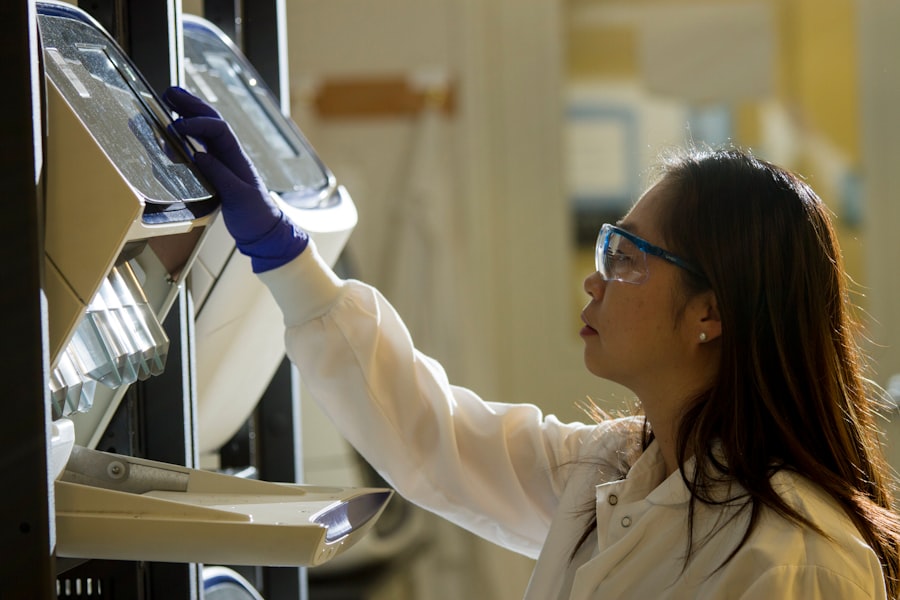
Research into the complexities of the brain and neurological disorders is another area where Utah has carved out a significant niche.
Mechanisms of Neurodegenerative Diseases
Understanding the underlying causes of neurodegenerative diseases, such as Alzheimer’s and Parkinson’s, is a primary focus.
- Protein Misfolding and Aggregation: A common theme in many neurodegenerative diseases is the abnormal misfolding and aggregation of specific proteins, such as amyloid-beta and tau in Alzheimer’s disease, and alpha-synuclein in Parkinson’s disease. Researchers are investigating the mechanisms by which these protein aggregates form and contribute to neuronal dysfunction and death. These misfolded proteins are like tiny, destructive wrenches thrown into the intricate machinery of the brain.
- Mitochondrial Dysfunction: Impaired mitochondrial function, the “powerhouses” of cells, has also been implicated in neurodegeneration. Utah researchers are studying how mitochondrial dysfunction contributes to neuronal vulnerability and exploring strategies to protect these vital organelles.
- Neuroinflammation: Chronic inflammation within the brain, or neuroinflammation, is another crucial area of study. Researchers are exploring the role of microglia and astrocytes, the brain’s immune cells, in both protecting and damaging neurons in the context of neurodegenerative diseases.
Spinal Cord Injury and Regeneration
Advancements in understanding and treating spinal cord injuries are a critical focus for Utah-based neuroscientists.
- Glial Scar Formation: Following spinal cord injury, a glial scar forms, creating a physical and chemical barrier that inhibits axonal regrowth. Researchers are investigating ways to modulate or overcome this scar to promote regeneration.
- Stem Cell Therapies: The potential of stem cells to promote repair and regeneration after spinal cord injury is being actively explored. This includes studies on induced pluripotent stem cells (iPSCs) and neural stem cells, with the aim of restoring lost function.
- Neuroprosthetics and Brain-Computer Interfaces: Utah is a hub for research into neuroprosthetics and brain-computer interfaces (BCIs), which aim to restore lost motor or sensory function by directly interfacing with the nervous system. This technology has the potential to provide a neural bridge for individuals with severe neurological impairments. This science is building a direct communication line, a superhighway, between thought and action, bypassing damaged pathways.
Cardiovascular Research: Pumping Life into Innovation
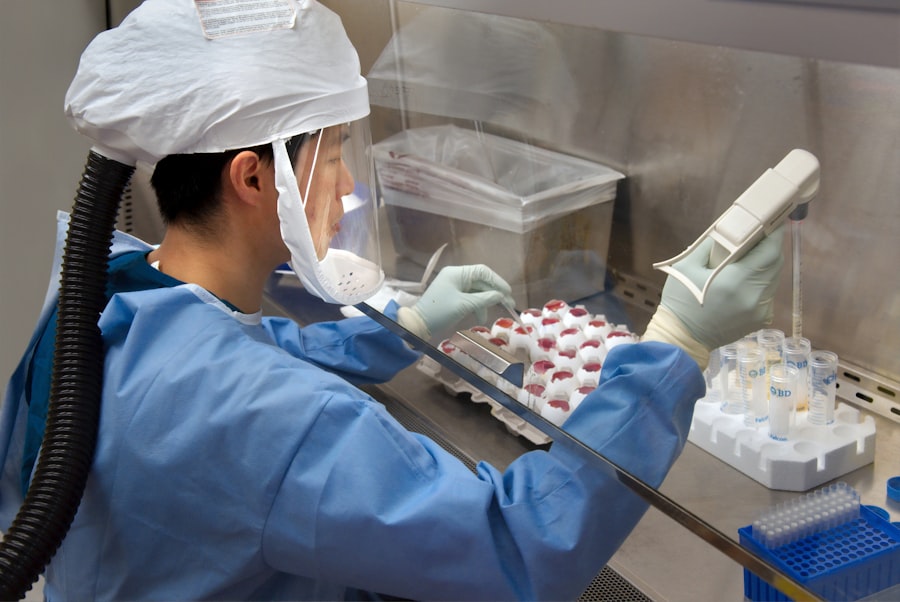
Heart disease remains a leading cause of mortality globally, and Utah researchers are making significant strides in understanding and treating various cardiovascular conditions.
Arrhythmias and Cardiac Electrophysiology
Understanding and managing irregular heartbeats (arrhythmias) is a key area of expertise.
- Mapping Cardiac Electrical Activity: Researchers are developing advanced techniques for mapping the electrical activity of the heart, allowing for more precise identification of the origins and propagation of arrhythmias. This detailed mapping is like having a sophisticated GPS system for the heart’s electrical currents.
- Novel Ablation Strategies: These mapping techniques inform the development of more effective ablation strategies, where targeted energy is used to destroy small areas of heart tissue responsible for generating abnormal electrical signals.
- Genetic Basis of Arrhythmias: Investigations into the genetic underpinnings of inherited arrhythmias, such as long QT syndrome and Brugada syndrome, are helping to identify individuals at risk and develop personalized prevention and treatment strategies.
Heart Failure and Regeneration
Addressing heart failure, a condition where the heart cannot pump enough blood to meet the body’s needs, is another critical area.
- Mechanisms of Cardiac Remodeling: Researchers are studying the processes of cardiac remodeling, where the heart undergoes structural and functional changes in response to injury or disease. Understanding these mechanisms is crucial for developing therapies to prevent or reverse heart failure.
- Stem Cell and Gene Therapies for Heart Repair: The potential of stem cells and gene therapy to regenerate damaged heart tissue and improve cardiac function is being explored. This includes investigating various cell types and gene delivery methods.
- Biomarkers for Early Detection: Efforts are underway to identify novel biomarkers that can predict the development and progression of heart failure, enabling earlier diagnosis and intervention. Early detection is like having an early warning system for a potential cardiovascular storm.
Diabetes and Metabolic Disorders: Addressing a Modern Epidemic
| Metric | Value | Description |
|---|---|---|
| Number of Clinical Trials | 45 | Active clinical trials conducted by Epic Medical Research Utah |
| Patient Enrollment | 1,200 | Total patients enrolled in studies as of 2024 |
| Research Areas | Cardiology, Oncology, Neurology, Endocrinology | Primary focus areas of medical research |
| Average Study Duration | 18 months | Typical length of clinical studies |
| Number of Publications | 30 | Peer-reviewed articles published in the last 3 years |
| Location | Salt Lake City, Utah | Headquarters of Epic Medical Research Utah |
With the global rise in diabetes and metabolic disorders, Utah researchers are contributing to a deeper understanding and improved management of these conditions.
Pancreatic Islet Biology and Transplantation
The focus here is on the pancreatic islet cells, which produce hormones like insulin.
- Beta Cell Dysfunction and Death: Researchers are investigating the mechanisms behind beta cell dysfunction and death in type 1 and type 2 diabetes. Understanding these processes is crucial for developing therapies to preserve or restore beta cell function.
- Islet Transplantation Techniques: Utah has been a leader in improving pancreatic islet transplantation techniques for type 1 diabetes, aiming to restore insulin production in individuals whose beta cells have been destroyed. This involves optimizing isolation, culture, and transplantation methods.
- Encapsulation Technologies: Efforts are underway to develop encapsulation technologies that can protect transplanted islets from immune rejection, enabling a broader application of this therapy. These encapsulations act as tiny shields, protecting the transplanted cells from the body’s immune defenses.
Mechanisms of Insulin Resistance and Obesity
Understanding the complex interplay between diet, genetics, and metabolic health is key.
- Adipose Tissue Biology: Researchers are investigating the role of adipose (fat) tissue in insulin resistance and metabolic dysfunction. This includes studying the types of fat, their inflammatory responses, and their impact on overall metabolism.
- Mitochondrial Function in Metabolic Health: The role of mitochondrial dysfunction in skeletal muscle and liver in the development of insulin resistance and type 2 diabetes is being extensively studied. Improving mitochondrial function could be a therapeutic target.
- Gut Microbiome and Metabolism: The intricate connection between the gut microbiome and host metabolism is a growing area of research. Utah scientists are exploring how alterations in the gut microbiota can influence insulin sensitivity, obesity, and other metabolic parameters. This is akin to understanding the vast, microscopic ecosystem within us and its profound impact on our internal chemistry.
In conclusion, Utah’s medical research landscape is a vibrant ecosystem of discovery. From the vast genealogical insights provided by the UPDB to the intricate cellular mechanisms explored in cancer and neuroscience, and the constant battle against cardiovascular disease and metabolic disorders, researchers in Utah are consistently pushing the boundaries of medical knowledge. Their work, though rarely presented with fanfare, forms the bedrock of new diagnostic tools, therapeutic interventions, and ultimately, improved human health. The ongoing commitment to scientific rigor and collaborative spirit continues to position Utah as a critical player in the global pursuit of a healthier future.
