

Clinical trials are a cornerstone of medical research, serving as the primary method for evaluating the safety and efficacy of new treatments, drugs, and medical devices. These trials are meticulously designed studies that involve human participants and are conducted in phases, each with specific objectives and methodologies. The ultimate goal is to gather robust data that can inform regulatory decisions, guide clinical practice, and improve patient outcomes.
The process is governed by strict ethical standards and regulatory requirements to ensure participant safety and data integrity. The significance of clinical trials extends beyond the immediate research objectives; they play a crucial role in advancing medical knowledge and innovation. For instance, the development of groundbreaking therapies for diseases such as cancer, diabetes, and rare genetic disorders has been made possible through rigorous clinical testing.

As the landscape of healthcare continues to evolve, the need for efficient and effective data collection methods in clinical trials has become increasingly apparent. This necessity has led to the exploration of innovative technologies, particularly data capture software, which promises to transform how data is collected, managed, and analyzed in clinical research.
Key Takeaways
- Data capture software significantly improves accuracy and efficiency in clinical trial data collection.
- Traditional data capture methods face challenges like errors, delays, and high costs.
- Implementing data capture software requires careful planning to ensure compliance and data security.
- Advanced software solutions support regulatory requirements and enhance data integrity.
- Future trends include AI integration and real-time data analytics to further optimize clinical trials.
Challenges in Traditional Data Capture Methods

Traditional data capture methods in clinical trials often rely on paper-based systems or rudimentary electronic data capture (EDC) tools. These approaches can be fraught with challenges that compromise the quality and reliability of the data collected. One significant issue is the potential for human error during data entry.
Manual transcription from paper forms to electronic systems can lead to inaccuracies, omissions, or duplications, ultimately affecting the integrity of the trial results. Furthermore, paper-based systems can be cumbersome, making it difficult to track changes or updates in real-time. Another challenge is the time-consuming nature of traditional data collection processes.
Researchers often spend considerable time managing paperwork, which detracts from their ability to focus on patient care and other critical aspects of the trial. Delays in data entry can also hinder timely analysis and decision-making, potentially prolonging the trial timeline. Additionally, traditional methods may not facilitate seamless collaboration among research teams, especially in multi-site trials where data needs to be aggregated from various locations.
This lack of integration can lead to inconsistencies and difficulties in maintaining standardized protocols across different sites.
The Role of Data Capture Software in Revolutionizing Clinical Trials

Data capture software has emerged as a transformative solution for addressing the limitations of traditional data collection methods in clinical trials. By automating the data entry process and providing real-time access to information, these software solutions enhance the efficiency and accuracy of data collection. They enable researchers to design electronic case report forms (eCRFs) that are tailored to the specific needs of their studies, allowing for more precise data capture aligned with regulatory requirements.
Moreover, data capture software often incorporates advanced features such as built-in validation checks and automated alerts that help identify discrepancies or missing information at the point of entry. This proactive approach minimizes errors and ensures that the data collected is both reliable and comprehensive. Additionally, many modern data capture systems are cloud-based, facilitating easy access for researchers and stakeholders regardless of their physical location.
This capability is particularly beneficial for multi-site trials, where collaboration and communication among diverse teams are essential for success.
Advantages of Using Data Capture Software in Clinical Trials
The advantages of utilizing data capture software in clinical trials are manifold. One of the most significant benefits is the enhancement of data quality. With automated validation processes and real-time monitoring capabilities, researchers can ensure that the data collected meets high standards of accuracy and completeness.
This improvement not only bolsters the credibility of trial results but also streamlines the regulatory submission process, as regulatory bodies increasingly favor studies that utilize robust electronic systems. In addition to improving data quality, data capture software significantly accelerates the overall trial process. By reducing the time spent on manual data entry and management, researchers can focus on analyzing results and making informed decisions more quickly.
This efficiency can lead to faster patient recruitment and retention rates, ultimately shortening the duration of clinical trials. Furthermore, many software solutions offer advanced analytics tools that allow researchers to visualize trends and patterns in real-time, enabling more agile responses to emerging insights during the trial.
Implementing Data Capture Software in Clinical Trials
| Software Name | Data Capture Method | Compliance Standards | Integration Capabilities | User Interface | Data Security Features | Typical Study Size Supported | Reporting & Analytics |
|---|---|---|---|---|---|---|---|
| Medidata Rave | Electronic Data Capture (EDC) | 21 CFR Part 11, GDPR, HIPAA | CTMS, ePRO, Lab Systems | Intuitive, customizable dashboards | Role-based access, encryption, audit trails | Small to large global trials | Advanced real-time analytics and visualization |
| Oracle Clinical | EDC and Paper Data Entry | 21 CFR Part 11, ICH GCP | Lab, Safety, and CTMS integration | Traditional, form-based interface | Data encryption, audit logs, user authentication | Medium to large trials | Standard reporting with customizable options |
| REDCap | Web-based EDC | HIPAA compliant | API for external system integration | Simple, user-friendly forms | Data encryption, user rights management | Small to medium studies | Basic reporting and export functions |
| Castor EDC | Cloud-based EDC | 21 CFR Part 11, GDPR | eConsent, ePRO, CTMS | Modern, drag-and-drop form builder | Two-factor authentication, encryption | Small to large studies | Real-time dashboards and exportable reports |
| OpenClinica | Open-source EDC | 21 CFR Part 11, HIPAA | Lab, CTMS, and ePRO integration | Flexible, modular interface | Audit trails, encryption, role-based access | Small to large trials | Customizable reports and data exports |
Implementing data capture software in clinical trials requires careful planning and consideration to ensure a smooth transition from traditional methods. The first step involves selecting a software solution that aligns with the specific needs of the trial while also adhering to regulatory standards such as Good Clinical Practice (GCP) and 21 CFR Part 11 compliance. Researchers must evaluate various options based on factors such as user-friendliness, scalability, integration capabilities with existing systems, and support services offered by vendors.
Once a suitable software solution is chosen, training becomes a critical component of successful implementation. All stakeholders involved in the trial—researchers, coordinators, and site staff—must be adequately trained on how to use the software effectively. This training should encompass not only technical aspects but also best practices for data entry and management to maximize the benefits of the system.
Additionally, establishing clear protocols for data governance and management will help ensure that all team members understand their roles in maintaining data integrity throughout the trial.
Ensuring Data Security and Compliance
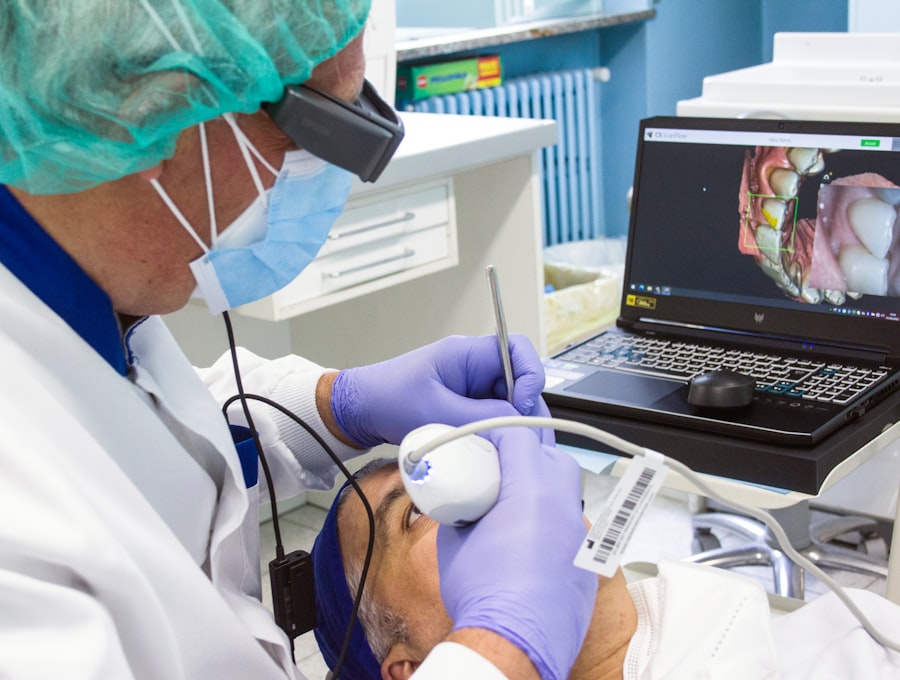
As clinical trials increasingly rely on digital solutions for data capture, ensuring data security and compliance with regulatory standards becomes paramount. Data capture software must incorporate robust security measures to protect sensitive patient information from unauthorized access or breaches. This includes implementing encryption protocols for data transmission and storage, as well as access controls that limit who can view or modify sensitive information.
Compliance with regulations such as HIPAA (Health Insurance Portability and Accountability Act) in the United States or GDPR (General Data Protection Regulation) in Europe is essential for maintaining participant trust and safeguarding their rights. Data capture software should be designed with these regulations in mind, providing features that facilitate compliance such as audit trails that track changes made to data over time. Regular security assessments and updates are also necessary to address emerging threats and vulnerabilities in an ever-evolving digital landscape.
Future Trends in Data Capture Software for Clinical Trials
The future of data capture software in clinical trials is poised for significant advancements driven by technological innovations and evolving research needs. One notable trend is the integration of artificial intelligence (AI) and machine learning (ML) capabilities into data capture systems. These technologies can enhance data analysis by identifying patterns or anomalies that may not be immediately apparent to human researchers.
AI-driven analytics can also assist in patient recruitment by analyzing demographic data to identify suitable candidates for trials more efficiently. Another emerging trend is the increasing use of mobile applications for data capture in clinical trials. With the proliferation of smartphones and wearable devices, researchers can collect real-time health data directly from participants through user-friendly mobile interfaces.
This approach not only improves participant engagement but also allows for more comprehensive data collection that reflects patients’ experiences outside clinical settings. As remote monitoring becomes more prevalent, integrating these mobile solutions with traditional data capture software will be essential for creating a holistic view of patient outcomes.
The Impact of Data Capture Software on the Future of Clinical Trials
The integration of data capture software into clinical trials represents a paradigm shift that has far-reaching implications for medical research. By addressing the challenges associated with traditional data collection methods, these innovative solutions enhance data quality, streamline processes, and improve collaboration among research teams. As technology continues to evolve, so too will the capabilities of data capture software, paving the way for more efficient and effective clinical trials.
The impact of these advancements extends beyond individual studies; they have the potential to accelerate drug development timelines, reduce costs associated with trial management, and ultimately bring new therapies to market more swiftly. As researchers embrace these tools, they will be better equipped to navigate the complexities of modern clinical trials while ensuring compliance with regulatory standards and safeguarding participant privacy. The future of clinical research is undoubtedly intertwined with advancements in data capture technology, promising a new era of innovation in healthcare.
