
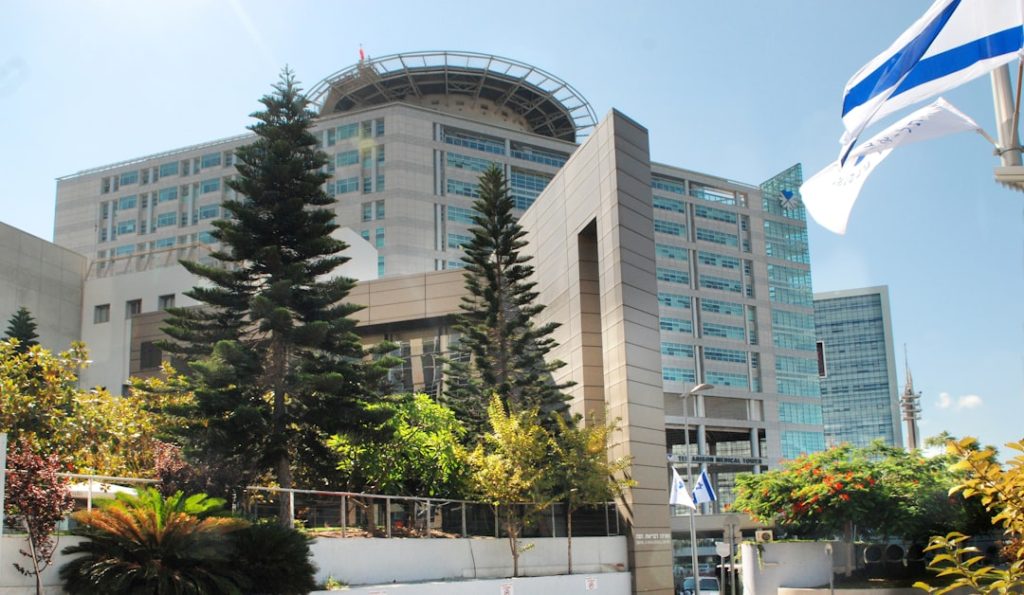
The Research Medical Building (RMB) stands as a significant development in medical infrastructure, designed to consolidate and advance healthcare services and research. This facility, a product of substantial investment and strategic planning, aims to create an environment conducive to interdisciplinary collaboration and the rapid translation of scientific discoveries into clinical practice. Its inception reflects a broader trend in healthcare towards integrated systems that prioritize patient-centric care and cutting-edge research.
The impetus behind the RMB’s construction stemmed from a recognized need to modernize existing medical facilities and to address the growing demands of both patient care and biomedical research. Prior to its establishment, various medical departments and research laboratories were often disparate, hindering efficient communication and resource sharing. The RMB endeavors to bridge these gaps, functioning as a central hub where clinicians, researchers, and educators can converge. This integration is crucial for fostering an ecosystem where innovation can flourish, much like a well-structured symphony orchestra, where individual talents coalesce to produce a harmonious and powerful result.

The design principles of the RMB emphasize functionality, flexibility, and a commitment to sustainability. From its architectural blueprint to the selection of interior materials, every aspect was meticulously planned to support its dual mission of advanced clinical care and pioneering research. The building is not merely a collection of rooms; it is a carefully calibrated instrument intended to amplify the impact of its occupants. This article will delve into the various facets of the RMB, exploring its architectural design, technological infrastructure, research initiatives, patient care facilities, and its broader impact on the healthcare landscape.
Historical Context and Rationale
The decision to construct the Research Medical Building was not an isolated event but rather the culmination of several years of strategic planning within the broader healthcare system it serves. Prior to its conception, the existing facilities, while functional, were reaching their operational limits regarding space, technological capacity, and adaptability for future growth. Many departments were housed in aging structures that lacked the integrated design necessary for modern medical practice and research.

A comprehensive needs assessment identified several critical deficiencies: fragmented departmental locations leading to logistical inefficiencies, outdated infrastructure unable to support emerging medical technologies, and a lack of dedicated collaborative spaces for interdisciplinary teams. The absence of such spaces often resulted in siloed research efforts, impeding the cross-pollination of ideas that is vital for innovation. Thus, the rationale for the RMB was multifaceted: to consolidate, modernize, and integrate. It was envisioned as a catalyst for transforming the institution’s healthcare delivery and research output, a nucleus around which future growth could be organized. Think of it as upgrading from a series of individual, disconnected workshops to a singular, state-of-the-art innovation center.
Funding and Development
The financing for the Research Medical Building involved a multi-pronged approach, reflecting the significant capital investment required for such a large-scale project. Primary funding sources included substantial institutional capital investments, state and federal grants earmarked for medical infrastructure and research, and philanthropic contributions from private donors and foundations. This layered funding model underscores the recognition of the RMB’s potential societal impact, attracting support from diverse stakeholders.
The development phase involved a rigorous process of architectural design, engineering, and construction management. An international consortium of architects and medical planning consultants was engaged to ensure the building met contemporary standards for healthcare facilities, research laboratories, and patient experience. The construction timeline was ambitious, requiring meticulous oversight to manage complex logistics, adhere to stringent building codes, and ensure minimal disruption to ongoing clinical operations. Throughout this process, a strong emphasis was placed on stakeholder engagement, with input from clinicians, researchers, patients, and administrative staff shaping the final design and functional layout. This collaborative approach aimed to create a facility that was not only structurally sound but also highly responsive to the needs of its future occupants and users.
Architectural Design and Infrastructure
The architectural design of the Research Medical Building embodies principles of modern healthcare facility planning, integrating aesthetics with functionality and sustainability. The structure is characterized by a modular design, allowing for future expansion and adaptation to evolving medical practices and technological advancements. The exterior presents a contemporary facade, employing materials selected for their durability, energy efficiency, and low maintenance requirements.
Internally, the layout prioritizes natural light, intuitive wayfinding, and the creation of a therapeutic environment. Atria and strategically placed windows maximize daylight penetration, which has been shown to positively impact occupant well-being and reduce energy consumption. The circulation pathways are designed to be clear and efficient, separating patient flows from staff and research activities where appropriate, minimizing congestion and optimizing operational logistics. The building’s footprint was strategically chosen to integrate seamlessly within the existing campus while providing ample space for its extensive program. It stands as a physical manifestation of progress, much like a meticulously engineered machine where every component serves a precise purpose.
Sustainable Design Elements
A core tenet of the Research Medical Building’s design is its commitment to environmental sustainability. This is not merely an aesthetic choice but a fundamental operational philosophy. The building incorporates a range of green building technologies and practices aimed at reducing its ecological footprint and enhancing long-term operational efficiency. For instance, the selection of building materials prioritizes recycled content and locally sourced products where feasible, reducing embodied energy and supporting regional economies.
Energy efficiency measures include a high-performance building envelope that minimizes heat gain and loss, advanced HVAC systems with heat recovery capabilities, and sophisticated lighting control systems that adjust based on occupancy and natural light levels. Water conservation strategies are also integrated, such as low-flow fixtures and rainwater harvesting for irrigation and other non-potable uses. The building’s roof incorporates vegetated elements, contributing to stormwater management, reducing the urban heat island effect, and providing aesthetic benefits. These sustainable design elements not only reduce operational costs but also align with a broader institutional commitment to environmental stewardship, positioning the RMB as a model for future developments.
Advanced Technological Integration
The infrastructure of the Research Medical Building is deeply entwined with advanced technological systems, crucial for modern medical practice and research. This integration is evident across all operational layers, from building management to specialized laboratory equipment. The building features an advanced digital infrastructure, including high-speed fiber optic networks that support massive data transfer for research computations, imaging, and tele-medicine applications. This robust network backbone is essential for supporting a facility that operates at the forefront of medical technology, much like the nervous system of a complex organism.
Laboratory spaces are equipped with state-of-the-art ventilation systems capable of handling hazardous materials, ensuring researcher safety and compliance with stringent regulatory standards. Specialized research zones include biosafety level (BSL) laboratories for handling infectious agents, cleanrooms for sensitive experiments, and advanced imaging suites with MRI, CT, and PET scanners. Furthermore, the building incorporates smart building management systems that continuously monitor and optimize environmental conditions, energy consumption, and security protocols. Integrated security systems include access control, sophisticated surveillance, and emergency communication networks to ensure the safety and integrity of operations. This technological framework is designed not only to support current needs but also to anticipate and accommodate future advancements, ensuring the RMB remains a relevant and effective facility for decades to come.
Research and Innovation Hub
The Research Medical Building serves as a primary hub for biomedical research, consolidating diverse scientific disciplines under one roof. Its design facilitates a collaborative ecosystem, moving away from disparate departmental silos towards integrated research programs. The building houses various specialized laboratories, ranging from molecular biology and genetics to clinical trials and bioinformatics.
The emphasis is on translational research, where basic scientific discoveries are rapidly moved from the bench to the bedside. This necessitates close interaction between fundamental scientists and clinical practitioners, a dynamic actively fostered by the building’s layout and dedicated collaborative spaces. The RMB functions as a crucible for new ideas, where the collision of different perspectives and expertise is not just encouraged but structurally facilitated. This integrated approach is critical for addressing complex health challenges that require multi-faceted solutions.
Collaborative Research Programs
One of the cornerstone features of the Research Medical Building is its emphasis on interdisciplinary collaboration. Recognizing that many significant breakthroughs occur at the intersection of different fields, the building’s layout includes numerous dedicated collaborative spaces, ranging from informal lounge areas to formal meeting rooms equipped with advanced audiovisual technology. These spaces are intentionally designed to encourage spontaneous interactions and planned brainstorming sessions between researchers from disparate backgrounds, such as biologists, engineers, clinicians, and data scientists.
Key collaborative programs housed within the RMB include initiatives focused on precision medicine, where genetic and lifestyle data are used to tailor treatments; advanced imaging research, pushing the boundaries of diagnostic capabilities; and novel therapeutic development, exploring new drugs and treatment modalities. These programs often involve complex project teams that transcend traditional departmental boundaries, requiring shared resources and expertise. The building’s infrastructure, including its robust data networks and shared laboratory equipment platforms, provides the necessary support for these intricate collaborative efforts, much like a central nervous system coordinating diverse bodily functions.
Core Research Facilities
The Research Medical Building is equipped with a suite of core research facilities that provide critical services and specialized equipment to all resident investigators. These shared resources reduce redundancy, optimize capital investment, and provide access to technologies that would be financially prohibitive for individual laboratories. These core facilities act as engines for discovery, providing indispensable tools for researchers.
Examples include a state-of-the-art genomics core, offering high-throughput sequencing and genotyping services; a proteomics core, specializing in protein identification and quantification; and an advanced microscopy suite, featuring electron microscopy, confocal microscopy, and super-resolution imaging capabilities. Furthermore, there is a dedicated vivarium for animal model studies, meticulously managed to meet ethical and regulatory standards, ensuring the humane treatment of research animals. A bioinformatics and computational biology core provides essential data analysis, storage, and computational support for handling the vast datasets generated by modern biomedical research. These core facilities are overseen by highly skilled technical staff who provide training, consultation, and equipment maintenance, ensuring that researchers have access to the highest quality resources and expertise.
Patient Care Facilities
Beyond its research mandate, the Research Medical Building integrates advanced patient care facilities designed to provide comprehensive and specialized medical services. The patient care areas are engineered to offer a seamless and supportive experience, reflecting a patient-centered approach to healthcare delivery. The clinical spaces are equipped with modern medical technology and are designed to accommodate a high volume of patients while maintaining standards of comfort and privacy.
The integration of patient care within a research facility is strategic. It allows for the rapid translation of research findings into clinical applications, offering patients access to cutting-edge treatments and clinical trials. This proximity also fosters a direct feedback loop between clinicians and researchers, ensuring that research questions remain clinically relevant and that patient needs directly inform scientific inquiry. The building thus functions as a living laboratory where medical innovation is directly applied to improve patient outcomes, much like a bridge connecting theory to practice.
Specialized Clinics and Services
The Research Medical Building houses a diverse array of specialized clinics and medical services, catering to complex and high-acuity patient needs. These clinics are staffed by multidisciplinary teams of physicians, nurses, and allied health professionals, providing comprehensive care across various medical specialties. The organization of these clinics within the RMB is designed to optimize patient flow and access to integrated services, minimizing the need for patients to travel between different facilities.
Examples of specialized clinics include advanced oncology centers, offering chemotherapy, radiation therapy, and surgical oncology; neurology clinics focused on conditions such as epilepsy, stroke, and neurodegenerative diseases; and cardiology units providing diagnostic, interventional, and rehabilitative cardiac care. The building also features specialized diagnostic imaging services, including advanced MRI, CT, and ultrasound capabilities, ensuring accurate and timely diagnoses. Furthermore, dedicated outpatient surgery units allow for minimally invasive procedures, reducing recovery times and enhancing patient convenience. The consolidation of these services within a single facility streamlines care coordination and improves overall patient experience, akin to a finely tuned ecosystem where all necessary components are present and interact efficiently.
Patient Experience and Amenities
Recognizing that the patient experience is an integral part of healthcare, the Research Medical Building has been designed with numerous amenities and features aimed at enhancing comfort, accessibility, and overall well-being for patients and their families. The emphasis is on creating a supportive and calming environment that mitigates the stress often associated with medical visits.
Waiting areas are designed to be spacious and filled with natural light, offering comfortable seating, charging stations, and access to Wi-Fi. Artwork and carefully selected finishes contribute to a serene and aesthetically pleasing atmosphere. Accessibility is a key consideration, with wide corridors, easily navigable layouts, and accessible restrooms throughout the building to accommodate individuals with mobility challenges. Wayfinding systems, including digital signage and intuitive floor plans, are implemented to help patients and visitors navigate the facility with ease. Additionally, the RMB includes amenities such as on-site dining options, pharmacy services, and patient education resources. Private consultation rooms and family waiting areas offer spaces for sensitive conversations and support. These features demonstrate a commitment to holistic patient care, addressing not only medical needs but also the psychological and practical aspects of the healthcare journey.
Community Engagement and Outreach
| Metric | Value | Unit | Description |
|---|---|---|---|
| Total Floor Area | 25,000 | sq meters | Overall usable space within the building |
| Number of Laboratories | 40 | labs | Dedicated research labs for various medical studies |
| Number of Research Staff | 150 | persons | Scientists, technicians, and support staff |
| Annual Research Output | 120 | publications | Peer-reviewed papers published per year |
| Funding Received | 10 | million | Annual research funding (in millions) |
| Energy Consumption | 1,200 | MWh/year | Annual energy usage of the building |
| Safety Compliance Rate | 98 | % | Compliance with medical research safety standards |
| Number of Clinical Trial Rooms | 10 | rooms | Rooms dedicated to clinical trials and patient studies |
The Research Medical Building is not an isolated entity but an integral part of the broader community it serves. Its mission extends beyond internal research and patient care to active engagement with the public, aiming to foster health literacy, promote preventive care, and involve the community in its research endeavors. This outreach is crucial for building trust, disseminating knowledge, and ensuring that the institution’s work remains relevant to societal needs.
Community engagement initiatives are diverse, ranging from health education programs to opportunities for public participation in research. The building itself, with its transparent design and accessible public spaces, aims to demystify complex medical science and create an inviting atmosphere. This proactive approach to engagement establishes the RMB as a resource not just for patients and researchers, but for the entire community, much like a lighthouse guiding ships through uncertain waters.
Educational Programs and Health Literacy
A significant component of the Research Medical Building’s community engagement strategy revolves around educational programs and initiatives aimed at improving health literacy within the local population. These programs are designed to empower individuals with the knowledge and tools necessary to make informed decisions about their health and well-being. The RMB frequently hosts public seminars, workshops, and health fairs on a variety of topics, including chronic disease management, preventative screenings, nutrition, and mental health.
These educational efforts often leverage the expertise of the researchers and clinicians working within the building, providing direct access to cutting-edge medical information. Partnerships with local schools and community organizations are also established to develop age-appropriate health education curricula and outreach activities. The goal is not only to disseminate information but also to foster a culture of health and proactive wellness within the community, moving beyond reactive treatment to preventative care. The RMB serves as a hub for this knowledge transfer, acting as a vital conduit between medical science and public understanding.
Public Involvement in Research
The Research Medical Building actively seeks to involve the public in its research activities, recognizing the ethical imperative and practical benefits of patient and community participation. This involvement takes various forms, from serving on advisory boards to participating in clinical trials and studies. Public input ensures that research questions are relevant to community needs and that study designs are practical and ethical.
Opportunities for public involvement are broadly communicated through community channels, dedicated websites, and engagement events. Clinical trial coordinators and research navigators guide interested participants through the process, ensuring informed consent and addressing any concerns. The RMB maintains a transparent approach to research, sharing findings with participants and the broader public in an accessible manner. This reciprocal relationship between the institution and the community not only accelerates the pace of research by facilitating recruitment but also builds trust and ensures that the research conducted within the RMB ultimately benefits those it aims to serve. This integration of the public into the scientific process transforms research into a collaborative societal endeavor, rather than a secluded academic pursuit.
