
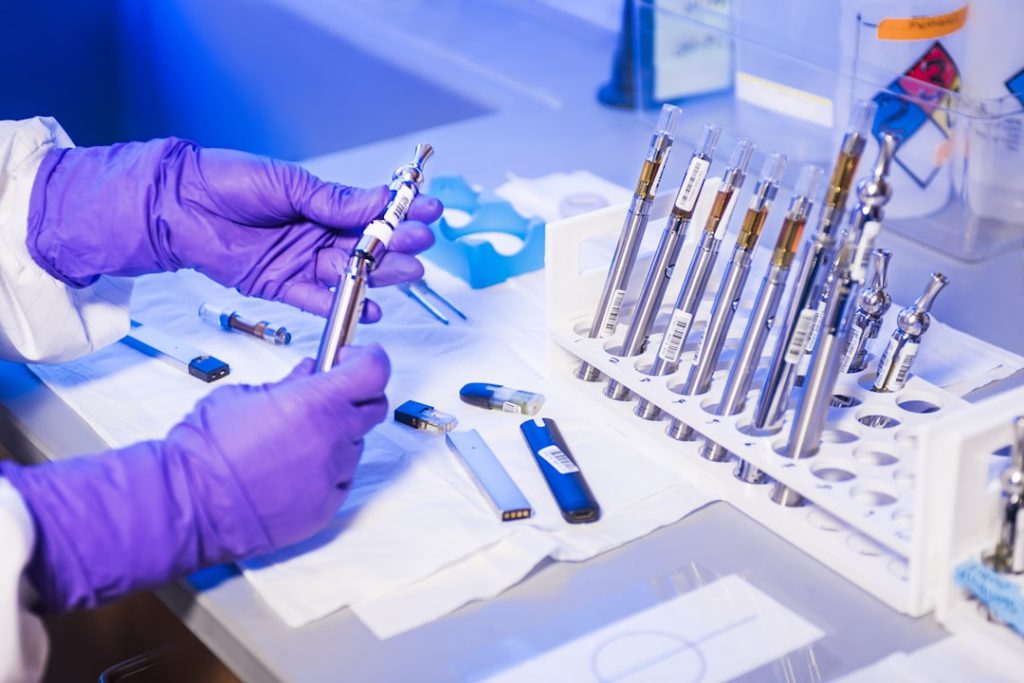
Sanofi, a global pharmaceutical company, actively engages in clinical trials to develop and evaluate new medical treatments. These trials are a critical component of the drug development process, designed to assess the safety and efficacy of potential therapies before they can be approved for widespread use. This article examines Sanofi’s approach to clinical trials, their structure, ethical considerations, and their contribution to medical research.
Sanofi conducts clinical trials across a broad spectrum of therapeutic areas, including immunology, oncology, rare diseases, neuroscience, and vaccines. These trials are fundamental to the company’s mission of bringing innovative medicines to patients. Without rigorous testing in human subjects, the journey from laboratory discovery to accessible treatment would be incomplete. Consider a clinical trial as the final proof-of-concept for a new medication, a rigorous stress test before it can be deemed roadworthy for the general public.
Therapeutic Areas of Focus

Sanofi’s research priorities align with significant unmet medical needs. Their pipeline features investigations into:
- Oncology: Development of novel cancer treatments, including targeted therapies and immunotherapies. This involves trials across various cancer types, from early-stage investigations to late-phase studies evaluating survival outcomes.
- Immunology: Research into autoimmune diseases such as rheumatoid arthritis, multiple sclerosis, and inflammatory bowel disease, seeking to modulate immune responses.
- Rare Diseases: Efforts to address conditions affecting small populations, often with limited treatment options. This segment presents unique challenges in trial design due to patient recruitment difficulties.
- Neuroscience: Exploration of treatments for neurological disorders, including Alzheimer’s disease and Parkinson’s disease. These trials often require specialized endpoints and extended observation periods.
- Vaccines: Continuous development and improvement of vaccines for infectious diseases, covering both established pathogens and emerging threats. This area is particularly dynamic, with rapid response capabilities often required.
Phases of Clinical Trials
Sanofi follows the internationally recognized phased approach to clinical trial development, each phase serving a distinct purpose:
- Phase 1 Trials: These initial human studies involve a small group of healthy volunteers or patients with the condition. The primary objective is to evaluate the drug’s safety, determine a safe dosage range, and identify potential side effects. This phase acts as an initial filter, sifting out compounds with unacceptable toxicity profiles.
- Phase 2 Trials: Involving a larger group of patients, Phase 2 trials aim to assess the drug’s effectiveness and further evaluate its safety. Researchers gather preliminary data on how well the drug works for a specific condition and continue to monitor for adverse events. This phase is crucial for establishing proof of concept in a target patient population.
- Phase 3 Trials: These large-scale trials, involving hundreds to thousands of patients, compare the new drug to standard treatments or a placebo. The goal is to confirm efficacy, monitor side effects, compare it to commonly used treatments, and collect information that will allow the drug to be used safely. Successful completion of Phase 3 is typically required for regulatory approval.
- Phase 4 Trials (Post-Market Surveillance): After a drug receives regulatory approval, Sanofi continues to monitor its safety and effectiveness in the broader patient population. These ongoing studies can identify rare or long-term side effects not detected in earlier phases, and may explore new indications for the drug. This is an ongoing vigilance, like a lighthouse constantly scanning for potential hazards even after a ship has reached port.
Ethical Framework and Patient Safety

The conduct of clinical trials by Sanofi, like all legitimate pharmaceutical research, is governed by stringent ethical guidelines and regulatory frameworks. These frameworks prioritize the safety, rights, and well-being of trial participants above all else.
Institutional Review Boards (IRBs)
Every clinical trial protocol must be reviewed and approved by an independent Institutional Review Board (IRB) or Ethics Committee (EC). These bodies, composed of medical professionals, scientists, and lay members, scrutinize the trial design, participant risks and benefits, and informed consent process. Their approval is a prerequisite for commencing any human study. Think of the IRB as the architect and builder inspector, ensuring the structural integrity and safety standards of the entire clinical trial edifice.
Informed Consent Process
Before participating in any Sanofi clinical trial, individuals must provide informed consent. This process involves thoroughly explaining the trial’s purpose, procedures, potential risks and benefits, and alternative treatment options. Participants are informed that their participation is voluntary and that they can withdraw at any time without penalty. This is not merely a formality; it is a fundamental ethical cornerstone, granting patients agency and autonomy.
Data Monitoring Committees (DMCs)
For many late-phase trials, an independent Data Monitoring Committee (DMC) or Data Safety Monitoring Board (DSMB) is established. This committee periodically reviews unblinded data from the ongoing trial to monitor for safety concerns and efficacy trends. If serious safety issues emerge or if the treatment proves overwhelmingly effective (or ineffective), the DMC can recommend modifying or even stopping the trial prematurely. This acts as a crucial safeguard, an early warning system designed to protect participants.
Operational Aspects of Clinical Trials

Conducting clinical trials requires substantial resources, meticulous planning, and global coordination. Sanofi leverages a network of research sites, investigators, and support staff to manage its extensive trial portfolio.
Study Design and Protocol Development
The foundation of any robust clinical trial is its study design and protocol. This document outlines in detail every aspect of the trial, including:
- Objectives: Clearly defined primary and secondary endpoints.
- Patient Population: Inclusion and exclusion criteria to ensure the appropriate participants are enrolled.
- Treatment Regimen: Dosage, administration, and duration of the investigational drug.
- Assessment Procedures: Schedule of visits, tests, and measurements.
- Statistical Analysis Plan: Methods for analyzing data and interpreting results.
- Data Collection and Management: Procedures for collecting, recording, and safeguarding trial data.
A well-crafted protocol acts as the blueprint for the entire study, ensuring consistency and scientific rigor across all participating sites.
Site Selection and Investigator Training
Sanofi identifies and partners with qualified clinical research sites and investigators globally. Site selection involves evaluating a site’s infrastructure, patient population access, and the experience of its research team. Investigators and their staff receive comprehensive training on the study protocol, good clinical practice (GCP) guidelines, and investigational product handling. This ensures that all personnel involved adhere to the highest standards of research conduct and patient care.
Patient Recruitment and Retention
Enrolling the right patients in a timely manner is often a significant challenge in clinical trials. Sanofi employs various strategies, including partnerships with patient advocacy groups, outreach to healthcare providers, and online platforms, to identify eligible participants. Once enrolled, patient retention is critical to ensure the completeness of data and the statistical power of the study. Strategies for retention include regular communication, convenient scheduling, and addressing patient concerns promptly.
Impact and Future Directions

Sanofi’s sustained investment in clinical trials contributes to the global body of medical knowledge and the development of new therapies. The outcomes of these trials have direct implications for patient care and public health.
Contribution to Medical Knowledge
Beyond developing new drugs, clinical trials generate invaluable data that enhances our understanding of diseases, their progression, and the mechanisms of action of various therapies. This knowledge can also inform future research directions, identifying new therapeutic targets or refining existing treatment paradigms. Each trial, regardless of its ultimate success in bringing a new drug to market, adds another brick to the edifice of scientific understanding.
Regulatory Submissions and Approvals
Successful clinical trials culminate in regulatory submissions to health authorities such as the U.S. Food and Drug Administration (FDA) and the European Medicines Agency (EMA). These submissions include comprehensive data packages from all phases of development. Regulatory bodies meticulously review these data to determine whether the benefits of the new drug outweigh its risks, ultimately deciding on its approval for use by patients.
Innovations in Clinical Trial Design
Sanofi continually explores innovative approaches to clinical trial design to improve efficiency, reduce costs, and enhance the patient experience. This includes:
- Adaptive Trial Designs: These designs allow for modifications to the trial protocol (e.g., sample size, treatment arms) based on interim data, potentially accelerating drug development. This offers flexibility, allowing researchers to adjust their sails mid-voyage based on prevailing winds.
- Real-World Evidence (RWE): Utilizing data from electronic health records, claims databases, and patient registries to complement traditional clinical trial data, informing regulatory decisions and post-market surveillance.
- Digital Technologies: Implementation of wearable devices, telemedicine, and remote monitoring to collect data more efficiently, reduce patient burden, and expand geographic reach.
- Patient-Centric Approaches: Shifting focus to design trials that better meet the needs and preferences of patients, improving recruitment and retention. This can involve incorporating patient input from the earliest stages of protocol development.
Challenges and Opportunities
The landscape of clinical research is dynamic, presenting both ongoing challenges and new opportunities. Challenges include rising costs, increasing regulatory complexity, and the difficulty of recruiting diverse patient populations. Opportunities lie in harnessing emerging technologies like artificial intelligence for data analysis and drug discovery, fostering greater collaboration with academic institutions and smaller biotech companies, and further developing personalized medicine approaches. Sanofi, like other major players in the pharmaceutical industry, navigates these currents, consistently seeking pathways to deliver impactful medical advancements.
By adhering to rigorous scientific and ethical standards, Sanofi’s clinical trial program endeavors to bring safe and effective treatments to patients worldwide, contributing directly to the ongoing evolution of modern medicine.
