
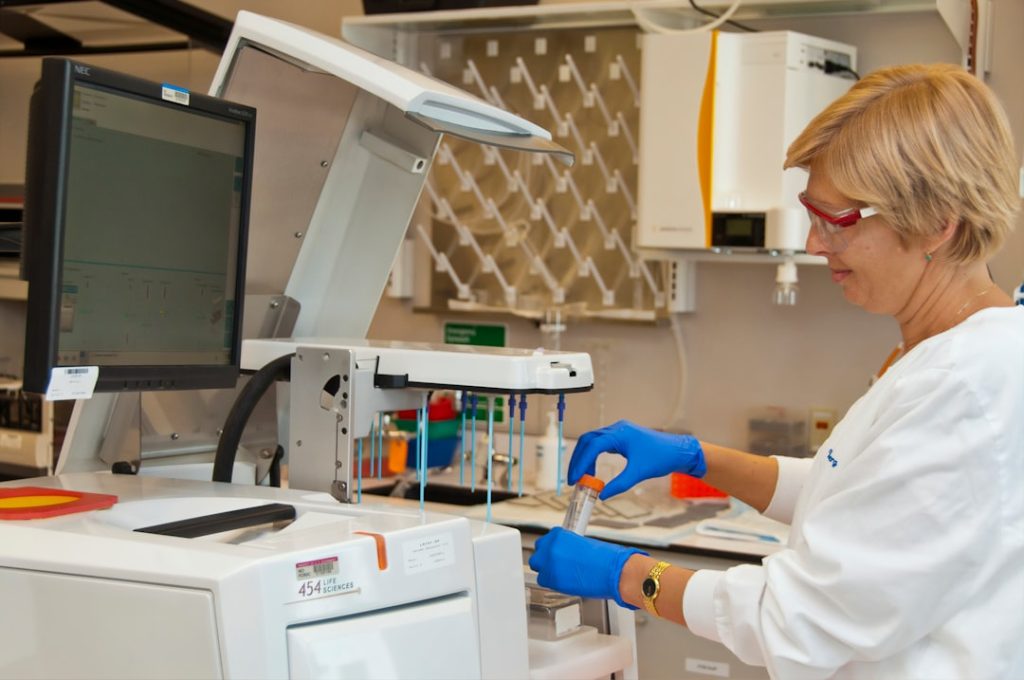
Clinical research constitutes an essential element of medical science, functioning as the connection between laboratory findings and their implementation in patient treatment. This field includes diverse studies that assess the safety, efficacy, and effectiveness of novel treatments, pharmaceuticals, and medical devices. The research process follows a systematic structure, typically incorporating multiple phases that ensure comprehensive evaluation before new interventions receive market approval.
This methodical approach protects patient safety while establishing the reliability of medical innovations. Clinical research forms the foundation of contemporary medicine and drives healthcare advancement. It facilitates the development of new therapies for chronic conditions and the creation of advanced surgical procedures.

The research process requires coordination between multiple parties, including scientists, medical practitioners, regulatory agencies, and study participants. Each stakeholder contributes to verifying that new treatments demonstrate both effectiveness and safety for widespread clinical use.
Key Takeaways
- Clinical research progresses from preclinical lab and animal studies to multiple phases of human trials.
- Phase I trials focus on safety testing in healthy volunteers.
- Phase II and III trials assess treatment efficacy and side effects in patient populations.
- Regulatory approval follows successful trials, with ongoing post-market safety monitoring.
- Ensuring patient access and reimbursement is crucial for delivering new treatments to those in need.
Preclinical Research: From Lab to Animal Studies

Before any clinical trial can commence, extensive preclinical research is conducted to gather preliminary data on a new treatment’s safety and biological activity. This phase typically involves laboratory experiments using cell cultures and animal models to assess how a potential drug interacts with biological systems. Researchers aim to identify any toxic effects, optimal dosages, and mechanisms of action.
For instance, a new cancer drug might be tested in vitro on cancer cell lines to observe its effects on cell growth and apoptosis before moving on to animal studies. Animal studies are a critical step in preclinical research, as they provide insights into how a treatment behaves in a living organism. These studies help researchers understand pharmacokinetics—the absorption, distribution, metabolism, and excretion of the drug—as well as pharmacodynamics, which examines the drug’s biological effects.
For example, if a new medication shows promise in reducing tumor size in mice, researchers can then analyze its safety profile and potential side effects before considering human trials. This phase is essential for minimizing risks and ensuring that only the most promising candidates advance to clinical testing.
Phase I Clinical Trials: Testing on Healthy Volunteers

Phase I clinical trials mark the first time a new treatment is administered to humans. These trials primarily focus on assessing the safety and tolerability of a drug or intervention. Typically involving a small group of healthy volunteers—often between 20 to 100 participants—Phase I trials aim to determine the maximum tolerated dose and identify any adverse effects that may arise from the treatment.
Researchers closely monitor participants for any signs of toxicity or unexpected reactions. In addition to safety assessments, Phase I trials also provide valuable information about how the drug is metabolized in humans. For instance, researchers may collect blood samples at various intervals to measure drug levels and understand how quickly it is eliminated from the body.
This data is crucial for determining appropriate dosing regimens for subsequent phases of clinical trials. While Phase I trials are primarily concerned with safety, they also lay the groundwork for understanding the pharmacological properties of the treatment, which will inform later stages of research.
Phase II Clinical Trials: Testing on Patients
Once a treatment has successfully passed Phase I trials, it progresses to Phase II trials, where it is tested on a larger group of patients who have the condition the drug aims to treat. This phase typically involves several hundred participants and focuses on evaluating the treatment’s efficacy while continuing to monitor its safety. Researchers aim to determine whether the drug produces a beneficial effect on the disease or condition being studied.
In Phase II trials, researchers often employ various endpoints to measure efficacy, such as changes in disease symptoms or biomarkers. For example, in a trial for a new diabetes medication, researchers might assess changes in blood glucose levels among participants over a specified period. This phase is critical for establishing whether the treatment has the desired therapeutic effect and for refining dosing strategies based on patient responses.
Additionally, Phase II trials may include different cohorts based on factors like disease severity or previous treatment history, allowing for a more nuanced understanding of how different populations respond to the intervention.
Phase III Clinical Trials: Large-Scale Testing on Patients
| Stage | Purpose | Participants | Duration | Key Metrics |
|---|---|---|---|---|
| Preclinical | Assess safety and biological activity in lab and animal studies | None (laboratory and animal models) | 1-3 years | Toxicity, pharmacokinetics, pharmacodynamics |
| Phase 1 | Evaluate safety, dosage, and side effects | 20-100 healthy volunteers or patients | Several months | Maximum tolerated dose, adverse events, pharmacokinetics |
| Phase 2 | Assess efficacy and side effects | 100-300 patients with the condition | Several months to 2 years | Response rate, optimal dose, safety profile |
| Phase 3 | Confirm effectiveness, monitor side effects, compare to standard treatments | 1,000-3,000 patients | 1-4 years | Clinical efficacy, adverse events, quality of life |
| Phase 4 (Post-Marketing) | Monitor long-term effects and effectiveness in general population | Thousands of patients | Ongoing | Long-term safety, rare side effects, real-world effectiveness |
Phase III clinical trials represent a pivotal stage in the clinical research process, as they involve large-scale testing of the treatment across diverse patient populations. These trials typically enroll hundreds to thousands of participants and are designed to confirm the efficacy observed in Phase II while further assessing safety. The results from Phase III trials are crucial for regulatory approval and can significantly influence clinical practice.
In this phase, researchers often employ randomized controlled trial designs, where participants are randomly assigned to receive either the experimental treatment or a placebo (or standard treatment). This design helps eliminate bias and ensures that any observed effects can be attributed to the intervention itself. For instance, if a new cardiovascular drug is being tested, researchers will compare outcomes such as heart attack rates or improvements in heart function between those receiving the drug and those receiving placebo.
The data collected during Phase III trials not only informs regulatory submissions but also provides essential information for healthcare providers regarding the treatment’s effectiveness in real-world settings.
Regulatory Approval and Post-Market Surveillance

Following successful completion of Phase III trials, researchers compile their findings into a comprehensive application for regulatory approval from agencies such as the U.S. Food and Drug Administration (FDA) or the European Medicines Agency (EMA). This application includes detailed data on safety, efficacy, manufacturing processes, and proposed labeling for the treatment.
Regulatory bodies meticulously review this information before granting approval for public use. Once a treatment is approved, it does not enter the market without ongoing scrutiny. Post-market surveillance is an essential component of ensuring long-term safety and effectiveness.
This phase involves monitoring adverse events and collecting real-world data on how the treatment performs outside of controlled trial settings. For example, healthcare providers may report any unexpected side effects experienced by patients taking a newly approved medication. Regulatory agencies may require additional studies or risk management plans based on these findings to ensure that any emerging safety concerns are addressed promptly.
Access and Reimbursement for Patients
Even after regulatory approval, access to new treatments can be complex due to various factors such as cost, insurance coverage, and healthcare policies. Once a drug is approved, pharmaceutical companies often engage in negotiations with insurance providers to determine reimbursement rates. The pricing strategy can significantly impact patient access; high costs may limit availability for those without adequate insurance coverage or financial resources.
In many cases, health technology assessments (HTAs) are conducted by governmental or independent organizations to evaluate the cost-effectiveness of new treatments compared to existing options. These assessments help inform decisions about whether a treatment will be included in formularies or covered by insurance plans. For instance, if a new cancer therapy demonstrates significant survival benefits but comes with a high price tag, HTA organizations will analyze its value relative to current treatments before making recommendations on reimbursement policies.
Ensuring equitable access to innovative therapies remains a critical challenge in healthcare systems worldwide.
Bringing New Treatments to Patients
The journey from laboratory discovery to patient care is long and complex, involving multiple phases of research designed to ensure safety and efficacy at every step. Clinical research plays an indispensable role in this process by rigorously testing new treatments before they reach patients. Each phase—from preclinical studies through Phase I, II, and III trials—contributes vital information that shapes our understanding of how new interventions can improve health outcomes.
As we continue to advance our knowledge and capabilities in clinical research, it is essential to prioritize not only scientific rigor but also patient access and affordability. The ultimate goal remains clear: bringing innovative treatments to patients who need them most while ensuring their safety and effectiveness in real-world applications. Through collaboration among researchers, healthcare providers, regulatory agencies, and patients themselves, we can continue to push the boundaries of medical science and improve health outcomes for all.
