

Data management systems (DMS) play a critical role in the contemporary landscape of clinical trials. These systems are designed to organize, store, and process the vast amounts of data generated throughout the various phases of a trial. The primary objective is to enhance the efficiency, accuracy, and integrity of clinical research, ultimately contributing to the timely development of new medical treatments. This article will explore the functionalities, benefits, challenges, and future directions of DMS in streamlining clinical trials.
Clinical trials are complex undertakings, akin to intricate ecosystems where every data point is a species crucial for balance. Historically, data collection and management relied heavily on paper-based methods, leading to inefficiencies, increased error rates, and significant delays. The advent of digital tools, particularly purpose-built data management systems, has transformed this paradigm.
Data Acquisition Methods

Effective data acquisition is the bedrock of any robust DMS. It involves capturing information from diverse sources, ensuring its completeness and accuracy from the outset.
Electronic Data Capture (EDC) Systems
Electronic Data Capture (EDC) systems are central to modern clinical trial data acquisition. These systems allow for the direct entry of patient data into electronic forms, often at clinical sites. This approach eliminates the need for paper case report forms (CRFs), reducing transcription errors and expediting data availability. EDC systems typically incorporate validation checks at the point of entry, preventing common mistakes such as out-of-range values or inconsistent entries. They also facilitate remote monitoring by sponsors and contract research organizations (CROs), allowing for real-time review of collected data. This immediate feedback loop is crucial for identifying potential issues early in the trial, such as incomplete data or protocol deviations.
Integration with Electronic Health Records (EHR)

The integration of DMS with Electronic Health Records (EHR) systems represents a significant advancement. This integration can automate the extraction of relevant patient data directly from clinical care settings, reducing manual data entry and potential for human error. While promising, this integration presents challenges related to data interoperability, privacy regulations (such as HIPAA and GDPR), and the standardization of medical terminology. Successful integration requires robust technical infrastructure and clear agreements between healthcare providers and research organizations. The goal is to create a seamless flow of data, from patient care to clinical research, minimizing duplication of effort and maximizing data utility.
Wearable Devices and Sensors
The increasing adoption of wearable devices and remote sensors in clinical trials offers a new frontier for data acquisition. These devices can continuously collect physiological data (e.g., heart rate, sleep patterns, activity levels) and patient-reported outcomes (PROs) in real-time, providing a more comprehensive and ecologically valid picture of a patient’s health status. This form of “big data” from continuous monitoring introduces new data management challenges related to storage, processing, and analysis of high-frequency data streams. The sheer volume and velocity of this data necessitate advanced analytical capabilities within the DMS to extract meaningful insights without overwhelming researchers.
Data Standardization and Harmonization
Data standardization and harmonization are essential for ensuring data quality and comparability across different studies and sites. This is akin to building roads that seamlessly connect different cities rather than disparate paths.
CDISC Standards
The Clinical Data Interchange Standards Consortium (CDISC) provides globally recognized standards for the entire clinical research process. These standards, such as Study Data Tabulation Model (SDTM) and Analysis Data Model (ADaM), ensure that data are structured and organized in a consistent manner. Adherence to CDISC standards facilitates data exchange with regulatory agencies (e.g., FDA, EMA) and simplifies data aggregation for meta-analyses. Implementing CDISC standards early in the trial design phases can prevent significant reformatting efforts later, saving time and resources.
Controlled Terminologies
Utilizing controlled terminologies (e.g., MedDRA for adverse events, SNOMED CT for medical concepts) reduces ambiguity and ensures consistent interpretation of clinical data. These standardized vocabularies are embedded within DMS to guide data entry and categorization. This level of standardization is critical for accurate data queries, analyses, and reporting, reducing the subjective interpretation often associated with free-text entries. The consistent use of such terminologies is a critical component of data harmonization.
Core Functionalities of Data Management Systems
A well-designed DMS acts as the central nervous system of a clinical trial, coordinating and processing information flows. Its functionalities extend beyond mere data storage, encompassing a suite of tools designed to ensure data quality and integrity.
Data Validation and Cleaning
Data validation and cleaning are continuous processes within a DMS, not merely post-collection tasks. These processes are like a quality control checkpoint on an assembly line.
Edit Checks and Queries
DMS incorporates automated edit checks that identify illogical or inconsistent data entries at the point of collection or during subsequent review. These checks can range from simple range checks (e.g., age cannot be negative) to complex cross-form validation rules (e.g., pregnancy status consistency). When discrepancies are detected, the system generates data queries, which are then routed to the relevant clinical site personnel for clarification or correction. Efficient query management workflows are crucial for resolving data discrepancies promptly and maintaining data quality throughout the trial.
Double Data Entry
For certain critical data fields, especially in older systems or for paper-based data collection, double data entry (DDE) can be employed. This involves two independent data entry personnel entering the same data, with any discrepancies flagged for resolution. While increasingly less common with the prevalence of EDC, DDE historically served as a robust method for minimizing transcription errors in high-stakes data. Modern EDC systems largely mitigate the need for DDE by incorporating real-time validation and source data verification.
Source Data Verification (SDV)
Source Data Verification (SDV) involves comparing the data entered into the DMS with the original source documents (e.g., patient medical records, lab results) to ensure accuracy and completeness. While traditionally a labor-intensive, on-site process, DMS can facilitate remote SDV capabilities by providing secure access to electronic source documents. Risk-based monitoring (RBM) strategies, supported by DMS analytics, can optimize SDV efforts by focusing resources on critical data points and sites with higher error rates, shifting from 100% SDV to more targeted approaches.
Data Security and Access Control
Given the sensitive nature of patient data, robust security and access control mechanisms are paramount in a DMS. This is akin to a secure vault for sensitive documents.
Role-Based Access
DMS employs role-based access control (RBAC), ensuring that users only have access to the data and functionalities relevant to their specific roles within the clinical trial. For example, a site coordinator might have access to enter and edit patient data for their site, while a statistician might have read-only access to aggregated, anonymized data for analysis. This minimizes the risk of unauthorized data access or modification.
Audit Trails
Comprehensive audit trails are a non-negotiable feature of a compliant DMS. Every action performed within the system – data entry, modification, deletion, query resolution, user logins – is recorded with a timestamp and the identity of the user. This creates an immutable record of all data changes, crucial for regulatory compliance, data integrity, and troubleshooting. The audit trail serves as a transparent history of the data’s journey.
Data Encryption and Backup
Data encryption protects sensitive patient information both in transit and at rest within the DMS. Secure communication protocols (e.g., TLS/SSL) are used for data transmission, while data stored on servers is often encrypted. Regular data backups, coupled with disaster recovery plans, ensure data availability and prevent data loss in the event of system failures or unforeseen incidents. These measures collectively safeguard the confidentiality and integrity of trial data.
Reporting and Analytics
DMS are not merely repositories; they are also engines for extracting insights. They serve as the telescope through which researchers observe the evolving landscape of their trial data.
Real-time Dashboards
Modern DMS often include real-time dashboards that provide an at-a-glance overview of key trial metrics. These dashboards can display enrollment progress, data entry status, query rates, adverse event reporting, and other critical indicators. This immediate visibility allows sponsors and investigators to monitor trial progress, identify bottlenecks, and make informed decisions promptly.
Ad-hoc Reporting Capabilities
Users can generate customized reports to address specific data needs. This flexibility is crucial for answering emergent questions or for detailed examination of particular data subsets. Ad-hoc reporting tools empower researchers to delve deeper into the data without having to rely solely on pre-defined report templates.
Integration with Statistical Software
Seamless integration with statistical analysis software (e.g., SAS, R, Python) is a cornerstone of an effective DMS. This allows for direct export of clean, organized data into statistical packages, facilitating efficient analysis by biostatisticians. This integration minimizes manual data handling and potential for errors during the transfer process.
Strategic Advantages of DMS

The adoption of DMS in clinical trials yields a multitude of strategic advantages that collectively enhance the prospects of successful trial execution and regulatory approval.
Enhanced Data Quality and Integrity
High-quality data is the currency of clinical research. DMS significantly improves data quality by minimizing human error and enforcing data consistency.
Reduced Human Error
Automated checks, standardized data entry forms, and immediate validation feedback loops inherent in DMS drastically reduce the incidence of human error compared to manual, paper-based processes. This reduction in errors directly translates to more reliable data for analysis.
Consistent Data Across Sites
For multi-center trials, a centralized DMS ensures that all sites are collecting and reporting data in a consistent manner, adhering to the same protocol and data standards. This consistency is vital for pooling data and drawing robust conclusions from the aggregated trial population.
Increased Efficiency and Faster Timelines
Time is a critical factor in drug development. DMS contribute to substantial efficiency gains throughout the trial lifecycle. This is like replacing a horse-drawn carriage with a modern automobile for swift journeys.
Accelerated Data Entry and Query Resolution
EDC systems enable rapid data entry, often eliminating transcription steps. The immediate flagging of discrepancies and automated query workflows accelerate the resolution of data issues, reducing the time spent on data cleaning.
Real-time Data Access for Decision-Making
Sponsors and investigators have continuous access to trial data, allowing for ongoing monitoring of patient safety, treatment efficacy, and overall trial progress. This real-time visibility supports proactive decision-making, such as adjusting recruitment strategies or implementing protocol amendments.
Streamlined Regulatory Submissions
Standardized data formats (e.g., CDISC) facilitated by DMS simplify the process of preparing data for submission to regulatory authorities. This reduces the time and effort required for data transformation and validation checks during the submission phase, potentially accelerating review times.
Cost Reduction
While initial investment in a robust DMS can be substantial, the long-term cost savings are often significant.
Reduced Monitoring Costs
With real-time data access and risk-based monitoring capabilities, site visits for source data verification can be optimized, reducing travel and personnel costs associated with traditional monitoring.
Minimized Data Errors and Rework
Fewer data errors lead to less time and resources spent on data cleaning, query resolution, and data reconciliation, which can be costly and labor-intensive activities.
Faster Time to Market
By accelerating trial timelines and streamlining regulatory submissions, DMS can potentially shorten the time it takes for a new drug or device to reach the market, thereby generating revenue sooner and recouping research and development costs more quickly.
Challenges and Considerations
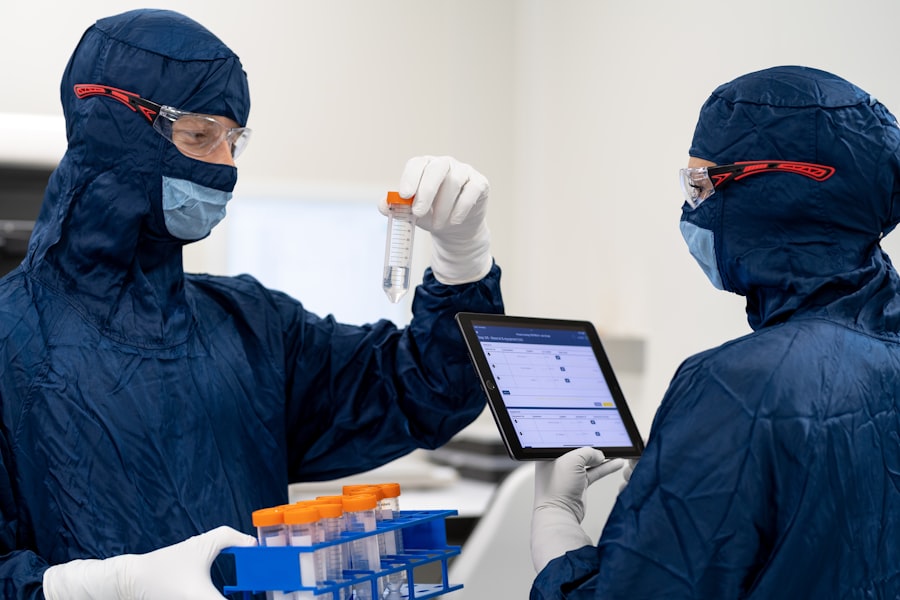
Despite their numerous benefits, implementing and managing a DMS in clinical trials is not without its challenges. These challenges are like headwinds that need careful navigation.
System Complexity and Integration
The sophisticated nature of DMS can introduce complexity.
Learning Curve for Users
Clinical site staff, principal investigators, and other research personnel require adequate training and support to effectively utilize the DMS. User-friendly interfaces and comprehensive training programs are crucial for overcoming potential resistance to new technologies.
Interoperability Issues
Integrating a DMS with other disparate systems (e.g., EHRs, laboratory information management systems (LIMS), pharmacovigilance systems) can be technically challenging due to varying data formats, communication protocols, and vendor-specific architectures. Achieving seamless data flow across these systems requires careful planning and robust integration strategies.
Data Security and Privacy Concerns
Maintaining the highest standards of data security and patient privacy remains a paramount concern.
Regulatory Compliance
Adherence to stringent global regulations such as HIPAA, GDPR, ICH GCP (Good Clinical Practice), and 21 CFR Part 11 (for electronic records) is mandatory. DMS must be designed and operated in a way that consistently meets these complex and evolving regulatory requirements.
Cyber Security Threats
Clinical trial data, particularly patient information, is a valuable target for cyberattacks. Organizations must implement robust cybersecurity measures, including intrusion detection, vulnerability assessments, and regular security audits, to protect against data breaches and ensure data integrity.
Vendor Selection and Customization
Choosing the right DMS vendor and ensuring the system meets specific trial needs is critical.
System Customization Needs
While many DMS offer configurable features, trials often have unique requirements that necessitate a degree of customization. Striking a balance between out-of-the-box functionality and needed customization is important to avoid over-engineering the system, which can introduce complexity and maintenance challenges.
Vendor Support and Reliability
The long-term success of a DMS implementation is heavily reliant on the quality of vendor support, including technical assistance, system upgrades, and regulatory compliance updates. A thorough vendor evaluation process is essential to ensure a reliable partnership.
The Future Landscape of Clinical Trial Data Management
| Metric | Description | Typical Value / Range | Importance |
|---|---|---|---|
| Data Entry Accuracy | Percentage of data entered without errors | 95% – 99.9% | High |
| Data Query Resolution Time | Average time to resolve data queries (days) | 1 – 5 days | High |
| System Uptime | Percentage of time the system is operational | 99.5% – 99.99% | Critical |
| Data Backup Frequency | How often data backups are performed | Daily to Weekly | High |
| Number of Concurrent Users Supported | Maximum users that can access the system simultaneously | 50 – 500+ | Medium |
| Compliance Standards | Regulatory standards the system adheres to | FDA 21 CFR Part 11, GDPR, HIPAA | Critical |
| Data Export Formats | Supported formats for data export | CSV, XML, SAS, CDISC ODM | Medium |
| Audit Trail Capability | Ability to track changes and user actions | Full audit trail with timestamps | Critical |
| Integration with EDC Systems | Compatibility with Electronic Data Capture systems | Yes / No | High |
| Data Storage Capacity | Maximum volume of data the system can store | Terabytes (TB) scale | Medium |
The evolution of technology promises further advancements in how clinical trial data is managed. The future of DMS is dynamic, constantly adapting to new technologies and research paradigms.
Artificial Intelligence and Machine Learning
AI and Machine Learning (ML) are poised to revolutionize various aspects of clinical data management. This is like giving the DMS a more powerful, predictive brain.
Automated Data Monitoring
AI algorithms can be trained to detect anomalies, inconsistencies, and potential errors within large datasets with greater speed and accuracy than human review. This can automate many aspects of data cleaning and quality control.
Predictive Analytics for Trial Management
ML models can analyze historical trial data to predict patient enrollment rates, identify potential risks for protocol deviations, or forecast trial timelines, enabling more proactive management. For instance, an AI could flag a site at risk of low enrollment based on its past performance, allowing for early intervention.
De-identification of Patient Data
AI tools can assist in the automated de-identification of patient data, a crucial step for sharing data for secondary research while maintaining patient privacy.
Blockchain Technology
Blockchain, a distributed ledger technology, offers intriguing possibilities for enhancing data integrity and security in clinical trials. This technology provides an unchangeable, transparent record, like a universal, tamper-proof ledger.
Enhanced Data Security and Auditability
Blockchain’s immutable and decentralized nature can create an infallible audit trail for all trial data, making it virtually impossible to tamper with records without detection. This could further bolster regulatory compliance and trust in the data.
Patient Data Ownership and Consent Management
Blockchain could empower patients with greater control over their health data, allowing them to grant and revoke access to their data for research purposes through smart contracts, ensuring consent is managed transparently and securely.
Cloud-Based Solutions
The shift towards cloud-based DMS is already underway and will continue to expand.
Scalability and Accessibility
Cloud platforms offer elastic scalability, allowing research organizations to easily adjust computing and storage resources based on trial needs, without significant upfront infrastructure investments. Cloud-based systems also provide ubiquitous access to authorized users from any location with an internet connection, facilitating global collaboration.
Reduced Infrastructure Burden
By leveraging cloud providers, organizations can reduce the burden of managing and maintaining their own IT infrastructure, allowing them to focus resources on core research activities.
In conclusion, data management systems are indispensable tools in modern clinical trials, serving as the central nervous system that orchestrates data flow from collection to analysis. By enhancing data quality, increasing efficiency, and offering strategic insights, DMS are instrumental in streamlining the development of new medical interventions. While challenges related to complexity, security, and integration persist, ongoing technological advancements, particularly in AI, blockchain, and cloud computing, promise to further refine and expand the capabilities of these systems, ultimately contributing to a more efficient and impactful clinical research enterprise. The careful selection, implementation, and ongoing management of these systems are thus critical for any organization engaged in clinical research.
