

In the realm of clinical trials, the significance of real-time management systems cannot be overstated. These systems serve as the backbone for data collection, monitoring, and analysis, ensuring that researchers can make informed decisions promptly. The dynamic nature of clinical trials, which often involve multiple sites, diverse patient populations, and complex protocols, necessitates a robust framework that can adapt to changing circumstances.
Real-time management systems facilitate immediate access to critical data, allowing stakeholders to respond swiftly to emerging trends or issues. This immediacy is crucial in a field where patient safety and data integrity are paramount. Moreover, the integration of real-time management systems enhances collaboration among various stakeholders, including clinical research organizations (CROs), sponsors, and regulatory bodies.

By providing a centralized platform for data sharing and communication, these systems break down silos that often hinder progress in clinical trials. For instance, when adverse events occur, real-time data allows for rapid assessment and intervention, potentially saving lives and ensuring compliance with regulatory requirements. The ability to monitor trial progress in real time also fosters transparency, which is essential for maintaining trust among participants and stakeholders alike.
Key Takeaways
- Real time management systems enhance clinical trial efficiency by providing immediate data access and monitoring.
- Implementing these systems reduces errors and improves accuracy in trial data collection and analysis.
- Traditional clinical trial management faces challenges like delayed data reporting and manual errors.
- Key features include real-time data capture, automated alerts, and integrated compliance tracking.
- Future trends point towards increased use of AI and cloud-based platforms to further streamline clinical trials.
Advantages of Implementing Real Time Management Systems

The implementation of real-time management systems in clinical trials offers a multitude of advantages that can significantly enhance the overall trial process. One of the most notable benefits is the improvement in data accuracy and reliability. Traditional methods of data collection often involve manual entry and delayed reporting, which can lead to errors and inconsistencies.
In contrast, real-time systems automate data capture through electronic data capture (EDC) tools and mobile applications, minimizing human error and ensuring that the data collected is both timely and precise. Additionally, real-time management systems enable proactive decision-making. With instant access to data analytics and reporting tools, trial managers can identify trends and anomalies as they arise.
For example, if a particular site is experiencing lower than expected enrollment rates, the system can flag this issue immediately, allowing for timely interventions such as targeted recruitment strategies or site support. This proactive approach not only enhances the efficiency of the trial but also helps in maintaining participant engagement and retention.
Challenges in Traditional Clinical Trial Management
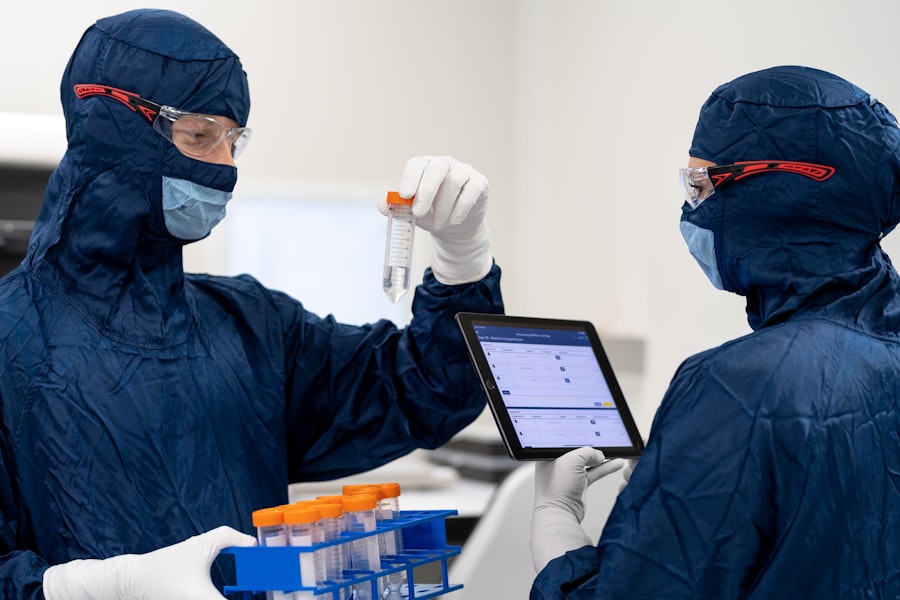
Traditional clinical trial management methods are fraught with challenges that can impede the success of a study. One significant issue is the reliance on paper-based processes and disparate systems for data collection and management. This fragmentation often leads to delays in data availability, making it difficult for researchers to monitor trial progress effectively.
Furthermore, the manual handling of data increases the risk of errors, which can compromise the integrity of the trial results. Another challenge is the difficulty in ensuring compliance with regulatory standards. Regulatory bodies require rigorous documentation and reporting throughout the trial process.
In traditional setups, maintaining accurate records can be cumbersome and time-consuming. Delays in reporting adverse events or protocol deviations can lead to regulatory scrutiny or even trial suspension. Real-time management systems address these challenges by providing automated compliance tracking features that ensure adherence to regulatory requirements while streamlining documentation processes.
How Real Time Management Systems Improve Efficiency and Accuracy
Real-time management systems significantly enhance both efficiency and accuracy in clinical trials through various mechanisms. One key aspect is their ability to facilitate seamless data integration from multiple sources. By consolidating data from electronic health records (EHRs), laboratory systems, and patient-reported outcomes into a single platform, these systems provide a comprehensive view of trial progress.
This integration not only saves time but also reduces the likelihood of discrepancies that can arise from using multiple data sources. Moreover, real-time systems employ advanced analytics tools that allow for immediate data visualization and interpretation. Researchers can generate dashboards that display key performance indicators (KPIs) at a glance, enabling them to assess trial performance quickly.
For instance, if a trial is falling behind schedule due to slow patient recruitment, stakeholders can analyze recruitment metrics in real time to identify bottlenecks and implement corrective actions without delay. This level of responsiveness is crucial in maintaining trial timelines and ensuring that studies are completed efficiently.
Key Features of Real Time Management Systems for Clinical Trials
| Metric | Description | Typical Value / Range | Importance |
|---|---|---|---|
| Data Entry Latency | Time delay between data capture and system update | Seconds to 5 minutes | High – critical for real-time monitoring |
| Patient Enrollment Rate | Number of patients enrolled per week | 5 – 50 patients/week | Medium – impacts trial progress |
| Query Resolution Time | Average time to resolve data queries | 1 – 3 days | High – ensures data quality |
| System Uptime | Percentage of time system is operational | 99.5% – 99.99% | Critical – ensures continuous access |
| Data Accuracy Rate | Percentage of error-free data entries | 95% – 99.9% | High – essential for valid results |
| Adverse Event Reporting Time | Time from event occurrence to reporting | Within 24 hours | Critical – for patient safety |
| Number of Active Trials Managed | Count of concurrent clinical trials | 10 – 100+ | Medium – reflects system scalability |
| User Access Response Time | Time for system to respond to user actions | Less than 2 seconds | High – improves user experience |
Real-time management systems are equipped with several key features that make them indispensable tools for clinical trial management. One such feature is electronic data capture (EDC), which allows for the direct input of data from clinical sites into a centralized database. This eliminates the need for paper forms and manual data entry, significantly reducing the risk of errors while expediting the data collection process.
Another important feature is real-time monitoring capabilities. These systems enable continuous oversight of trial activities, including patient enrollment, site performance, and compliance with protocols. Alerts and notifications can be configured to inform stakeholders of any deviations or issues as they occur, allowing for immediate corrective actions.
Additionally, many real-time management systems incorporate mobile applications that facilitate remote access to trial data, empowering site staff to enter information on-the-go and enhancing overall engagement.
Case Studies of Successful Implementation of Real Time Management Systems
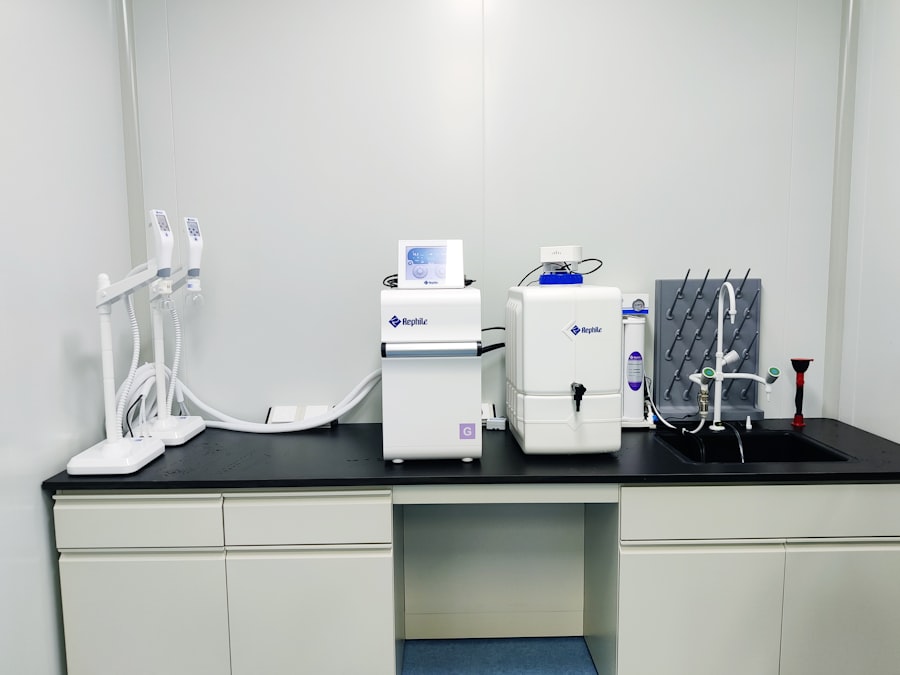
Several case studies illustrate the successful implementation of real-time management systems in clinical trials, showcasing their transformative impact on study outcomes. One notable example involves a large pharmaceutical company that adopted a real-time system for a multi-site oncology trial. By utilizing an EDC platform with integrated analytics tools, the company was able to streamline patient recruitment processes significantly.
Within weeks of implementation, they observed a 30% increase in enrollment rates compared to previous trials using traditional methods. Another compelling case study comes from a CRO that managed a global clinical trial for a new diabetes medication. The CRO implemented a real-time management system that provided comprehensive dashboards for monitoring site performance across different countries.
This visibility allowed them to identify underperforming sites early on and allocate additional resources where needed. As a result, the trial was completed ahead of schedule, demonstrating how real-time systems can enhance operational efficiency while maintaining high standards of data quality.
Regulatory Considerations for Real Time Management Systems in Clinical Trials
The integration of real-time management systems into clinical trials raises important regulatory considerations that must be addressed to ensure compliance with industry standards. Regulatory bodies such as the U.S. Food and Drug Administration (FDA) and the European Medicines Agency (EMA) have established guidelines regarding data integrity, security, and reporting requirements.
It is essential for organizations implementing these systems to understand these regulations thoroughly to avoid potential pitfalls. One critical aspect is ensuring that real-time management systems maintain robust security measures to protect sensitive patient information. Compliance with regulations such as the Health Insurance Portability and Accountability Act (HIPAA) in the United States mandates stringent safeguards for personal health information (PHI).
Additionally, organizations must ensure that their systems are capable of generating audit trails that document all changes made to trial data, as this transparency is vital for regulatory inspections.
Future Trends in Real Time Management Systems for Clinical Trials
As technology continues to evolve, several trends are emerging that will shape the future of real-time management systems in clinical trials. One significant trend is the increasing use of artificial intelligence (AI) and machine learning (ML) algorithms to enhance data analysis capabilities. These technologies can identify patterns within large datasets more efficiently than traditional methods, enabling researchers to make more informed decisions based on predictive analytics.
Another trend is the growing emphasis on patient-centric approaches in clinical trials. Real-time management systems are being designed with features that prioritize patient engagement, such as mobile applications that allow participants to report outcomes directly from their devices. This shift not only improves data collection but also fosters a sense of ownership among participants, ultimately leading to higher retention rates.
Furthermore, as remote monitoring becomes more prevalent due to advancements in telemedicine and wearable technology, real-time management systems will need to adapt accordingly. The integration of remote patient monitoring tools will allow researchers to collect continuous health data outside traditional clinical settings, providing richer insights into treatment efficacy and safety profiles. In conclusion, real-time management systems are revolutionizing clinical trials by enhancing efficiency, accuracy, and compliance while addressing longstanding challenges associated with traditional methods.
As these systems continue to evolve alongside technological advancements and regulatory frameworks, they will play an increasingly vital role in shaping the future landscape of clinical research.
