

Clinical trials are a cornerstone of modern medical research, serving as the primary method for evaluating the safety and efficacy of new treatments, drugs, and medical devices. These trials are meticulously designed studies that involve human participants and are conducted in phases, each with specific objectives and methodologies. The overarching goal is to gather data that can inform regulatory decisions, ultimately leading to the approval of new therapies that can improve patient outcomes.
The process is governed by strict ethical guidelines and regulatory frameworks to ensure participant safety and data integrity. The significance of clinical trials extends beyond the immediate research objectives; they are essential for advancing medical knowledge and improving public health. For instance, the development of vaccines, such as those for COVID-19, relied heavily on expedited clinical trials that adhered to rigorous scientific standards.

These trials not only provided critical data on vaccine safety and efficacy but also demonstrated the ability of the scientific community to respond swiftly to emerging health crises. As such, clinical trials are not merely a procedural formality; they represent a vital link between scientific discovery and practical application in healthcare.
Key Takeaways
- Clinical trials face numerous challenges including complexity, regulatory compliance, and data management.
- Software platforms help streamline clinical trials by automating processes and improving data accuracy.
- Key features of clinical trial software include patient management, data collection, and regulatory compliance tools.
- Successful case studies demonstrate increased efficiency and reduced costs through software platform implementation.
- Future trends point to enhanced AI integration and real-time data analytics in clinical trial software platforms.
Challenges in Conducting Clinical Trials

Conducting clinical trials is fraught with challenges that can impede progress and affect outcomes. One of the most significant hurdles is participant recruitment and retention. Finding eligible participants who meet specific inclusion criteria can be a daunting task, particularly for rare diseases or conditions with stringent requirements.
Moreover, once participants are enrolled, keeping them engaged throughout the trial duration is crucial. High dropout rates can skew results and compromise the validity of the study, leading to delays in bringing new treatments to market. Another challenge lies in the complexity of trial design and management.
Clinical trials often involve multiple sites, diverse patient populations, and intricate protocols that must be meticulously followed. Coordinating these elements requires substantial resources and expertise. Additionally, regulatory compliance adds another layer of complexity; researchers must navigate a labyrinth of local, national, and international regulations that govern clinical research.
Failure to adhere to these regulations can result in severe consequences, including trial suspension or invalidation of results.
The Role of Software Platforms in Streamlining Clinical Trials

In response to the myriad challenges faced in clinical trials, software platforms have emerged as powerful tools designed to streamline processes and enhance efficiency. These platforms facilitate various aspects of trial management, from planning and recruitment to data collection and analysis. By automating routine tasks and providing centralized access to information, software solutions can significantly reduce the administrative burden on research teams, allowing them to focus on critical scientific activities.
Moreover, software platforms enhance communication among stakeholders involved in clinical trials. Researchers, sponsors, regulatory bodies, and participants can all benefit from improved information sharing and collaboration facilitated by these digital tools. For instance, real-time data sharing allows for quicker decision-making and more agile responses to emerging issues during the trial.
This interconnectedness not only fosters transparency but also helps ensure that all parties remain aligned with the trial’s objectives and timelines.
Benefits of Using Software Platforms in Clinical Trials
The adoption of software platforms in clinical trials offers numerous benefits that can lead to more efficient and effective research outcomes. One of the most notable advantages is the acceleration of trial timelines. By automating processes such as patient screening, data entry, and reporting, software platforms can significantly reduce the time required to complete these tasks.
This efficiency is particularly crucial in fast-paced environments where timely results can have a profound impact on public health. Additionally, software platforms enhance data accuracy and integrity. Manual data entry is prone to errors that can compromise study results; however, automated systems minimize these risks by standardizing data collection methods and implementing validation checks.
This leads to higher quality data that researchers can trust when making critical decisions about treatment efficacy and safety. Furthermore, many software solutions incorporate advanced analytics capabilities that allow researchers to derive insights from their data more effectively, enabling them to make informed adjustments to trial protocols as needed.
Key Features of a Clinical Trial Software Platform
| Metric | Description | Typical Value / Range | Importance |
|---|---|---|---|
| Patient Enrollment Rate | Number of patients enrolled per month | 50 – 200 patients/month | High |
| Data Entry Accuracy | Percentage of error-free data entries | 95% – 99.9% | High |
| Query Resolution Time | Average time to resolve data queries | 24 – 72 hours | Medium |
| System Uptime | Percentage of time the platform is operational | 99.5% – 99.99% | High |
| Compliance Rate | Adherence to regulatory standards (e.g., FDA, EMA) | 100% | Critical |
| Integration Capability | Number of third-party systems integrated | 5 – 20 systems | Medium |
| Time to Database Lock | Duration from last patient visit to database lock | 2 – 4 weeks | High |
| User Satisfaction Score | Average rating from users (1-10 scale) | 7 – 9 | Medium |
A robust clinical trial software platform typically encompasses several key features designed to address the unique needs of clinical research. One essential feature is electronic data capture (EDC), which allows researchers to collect and manage data electronically rather than relying on paper-based methods. EDC systems streamline data entry processes and facilitate real-time monitoring of data quality.
Another critical feature is patient engagement tools that enhance communication between researchers and participants. These tools may include mobile applications or web portals that allow participants to access trial information, report side effects, or complete questionnaires conveniently. By improving participant engagement, these features can help mitigate dropout rates and ensure that researchers gather comprehensive data throughout the trial.
Additionally, many software platforms offer integrated project management tools that assist in tracking timelines, budgets, and resource allocation. These tools provide researchers with a holistic view of trial progress, enabling them to identify potential bottlenecks early on and make necessary adjustments to keep the study on track.
Case Studies: Successful Implementation of Software Platforms in Clinical Trials
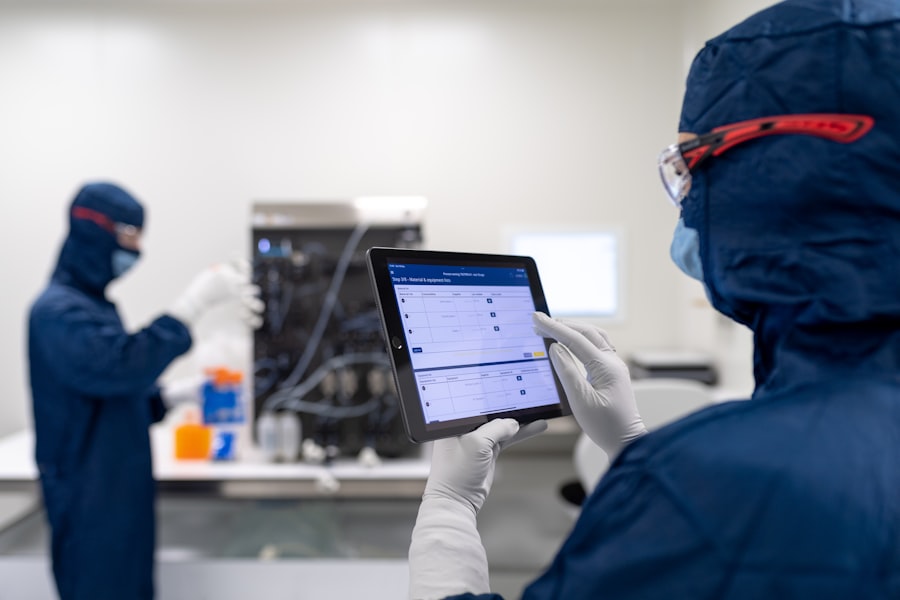
Several case studies illustrate the successful implementation of software platforms in clinical trials, showcasing their transformative impact on research efficiency and outcomes. One notable example is a large-scale oncology trial conducted by a major pharmaceutical company. Faced with challenges related to patient recruitment across multiple sites, the company adopted a cloud-based clinical trial management system (CTMS) that streamlined participant tracking and communication.
By utilizing this platform, the research team was able to identify eligible patients more quickly through advanced filtering capabilities and automated outreach tools. As a result, they achieved their recruitment goals ahead of schedule and maintained high retention rates throughout the trial. The centralized data management features also allowed for real-time monitoring of patient progress, enabling timely interventions when necessary.
Another compelling case involves a multi-center trial investigating a novel treatment for diabetes. The research team implemented an electronic patient-reported outcomes (ePRO) system that allowed participants to report their symptoms and experiences via a mobile app. This approach not only improved data collection efficiency but also empowered patients by giving them a direct channel for communication with researchers.
The ePRO system resulted in higher quality data and provided valuable insights into patient experiences that traditional methods might have overlooked.
Future Trends in Clinical Trial Software Platforms
As technology continues to evolve, several trends are shaping the future of clinical trial software platforms. One significant trend is the integration of artificial intelligence (AI) and machine learning (ML) into clinical research processes. These technologies have the potential to revolutionize patient recruitment by analyzing vast datasets to identify suitable candidates more efficiently than traditional methods.
AI algorithms can also assist in predicting patient outcomes based on historical data, enabling researchers to make more informed decisions about trial design. Another emerging trend is the increasing emphasis on decentralized clinical trials (DCTs), which leverage digital technologies to conduct research outside traditional clinical settings. Software platforms are adapting to support DCTs by incorporating features such as remote monitoring tools, telehealth capabilities, and mobile data collection methods.
This shift not only enhances patient convenience but also broadens access to clinical trials for diverse populations who may face barriers to participation in conventional settings. Furthermore, there is a growing focus on data interoperability among different software systems used in clinical research. As trials become more complex and involve multiple stakeholders, ensuring seamless data exchange between various platforms will be crucial for maintaining data integrity and facilitating collaboration among researchers.
The Impact of Software Platforms on the Efficiency of Clinical Trials
The integration of software platforms into clinical trials has fundamentally transformed how research is conducted, addressing many longstanding challenges while enhancing efficiency and data quality. By automating processes, improving communication among stakeholders, and providing advanced analytics capabilities, these platforms have become indispensable tools for modern clinical research. As the landscape of clinical trials continues to evolve with technological advancements such as AI, decentralized methodologies, and enhanced interoperability, software platforms will play an increasingly vital role in shaping the future of medical research.
Their ability to streamline operations not only accelerates the development of new therapies but also holds promise for improving patient outcomes on a global scale. The ongoing evolution of these platforms will undoubtedly continue to influence how clinical trials are designed and executed in the years to come.
