

Summer medical research programs serve as pathways for medical students to engage in scientific inquiry outside of their core curriculum. These programs, typically offered by academic institutions, research centers, and non-profit organizations, provide opportunities for hands-on experience in various research settings. Participation can encompass a spectrum of activities, from laboratory benchwork to clinical trials and public health investigations. The overarching aim is to foster research skills, cultivate scientific thinking, and often, to expose students to potential careers in academic medicine or medical research.
The availability of summer medical research programs is diverse, reflecting the broad scope of medical science itself. These programs vary significantly in their structure, duration, and focus. Some are highly structured, assigning students to pre-defined projects under the direct supervision of a principal investigator (PI). Others offer more flexibility, allowing students to propose their own research questions within a lab’s thematic area.
Institutional and Federal Programs

Many academic medical centers and universities operate their own summer research initiatives. These are often funded internally or through institutional grants. Examples include various “Dean’s Research Scholar” programs or department-specific summer internships. Beyond individual institutions, federal agencies such as the National Institutes of Health (NIH) offer large-scale, competitive programs. The NIH’s Summer Internship Program (SIP), for instance, places students in labs across its numerous institutes and centers, covering a vast array of biomedical research areas.
Specialty-Specific Programs
For students with a nascent interest in a particular medical specialty, numerous programs cater to these preferences. For example, the American Academy of Neurology (AAN) offers research scholarships, and the American Heart Association (AHA) supports summer research in cardiovascular science. These specialty-focused programs can provide early exposure to the research questions and methodologies prevalent in a student’s area of interest, serving as a navigational beacon for future career choices.
Global Health and International Research

A growing number of programs facilitate research experiences in global health settings or in international laboratories. These opportunities expose students to different health challenges, healthcare systems, and research methodologies beyond their domestic context. Such programs often involve collaborations with international partners and can provide a broader perspective on the global burden of disease and the interconnectedness of medical progress.
Navigating the Application Process
Securing a position in a summer medical research program is a competitive endeavor. The application process typically requires careful attention to detail and strategic planning. Think of it as constructing a bridge; each component must be sound for the structure to hold.
Crafting a Compelling Application
Most applications require a personal statement, letters of recommendation, and an academic transcript. The personal statement is an opportunity to articulate your motivations for pursuing research, your relevant experiences (even if nascent), and your career aspirations. It should demonstrate an understanding of the program’s goals and how your participation aligns with them. Letters of recommendation, ideally from faculty who know you well and can speak to your academic abilities and potential for research, are critical.
The Role of Mentorship in Selection
While not always explicitly stated, the potential for a positive mentorship relationship often plays an implicit role in the selection process. Program directors and PIs seek students who are not only academically capable but also possess curiosity, a willingness to learn, and the interpersonal skills necessary to integrate into a research team. Demonstrating these qualities, even in an initial application, can be advantageous.
Interviewing Strategies
Some programs, especially those with limited placements or highly specific demands, may require an interview. This can be an opportunity to elaborate on your application materials, ask insightful questions about the research, and convey your enthusiasm directly. Preparing to discuss your past experiences, your understanding of basic research principles, and your future goals is prudent.
The Research Experience: From Bench to Bedside

The core of a summer medical research program is the research itself. This experience can be transformative, offering a firsthand look at the scientific process, its challenges, and its rewards. Consider it as planting a seed; with diligence and proper care, it can blossom into a deeper understanding of scientific inquiry.
Laboratory Research
For students engaged in basic science, the bulk of the summer may be spent in a laboratory setting. This can involve molecular biology techniques, cell culture, animal models, or computational analysis. Here, attention to detail, adherence to protocols, and meticulous data recording are paramount. The learning curve can be steep, but mastering these skills forms the bedrock of experimental science.
Clinical Research
Students in clinical research programs might be involved in patient recruitment, data collection, statistical analysis of patient outcomes, or assisting with clinical trials. This often requires navigating ethical considerations, understanding patient privacy regulations (such as HIPAA in the US), and communicating effectively with both research subjects and clinical staff.
Public Health and Epidemiological Research
Programs focused on public health or epidemiology often involve data analysis of population-level health trends, survey design, community-based interventions, or policy analysis. These experiences can highlight the broader determinants of health and the societal impact of medical research.
Ethical Considerations in Research
Regardless of the research domain, ethical principles underpin all scientific inquiry. Students in summer programs are typically introduced to concepts such as informed consent, data integrity, plagiarism, and the responsible conduct of research. Understanding and upholding these principles is crucial for maintaining the credibility and trustworthiness of scientific endeavors.
Gaining and Applying Research Skills
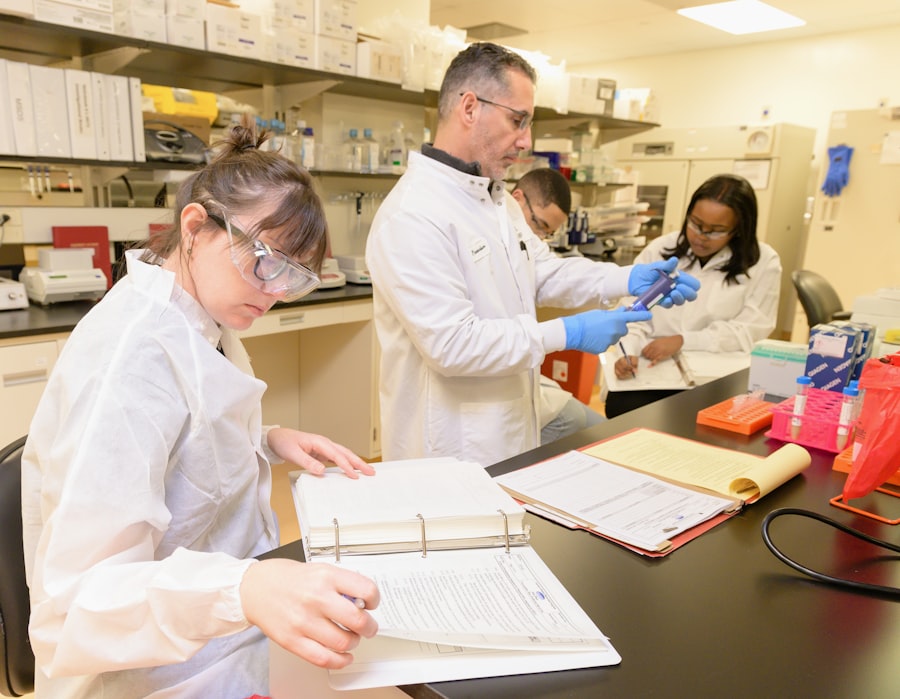
Beyond contributing to a specific research project, summer programs are designed to cultivate a transferable skill set essential for various careers in medicine and science. Think of these skills as tools; the more you acquire and refine, the more capable you become.
Developing Scientific Inquiry and Critical Thinking
A key outcome of these programs is the development of scientific inquiry. Students learn to formulate testable hypotheses, design experiments to address those hypotheses, interpret results objectively, and identify limitations. This iterative process fosters critical thinking skills that extend beyond the laboratory.
Data Analysis and Interpretation
Many research projects involve the collection and analysis of data. Students often gain exposure to statistical software, data visualization techniques, and the principles of scientific reporting. Learning to interpret raw data and draw valid conclusions is a foundational skill.
Scientific Communication
Presenting research findings is an integral part of the scientific process. Students may have opportunities to present their work at local symposia, departmental meetings, or even national conferences. This hones skills in oral presentation, scientific writing, and poster design. Learning to articulate complex scientific concepts clearly and concisely is invaluable.
Mentorship and Networking
The relationship with a research mentor is often one of the most impactful aspects of a summer program. Mentors provide guidance, introduce students to the culture of academia, and offer career advice. Additionally, participation in these programs opens doors for networking with other researchers, fellow students, and potential future collaborators. These connections can be invaluable as a student progresses through their medical career.
Post-Program Opportunities and Long-Term Impact
| Program Name | Institution | Duration | Application Deadline | Stipend | Focus Area | Eligibility |
|---|---|---|---|---|---|---|
| Summer Medical Research Program | Johns Hopkins University | 8 weeks | February 15 | 3000 | Biomedical Research | Medical Students (1st-3rd year) |
| Clinical Research Summer Program | Harvard Medical School | 10 weeks | March 1 | 3500 | Clinical Research | Medical Students (all years) |
| Summer Research Fellowship | University of California, San Francisco | 8 weeks | February 28 | 3200 | Translational Medicine | Medical Students (1st-2nd year) |
| Medical Student Summer Research Program | Mayo Clinic | 10 weeks | March 15 | 3400 | Clinical and Basic Science | Medical Students (all years) |
| Summer Research Program | University of Pennsylvania | 8 weeks | February 20 | 3100 | Neuroscience | Medical Students (1st-3rd year) |
The benefits of participating in a summer medical research program extend far beyond the summer itself, potentially shaping a student’s academic trajectory and career path. Consider it as laying groundwork; the effort invested now can support growth for years to come.
Publication and Presentation
Successful projects may lead to authorship on peer-reviewed publications, a significant achievement for a medical student. Presenting at scientific conferences, even at a local level, provides further opportunities to disseminate findings and engage with the broader scientific community. These experiences bolster a student’s curriculum vitae and can be pivotal for residency applications.
Enhancing Residency Applications
Medical residency programs, particularly those in academic centers or research-intensive specialties, often value applicants with demonstrated research experience. Participation in a summer program signals a commitment to scientific inquiry, an ability to contribute to a research team, and an understanding of the scientific method. This can be a distinguishing factor in a competitive application landscape.
Exploring Career Paths in Academic Medicine
For some students, a summer research program confirms an interest in pursuing a career that combines clinical practice with scientific investigation, often referred to as academic medicine or physician-scientist track. It can provide a realistic preview of the demands and rewards of such a path, helping students make informed decisions about their future training.
Developing a Research Niche
Repeated engagement in research, even through short summer programs, can help students begin to develop a research niche or an area of expertise. This sustained focus can lead to deeper contributions and potentially guide future research endeavors during medical school and beyond. The insights gained can crystallize a student’s interests and help them carve out a unique professional identity.
