
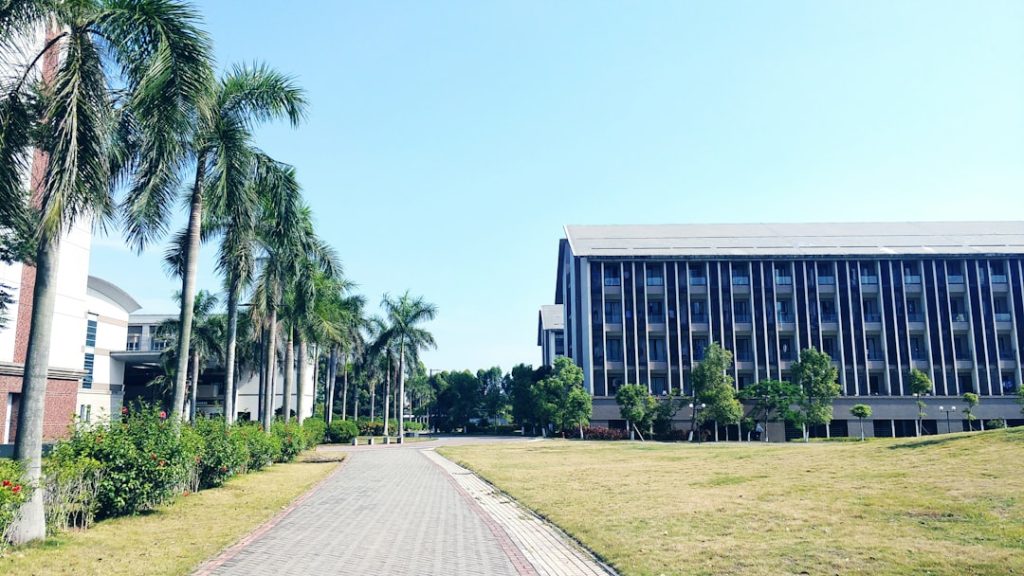
The Temple University Medical Education and Research Building (MERB) stands as a significant facility in the landscape of medical education and biomedical research in Philadelphia, Pennsylvania. Opened in 2009, the MERB was a strategic investment by Temple University to modernize its instructional and research infrastructure, aiming to enhance the learning experience for future healthcare professionals and accelerate discoveries in medical science. This building represents a tangible commitment to advancing healthcare through integrated education and interdisciplinary research.
The MERB’s design was conceived to foster collaboration and facilitate cutting-edge medical and scientific endeavors. Its architectural layout deviates from traditional, siloed academic structures, prioritizing open, flexible spaces that encourage interaction among students, faculty, and researchers from various disciplines. The building functions as a nexus for medical education and research activities, integrating didactic learning with practical application and scientific inquiry.
Collaborative Spaces

A cornerstone of the MERB’s design philosophy is the creation of collaborative environments. These spaces range from informal lounges to structured seminar rooms, all equipped to support spontaneous discussions and planned group work. The intent behind this design is to break down the natural divisions that can arise in large academic institutions, fostering a more interconnected academic community. This approach recognizes that many breakthroughs in modern medicine stem from multidisciplinary efforts.
Flexible Laboratories
The research floors of the MERB feature modular laboratory spaces designed for adaptability. This flexibility is crucial in the rapidly evolving field of biomedical research, where scientific focus and technological requirements can shift over time. Researchers can reconfigure their lab benches, equipment, and even entire sections of their labs to accommodate new projects or techniques, reducing the need for extensive structural renovations. This foresight in design ensures the building remains a relevant and effective research hub for decades.
Advanced Infrastructure

Beyond aesthetics and layout, the MERB incorporates advanced infrastructure to support its dual mission. This includes state-of-the-art HVAC systems for maintaining controlled environments, robust data networking capabilities for handling large datasets generated by research, and specialized equipment for teaching and research. Such infrastructure is not merely a convenience but a necessity for supporting the intricate demands of modern medical science and education.
Medical Education Reinvented
The MERB plays a pivotal role in Temple University’s approach to medical education, particularly through its integration of modern pedagogical methods and advanced learning technologies. The building is designed to support a curriculum that emphasizes active learning, clinical reasoning, and interprofessional collaboration, preparing students for the complexities of contemporary healthcare delivery.
Active Learning Classrooms
Traditional lecture halls, while still present in some form, have been complemented by active learning classrooms within the MERB. These spaces are configured to promote student engagement through small group discussions, problem-based learning scenarios, and interactive presentations. Instead of passively receiving information, students are encouraged to actively participate in their learning, developing critical thinking and problem-solving skills essential for medical practice. This shift reflects a broader trend in medical education towards pedagogies that cultivate independent thought and collaborative learning.
Simulation Center
One of the most significant educational features of the MERB is its advanced simulation center. This facility allows medical students to practice clinical skills and decision-making in a controlled, risk-free environment. Using high-fidelity mannequins and simulated clinical settings, students can experience a wide range of medical scenarios, from routine examinations to emergency interventions. This hands-on experience bridges the gap between theoretical knowledge and practical application, ensuring that students gain proficiency before interacting with real patients. The simulation center acts as a crucial training ground, allowing students to refine their techniques and build confidence.
Anatomy and Clinical Skills Labs
The MERB houses modern anatomy labs, which offer a foundational understanding of the human body. These labs incorporate contemporary teaching aids alongside traditional dissection, providing multiple avenues for learning anatomical structures. Adjacent to these are clinical skills labs, where students learn and practice basic medical procedures, patient communication, and examination techniques. The proximity of these labs facilitates a cohesive learning experience, allowing students to connect their anatomical knowledge directly to clinical applications.
A Hub for Biomedical Research
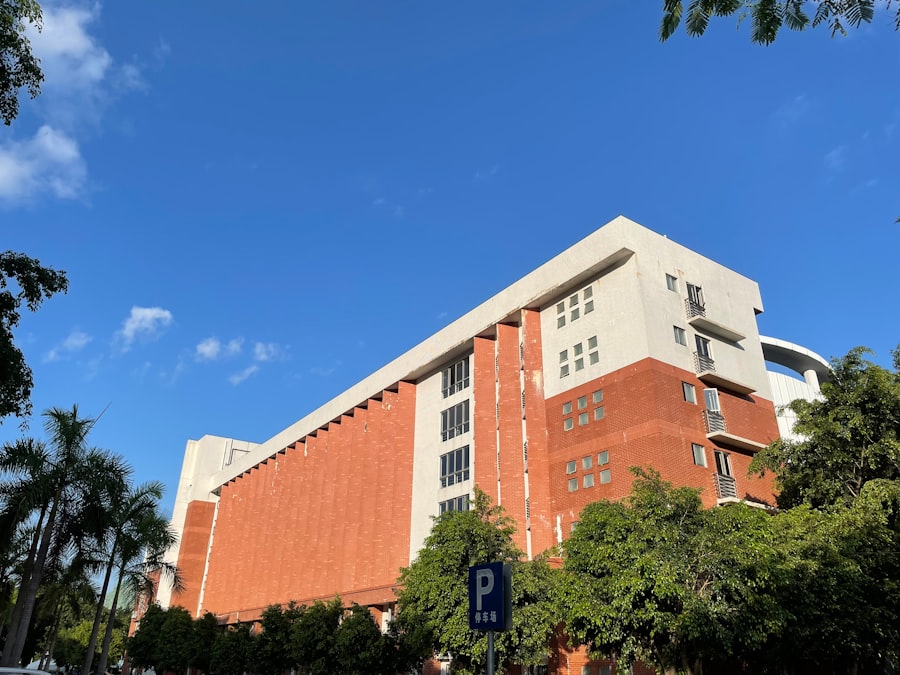
The research components of the MERB are integral to Temple University’s mission to advance medical science. The building consolidates various research groups, facilitating interdisciplinary projects and fostering an environment where groundbreaking discoveries can emerge. The emphasis is on translational research, aiming to bridge the gap between basic scientific findings and their application in clinical practice.
Interdisciplinary Research Clusters
The MERB is organized to support interdisciplinary research clusters. Researchers from different departments—such as biochemistry, microbiology, pharmacology, and immunology—often share laboratory space or are strategically located near one another. This proximity naturally encourages collaboration, pooling diverse expertise to address complex health challenges. For instance, a cancer researcher might collaborate with a geneticist and a pharmacologist to develop new therapeutic strategies, leveraging the combined knowledge facilitated by the building’s layout. The building acts as an intellectual melting pot, where individual research streams coalesce into broader rivers of discovery.
State-of-the-Art Research Equipment
Investment in state-of-the-art research equipment is a hallmark of the MERB. This includes advanced imaging technologies, genomics and proteomics platforms, and specialized facilities for cell culture and animal research. Access to such sophisticated tools enables researchers to conduct experiments at the forefront of their fields, generating high-quality data and pushing the boundaries of scientific understanding. The equipment available often represents the latest advancements, ensuring that Temple’s researchers are competitive on a national and international scale.
Core Research Facilities
Beyond individual lab equipment, the MERB houses several core research facilities that provide specialized services and expertise to the wider research community. These cores might include genomics sequencing, mass spectrometry, flow cytometry, or advanced microscopy. By centralizing these resources, the university ensures that all researchers have access to cutting-edge technologies
without each lab needing to purchase and maintain expensive equipment independently. These facilities act as service hubs, empowering a broader range of research projects and amplifying the overall research capacity of the institution. They are the circulatory system of the research enterprise, delivering essential capabilities to numerous scientific endeavors.
Community Engagement and Outreach
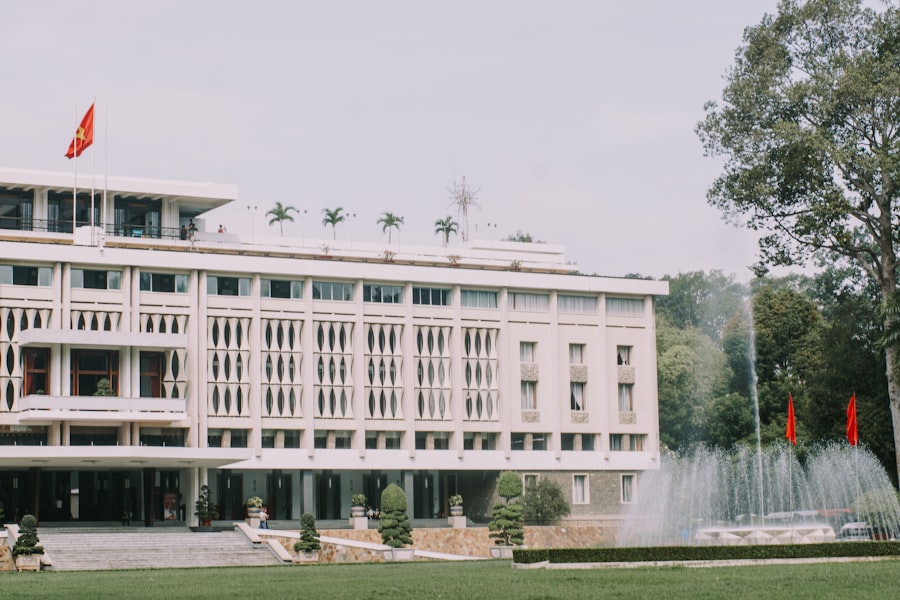
While primarily focused on education and research, the MERB’s activities indirectly contribute to community engagement and outreach. The advancement of medical knowledge and the training of skilled healthcare professionals directly benefit the local and broader community by improving health outcomes and access to care.
Training Future Clinicians
The primary contribution to the community is through the education of future physicians and other healthcare professionals. These graduates will go on to serve in various capacities, often remaining in the Philadelphia region, thus addressing local healthcare needs. The MERB’s role in providing a contemporary and rigorous medical education directly impacts the quality of healthcare providers available to the public. It is a factory of healthcare talent, producing professionals who will mend the health of the community.
Translating Research into Practice
Research conducted within the MERB often has implications for public health. Discoveries made in its laboratories can lead to new diagnostic tools, treatments, and preventive strategies that eventually benefit patients. The emphasis on translational research means that findings are not merely academic exercises but are designed with the ultimate goal of improving human health. This pipeline from bench to bedside is a direct service to the community, albeit one with a longer timeline. The research conducted within the MERB serves as the intellectual seedbed for future clinical innovations.
Public Health Initiatives (Indirect)
While the MERB itself doesn’t typically house direct public health programs, the insights gained from research and the expertise developed by faculty and students can fuel broader public health initiatives. For example, research into infectious diseases or chronic conditions might inform public health campaigns or policy decisions. The knowledge generated within the MERB is a resource that can be leveraged to address pressing public health challenges.
Economic and Strategic Impact
| Metric | Details |
|---|---|
| Building Name | Temple University Medical Education and Research Building |
| Location | Philadelphia, Pennsylvania, USA |
| Purpose | Medical education, research, and clinical training |
| Number of Floors | 8 |
| Total Area | Approximately 200,000 square feet |
| Year Completed | 2012 |
| Key Features | Simulation labs, research labs, lecture halls, clinical skills center |
| LEED Certification | Silver |
| Architect | Ballinger |
| Funding Source | Temple University and state grants |
The establishment and continuous operation of the MERB represent a significant economic and strategic asset for Temple University, the city of Philadelphia, and the healthcare sector. It is more than just a building; it is an economic engine and a strategic cornerstone for the institution’s future.
Job Creation
The MERB supports a substantial number of jobs across various sectors. This includes faculty researchers, laboratory technicians, administrative staff, maintenance personnel, and a host of other support roles. The building’s operations also indirectly create jobs in related industries, such as suppliers of laboratory equipment and consumables. This direct and indirect employment contributes to the local economy. The MERB is a vessel that carries not only scientific endeavor but also economic prosperity.
Attracting Talent
A state-of-the-art facility like the MERB is a powerful magnet for attracting top-tier faculty, postdoctoral researchers, and graduate students. Leading scientists and aspiring healthcare professionals are drawn to institutions that offer cutting-edge resources and a supportive environment for their work. This influx of talent strengthens Temple’s academic and research standing, enhancing its reputation as a leading institution in medical science. The MERB acts as a gravitational force, pulling in some of the brightest minds in medicine and science.
Research Funding and Innovation
The MERB’s advanced infrastructure and collaborative environment enhance Temple University’s ability to compete for significant research grants from federal agencies (e.g., NIH, NSF), private foundations, and industry partners. Successful grant acquisition brings substantial funding into the university, supporting ongoing research and fueling further innovation. This research, in turn, can lead to patents, new medical technologies, and spin-off companies, contributing to the broader innovation ecosystem. The MERB is a fertile ground where research funding blossoms, yielding a harvest of new knowledge and tangible advancements.
Regional Healthcare Leadership
By investing in facilities like the MERB, Temple University reinforces its position as a leader in healthcare within the Philadelphia region and beyond. The building signifies a commitment to excellence in medical education, patient care (through its graduates), and scientific discovery, strengthening the university’s influence on regional healthcare policy and practice. It is a beacon of progress in the complex world of healthcare.
The Temple University Medical Education and Research Building is a testament to the institution’s enduring commitment to medical education and biomedical research. It provides a modern, adaptable, and collaborative environment essential for training the next generation of healthcare professionals and driving the scientific inquiries that will shape the future of medicine. Its impact extends beyond its physical walls, influencing local economies, attracting global talent, and ultimately contributing to the advancement of human health.
