

The demanding nature of medical education inherently places significant psychological burdens on students. Long hours, rigorous academic requirements, exposure to human suffering, and the constant pressure to perform can contribute to a complex mental health landscape. Within this environment, exercise emerges as a frequently discussed, yet sometimes underutilized, strategy for mitigating negative psychological outcomes and fostering overall well-being. This article explores the multifaceted influence of physical activity on the mental health of medical students, drawing on existing research and conceptual frameworks.
Medical students routinely report higher rates of mental health concerns compared to their age-matched peers in the general population or other university programs. This elevated prevalence is not a new phenomenon; it has been consistently documented across various studies and geographical locations, suggesting a systemic issue embedded within the structure of medical training. Understanding this baseline is crucial for appreciating the potential role of interventions like exercise.
Common Mental Health Conditions

Depression and anxiety disorders are particularly prominent within this demographic. Studies often highlight elevated scores on standardized depression and anxiety scales among medical students. These conditions can manifest as persistent sadness, loss of interest, fatigue, irritability, panic attacks, or generalized worry, significantly impacting academic performance and personal life.
Contributing Stressors
Several factors contribute to the heightened vulnerability of medical students to mental health challenges. These include:
- Academic Pressure: The sheer volume of material to learn, coupled with competitive grading and high-stakes examinations, creates incessant academic stress. The pursuit of perfection, often ingrained in future physicians, can exacerbate this.
- Sleep Deprivation: Erratic schedules, early morning rounds, and late-night study sessions frequently lead to chronic sleep deprivation, a known detriment to mental health and cognitive function.
- Emotional Burnout: Exposure to illness, death, and ethical dilemmas can lead to emotional exhaustion and desensitization, hallmarks of burnout, which is prevalent among medical trainees.
- Social Isolation: The demanding schedule can limit opportunities for social interaction and maintaining relationships, leading to feelings of loneliness and isolation.
- Financial Strain: The significant cost of medical education and living expenses can add another layer of stress, particularly for students from lower socioeconomic backgrounds.
Physiological Mechanisms of Exercise

Exercise is not merely a physical act; it initiates a cascade of physiological and biochemical changes within the body that can directly influence brain function and mental state. These mechanisms represent the intricate pathways through which physical activity acts as a potent modulator of psychological well-being.
Neurotransmitter Regulation
Physical activity has been shown to modulate the synthesis and release of several key neurotransmitters involved in mood regulation.
- Serotonin: Often dubbed the “feel-good” neurotransmitter, serotonin plays a crucial role in mood, sleep, appetite, and learning. Exercise has been linked to increased serotonin levels in the brain, potentially contributing to antidepressant effects.
- Norepinephrine: This neurotransmitter is involved in the body’s ‘fight-or-flight’ response, but it also plays a role in attention, focus, and mood. Moderate exercise can help regulate norepinephrine levels, potentially reducing anxiety.
- Dopamine: Associated with reward and motivation, dopamine levels can also be influenced by exercise. The “runner’s high” is often attributed, in part, to increased dopamine release.
Endocannabinoid System Activation
Beyond the classic neurotransmitters, exercise also stimulates the endocannabinoid system. Endocannabinoids are naturally produced lipids that bind to cannabinoid receptors in the brain, akin to the effects of cannabis, but without the associated psychoactive properties in the same manner. This system is implicated in mood, pain perception, and stress response, and its activation by exercise can contribute to feelings of well-being and reduced anxiety.
Reduction of Inflammatory Markers
Chronic stress and psychological distress are often associated with elevated levels of inflammatory markers in the body. Exercise, particularly regular moderate activity, has anti-inflammatory effects. By reducing systemic inflammation, exercise may indirectly alleviate symptoms of depression and anxiety, as inflammation is increasingly recognized as a contributing factor to various mental health conditions.
Psychological Benefits of Exercise

Beyond the internal physiological shifts, engaging in physical activity offers a range of direct psychological benefits that are particularly relevant to the high-pressure environment of medical school. These benefits can act as an emotional shield, buffering the impact of academic and clinical stressors.
Stress Reduction
For many, exercise serves as a potent stress reliever. The physical exertion provides an outlet for pent-up energy and tension. The rhythmic nature of activities like running or swimming can induce a meditative state, distracting the mind from ruminative thoughts and worries. Furthermore, simply stepping away from studies to engage in physical activity offers a break, a mental reset button.
Improved Mood and Self-Esteem
Regular exercise is consistently linked to improved mood. This is not solely due to biochemical changes but also a result of the sense of accomplishment and mastery experienced. Achieving fitness goals, no matter how small, can boost self-efficacy and self-esteem. For medical students, who often feel judged and under scrutiny, this self-affirmation can be particularly valuable.
Enhanced Cognitive Function
While seemingly counterintuitive to take time away from studying, exercise has been shown to improve cognitive functions essential for academic success.
- Attention and Focus: Physical activity can sharpen focus and improve the ability to concentrate, which is critical for absorbing complex medical information.
- Memory: Research suggests exercise can enhance memory recall and consolidation, making learning more efficient.
- Problem-Solving: The improved blood flow and neural connectivity fostered by exercise can contribute to better problem-solving abilities and critical thinking, skills fundamental to medical practice.
Practical Implementation Strategies for Medical Students
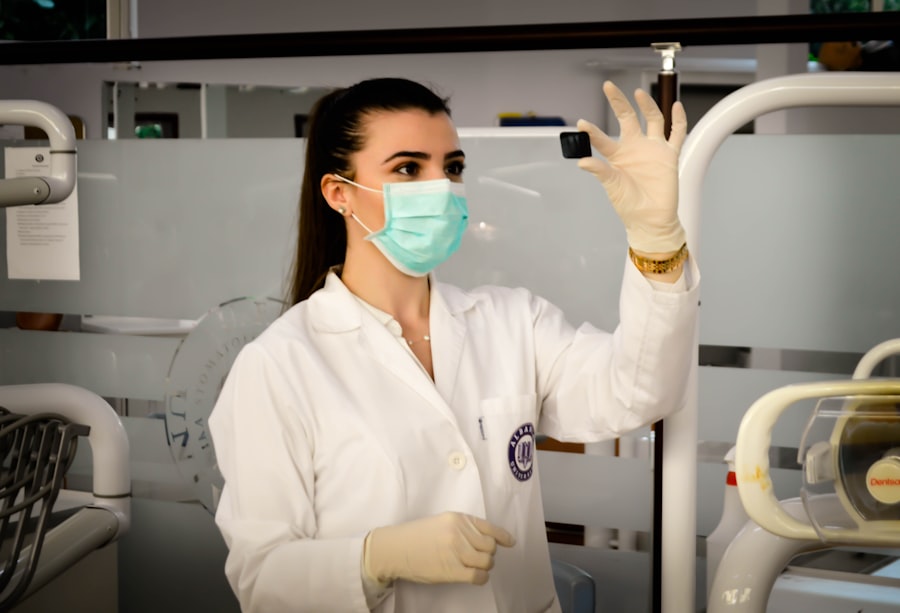
The theoretical benefits of exercise are clear, but translating them into consistent practice amidst the relentless demands of medical school presents a unique challenge. Successful implementation requires a realistic understanding of time constraints and a strategic approach.
Integrating Exercise into Daily Routines
Rather than viewing exercise as a separate, time-consuming obligation, it can be woven into the fabric of daily life.
- Short Bursts: Even 10-15 minute bouts of activity, such as a brisk walk between classes or a quick stretch session, can accumulate and offer benefits.
- Active Commuting: Walking or cycling to campus or clinical sites, if feasible, can effortlessly integrate physical activity into the day.
- Study Breaks: Replacing passive breaks with active ones, like a short walk outdoors or a few sets of bodyweight exercises, can refresh the mind and body.
Group Activities and Social Support
Leveraging the power of social connection can enhance adherence to exercise regimes.
- Study Group Workouts: Instead of solely meeting for academic discussions, study groups could incorporate a shared workout session.
- University Sports Clubs: Joining intramural teams or university sports clubs can provide both exercise and a sense of community outside of medical academic circles.
- Peer Accountability: Working out with a friend or classmate can provide motivation and accountability, making it less likely to skip sessions.
Mindful Movement
For medical students grappling with significant stress, incorporating mindful movement practices can be particularly beneficial.
- Yoga and Pilates: These disciplines combine physical postures with breathwork and mindfulness, offering physical conditioning alongside stress reduction.
- Tai Chi: This low-impact exercise emphasizes slow, deliberate movements and deep breathing, promoting relaxation and focus.
- Nature Walks: Spending time in green spaces, even when simply walking, has been shown to reduce stress and improve mood. This often overlooked “green exercise” can be a powerful antidote to the indoor, high-stress environment of medical school.
Addressing Barriers to Exercise in Medical School
| Metric | Description | Typical Range/Value | Importance |
|---|---|---|---|
| Number of Research Projects | Total research projects participated in during medical school | 1-5 projects | Indicates research experience and exposure |
| Publications | Number of peer-reviewed articles published | 0-3 publications | Demonstrates ability to contribute to scientific knowledge |
| Conference Presentations | Oral or poster presentations at scientific meetings | 0-5 presentations | Shows communication skills and active engagement |
| Research Hours per Week | Average weekly time dedicated to research activities | 5-15 hours | Reflects commitment and time management |
| Research Mentorship | Presence of a faculty mentor guiding research | Yes/No | Important for guidance and networking |
| Type of Research | Basic science, clinical, epidemiological, or translational | Varies | Shows diversity and interest areas |
| Research Awards or Grants | Recognition or funding received for research work | 0-2 awards/grants | Highlights excellence and initiative |
| Impact Factor of Journals | Average impact factor of journals where published | 1-5+ | Indicates quality and reach of research |
Despite the compelling evidence, medical students consistently report barriers to engaging in regular physical activity. Recognizing these impediments is the first step toward developing effective strategies to overcome them.
Time Constraints
This is arguably the most frequently cited barrier. The extensive curriculum, clinical rotations, and extracurricular activities leave little free time. Addressing this requires a shift in perspective, recognizing exercise not as a luxury, but as a necessary component of sustainable performance.
- Prioritization: Viewing exercise as an essential appointment, rather than an optional activity, can aid in fitting it into a packed schedule.
- Efficient Workouts: Opting for high-intensity interval training (HIIT) or resistance training can provide significant benefits in shorter durations.
Fatigue and Burnout
The chronic exhaustion experienced by many medical students can create a vicious cycle: mental fatigue reduces motivation to exercise, which in turn perpetuates feelings of low energy.
- Listen to Your Body: On days of extreme fatigue, opting for lighter activities like gentle stretching or a short walk rather than intense workouts can still offer benefits without exacerbating exhaustion.
- Nutrition and Sleep: Addressing foundational elements of well-being, such as adequate nutrition and sleep, can indirectly improve energy levels for exercise.
Lack of Facilities or Resources
Some medical students may face practical limitations, such as a lack of accessible and affordable gym facilities, especially if living off-campus or on rotations in remote areas.
- Bodyweight Exercises: Many effective workouts require no equipment and can be performed anywhere.
- Outdoor Activities: Utilizing parks, running trails, or public spaces for exercise can bypass the need for gym memberships.
- University Resources: Universities often provide discounted or free access to fitness centers and sports facilities. Encouraging medical students to utilize these resources can be a key strategy.
Conclusion
The journey through medical school is a marathon, not a sprint. The rigorous curriculum and the emotional demands can take a significant toll on mental well-being. Exercise, far from being a trivial pursuit, stands as a fundamental pillar of resilience. It is an investment in both present mental health and future professional capacity. By understanding its physiological and psychological underpinnings, and by implementing practical strategies to overcome inherent barriers, medical students can harness the power of physical activity to navigate the challenges of their training, emerge as more robust individuals, and ultimately become more effective caretakers of others’ health. Integrating regular physical activity is not merely an optional addition to a busy schedule; it is an essential component of a sustainable and healthy medical career.
