
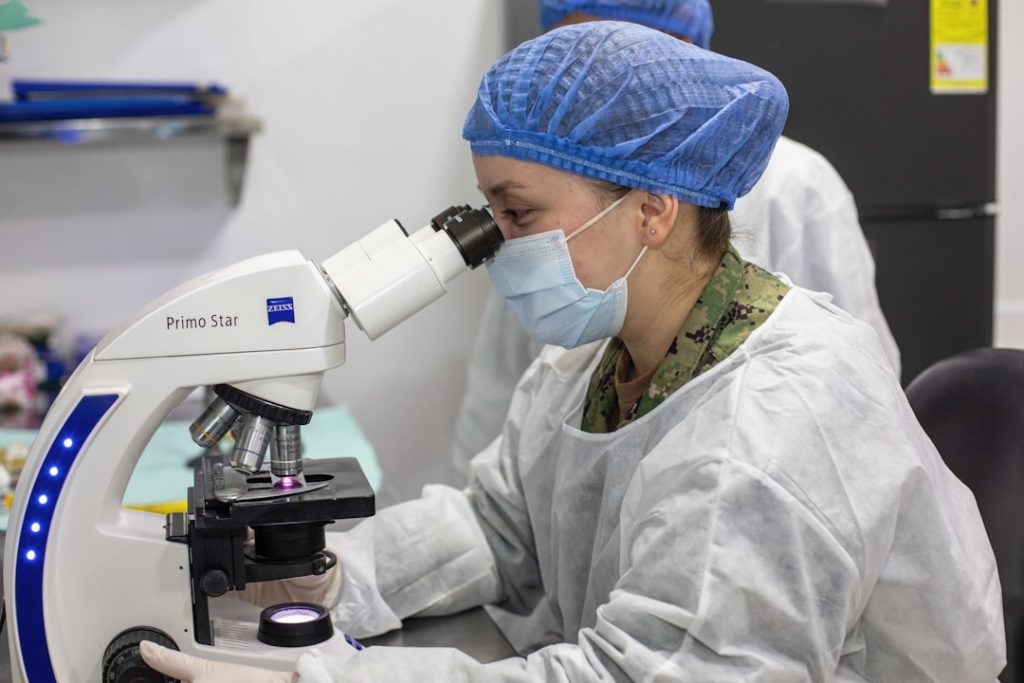
The landscape of medical treatments has undergone a remarkable transformation over the past few decades, driven by innovations in technology, pharmacology, and biotechnology. One of the most significant advancements is the development of targeted therapies, particularly in oncology. Unlike traditional chemotherapy, which indiscriminately attacks rapidly dividing cells, targeted therapies focus on specific molecular targets associated with cancer.
For instance, drugs like trastuzumab (Herceptin) have revolutionized the treatment of HER2-positive breast cancer by specifically inhibiting the growth of cancer cells that overexpress the HER2 protein. This precision medicine approach not only enhances treatment efficacy but also minimizes side effects, leading to improved patient quality of life. In addition to targeted therapies, the advent of immunotherapy has marked a paradigm shift in how diseases, particularly cancers, are treated.

Immunotherapy harnesses the body’s immune system to fight cancer more effectively. Agents such as checkpoint inhibitors, including pembrolizumab (Keytruda) and nivolumab (Opdivo), have shown remarkable success in treating various malignancies by blocking proteins that inhibit immune responses. These treatments have led to durable responses in patients with previously untreatable cancers, showcasing the potential of immunotherapy to change the prognosis for many patients.
Furthermore, advancements in gene therapy and CRISPR technology are paving the way for novel treatments that can correct genetic disorders at their source, offering hope for conditions that were once deemed incurable.
Key Takeaways
- Clinical research drives advancements in medical treatments, improving patient care and outcomes.
- It offers diverse career opportunities across various healthcare and scientific fields.
- Contributions to evidence-based medicine help shape effective healthcare practices and policies.
- Collaboration and networking in clinical research foster innovation and professional growth.
- Education, training, and funding are essential to sustain and expand clinical research efforts.

Career Opportunities in Clinical Research
The field of clinical research presents a plethora of career opportunities for individuals interested in contributing to medical advancements. As the demand for new therapies and treatments continues to grow, so does the need for skilled professionals who can navigate the complexities of clinical trials. Positions range from clinical research coordinators and clinical trial managers to regulatory affairs specialists and biostatisticians.
Each role plays a crucial part in ensuring that clinical trials are conducted ethically and efficiently, adhering to regulatory standards while also prioritizing patient safety. Moreover, the rise of personalized medicine and the increasing complexity of clinical trials have created a need for specialized roles within clinical research. For example, data scientists and bioinformaticians are becoming integral to analyzing vast amounts of data generated from trials, helping to identify trends and outcomes that can inform future research directions.
Additionally, with the global nature of clinical trials, opportunities for international collaboration are expanding, allowing professionals to work across borders and cultures. This not only enriches their experience but also enhances the quality of research by incorporating diverse perspectives and expertise.
Contributions to Evidence-Based Medicine
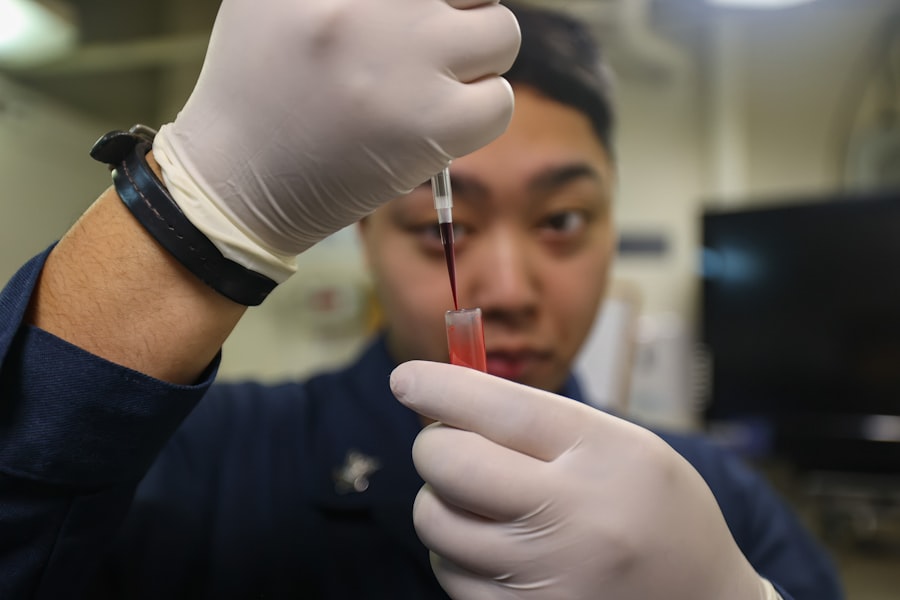
Evidence-based medicine (EBM) is a cornerstone of modern healthcare, emphasizing the use of the best available evidence in making clinical decisions. Clinical research plays a pivotal role in generating this evidence through rigorous studies that assess the efficacy and safety of interventions. Randomized controlled trials (RCTs), systematic reviews, and meta-analyses are fundamental methodologies that provide robust data to guide clinical practice.
For instance, landmark studies such as the Framingham Heart Study have significantly influenced cardiovascular disease management by identifying risk factors and establishing guidelines for prevention and treatment. Furthermore, clinical research contributes to EBM by addressing gaps in knowledge and evaluating real-world effectiveness. Observational studies and pragmatic trials help bridge the gap between controlled environments and everyday clinical practice, providing insights into how treatments perform in diverse populations.
This real-world evidence is crucial for informing guidelines and policies that reflect actual patient experiences and outcomes. As healthcare continues to evolve, the integration of clinical research findings into EBM ensures that practitioners can make informed decisions that enhance patient care.
Impact on Patient Care and Outcomes
The impact of clinical research on patient care and outcomes is profound and multifaceted. By providing evidence-based guidelines and treatment protocols, clinical research directly influences how healthcare providers approach patient management. For example, the development of new anticoagulants through clinical trials has transformed the management of conditions like atrial fibrillation, allowing for safer and more effective options compared to traditional therapies like warfarin.
These advancements not only improve patient outcomes but also enhance adherence to treatment regimens due to reduced side effects and monitoring requirements. Moreover, clinical research fosters a culture of continuous improvement in healthcare delivery. The findings from clinical trials often lead to changes in practice patterns that prioritize patient-centered care.
For instance, studies demonstrating the benefits of early intervention in chronic diseases have prompted healthcare systems to adopt proactive management strategies, ultimately leading to better health outcomes and reduced healthcare costs. The emphasis on patient-reported outcomes in recent research initiatives further underscores the importance of considering patients’ perspectives in evaluating treatment effectiveness, ensuring that care is aligned with their values and preferences.
Influence on Healthcare Policy and Regulations
| Metric | Details |
|---|---|
| Program Duration | 3 to 5 years |
| Core Subjects | Clinical Trial Design, Biostatistics, Pharmacology, Ethics in Research, Data Management |
| Research Focus Areas | Drug Development, Patient Safety, Epidemiology, Regulatory Affairs |
| Average Completion Rate | 70% – 85% |
| Career Opportunities | Clinical Research Scientist, Regulatory Affairs Specialist, Medical Writer, Data Manager |
| Required Qualifications | Master’s degree in Life Sciences, Medicine, Pharmacy, or related field |
| Typical Research Output | Peer-reviewed publications, Clinical trial protocols, Conference presentations |
| Funding Sources | University scholarships, Government grants, Industry sponsorships |
| Average Stipend | Varies by country and institution |
| Key Skills Developed | Analytical thinking, Research methodology, Statistical analysis, Ethical compliance |
Clinical research significantly shapes healthcare policy and regulations by providing the evidence needed to inform decision-making at various levels. Regulatory agencies such as the Food and Drug Administration (FDA) rely on data from clinical trials to evaluate the safety and efficacy of new drugs and medical devices before they can be approved for public use. The rigorous standards set forth by these agencies ensure that only those interventions that demonstrate clear benefits are made available to patients, thereby safeguarding public health.
Additionally, clinical research findings often serve as a foundation for health policy initiatives aimed at improving population health outcomes. For example, studies highlighting disparities in healthcare access have prompted policymakers to implement programs targeting underserved communities, ensuring equitable access to care. The integration of research into policy development not only enhances the quality of healthcare but also fosters accountability among providers and institutions.
As healthcare systems increasingly prioritize value-based care, the role of clinical research in shaping policies that promote effective interventions becomes even more critical.
Research Funding and Grants

Securing funding for clinical research is essential for advancing medical knowledge and developing new treatments. Various sources provide financial support for research initiatives, including government agencies, private foundations, and pharmaceutical companies. The National Institutes of Health (NIH) is one of the largest public funders of biomedical research globally, offering grants that support a wide range of studies aimed at improving health outcomes.
These grants often require rigorous peer review processes to ensure that only high-quality proposals receive funding. In addition to traditional funding sources, innovative models such as public-private partnerships are emerging as viable options for financing clinical research. These collaborations leverage resources from both sectors to accelerate the development of new therapies while sharing risks associated with research investments.
Furthermore, crowdfunding platforms have gained traction in recent years, allowing researchers to tap into public interest and support for specific projects. This democratization of funding not only broadens access to financial resources but also engages communities in the research process, fostering a sense of ownership over health advancements.
Collaboration and Networking Opportunities
Collaboration is a cornerstone of successful clinical research, enabling researchers from diverse backgrounds to pool their expertise and resources toward common goals. Multidisciplinary teams comprising clinicians, scientists, statisticians, and patient advocates are increasingly common in clinical trials, fostering innovation and enhancing study design. Collaborative networks such as academic consortia or cooperative groups facilitate knowledge sharing and resource allocation, ultimately leading to more robust research outcomes.
Networking opportunities abound within the field of clinical research, providing professionals with avenues to connect with peers, mentors, and industry leaders. Conferences, workshops, and seminars serve as platforms for sharing findings, discussing challenges, and exploring new methodologies. Organizations such as the Association of Clinical Research Professionals (ACRP) offer resources for networking and professional development, helping individuals stay abreast of industry trends while building valuable connections that can lead to collaborative projects or career advancements.
Education and Training in Clinical Research
Education and training are vital components in preparing individuals for careers in clinical research. A variety of academic programs exist at both undergraduate and graduate levels that focus on clinical research methodologies, biostatistics, regulatory affairs, and ethics. These programs equip students with the necessary skills to design and conduct studies while adhering to ethical standards and regulatory requirements.
In addition to formal education, ongoing professional development is crucial in this rapidly evolving field. Workshops, certification programs, and online courses provide opportunities for practitioners to enhance their knowledge and skills throughout their careers. Organizations such as ACRP offer certification programs that validate expertise in clinical research practices, helping professionals demonstrate their commitment to excellence in their work.
As new technologies emerge and methodologies evolve, continuous education ensures that those involved in clinical research remain competent and capable of contributing effectively to advancements in healthcare.
