

Clinical research is a critical component of the medical field, serving as the bridge between laboratory discoveries and practical applications in patient care. The process of bringing a new drug or medical device to market is complex and multifaceted, typically divided into distinct phases that ensure safety, efficacy, and regulatory compliance. Each phase of clinical research plays a vital role in determining whether a new treatment is suitable for public use.
Understanding these phases is essential for healthcare professionals, researchers, and patients alike, as it provides insight into how new therapies are developed and validated. The journey of a new therapeutic agent begins long before it reaches the clinical trial stage. It starts with preclinical research, where scientists conduct laboratory and animal studies to gather preliminary data on the safety and biological activity of a compound.

Once sufficient evidence is gathered, the research transitions into human trials, which are categorized into several phases—Phase I, Phase II, Phase III, and finally, post-market surveillance. Each phase has specific objectives and methodologies designed to address different aspects of drug development, ensuring that only the most promising candidates advance through the pipeline.
Key Takeaways
- Clinical research progresses through distinct phases to ensure drug safety and effectiveness.
- Preclinical research lays the groundwork by testing in labs and on animals before human trials.
- Phase I trials focus on safety and determining appropriate dosage in a small group of participants.
- Phase II and III trials evaluate efficacy, side effects, and confirm results in larger populations.
- Post-market surveillance and regulatory agencies play crucial roles in ongoing safety monitoring after approval.
Preclinical Research Phase: Understanding the Foundation

The preclinical research phase is foundational to the entire clinical trial process. During this stage, researchers conduct extensive laboratory experiments and animal studies to evaluate the pharmacological properties of a new drug or device. This phase aims to establish initial safety profiles and biological activity before any human testing begins.
Researchers assess how the drug interacts with biological systems, its potential therapeutic effects, and any toxicological concerns that may arise. For instance, if a pharmaceutical company is developing a new cancer treatment, preclinical studies might involve testing the drug on various cancer cell lines in vitro (in the lab) and then moving to in vivo (in living organisms) studies using animal models. These studies help determine the appropriate dosage range and identify any adverse effects that could occur at different concentrations.
The data collected during this phase is crucial for designing subsequent clinical trials and is often submitted to regulatory agencies as part of an Investigational New Drug (IND) application.
Phase I Clinical Trials: Testing Safety and Dosage
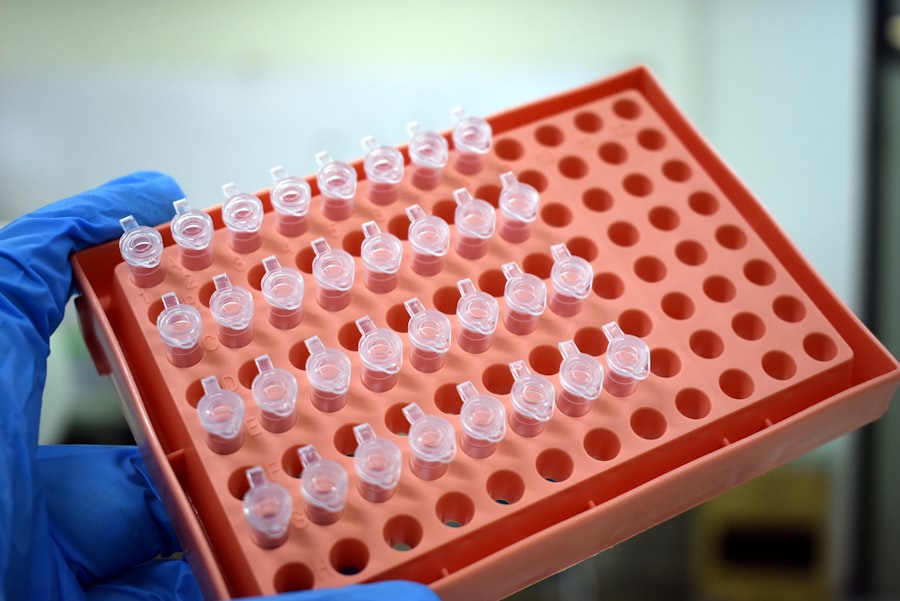
Phase I clinical trials mark the first time a new drug is tested in humans. The primary objective of this phase is to evaluate the safety profile of the drug, determine a safe dosage range, and identify any side effects associated with its use. Typically involving a small group of healthy volunteers or patients with the condition being treated, Phase I trials are designed to gather preliminary data on how the drug behaves in the human body.
During these trials, researchers closely monitor participants for any adverse reactions while gradually increasing the dosage to find the maximum tolerated dose. For example, in a Phase I trial for a novel analgesic, participants might receive escalating doses of the drug over several weeks. The data collected helps researchers understand how the drug is metabolized and excreted, as well as its pharmacokinetics—the study of how the drug moves through the body.
This information is critical for determining safe dosing guidelines for future trials.
Phase II Clinical Trials: Assessing Efficacy and Side Effects
Once a drug has successfully passed Phase I trials, it progresses to Phase II, where the focus shifts from safety to efficacy. This phase involves a larger group of participants—typically ranging from 100 to 300 individuals—who have the condition that the drug aims to treat. The primary goal of Phase II trials is to assess whether the drug has a therapeutic effect while continuing to monitor its safety profile.
In this phase, researchers often employ randomized controlled trial designs to compare the new treatment against a placebo or standard therapy. For instance, if a new antidepressant is being tested, participants may be randomly assigned to receive either the new medication or an existing treatment. This design helps establish whether any observed effects are due to the drug itself rather than external factors.
Additionally, Phase II trials provide valuable insights into optimal dosing regimens and potential side effects that may not have been evident during Phase
| Phase | Purpose | Number of Participants | Duration | Key Focus | Outcome |
|---|---|---|---|---|---|
| Preclinical | Assess safety and biological activity in lab and animal studies | Not applicable | 1-2 years | Toxicity, pharmacokinetics, pharmacodynamics | Data to support human trials |
| Phase 1 | Evaluate safety, dosage, and side effects | 20-100 healthy volunteers | Several months | Safety and dosage range | Safe dosage range and side effect profile |
| Phase 2 | Assess efficacy and side effects in patients | 100-300 patients | Several months to 2 years | Efficacy and side effects | Preliminary data on effectiveness and safety |
| Phase 3 | Confirm effectiveness, monitor side effects, compare to standard treatments | 1,000-3,000 patients | 1-4 years | Effectiveness and safety in larger population | Comprehensive data for regulatory approval |
| Phase 4 | Post-marketing surveillance to detect long-term effects | Various, often thousands | Ongoing | Long-term safety and effectiveness | Additional information on risks and benefits |
Phase III Clinical Trials: Confirming Efficacy and Monitoring Adverse Reactions

Phase III clinical trials are pivotal in the drug development process as they provide comprehensive data on a drug’s efficacy and safety across diverse populations. These trials typically involve thousands of participants and are designed to confirm findings from earlier phases while monitoring for any adverse reactions that may arise in a larger cohort. The results from Phase III trials are crucial for regulatory approval and can significantly influence clinical practice.
In this phase, researchers often conduct multicenter trials that include various demographics, such as different age groups, genders, and ethnicities, to ensure that the findings are generalizable. For example, if a new vaccine is being tested for efficacy against a viral infection, Phase III trials would involve participants from various geographic locations and health backgrounds. The data collected during this phase not only helps determine whether the drug should be approved but also provides essential information on long-term effects and potential interactions with other medications.
Post-Market Surveillance: Monitoring Drug or Device Safety
After a drug or medical device receives regulatory approval, it enters the post-market surveillance phase, also known as Phase
Regulatory agencies require manufacturers to conduct post-marketing studies to gather additional data on long-term safety and efficacy. For instance, if a new diabetes medication is approved, ongoing studies may track patients over several years to monitor for any late-onset side effects or complications that were not evident during earlier trials. Additionally, healthcare providers are encouraged to report any adverse events associated with the drug or device to regulatory bodies, contributing to a comprehensive understanding of its safety profile.
The Role of Regulatory Agencies in Clinical Research Phases
Regulatory agencies play an essential role throughout all phases of clinical research, ensuring that drugs and medical devices meet rigorous safety and efficacy standards before they reach consumers. In the United States, the Food and Drug Administration (FDA) oversees this process, while other countries have their respective regulatory bodies such as the European Medicines Agency (EMA) in Europe or Health Canada in Canada. These agencies review data submitted by researchers at each stage of development—from preclinical studies through post-market surveillance—to assess whether a product can be safely marketed.
They establish guidelines for conducting clinical trials, including ethical considerations such as informed consent and participant safety. Furthermore, regulatory agencies often require ongoing reporting from manufacturers regarding any adverse events or new findings related to approved products, ensuring that public health remains a priority even after market entry.
The Importance of Understanding Clinical Research Phases
Understanding the phases of clinical research is crucial for anyone involved in healthcare or interested in medical advancements. Each phase serves a specific purpose in ensuring that new treatments are safe and effective before they become available to patients. From preclinical studies that lay the groundwork for human testing to post-market surveillance that monitors long-term safety, each step is integral to developing reliable therapies.
As medical science continues to evolve with advancements in technology and methodology, awareness of these phases will empower patients and healthcare professionals alike to make informed decisions about treatment options. By appreciating the rigorous processes behind clinical research, stakeholders can better understand the complexities involved in bringing innovative therapies from bench to bedside.
