
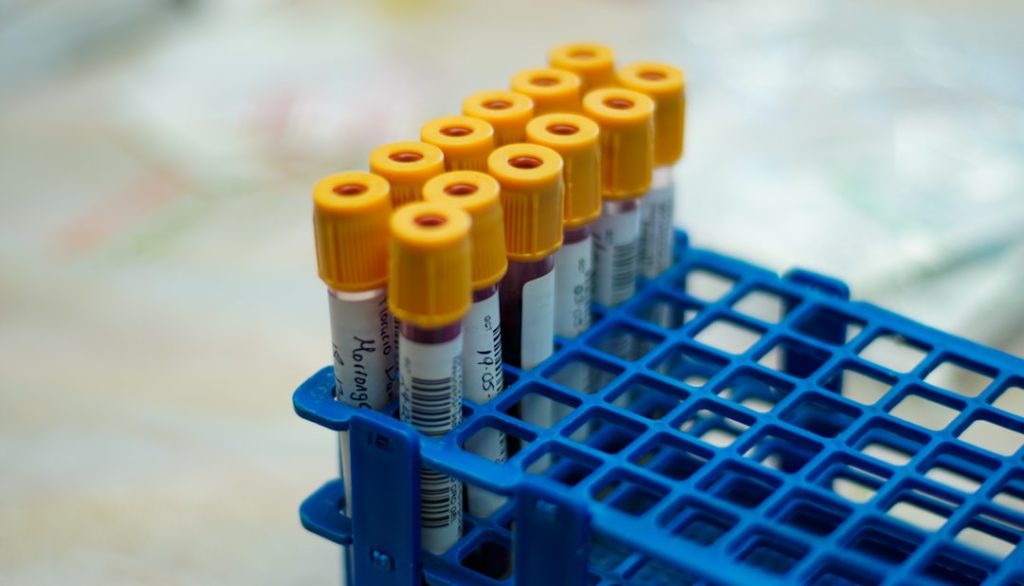
Clinical research trials are a cornerstone of modern medicine, serving as the bridge between laboratory discoveries and practical applications in patient care. These trials are meticulously designed studies that evaluate the safety, efficacy, and overall impact of new medical interventions, including drugs, devices, and treatment protocols. The process is governed by rigorous scientific standards and ethical guidelines to ensure that the rights and well-being of participants are prioritized.
As the healthcare landscape evolves, clinical trials play an increasingly vital role in advancing medical knowledge and improving patient outcomes. The journey of a new treatment begins long before it reaches the clinical trial stage. It typically starts with preclinical research, where scientists conduct laboratory experiments and animal studies to gather preliminary data on a potential intervention’s safety and biological activity.

Once sufficient evidence is gathered, researchers can apply for approval to initiate clinical trials, which are categorized into distinct phases. Each phase serves a specific purpose and builds upon the findings of the previous one, ultimately leading to a comprehensive understanding of the treatment’s effects in human populations.
Key Takeaways
- Clinical research trials progress through phases I to IV, each focusing on safety, efficacy, large-scale testing, and post-market surveillance.
- Phase I trials primarily assess safety and dosage in a small group of participants.
- Phase II and III trials evaluate the effectiveness and monitor side effects in larger populations.
- Ethical considerations are crucial to protect participants and ensure trial integrity.
- Participation in clinical trials is vital for advancing medical knowledge and developing new treatments.
Phase I: Safety and Dosage Testing

Phase I clinical trials are the first step in testing a new drug or treatment in humans. These trials primarily focus on assessing the safety profile of the intervention, determining how it is metabolized in the body, and identifying any potential side effects. Typically involving a small group of healthy volunteers or patients, Phase I trials aim to establish a safe dosage range and identify any adverse reactions that may occur at different dosage levels.
The number of participants usually ranges from 20 to 100, allowing researchers to gather initial data without exposing a large population to unknown risks. During this phase, researchers employ various methodologies to monitor participants closely. They may use blood tests, imaging studies, and questionnaires to assess how the drug interacts with the body.
For instance, if a new cancer drug is being tested, researchers will monitor not only for immediate side effects but also for longer-term impacts on organ function. The data collected during Phase I trials is crucial for determining whether the drug can proceed to Phase II trials, where its efficacy will be evaluated in a larger group of patients.
Phase II: Efficacy Testing

Once a treatment has demonstrated an acceptable safety profile in Phase I trials, it advances to Phase II, where the focus shifts to evaluating its efficacy. This phase typically involves a larger cohort of participants, often ranging from 100 to 300 individuals who have the condition that the treatment aims to address. The primary goal is to determine whether the intervention produces a beneficial effect on the disease or condition being studied.
Researchers also continue to monitor safety and side effects during this phase. In Phase II trials, researchers often employ randomized controlled trial designs, where participants are assigned to either receive the experimental treatment or a placebo. This design helps eliminate bias and allows for a clearer comparison of outcomes between groups.
For example, in testing a new antidepressant, participants receiving the drug would be compared against those receiving a placebo to assess improvements in symptoms. The results from Phase II trials are critical in determining whether the treatment shows enough promise to warrant further investigation in Phase III trials.
Phase III: Large-Scale Testing
Phase III clinical trials represent a pivotal moment in the development of a new treatment, as they involve large-scale testing across diverse populations. Typically enrolling hundreds to thousands of participants, these trials aim to confirm the efficacy observed in Phase II while further assessing safety across a broader demographic. This phase is essential for understanding how the treatment performs in real-world settings and among various subgroups, including different ages, genders, and comorbidities.
The design of Phase III trials often includes multicenter approaches, where multiple research sites collaborate to recruit participants. This not only enhances the diversity of the study population but also increases the generalizability of the findings. For instance, if a new vaccine is being tested, it may be administered in various geographic locations to ensure that results reflect different environmental factors and population characteristics.
The data collected during this phase is critical for regulatory approval; successful completion can lead to submission for marketing authorization from agencies such as the U.S. Food and Drug Administration (FDA) or the European Medicines Agency (EMA).
Phase IV: Post-Market Surveillance
| Phase | Purpose | Number of Participants | Duration | Key Focus | Success Rate |
|---|---|---|---|---|---|
| Phase 0 | Microdosing to gather preliminary data on pharmacodynamics and pharmacokinetics | 10-15 | Several months | Safety and biological activity | Not applicable |
| Phase I | Assess safety, dosage range, and side effects | 20-100 healthy volunteers | Several months | Safety and dosage | Approximately 70% |
| Phase II | Evaluate efficacy and side effects in patients with the condition | 100-300 patients | Several months to 2 years | Efficacy and side effects | Approximately 33% |
| Phase III | Confirm effectiveness, monitor side effects, compare to commonly used treatments | 1,000-3,000 patients | 1-4 years | Effectiveness and safety | Approximately 25-30% |
| Phase IV | Post-marketing studies to gather additional information on risks, benefits, and optimal use | Varies (thousands) | Years | Long-term safety and effectiveness | Ongoing monitoring |
After a treatment receives regulatory approval and enters the market, it does not signify the end of its evaluation. Phase IV clinical trials, also known as post-marketing surveillance studies, are conducted to monitor the long-term effects and effectiveness of a treatment once it is widely used in the general population. These studies are crucial for identifying rare side effects that may not have been evident during earlier phases due to smaller sample sizes or shorter follow-up periods.
Phase IV trials can take various forms, including observational studies, registries, or randomized controlled trials designed specifically for post-marketing assessment. For example, after a new diabetes medication is approved, researchers may conduct a registry that tracks patients over several years to monitor for any unexpected adverse events or long-term benefits. This ongoing evaluation helps ensure that healthcare providers have access to comprehensive information about a treatment’s safety profile and effectiveness over time.
Key Players in Clinical Research Trials

The successful execution of clinical research trials involves collaboration among various stakeholders, each playing a critical role in the process. Key players include pharmaceutical companies, academic institutions, contract research organizations (CROs), regulatory agencies, and healthcare providers. Pharmaceutical companies often sponsor clinical trials as part of their drug development process; they provide funding and resources necessary for conducting research while ensuring compliance with regulatory requirements.
Academic institutions contribute significantly by providing expertise in study design and access to patient populations. Researchers affiliated with universities often lead clinical trials and collaborate with pharmaceutical companies to bring innovative treatments to market. CROs serve as intermediaries that manage various aspects of clinical trials on behalf of sponsors; they handle logistics such as participant recruitment, data management, and regulatory submissions.
Regulatory agencies like the FDA or EMA oversee the entire process to ensure that trials adhere to ethical standards and scientific rigor.
Ethical Considerations in Clinical Research Trials
Ethical considerations are paramount in clinical research trials, as they directly impact participant safety and informed consent processes. Researchers must adhere to strict ethical guidelines established by institutional review boards (IRBs) or ethics committees that evaluate study protocols before they can commence. Informed consent is a critical component; participants must be fully aware of the potential risks and benefits associated with their involvement in a trial before agreeing to participate.
Moreover, ethical considerations extend beyond informed consent; they encompass issues such as participant selection, data privacy, and equitable access to treatments. Researchers must ensure that vulnerable populations are not exploited and that diverse groups are represented in clinical trials to enhance generalizability. For instance, historically underrepresented groups in medical research may require targeted outreach efforts to ensure their participation while safeguarding their rights and welfare throughout the study.
The Importance of Participating in Clinical Research Trials
Participating in clinical research trials offers numerous benefits not only for individual participants but also for society as a whole. For patients with limited treatment options or those seeking access to cutting-edge therapies, clinical trials can provide opportunities for innovative interventions that may improve their health outcomes. Participants often receive close monitoring from healthcare professionals and access to comprehensive care throughout the trial period.
Beyond individual benefits, participation in clinical trials contributes significantly to advancing medical knowledge and improving public health. Each trial generates valuable data that informs future research directions and treatment guidelines. By participating in clinical research, individuals play an active role in shaping the future of medicine while helping researchers understand how new treatments can be optimized for diverse populations.
This collective effort ultimately leads to better healthcare solutions for everyone, underscoring the importance of clinical research trials in our quest for improved health outcomes globally.
