

The University of Miami Clinical Research Building (UM CRB) stands as a dedicated nexus for biomedical inquiry within the Miller School of Medicine. Established to consolidate and facilitate clinical research activities, the facility plays a role in the institution’s broader scientific endeavors. This article will provide an overview of the UM CRB’s genesis, its operational framework, and its contributions to medical science, offering insights into its strategic importance for the University of Miami and the wider healthcare landscape.
The conceptualization of the University of Miami Clinical Research Building emerged from a recognized need to centralize and enhance the infrastructure supporting clinical research initiatives across the Miller School of Medicine. Prior to its construction, research activities were often dispersed across various buildings and departments, leading to logistical challenges and potential fragmentation of efforts. The vision for the UM CRB was to create a purpose-built environment that would foster collaboration, maximize resource utilization, and provide state-of-the-art facilities for a diverse range of clinical investigations.
Early Planning and Funding

Initial discussions regarding a dedicated clinical research facility began in the early 2000s, driven by a strategic imperative to elevate the University of Miami’s standing in medical research. These discussions involved university leadership, departmental chairs, and leading researchers, who collectively articulated the necessity for a centralized hub. Significant funding for the project was secured through a combination of institutional investments, philanthropic donations, and state appropriations. This multi-faceted funding approach underscored the perceived importance of the facility to both the university and the broader community. The economic impact projections for such a facility also played a role in securing governmental support, highlighting its potential to attract research grants and foster innovation.
Architectural Design and Construction
Architectural planning for the UM CRB commenced with a focus on creating a functional yet adaptable space that could accommodate evolving research methodologies and technologies. The design team worked closely with scientific stakeholders to ensure that the building’s layout and features met the specific requirements of clinical research, including specialized laboratories, patient examination rooms, and administrative offices. Construction began in [Insert Year] and was completed in [Insert Year], culminating in a multi-story structure that integrated seamlessly with the existing medical campus. The building’s design also incorporated considerations for future expansion and flexibility, allowing for internal reconfigurations as research needs shifted.
Facilities and Infrastructure

The University of Miami Clinical Research Building is designed to provide comprehensive support for clinical research, housing a range of specialized facilities and advanced infrastructure. These resources are intended to facilitate the entire research lifecycle, from study design and patient recruitment to data analysis and dissemination. The emphasis is on creating an environment that enables rigorous, ethical, and efficient conduct of clinical trials and observational studies.
Specialized Research Units
Within the UM CRB, several specialized research units operate, each catering to specific research needs. These units are equipped with dedicated personnel and instrumentation to support diverse research endeavors.
Clinical Trials Unit (CTU)
The Clinical Trials Unit (CTU) is a foundational component of the UM CRB, offering dedicated space and resources for the conduct of industry-sponsored and investigator-initiated clinical trials. This unit includes patient examination rooms, phlebotomy areas, and secure medication storage facilities. The CTU provides support services such as regulatory assistance, study coordination, and data management, aiming to streamline the trial process and ensure compliance with ethical and regulatory guidelines. The operational protocols within the CTU are aligned with Good Clinical Practice (GCP) standards.
Biorepository and Sample Management
A centralized biorepository within the UM CRB facilitates the long-term storage and management of biological samples collected from research participants. This facility is equipped with ultra-low temperature freezers and cryogenic storage systems, maintaining the integrity of samples for future analysis. Robust inventory management systems and strict chain-of-custody protocols are in place to ensure sample traceability and data accuracy, a cornerstone for longitudinal studies and biomarker discovery.
Imaging Core
The imaging core facility provides access to advanced imaging modalities crucial for clinical research, including MRI, CT, and PET scanners. These instruments are utilized for diagnostic purposes, disease progression tracking, and the assessment of therapeutic efficacy. The imaging core employs specialized technicians and radiologists who collaborate with researchers to optimize imaging protocols and interpret results, thereby supporting studies in neurology, oncology, cardiology, and other fields.
Core Laboratories and Support Services
Beyond specialized units, the UM CRB also houses various core laboratories and offers essential support services that underpin its research activities.
Wet Labs and Bench Space
Dedicated wet laboratories and bench space are available for researchers requiring facilities for molecular biology, biochemistry, and cell culture studies. These labs are equipped with standard research instrumentation, including centrifuges, spectrophotometers, and microscopes. The design of these spaces emphasizes flexibility, allowing for adaptation to different experimental setups and research projects.
Data Management and Biostatistical Support
Integral to the research process, the UM CRB provides robust data management and biostatistical support. This includes secure data storage solutions, electronic data capture (EDC) systems, and access to biostatisticians who assist with study design, statistical analysis, and interpretation of results. This support aims to ensure the rigor and validity of research findings, transforming raw data into actionable scientific insights.
Regulatory and Compliance Office
A dedicated regulatory and compliance office operates within the UM CRB, providing guidance and oversight for all research activities. This office assists researchers with institutional review board (IRB) submissions, compliance with federal regulations (e.g., FDA, NIH), and adherence to ethical guidelines. The aim is to mitigate risks and ensure that all research conducted within the building meets the highest standards of safety and ethical conduct.
Research Focus Areas and Contributions
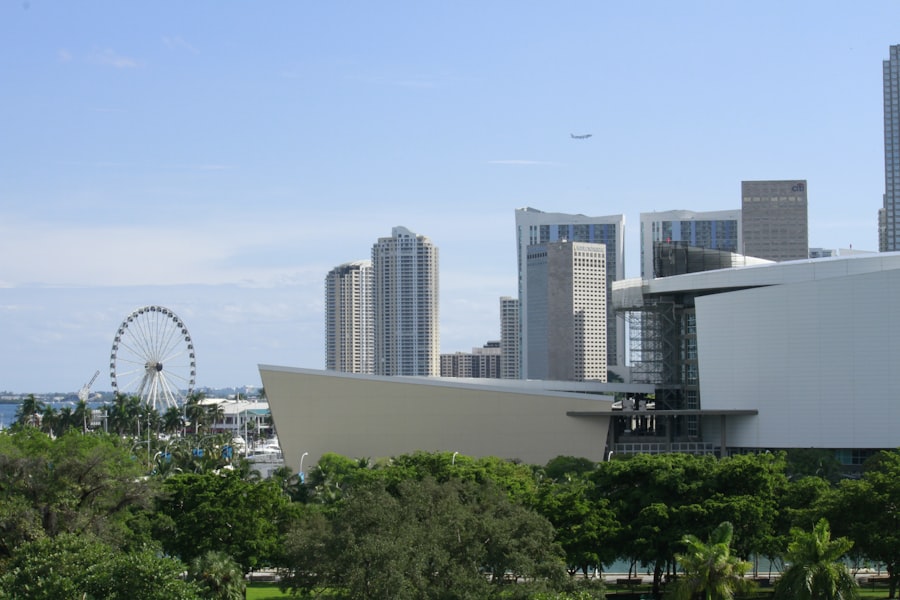
The University of Miami Clinical Research Building serves as a platform for a broad spectrum of medical research, encompassing various disease areas and scientific disciplines. The synergistic environment fostered by the centralized facility encourages interdisciplinary collaborations and the translation of basic scientific discoveries into clinical applications.
Neurosciences Research
A significant portion of the research conducted within the UM CRB focuses on neurosciences. Researchers investigate conditions such as Alzheimer’s disease, Parkinson’s disease, multiple sclerosis, and spinal cord injury. Studies range from understanding disease mechanisms at a molecular level to evaluating novel therapeutic interventions in clinical trials. The integration of neuroimaging, biomarker discovery, and behavioral neuroscience research represents a concerted effort to address complex neurological disorders.
Cancer Research
Cancer research is another primary focus area, with investigations spanning various cancer types, including breast cancer, lung cancer, prostate cancer, and leukemia. Research endeavors include the development of new diagnostic tools, evaluation of targeted therapies, immunotherapy trials, and studies on cancer prevention and survivorship. The UM CRB’s resources facilitate comprehensive cancer research, from preclinical models to patient-centered clinical trials, aiming to improve patient outcomes.
Infectious Diseases
Given Miami’s geographic location and demographic profile, research into infectious diseases is particularly relevant. Studies at the UM CRB address conditions such as HIV/AIDS, tuberculosis, and emerging infectious diseases. This research often involves epidemiological studies, vaccine development, and the testing of antiviral agents. The facility’s capabilities support both local and international collaborative efforts in infectious disease control and prevention.
Cardiovascular and Metabolic Disorders
Research into cardiovascular diseases and metabolic disorders, such as heart failure, hypertension, diabetes, and obesity, also takes place within the UM CRB. These studies encompass genetic predispositions, lifestyle interventions, and pharmacological treatments. The integration of clinical cardiology and endocrinology research aims to develop comprehensive strategies for the prevention and management of these widespread health conditions.
Transplant Research
The University of Miami has a history of excellence in transplant medicine, and the UM CRB contributes to advances in this field. Research includes studies on organ rejection, immunosuppressive therapies, and the optimization of transplant outcomes for various organs, including kidneys, liver, and heart. Investigations also extend to cellular transplantation and regenerative medicine approaches.
Collaborative Initiatives and Partnerships
The University of Miami Clinical Research Building functions as a node within a larger network of scientific collaboration. Its design and operational philosophy actively encourage partnerships, both internal to the University of Miami and external with other academic institutions, industry, and governmental agencies. These collaborations are seen as essential catalysts for accelerating scientific discovery and its translation into clinical practice.
Intra-Institutional Collaborations
Within the Miller School of Medicine and the broader University of Miami, the UM CRB serves as a common ground for researchers from diverse departments. For example, a neurology study investigating a new drug for Alzheimer’s disease might leverage the expertise of the imaging core, the biostatistical support team, and the clinical trials unit, involving researchers from neurology, radiology, and public health departments. This interdepartmental synergy is a key stone in complex multi-PI (Principal Investigator) grants.
External Academic Partnerships
The UM CRB actively participates in multi-center clinical trials and research consortia with other academic institutions nationally and internationally. These partnerships allow for larger patient cohorts, increased statistical power, and the sharing of best practices and specialized resources. Such collaborations are particularly crucial for rare diseases or studies requiring diverse patient populations, creating a tapestry of shared knowledge.
Industry Engagement
Engagement with the pharmaceutical and biotechnology industries is a vital component of the UM CRB’s activities. Industry-sponsored clinical trials conducted within the facility contribute to the development of new drugs, medical devices, and diagnostic tools. These partnerships also provide opportunities for technology transfer and commercialization of university-developed innovations, representing a conduit for discovery and application.
Governmental and Nonprofit Organizations
The UM CRB collaborates with governmental agencies such as the National Institutes of Health (NIH) and the Centers for Disease Control and Prevention (CDC) on various research initiatives. These collaborations often involve grant-funded research projects aimed at addressing public health challenges. Partnerships with nonprofit organizations, such as disease-specific foundations, further support research efforts through funding, advocacy, and patient recruitment, forming a vital support structure.
Future Outlook and Strategic Importance
| Metric | Details |
|---|---|
| Building Name | University of Miami Clinical Research Building |
| Location | Miami, Florida |
| Number of Floors | 7 |
| Total Area | 150,000 square feet |
| Primary Use | Clinical Research and Trials |
| Research Labs | 20+ specialized labs |
| Patient Exam Rooms | 30 |
| Conference Rooms | 10 |
| Year Opened | 2017 |
| Affiliated Institution | University of Miami Miller School of Medicine |
The University of Miami Clinical Research Building is positioned as a long-term asset within the Miller School of Medicine’s strategic plan for research advancement. Its continued evolution and adaptation to emerging scientific trends and technological innovations will be instrumental in maintaining its relevance and impact. The ability of the UM CRB to attract and retain leading researchers, along with secure substantial research funding, will be a measure of its ongoing success.
Adaptability to Emerging Technologies
The building’s infrastructure is designed with a degree of adaptability, recognizing that the landscape of clinical research is constantly changing. Future considerations include the integration of artificial intelligence and machine learning for data analysis, the expansion of precision medicine initiatives, and the incorporation of novel omics technologies. The flexibility in laboratory design allows for the reconfiguration of spaces to accommodate these technological advancements.
Recruitment and Retention of Talent
The presence of a state-of-the-art facility like the UM CRB is a significant factor in attracting and retaining top-tier research talent. It provides researchers with the resources and collaborative environment necessary to conduct high-impact studies. Continued investment in cutting-edge equipment and support staff will be crucial for sustaining this advantage, creating a magnet effect for intellectual capital.
Impact on Patient Care and Public Health
Ultimately, the strategic importance of the UM CRB lies in its potential to translate research findings into improved patient care and public health outcomes. The facility serves as a critical link in the translational research pipeline, taking discoveries from the laboratory bench to the patient’s bedside. Continued focus on patient-centered research and the dissemination of findings will be key to realizing this impact fully. Its role is akin to a crucible where raw scientific inquiry is refined into tangible benefits for human health.
The University of Miami Clinical Research Building is a structured environment for the conduct of medical research. Its comprehensive facilities, diverse research focus, and emphasis on collaboration underscore its role in supporting the University of Miami’s mission to advance medical science.
