
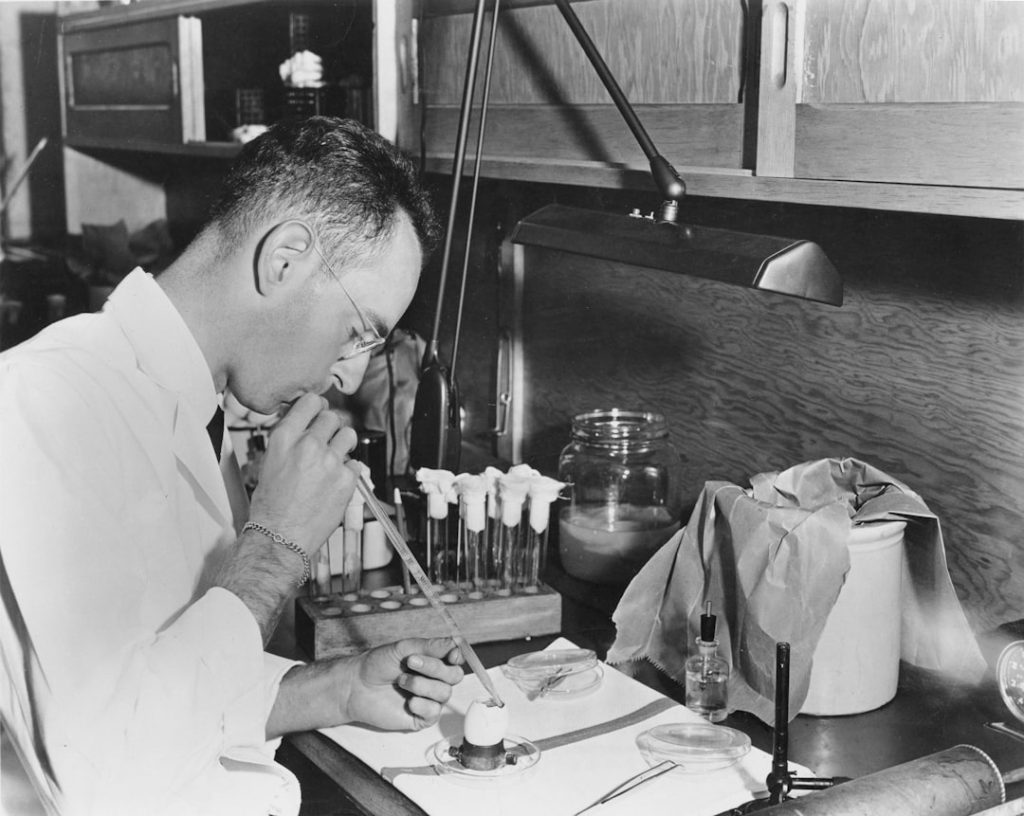
Clinical trials are structured research studies designed to evaluate the safety and efficacy of new medical interventions, including drugs, devices, and treatment protocols. These trials are essential for advancing medical knowledge and improving patient care. They typically progress through several phases, each with distinct objectives and methodologies.
Phase I trials primarily focus on assessing the safety of a new treatment in a small group of participants, often healthy volunteers. As the trial progresses to Phase II and III, the focus shifts to evaluating the treatment’s effectiveness and comparing it against standard therapies. The final phase, Phase IV, occurs after a treatment has been approved and is used to monitor long-term effects and gather additional data on its performance in the general population.

Participation in clinical trials can offer individuals access to cutting-edge treatments that are not yet available to the public. For many patients with chronic or life-threatening conditions, these trials represent a beacon of hope when conventional therapies have failed. Moreover, participants contribute to the broader scientific community by helping researchers gather critical data that can lead to breakthroughs in medical science.
However, understanding the intricacies of clinical trials is crucial for potential participants. This includes being aware of the trial’s purpose, the procedures involved, potential risks, and the commitment required from participants.
Key Takeaways
- Clinical trials offer opportunities to earn money while contributing to medical research.
- Finding and qualifying for high-paying trials requires thorough research and meeting specific criteria.
- Understanding the risks and benefits is crucial before participating in any clinical trial.
- Proper preparation and following application guidelines can maximize your chances of acceptance and earnings.
- Prioritizing safety and well-being ensures a positive and rewarding clinical trial experience.

Finding High-Paying Clinical Trials
Identifying high-paying clinical trials can be a strategic endeavor for those looking to supplement their income or cover medical expenses. Various resources are available for individuals seeking these opportunities. Websites such as ClinicalTrials.gov provide comprehensive databases of ongoing clinical trials across different medical fields.
By filtering searches based on location, condition, and phase of the trial, potential participants can find studies that not only align with their health status but also offer competitive compensation. In addition to online databases, local hospitals and research institutions often conduct clinical trials and may advertise them through community outreach programs or social media platforms. Networking within local health communities or support groups can also yield valuable information about upcoming trials that may not be widely advertised.
Furthermore, some companies specializing in clinical research may have dedicated recruitment teams that actively seek participants for high-paying studies. Engaging with these organizations can provide insights into which trials offer the best compensation packages.
Qualifying for High-Paying Clinical Trials

Qualifying for high-paying clinical trials typically involves meeting specific inclusion and exclusion criteria set by the researchers. These criteria are designed to ensure that participants are suitable for the study and that the results will be valid and applicable to the target population. Common factors considered include age, gender, medical history, current health status, and any medications being taken.
For instance, a trial investigating a new diabetes medication may require participants to have a confirmed diagnosis of diabetes and may exclude those with certain comorbidities. Potential participants should prepare for a thorough screening process that may include physical examinations, laboratory tests, and detailed interviews about their medical history. Being transparent about one’s health status is crucial; any undisclosed conditions or medications could disqualify an individual from participation or pose risks during the trial.
Additionally, some high-paying trials may require participants to adhere to specific lifestyle changes or restrictions during the study period, which can also affect eligibility.
Risks and Benefits of Participating in Clinical Trials
Participating in clinical trials comes with both potential benefits and risks that individuals must carefully weigh before enrolling. On one hand, participants may gain access to innovative treatments that could significantly improve their health outcomes. They also often receive close medical supervision from healthcare professionals throughout the trial, which can lead to early detection of any adverse effects or complications.
Furthermore, many trials offer compensation for time and travel expenses, making participation financially appealing. Conversely, there are inherent risks associated with clinical trials. Since many treatments are still in experimental stages, their safety profiles may not be fully established.
Participants may experience side effects that were not previously identified or may not respond positively to the treatment being tested. Additionally, there is no guarantee that the treatment will be effective; participants might endure discomfort or adverse reactions without any therapeutic benefit. It is essential for individuals considering participation to thoroughly discuss these risks with their healthcare providers and weigh them against the potential benefits.
Tips for Maximizing Earnings from Clinical Trials
| Clinical Trial Phase | Average Participant Compensation | Typical Duration | Common Therapeutic Areas | Participant Requirements |
|---|---|---|---|---|
| Phase 1 | 3000 – 8000 | 1 to 3 months | Oncology, Neurology, Infectious Diseases | Healthy volunteers, ages 18-50, no chronic illness |
| Phase 2 | 2000 – 6000 | 3 to 6 months | Cardiology, Endocrinology, Psychiatry | Patients with specific condition, moderate health restrictions |
| Phase 3 | 1000 – 4000 | 6 months to 2 years | Oncology, Immunology, Respiratory Diseases | Patients with condition, often with prior treatment history |
| Phase 4 | 500 – 2000 | 1 to 5 years | Various chronic diseases, post-marketing surveillance | Patients using approved treatments, long-term follow-up |
To maximize earnings from clinical trials, individuals should adopt a proactive approach in their search and participation strategies. First and foremost, it is beneficial to apply for multiple trials simultaneously. This increases the chances of being accepted into at least one study while also providing options if one trial does not meet expectations or if eligibility criteria change unexpectedly.
Keeping an organized schedule of application deadlines and trial dates can help manage commitments effectively. Additionally, individuals should consider participating in studies that require longer commitments or more intensive involvement, as these often offer higher compensation rates. Trials that involve multiple visits or extended monitoring periods typically provide greater financial incentives due to the increased resources required from researchers.
However, it is crucial to balance potential earnings with personal time constraints and health considerations to avoid burnout or stress.
Navigating the Application Process for Clinical Trials

The application process for clinical trials can vary significantly depending on the study’s design and sponsor requirements. Generally, it begins with an initial screening questionnaire that assesses eligibility based on predefined criteria. This questionnaire may be available online or provided during an informational session hosted by the research team.
After passing this initial screening, candidates often undergo further evaluations, including medical assessments and interviews. Once accepted into a trial, participants are usually required to sign an informed consent form that outlines the study’s purpose, procedures, potential risks, and benefits. This document serves as a legal agreement between the participant and the research team, ensuring that individuals are fully aware of what participation entails.
It is vital for prospective participants to read this document carefully and ask questions about any aspects they do not understand before signing.
Ensuring Your Safety and Well-Being in Clinical Trials
Safety should be a paramount concern for anyone considering participation in clinical trials. Before enrolling in a study, individuals should conduct thorough research on the trial’s sponsor and principal investigator to ensure they have a solid reputation within the medical community. Reviewing past studies conducted by the same team can provide insights into their adherence to ethical standards and participant safety protocols.
During participation in a clinical trial, it is essential for individuals to maintain open communication with the research team regarding any side effects or concerns that arise. Most reputable studies have protocols in place for monitoring participant health throughout the trial duration. Participants should feel empowered to voice any discomfort or adverse reactions they experience; this feedback is crucial for researchers in assessing the treatment’s safety profile.
Making the Most of Your Experience in Clinical Trials
To truly benefit from participating in clinical trials, individuals should approach their experience with an open mind and a willingness to engage actively with the research process. Keeping a journal of experiences during the trial can help participants track their health changes and side effects more effectively while also providing valuable feedback to researchers at study completion. Additionally, building relationships with fellow participants can enhance the experience by fostering a sense of community and support throughout the trial process.
Sharing experiences can provide emotional support and practical advice on managing challenges associated with participation. Engaging with healthcare professionals involved in the study can also lead to deeper insights into one’s health condition and treatment options beyond the trial itself. In conclusion, participating in clinical trials offers unique opportunities for individuals seeking innovative treatments while contributing to medical research advancements.
By understanding the complexities of clinical trials, finding suitable studies, qualifying effectively, weighing risks against benefits, maximizing earnings potential, navigating application processes diligently, ensuring safety throughout participation, and making meaningful connections during their experience, individuals can enhance both their personal health journeys and contribute significantly to scientific progress.
