
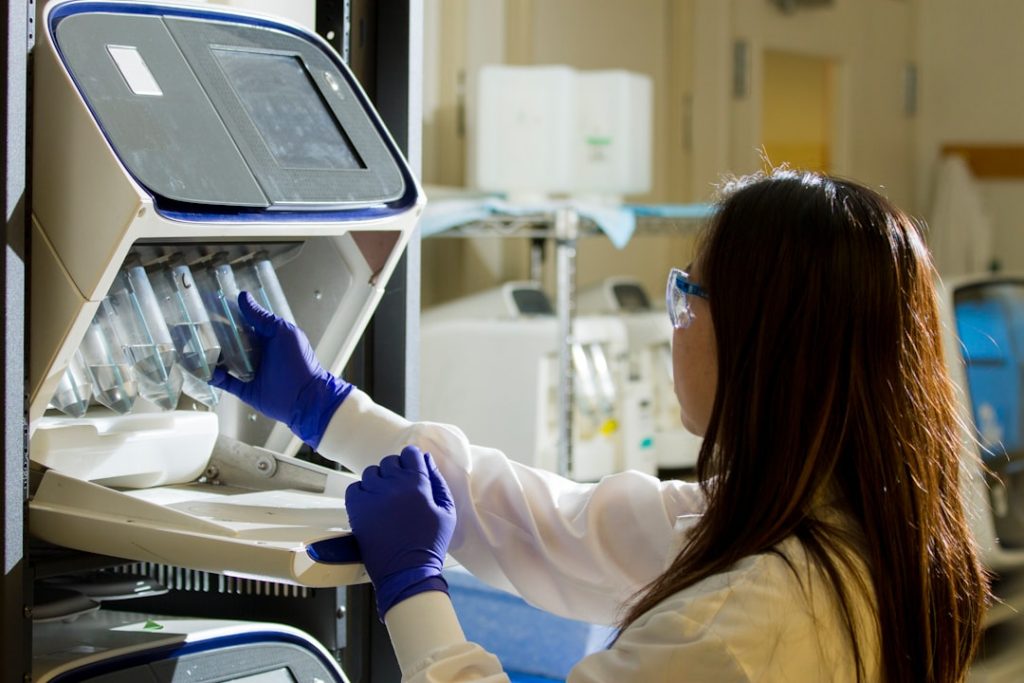
The Stowers Institute for Medical Research, founded in 1994 by Jim Stowers Jr. and Virginia Stowers, operates as an independent, nonprofit biomedical research organization. Situated in Kansas City, Missouri, its mission centers on conducting basic research to unravel the complexities of biological processes, with the ultimate goal of understanding and treating human diseases. The Institute emphasizes long-term, curiosity-driven investigation, fostering an environment where scientists can pursue fundamental questions without immediate commercial pressures. This approach is intended to provide a foundation of knowledge that can subsequently be applied to clinical challenges. The Stowers Institute contributes to the scientific community through its research output and its commitment to training the next generation of scientists.

The establishment of the Stowers Institute represented a significant philanthropic endeavor. Jim Stowers Jr., founder of American Century Investments, envisioned an institution dedicated to fundamental biomedical inquiry. This vision was shaped by personal experiences with cancer, highlighting the need for deeper understanding of disease mechanisms. The foundational principles articulated for the Institute prioritized scientific freedom and substantial, sustained funding, aimed at insulating researchers from the cyclical pressures of grant applications often faced by academic institutions. This model sought to create a stable environment conducive to ambitious, long-term projects.

Philanthropic Underpinnings
The initial endowment provided by the Stowers family was substantial, designed to ensure the Institute’s financial independence and longevity. This philanthropic model contrasts with institutions heavily reliant on external grant funding, allowing for greater autonomy in research direction. The Stowers’ philosophy underscored the belief that foundational discoveries, often unpredictable in their timing and direct application, are essential precursors to translational breakthroughs. This long-term investment strategy is a defining characteristic of the Institute’s operational framework.
Architectural Design and Research Infrastructure
The physical infrastructure of the Stowers Institute was meticulously planned to support its research objectives. The campus integrates state-of-the-art laboratories with collaborative spaces, intending to foster interdisciplinary interactions. Advanced core facilities, including those for microscopy, genomics, proteomics, and bioinformatics, are central to the Institute’s operational strategy. These centralized resources are designed to provide researchers with access to cutting-edge technologies and specialized expertise, thereby maximizing research efficiency and impact. The architectural design itself is intended to reflect the transparency and interconnectedness valued in its scientific endeavors.
Key Research Areas and Methodologies
The research conducted at the Stowers Institute spans multiple disciplines within basic biomedical science. While diverse, the common thread is an emphasis on understanding fundamental biological processes at molecular, cellular, and organismal levels. Researchers employ a variety of model organisms, including yeast, flies, worms, zebrafish, and mice, to investigate conserved biological mechanisms relevant to human health and disease. The Institute’s collaborative structure encourages the integration of different methodologies, ranging from classical genetics to advanced imaging and computational biology.
Genetics and Epigenetics
Research in genetics and epigenetics at the Institute focuses on how genetic information is encoded, expressed, and inherited, and how these processes are regulated. This includes investigations into gene expression, chromatin dynamics, and the role of non-coding RNAs. Understanding these fundamental mechanisms is critical for comprehending developmental processes, cellular differentiation, and the molecular basis of many diseases, including cancer and neurodegenerative disorders. The work often involves deciphering regulatory networks that govern cellular identity and function.
Cell Biology and Developmental Biology
Scientists in cell biology and developmental biology explore the fundamental units of life – cells – and how they interact to form complex organisms. This encompasses studies on cell division, differentiation, migration, and senescence, as well as the intricate processes that guide embryonic development. Such research provides insights into congenital disorders, tissue regeneration, and the mechanisms underlying aging. Model organisms are particularly valuable in this area, allowing for controlled manipulation and observation of developmental pathways.
Neuroscience and Regeneration
A significant area of investigation at Stowers involves neuroscience, focusing on the development, function, and repair of the nervous system. This includes studies on neuronal circuitry, synaptic plasticity, and the molecular basis of neurological disorders. Complementing this, research into regeneration explores the inherent capacity of some organisms to repair or replace damaged tissues and organs. By understanding these regenerative mechanisms, researchers aim to identify strategies that could potentially be applied to human therapeutic interventions, particularly in conditions like spinal cord injury or neurodegenerative diseases.
Technological Advancements and Core Facilities
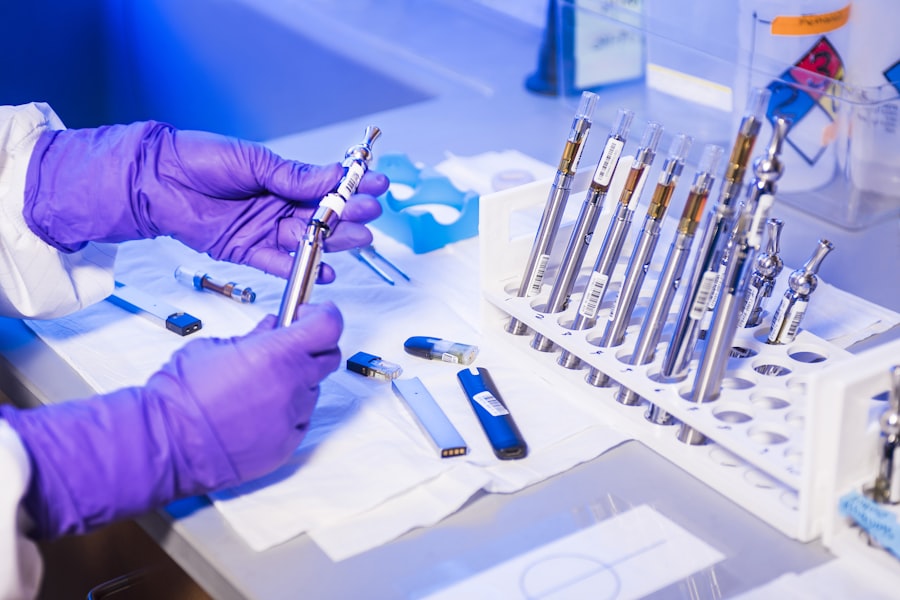
The Stowers Institute distinguishes itself through its commitment to highly advanced core facilities, recognized as essential enablers of cutting-edge research. These centralized resources provide researchers with access to specialized instrumentation, technical expertise, and collaborative support that would be challenging for individual laboratories to maintain. The ongoing investment in technology ensures that researchers have the tools necessary to address complex biological questions. This infrastructure is a cornerstone of the Institute’s operational strategy.
Advanced Imaging and Microscopy
The Institute’s imaging and microscopy core offers a comprehensive suite of technologies, ranging from high-resolution electron microscopy to live-cell fluorescence imaging. This enables researchers to visualize biological structures and processes at various scales, from sub-cellular organelles to whole organisms, in both static and dynamic contexts. The facility supports image acquisition, processing, and analysis, providing critical insights into cellular morphology, protein localization, and dynamic cellular events. The capabilities of this core facility directly impact experiments in cell biology and developmental biology, allowing for unprecedented visual detail.
Genomics and Proteomics
The genomics and proteomics core facilities provide services for analyzing genes, gene expression, and proteins on a large scale. Genomics capabilities include next-generation sequencing, transcriptomics, and epigenomics, allowing for comprehensive analysis of genetic material and its regulation. The proteomics core utilizes mass spectrometry and other techniques to identify and quantify proteins, study protein-protein interactions, and characterize post-translational modifications. These facilities are integral for understanding molecular pathways, biomarker discovery, and drug target identification.
Bioinformatics and Computational Biology
With the generation of vast quantities of data from genomics, proteomics, and imaging experiments, bioinformatics and computational biology are indispensable. The Institute’s bioinformatics core provides expertise in data storage, analysis, interpretation, and visualization. This includes developing custom algorithms, statistical modeling, and computational infrastructure to manage and derive meaning from complex biological datasets. The integration of computational power with experimental biology is a critical aspect of modern biomedical research, allowing for the comprehensive analysis of multi-dimensional data.
Educational Initiatives and Training Programs
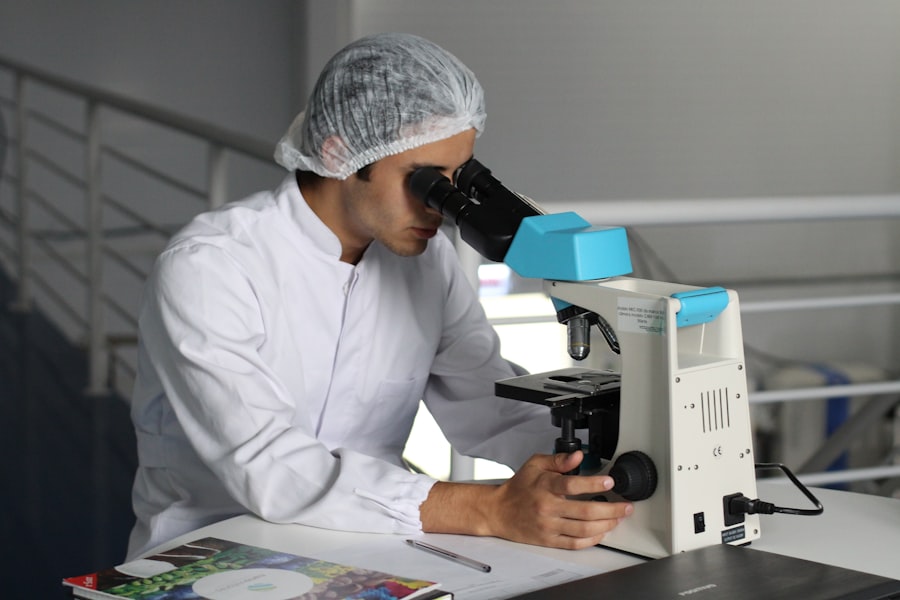
Beyond conducting research, the Stowers Institute is committed to fostering the development of future scientific leaders. This commitment is realized through various educational initiatives and training programs designed to cultivate critical thinking, experimental design, and scientific communication skills. The Institute’s environment, characterized by scientific rigor and collaborative spirit, is intended to be conducive to intensive learning and mentorship. These programs represent an investment in the long-term health of the scientific enterprise.
Graduate and Postdoctoral Training
The Institute offers robust training programs for graduate students and postdoctoral researchers. Graduate students, often affiliated with local universities, conduct their doctoral research within Stowers laboratories, benefiting from the Institute’s resources and mentorship. Postdoctoral researchers, having completed their doctoral degrees, engage in independent research projects under the guidance of principal investigators. These programs emphasize the development of experimental expertise, critical analysis of scientific literature, and the preparation of high-quality scientific publications. The goal is to equip these individuals with the skills necessary for successful independent research careers.
Visiting Scholars and Scientific Outreach
The Stowers Institute also engages with the broader scientific community through visiting scholar programs and various outreach initiatives. Visiting scholars, including established scientists seeking sabbaticals or short-term research collaborations, contribute to the intellectual vibrancy of the Institute. Scientific outreach efforts aim to engage the public and inspire future scientists, often through events and programs designed for students at various educational levels. These activities underscore the Institute’s role not just as a research hub, but also as a contributor to scientific literacy and education.
Impact and Future Directions
| Metric | Value |
|---|---|
| Founded | 1994 |
| Location | Kansas City, Missouri, USA |
| Research Focus | Biomedical research, genetics, cell biology, developmental biology |
| Number of Scientists | Approximately 200 |
| Annual Publications | Over 150 peer-reviewed articles |
| Core Facilities | Genomics, Proteomics, Imaging, Bioinformatics |
| Funding Sources | Private endowment, grants, philanthropy |
| Notable Achievements | Advances in stem cell research and cancer biology |
The Stowers Institute’s impact on biomedical research is measured through its scientific publications, the training of its alumni, and its contributions to foundational biological knowledge. The Institute’s model, with its emphasis on long-term basic research, aims to lay the groundwork for future translational applications, even if those applications are not immediately evident. As you, the reader, consider the trajectory of biomedical science, it is crucial to recognize the value of institutions dedicated to fundamental inquiry. These institutions often serve as the bedrock upon which applied science is built, much like a complex edifice rests upon an unseen, meticulously engineered foundation.
Contributions to Basic Science
The primary impact of the Stowers Institute lies in its contributions to basic scientific understanding. Discoveries made by Stowers researchers elucidate fundamental biological mechanisms, such as how cells divide, how genes are regulated, or how tissues regenerate. These findings, often published in leading scientific journals, contribute to the collective knowledge base of biology and medicine. While not always directly translatable to immediate clinical treatments, these basic insights provide the conceptual frameworks and molecular targets that enable future medical advancements. They are the essential pieces of the puzzle that, once assembled, reveal a comprehensive picture of life’s processes.
Translational Potential and Collaborative Efforts
While focused on basic research, the discoveries emanating from the Stowers Institute often possess inherent translational potential. Understanding a fundamental biological pathway implicated in a disease can illuminate new therapeutic strategies. The Institute fosters collaborations with clinical researchers and pharmaceutical companies, where appropriate, to explore these translational avenues. These collaborations aim to bridge the gap between foundational discoveries and their potential application in treating human diseases. This process is akin to tracing the tributaries of a river back to its source, understanding how initial flows converge to create broader currents. The initial flows are in basic science, and the broader currents lead to clinical applications.
Long-Term Vision and Evolving Research Landscape
The Stowers Institute operates with a long-term vision, understanding that significant breakthroughs often require sustained effort and patience. The scientific landscape is dynamic, with new technologies and research paradigms constantly emerging. The Institute, therefore, remains adaptable, investing in new methodologies and recruiting scientists who can address evolving scientific challenges. Its model of independent funding and scientific freedom is intended to allow for agility in pursuing promising new research directions, ensuring its continued relevance and impact in the ever-changing field of biomedical research. The Institute strives to be a compass, helping to navigate the uncharted territories of biological complexity and guide the way toward new frontiers of knowledge.
