
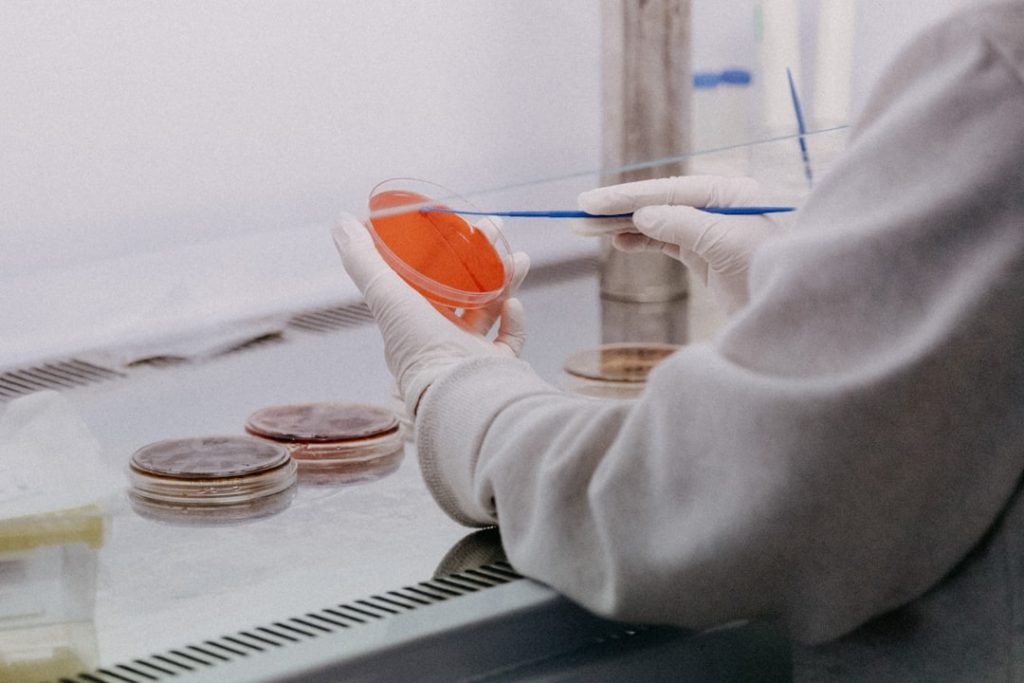
The Stowers Institute for Medical Research, a non-profit biomedical research organization located in Kansas City, Missouri, is a significant player in the global scientific community. Established in 1994 and fully operational by 2000, its mission is to conduct basic biomedical research to uncover the fundamental principles of biological processes and disease. The Institute is endowed by its founders, James E. and Virginia Stowers, ensuring long-term financial stability and independence in its research pursuits. This financial model allows scientists to pursue high-risk, high-reward projects without immediate pressure for commercialization, a crucial element in groundbreaking discovery.
The Institute operates on a philosophy that emphasizes curiosity-driven, fundamental research. This approach moves beyond immediate translational applications, focusing instead on building a foundational understanding of life itself.
Interdisciplinary Collaboration

Stowers fosters an environment of interdisciplinary collaboration, recognizing that complex biological problems often require insights from diverse fields. Researchers from molecular biology, genetics, biochemistry, cell biology, computational biology, and other disciplines regularly interact, sharing expertise and resources. This collaborative spirit is embedded in the Institute’s design, with open-plan laboratories and shared core facilities encouraging spontaneous interaction and idea exchange.
Focus on Model Organisms
A significant portion of Stowers’ research utilizes model organisms such as Drosophila melanogaster (fruit fly), Caenorhabditis elegans (roundworm), Danio rerio (zebrafish), and Xenopus laevis (African clawed frog). The simplicity of these organisms, coupled with their genetic tractability, allows for the manipulation and observation of fundamental biological processes that are often conserved across species, including humans. This approach provides a clearer lens through which to examine intricate cellular and developmental mechanisms.
Core Technology Centers

The Institute maintains a suite of advanced core technology centers, providing researchers with access to state-of-the-art equipment and specialized expertise. These centers are critical for generating high-quality data and pushing the boundaries of what is technically feasible.
- Microscopy and Imaging Center: Offers advanced light microscopy, electron microscopy, and image analysis capabilities.
- Genomics Center: Provides services for DNA and RNA sequencing, epigenetics, and gene expression analysis.
- Proteomics Center: Specializes in protein identification, quantification, and characterization.
- Laboratory Animal Services: Manages breeding and housing for various model organisms, ensuring ethical and high-quality animal care.
- Bioinformatics Center: Offers computational support for data analysis, algorithm development, and custom software solutions.
Decoding the Blueprint of Life: Genetics and Epigenetics
Understanding how genetic information is stored, expressed, and inherited is central to unlocking medical mysteries. Stowers researchers are actively investigating the intricate mechanisms of genetics and epigenetics.
Gene Regulation and Expression
The human genome, a vast book of instructions, dictates the function of every cell. However, not all instructions are read at all times. Gene regulation, the process by which genes are turned on or off, is critical for proper development and cellular function. Deviations in this intricate process can lead to disease. Stowers scientists employ various techniques to study these regulatory networks.
- Transcription Factor Dynamics: Investigating how DNA-binding proteins (transcription factors) interact with specific DNA sequences to control gene transcription.
- Non-coding RNA Mechanisms: Exploring the roles of various non-coding RNAs, such as microRNAs and long non-coding RNAs, in gene expression modulation.
- Chromatin Remodeling: Studying how the structure of chromatin – the complex of DNA and proteins that forms chromosomes – influences gene accessibility and expression.
Epigenetic Inheritance
Beyond the genetic sequence itself, epigenetic modifications, chemical tags on DNA or its associated proteins, play a crucial role in gene expression. These modifications can be influenced by environment and lifestyle and can even be inherited across generations. Stowers research delves into these often enigmatic layers of control.
- DNA Methylation Patterns: Analyzing the distribution and function of methyl groups on DNA, a key epigenetic mark.
- Histone Modification Codes: Investigating how chemical modifications to histone proteins, around which DNA is wrapped, impact chromatin structure and gene activity.
- Transgenerational Epigenetics: Examining how epigenetic marks acquired by parents might influence the health and traits of their offspring without changes to the underlying DNA sequence.
Cellular Symphony: Development and Regeneration
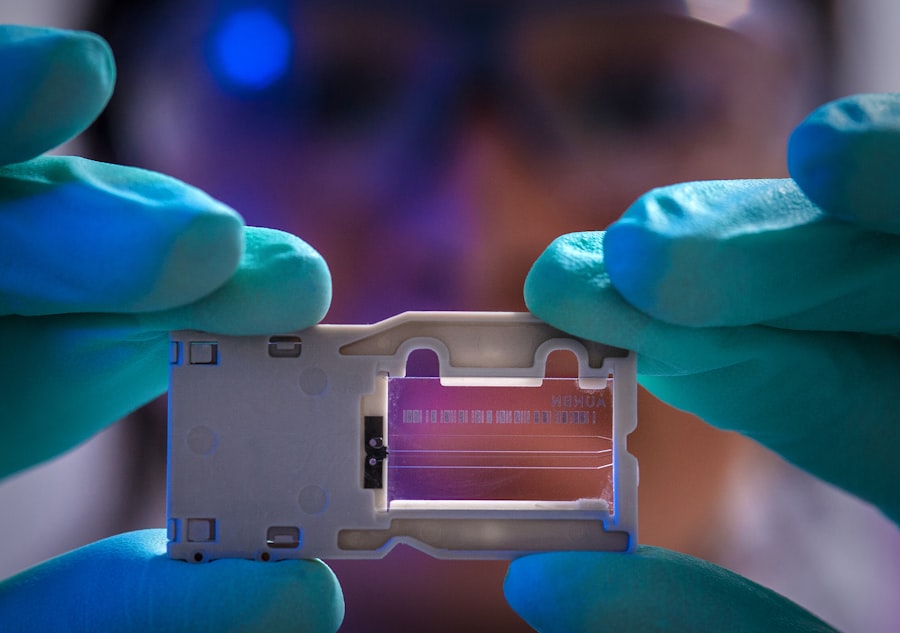
The development of a complex organism from a single cell is a marvel of biological coordination. Stowers researchers are meticulously dissecting the cellular and molecular events that orchestrate this process and exploring the potential for regenerating damaged tissues.
Stem Cell Biology
Stem cells, with their remarkable ability to self-renew and differentiate into various cell types, represent a foundational element of development and a promising avenue for regenerative medicine. Stowers investigates the fundamental properties of these cells.
- Pluripotency Mechanisms: Understanding the molecular pathways that maintain stem cells in an undifferentiated state and how they decide their cellular fate.
- Adult Stem Cell Niches: Studying the microenvironments that support adult stem cell populations and regulate their activity in tissue maintenance and repair.
- Reprogramming Somatic Cells: Exploring methods to convert specialized adult cells back into induced pluripotent stem cells (iPSCs), offering a patient-specific source for research and therapy.
Tissue Regeneration
Some organisms possess an extraordinary capacity for regeneration, the ability to regrow lost or damaged body parts. By studying these biological blueprints, Stowers aims to uncover principles that could be applied to human regenerative therapies.
- Planarian Regeneration: Utilizing planarians, a type of flatworm, as a model system to understand the genetic and cellular control of whole-body regeneration.
- Regenerative Signaling Pathways: Identifying the molecular signals and cellular interactions that drive tissue repair and regeneration in various organisms.
- Limb Regeneration in Salamanders: Investigating the unique mechanisms that enable newt and salamander limbs to fully regenerate, including bone, muscle, nerves, and skin.
The Unseen Architects: Cell Biology and Disease
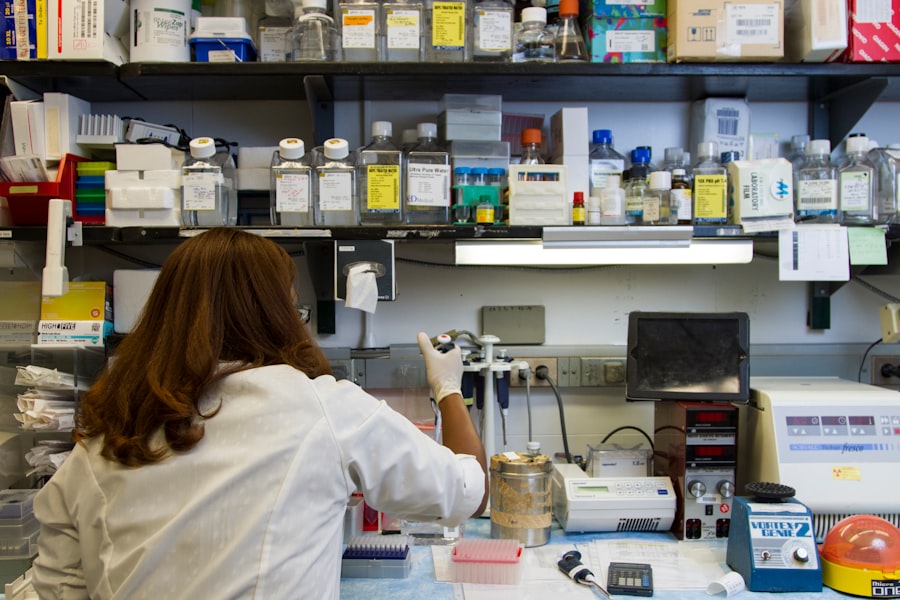
At the heart of every biological process and disease lies the intricate machinery of the cell. Stowers scientists are peeling back the layers to reveal the fundamental cellular mechanisms that govern health and disease.
Organelle Function and Dynamics
Cells contain various specialized compartments called organelles, each performing specific functions. The proper functioning and coordination of these organelles are essential for cellular homeostasis.
- Mitochondrial Biology: Researching the role of mitochondria, the “powerhouses” of the cell, in energy production, metabolism, and disease.
- Endoplasmic Reticulum and Golgi Apparatus: Studying how these organelles are involved in protein synthesis, modification, and transport.
- Lysosomal Function: Investigating lysosomes, the “recycling centers” of the cell, and their involvement in cellular waste breakdown and various metabolic disorders.
Cell Signaling Pathways
Cells constantly communicate with each other and their environment through complex signaling pathways. Dysregulation of these pathways is a hallmark of many diseases, including cancer and neurodegenerative disorders.
- Growth Factor Signaling: Examining how external signals, such as growth factors, trigger intracellular cascades that impact cell growth, division, and survival.
- Wnt Signaling Pathway: Investigating the Wnt pathway, a crucial regulator of embryonic development, tissue homeostasis, and its role in cancer progression.
- Stress Response Pathways: Studying how cells respond to various forms of stress, such as oxidative stress or DNA damage, and the mechanisms they employ to maintain integrity.
Unraveling Malignancy: Cancer Biology
| Metric | Value |
|---|---|
| Founded | 1994 |
| Location | Kansas City, Missouri, USA |
| Research Focus | Biomedical research, genetics, cell biology, developmental biology |
| Number of Scientists | Approximately 300 |
| Annual Research Funding | Over 50 million |
| Publications per Year | 150+ |
| Notable Achievements | Contributions to understanding gene regulation and developmental processes |
Cancer, a disease characterized by uncontrolled cell growth, remains a formidable challenge. Stowers focuses on fundamental biological insights that can provide new perspectives on cancer development and potential therapeutic strategies.
Tumor Microenvironment
Cancer cells do not exist in isolation; they interact extensively with their surrounding environment, known as the tumor microenvironment. This complex ecosystem plays a critical role in tumor growth, progression, and response to therapy.
- Stromal Cell Interactions: Studying the role of fibroblasts, immune cells, and blood vessels in supporting and promoting tumor growth.
- Extracellular Matrix Remodeling: Investigating how the scaffolding surrounding cancer cells is altered and how these changes influence tumor invasion and metastasis.
- Immune Evasion Mechanisms: Researching how cancer cells disarm or evade the body’s immune surveillance, contributing to tumor persistence.
Metastasis and Invasion
The spread of cancer cells from their primary site to distant organs, a process called metastasis, is responsible for the vast majority of cancer-related deaths. Stowers endeavors to understand the molecular steps involved in this deadly process.
- Cell Adhesion and Migration: Studying the molecules that control how cancer cells detach from primary tumors, navigate through the bloodstream or lymphatic system, and colonize new sites.
- Epithelial-Mesenchymal Transition (EMT): Investigating EMT, a cellular program that allows epithelial cells to acquire migratory and invasive properties, often implicated in metastasis.
- Dormancy and Relapse: Researching how disseminated tumor cells can lie dormant for extended periods before reactivating and forming new tumors.
Looking Ahead: The Future of Biomedical Research
The Stowers Institute’s commitment to basic research provides a fertile ground for future discoveries. By systematically investigating the fundamental principles of biology, the Institute aims to construct a comprehensive understanding of human health and disease. This knowledge, much like a meticulously assembled mosaic, will form the foundation upon which future diagnostic tools, therapies, and preventative measures will be built. The long-term perspective afforded by its unique funding model enables Stowers to undertake ambitious projects that might not yield immediate practical applications but are essential for profound scientific advancement. The Institute serves as a testament to the power of sustained, curiosity-driven inquiry in pushing the boundaries of human knowledge in the biomedical sciences.
