
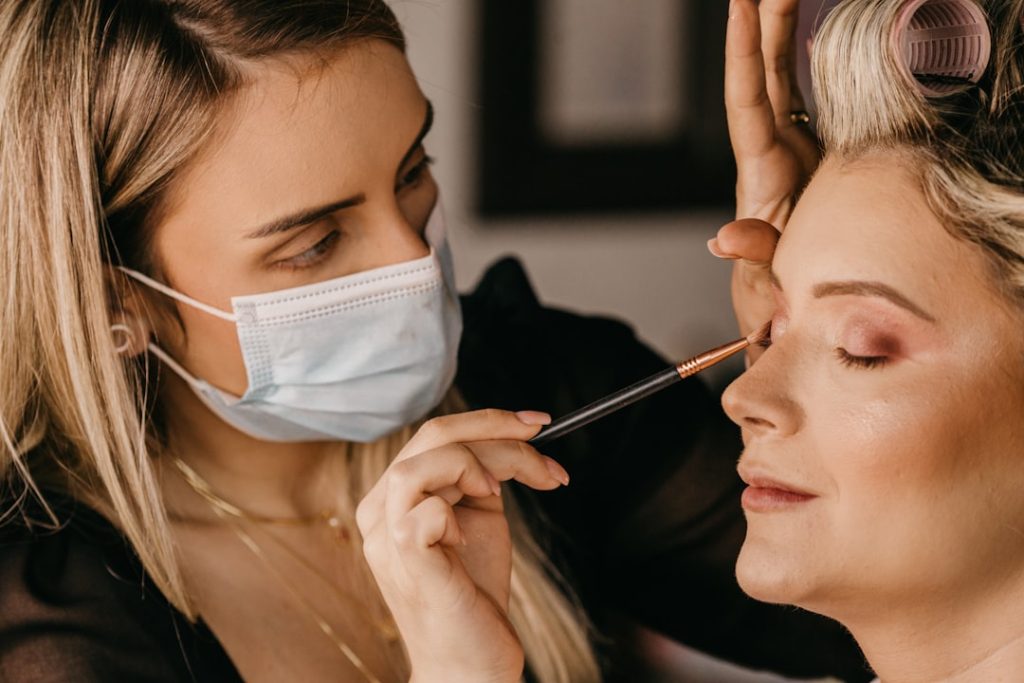
The field of medical beauty research (MBR) is concerned with the scientific investigation and development of treatments and procedures aimed at improving physical appearance. It encompasses a broad spectrum of disciplines, including dermatology, plastic surgery, pharmacology, and biomedical engineering. This article explores the current landscape of MBR, focusing on its methodological approaches, ethical considerations, and the societal impact of its advancements. Understanding MBR is crucial for both practitioners and the public, as it shapes the future of aesthetic medicine and influences how individuals interact with their self-image.
MBR is built upon a multidisciplinary framework, drawing insights from basic sciences and applied medical fields. Its methodologies are rigorous, employing controlled trials and sophisticated analytical techniques to ensure efficacy and safety.
Scientific Disciplines Underpinning MBR
- Dermatology: Provides the foundational understanding of skin biology, pathologies, and responses to various treatments. This includes research into skin aging, pigmentation disorders, and inflammatory conditions that affect appearance.
- Plastic Surgery: Contributes expertise in anatomical reconstruction, surgical techniques, and the biomechanics of tissue manipulation. Research in this area often focuses on improving surgical outcomes, minimizing scarring, and developing novel reconstructive approaches.
- Pharmacology: Explores the development and application of active pharmaceutical ingredients (APIs) and cosmeceuticals for aesthetic purposes. This involves drug discovery, formulation science, and toxicology studies to assess safety profiles.
- Biomedical Engineering: Integrates engineering principles with biological systems to create advanced devices and diagnostic tools. Examples include laser technologies, radiofrequency devices, and imaging systems used in aesthetic procedures.
- Molecular Biology and Genetics: Investigates the cellular and genetic mechanisms underlying skin aging, hair growth, and fat metabolism. This research often seeks to identify new therapeutic targets for aesthetic interventions.
Methodological Approaches in MBR

The validity of MBR outcomes rests on robust research methodologies. These approaches ensure that treatments are not only effective but also safe for widespread application.
- In Vitro Studies: These experiments are conducted in a controlled laboratory environment, often using cell cultures or tissue samples. They provide initial insights into the mechanisms of action of compounds or devices, allowing for the rapid screening of potential treatments before human trials.
- Animal Models: When direct human experimentation is not feasible or ethical in early stages, animal models are employed to assess safety, efficacy, and dosage. This step provides crucial data before progressing to clinical trials, though results do not always translate perfectly to humans.
- Clinical Trials: These are human research studies designed to evaluate the safety and effectiveness of new treatments or procedures. They are typically structured in phases:
- Phase I: Focuses on safety in a small group of healthy volunteers.
- Phase II: Assesses efficacy and optimal dosage in a larger group of patients with the target condition.
- Phase III: Compares the new treatment to existing standards of care in a large, diverse patient population.
- Phase IV (Post-Market Surveillance): Monitors long-term safety and effectiveness after regulatory approval.
- Imaging Techniques: Advanced imaging, such as ultrasound, MRI, optical coherence tomography (OCT), and 3D photography, is used to visualize tissue changes, quantify treatment effects, and track progress objectively.
Innovations and Emerging Technologies
The landscape of MBR is continuously evolving, driven by technological advancements and deeper scientific understanding. These innovations promise more precise, effective, and less invasive interventions.
Regenerative Medicine in Aesthetics

Regenerative medicine aims to restore or replace damaged tissues and organs. In MBR, this often translates to harnessing the body’s natural healing processes to improve appearance.
- Stem Cell Therapies: Research is focused on using pluripotent or multipotent stem cells, such as adipose-derived stem cells (ADSCs), to stimulate collagen production and improve skin texture. While promising, issues of cell sourcing, differentiation control, and long-term safety require further investigation.
- Platelet-Rich Plasma (PRP): PRP involves isolating and concentrating platelets from a patient’s own blood, which are rich in growth factors. These growth factors are then injected to stimulate tissue regeneration, collagen synthesis, and hair growth.
- Exosomes: These small extracellular vesicles mediate cell-to-cell communication and are being investigated for their regenerative and anti-inflammatory properties in aesthetic applications. They can deliver various bioactive molecules, including growth factors and nucleic acids.
Advanced Energy-Based Devices
The development of energy-based devices has transformed non-surgical aesthetic treatments, offering alternatives to more invasive procedures.
- Next-Generation Lasers: Lasers now offer highly specific targeting of chromophores (e.g., melanin, hemoglobin, water) to treat pigmentation, vascular lesions, and textural irregularities with reduced downtime and side effects. Fractional lasers, for example, create microscopic thermal zones to stimulate collagen remodeling without ablating the entire skin surface.
- Radiofrequency (RF) and Ultrasound Technologies: These devices use controlled thermal energy to tighten skin, reduce fat, and improve body contours. Mechanisms involve heating dermal collagen to induce neocollagenesis and disrupting adipocytes. Focused ultrasound can deliver precise thermal energy to specific tissue depths for lifting and tightening.
- Microneedling with RF/Light Delivery: Combining microneedling with radiofrequency or light energy allows for deeper penetration of energy into the dermis, enhancing collagen stimulation and improving skin architecture.
Artificial Intelligence and Machine Learning
AI and machine learning are increasingly integrated into MBR to enhance diagnosis, treatment planning, and personalized care.
- Personalized Treatment Protocols: AI algorithms can analyze vast datasets of patient characteristics, treatment responses, and outcomes to predict the most effective aesthetic interventions for individual patients. This moves away from a “one-size-fits-all” approach.
- Image Analysis and Diagnostics: Machine learning models can analyze medical images (e.g., dermoscopy, 3D facial scans) to detect subtle signs of aging, skin conditions, and predict post-treatment outcomes. This assists clinicians in objective assessment and monitoring.
- Drug Discovery and Formulation: AI can accelerate the identification of novel compounds with aesthetic benefits and optimize their formulation for enhanced stability and delivery.
Ethical Considerations in MBR

The pursuit of aesthetic enhancement, while offering potential benefits, raises complex ethical questions that MBR must rigorously address. Navigating these challenges is as critical as advancing the science itself.
Informed Consent and Patient Autonomy
Central to ethical practice in MBR is ensuring that patients make autonomous decisions based on a full understanding of the proposed treatments.
- Comprehensive Disclosure: Patients must be clearly informed about the benefits, risks, potential side effects, expected outcomes, and alternative treatments. This includes realistic expectations, especially concerning the permanence and potential for revision of procedures.
- Voluntary Participation: The decision to undergo an aesthetic procedure must be entirely voluntary, free from coercion or undue influence. This is particularly relevant in a society that often places pressure on individuals regarding appearance.
- Capacity to Consent: Practitioners must assess the patient’s capacity to understand the information and make an informed decision, especially when addressing psychological vulnerabilities or body dysmorphic disorder.
Managing Patient Expectations
The gap between perceived and actual outcomes can be a source of dissatisfaction and distress for patients. MBR must address this objectively.
- Realistic Outcome Setting: It is crucial to communicate what can realistically be achieved, rather than promising idealized results that are unattainable. This often involves using before-and-after images from similar cases and discussing the variability of individual responses.
- Psychological Assessment: Screening for underlying psychological conditions, such as body dysmorphic disorder (BDD) or severe body image issues, is important. For individuals with BDD, aesthetic procedures may exacerbate their distress rather than alleviate it, and referral to mental health professionals may be more appropriate.
Equity and Access
As MBR advances, the question of equitable access to these technologies and treatments becomes increasingly relevant.
- Socioeconomic Disparities: The high cost of many advanced aesthetic procedures can create a barrier for individuals from lower socioeconomic backgrounds, potentially exacerbating existing inequalities in healthcare access.
- Marketing and Influence: Aggressive or misleading marketing can create unrealistic beauty standards and promote unnecessary procedures, disproportionately affecting vulnerable populations. MBR guidelines should address responsible marketing practices.
Regulatory Frameworks and Safety Standards

Robust regulatory oversight is indispensable for ensuring the safety and efficacy of medical beauty products and procedures. Without it, the terrain becomes a minefield.
Government Regulations and Agencies
Different countries have varying regulatory bodies and frameworks for medical devices, pharmaceuticals, and cosmetic products.
- FDA (United States): The U.S. Food and Drug Administration regulates medical devices, drugs, and cosmetics. Medical aesthetic devices often fall under medical device regulations, requiring pre-market approval or clearance for safety and efficacy.
- EMA (European Union): The European Medicines Agency regulates medicinal products in the EU, while medical devices are regulated under the Medical Device Regulation (MDR), which has stricter requirements for clinical evidence and post-market surveillance.
- Other National Bodies: Similar regulatory bodies exist globally (e.g., Health Canada, TGA in Australia, MHRA in the UK), each with its own set of guidelines and approval processes.
Quality Control and Post-Market Surveillance
Ensuring long-term safety requires vigilance beyond initial market approval.
- Manufacturing Standards: Products and devices must adhere to Good Manufacturing Practices (GMP) to ensure consistent quality and purity.
- Adverse Event Reporting: Systems are in place for healthcare professionals and patients to report adverse events associated with aesthetic treatments. This data is critical for identifying unforeseen risks and informing regulatory actions.
- Clinical Data Collection: Ongoing clinical studies and registries contribute to a growing body of evidence regarding the long-term safety and efficacy of various procedures, allowing for continuous refinement of best practices.
Future Directions and Societal Impact
| Metric | Description | Value | Unit | Source |
|---|---|---|---|---|
| Market Size | Global medical beauty research market size in 2023 | 12.5 | Billion USD | Industry Report 2023 |
| Annual Growth Rate | Compound annual growth rate (CAGR) from 2020 to 2025 | 8.3 | % | Market Analysis 2023 |
| Number of Clinical Trials | Ongoing clinical trials related to medical beauty treatments | 150 | Trials | ClinicalTrials.gov |
| Top Research Focus | Most researched area in medical beauty | Anti-aging therapies | Category | Research Publications 2023 |
| Leading Country | Country with highest research output in medical beauty | United States | Country | Global Research Index 2023 |
The trajectory of MBR suggests a future where treatments are more personalized, less invasive, and integrated with broader health and wellness approaches. However, its societal implications warrant careful consideration.
Personalization and Prevention
The shift towards personalized medicine is a significant trend, allowing for tailored interventions based on individual biological profiles.
- Genomic and Biomarker-Driven Approaches: Future MBR may involve analyzing an individual’s genetic predispositions and biomarkers to predict aging patterns, risk of certain skin conditions, and optimize preventive and corrective treatments.
- Integration with Wellness: Aesthetic treatments are increasingly viewed as part of a holistic approach to wellness, rather than merely superficial enhancements. This involves integrating consultations on nutrition, stress management, and lifestyle choices to support overall skin health and appearance.
- Non-Invasive Diagnostics: Advances in non-invasive diagnostic tools, such as advanced skin imaging and biochemical assays, will allow for earlier detection of aesthetic concerns and more precise treatment planning.
Redefining “Beauty” and Identity
MBR’s influence extends beyond individual treatments, shaping cultural perceptions of beauty and self-identity.
- Evolving Aesthetic Norms: As MBR makes certain types of physical enhancements more accessible, it can influence societal beauty standards. This raises questions about homogeneity versus diversity in appearance.
- Psychological Well-being: While MBR can contribute positively to self-esteem and quality of life for many, it also has the potential to exacerbate pressures related to appearance. Research into the psychological impact of aesthetic treatments, both positive and negative, is crucial.
- The Intersection of Health and Aesthetics: MBR increasingly blurs the lines between purely aesthetic interventions and treatments that also improve health and function (e.g., scar revision, skin cancer reconstruction). This integration underscores the inherent connection between feeling good and looking good.
Addressing the Digital Age
The proliferation of social media and digital imaging platforms introduces both opportunities and challenges for MBR.
- “Filter Dysmorphia”: The widespread use of filters and digital alteration tools can create unrealistic expectations about appearance, leading individuals to seek procedures that imitate a digitally enhanced self. MBR practitioners face the challenge of counseling patients with such expectations.
- Teledermatology and Virtual Consultations: Advances in digital platforms facilitate remote consultations and monitoring, improving access to MBR expertise. However, this also necessitates careful consideration of privacy, data security, and the limitations of virtual assessment.
In conclusion, MBR stands at the crossroads of scientific innovation, ethical responsibility, and profound societal impact. As an individual, understanding its mechanisms, limitations, and ethical considerations allows you to navigate its offerings with informed consent. For the scientific community, the journey forward involves rigorous research, transparent communication, and a commitment to patient well-being, ensuring that the pursuit of medical beauty is both safe and responsible. The field is not merely about altering appearances; it is about understanding how humans perceive themselves and how scientific advancements can constructively interact with that perception.
