
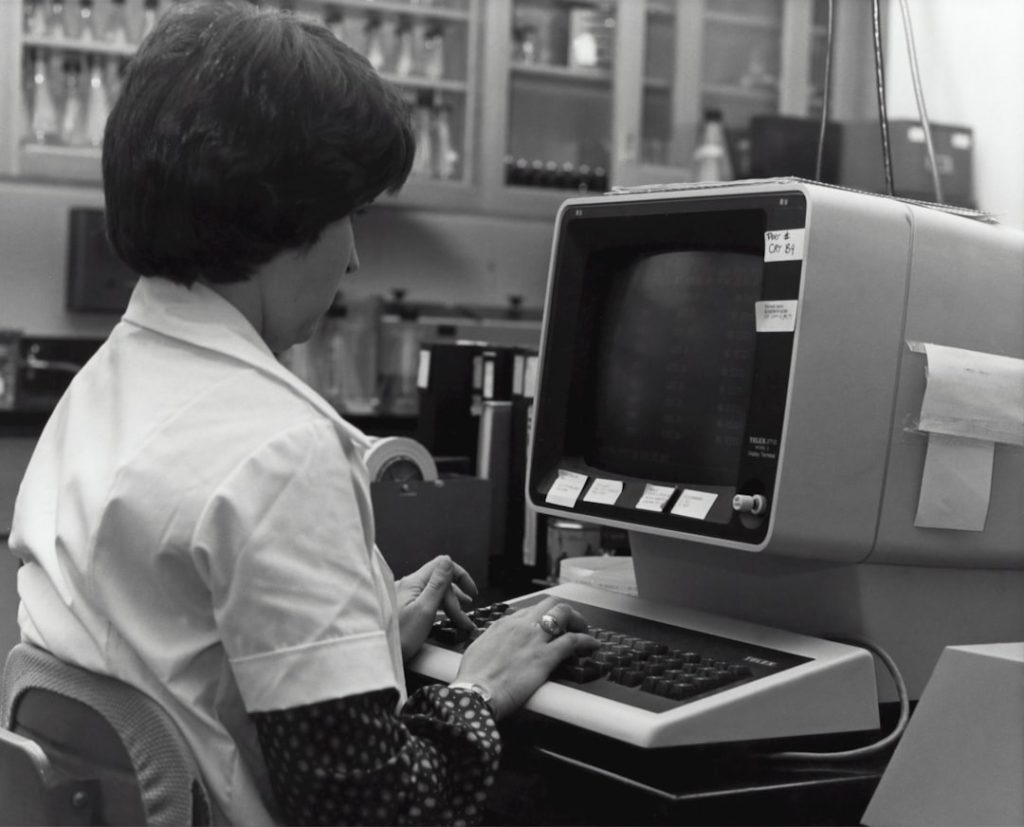
Telemedicine, the delivery of healthcare services from a distance using information and communication technologies, has emerged as a significant component of modern healthcare infrastructure. Its utility has been increasingly recognized, particularly in the context of improving healthcare outcomes. This article will explore the impact of telemedicine, drawing insights primarily from research published in the Journal of Medical Internet Research (JMIR), a prominent peer-reviewed journal focusing on health and medical informatics. The JMIR Impact Factor, a metric reflecting the average number of citations to articles published in the journal, underscores the influential research disseminated within its pages regarding telemedicine’s efficacy.
The concept of telemedicine dates back to the early 20th century, with rudimentary forms of remote consultation. However, its true expansion began with the advent of the internet and advancements in digital communication. This shift from analogue to digital platforms has been instrumental in making telemedicine a viable and scalable solution for healthcare delivery.
Early Implementations and Technological Hurdles

Initial telemedicine applications often involved still images or basic audio communication, primarily for specialist consultations in remote areas. Picture a physician in a metropolitan hospital reviewing X-rays sent via mail from a clinic hundreds of miles away; this was an early iteration. Technological limitations, such as low bandwidth, lacked the immediate, interactive quality inherent in current systems. The early hurdles were not just technical but also regulatory, as licensing and reimbursement models lagged behind technological capabilities.
Modern Telemedicine: A Digital Ecosystem
Today, telemedicine encompasses a broad spectrum of services, including real-time video consultations, remote patient monitoring (RPM), mobile health (mHealth) applications, and asynchronous communication via secure messaging. This digital ecosystem allows for a more integrated and continuous form of care, bridging geographical and logistical gaps that previously hindered access.
Addressing Healthcare Disparities through Telemedicine

One of the most compelling arguments for telemedicine is its potential to mitigate healthcare disparities. Access to quality healthcare remains unevenly distributed, often correlating with socioeconomic status, geographic location, and demographic factors. Telemedicine acts as a conduit, extending the reach of healthcare services to underserved populations.
Rural and Remote Patient Access
In rural and remote areas, a lack of specialists and long travel times can severely impede access to care. Telemedicine mitigates these barriers by allowing patients to consult with specialists without needing to travel. For example, a patient in a remote village requiring an endocrinologist’s opinion can have a video consultation, saving significant time and expense. This closes a gap, much like a bridge spanning a chasm, connecting isolated communities to resources. Articles published in JMIR consistently highlight studies demonstrating improved diagnostic and management outcomes for patients in rural settings utilizing telemedicine for various conditions, including chronic disease management and mental health services.
Underserved Urban Populations
Even in urban environments, socioeconomic factors can create barriers to healthcare access. Individuals with limited transportation, inflexible work schedules, or childcare responsibilities may struggle to attend in-person appointments. Telemedicine provides a flexible alternative, allowing consultations from home or work, thereby removing logistical obstacles. This flexibility caters to the rhythm of modern life, integrating healthcare into daily routines rather than disrupting them. JMIR research often explores the effectiveness of telemedicine in addressing health equity issues within diverse urban populations, particularly in areas of preventative care and chronic disease management.
Improving Clinical Efficiency and Patient Engagement
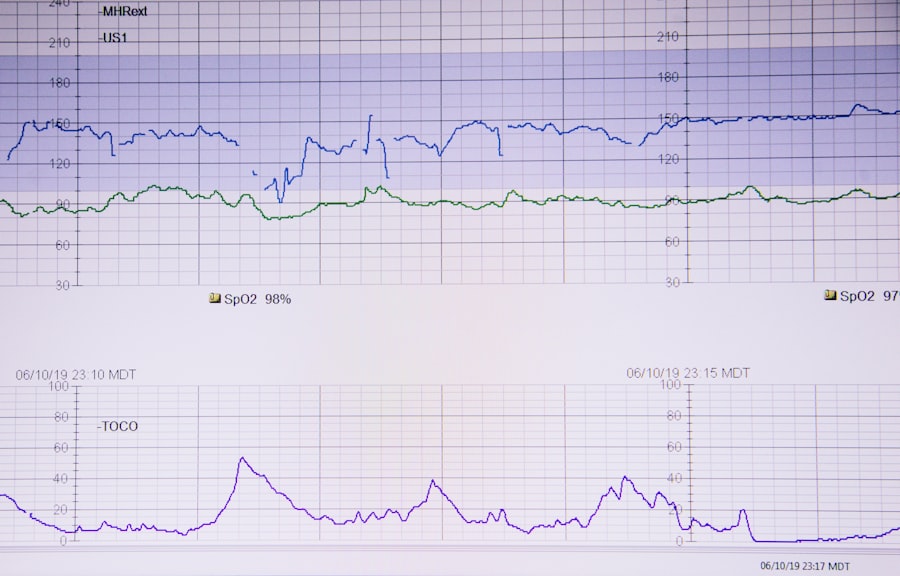
Beyond access, telemedicine contributes to enhanced clinical efficiency and fosters greater patient engagement, both crucial elements for positive healthcare outcomes.
Streamlining Workflow and Reducing Burden
For healthcare providers, telemedicine can optimize scheduling and reduce administrative burdens. Follow-up appointments, medication management, and routine checks can often be conducted virtually, freeing up in-person slots for more complex cases. This workflow optimization is akin to creating a more efficient assembly line, where each component moves smoothly without unnecessary delay. JMIR studies have documented instances where telemedicine has led to reduced waiting times and increased patient throughput, without compromising quality of care.
Empowering Patients in Their Own Care
Telemedicine platforms often incorporate features that empower patients to take a more active role in managing their health. Remote patient monitoring devices allow individuals to track vital signs and share data directly with their providers, fostering a sense of ownership over their health journey. This engagement shifts the dynamic from a passive recipient of care to an active participant, providing them with the tools to navigate their own health, much like giving a sailor a reliable compass. Articles in JMIR frequently analyze the impact of mHealth applications and RPM on patient adherence to treatment plans and overall self-management capabilities.
Cost-Effectiveness and Resource Optimization

The economic implications of healthcare are substantial, and telemedicine offers avenues for cost reduction and more efficient resource allocation.
Reducing Healthcare Expenditure
By minimizing the need for in-person visits, telemedicine can reduce costs associated with transportation, lost work time, and facility overhead for both patients and healthcare systems. Additionally, early intervention and proactive management via telemedicine can prevent the escalation of conditions, thereby avoiding more expensive emergency room visits or hospitalizations. Think of telemedicine as an early warning system, preventing minor issues from becoming major crises. JMIR research has presented economic analyses demonstrating the long-term cost savings associated with telemedicine implementation, particularly in chronic disease management and mental health services.
Optimal Resource Allocation
Telemedicine allows for a more strategic deployment of healthcare resources. Specialists can extend their expertise to a wider patient base without needing to physically relocate. Hospital beds can be reserved for those most critically ill, while routine care can be delivered remotely. This optimization ensures that resources, which are often finite, are channeled to where they are most critically needed, much like directing water to parched fields. Studies published in JMIR often model the impact of telemedicine on resource utilization, illustrating how its integration can lead to more efficient healthcare systems.
Challenges and Future Directions of Telemedicine
| Year | Impact Factor | 5-Year Impact Factor | Ranking in Medical Informatics | Source |
|---|---|---|---|---|
| 2023 | 7.95 | 8.20 | 3 / 25 | Journal Citation Reports |
| 2022 | 6.95 | 7.50 | 4 / 25 | Journal Citation Reports |
| 2021 | 5.03 | 6.10 | 5 / 25 | Journal Citation Reports |
| 2020 | 4.95 | 5.80 | 6 / 25 | Journal Citation Reports |
Despite its advantages, telemedicine is not without its challenges. Addressing these issues is crucial for its continued effective integration into healthcare.
Data Security and Privacy Concerns
The digital nature of telemedicine raises significant concerns regarding data security and patient privacy. The transmission and storage of sensitive health information require robust cybersecurity measures to prevent breaches and unauthorized access. This is the digital equivalent of safeguarding a vault of precious documents; the integrity of the system is paramount. JMIR has published numerous articles exploring best practices in data security for telemedicine platforms and the legal and ethical implications of data breaches.
Regulatory and Reimbursement Hurdles
Regulatory frameworks and reimbursement policies for telemedicine vary significantly across regions and jurisdictions. Inconsistent policies can impede widespread adoption and create uncertainty for providers. Clear, standardized guidelines are essential for telemedicine to flourish, acting as the structural beams of a building, without which it cannot stand securely. JMIR frequently features policy analyses and recommendations aimed at harmonizing telemedicine regulations and improving reimbursement parity with in-person care.
Digital Divide and Technology Literacy
While telemedicine aims to bridge disparities, it can also exacerbate the “digital divide.” Individuals without reliable internet access, appropriate devices, or digital literacy may be excluded from its benefits. Ensuring equitable access requires addressing underlying technological inequities and providing patient education and support. This means not just building the digital bridge, but also ensuring everyone has the means to cross it. JMIR research often investigates interventions to overcome the digital divide in the context of telemedicine adoption, including providing technical support and simplified interfaces.
Integration with Existing Healthcare Systems
Seamless integration of telemedicine platforms with existing electronic health records (EHRs) and other healthcare IT systems is vital for cohesive patient care. Disjointed systems can lead to data silos and hinder effective communication among providers. This integration is like ensuring all parts of a complex machine work in concert, rather than as separate, uncoordinated components. The JMIR archives contain numerous studies on the challenges and successes of interoperability in telemedicine, emphasizing the need for standardized data exchange protocols.
Training and Education for Providers and Patients
For telemedicine to be effective, both healthcare providers and patients require adequate training and education. Providers need to be proficient in using telemedicine platforms and adapting their consultation techniques for a virtual environment. Patients need to understand how to access and utilize these services effectively. This educational component is the instruction manual, ensuring everyone knows how to operate the new tools at their disposal. JMIR publishes articles on educational strategies for both providers and patients to optimize their telemedicine experience.
Conclusion
Telemedicine, as evidenced by a substantial body of research, including that found in the Journal of Medical Internet Research, plays an increasingly critical role in improving healthcare outcomes. It acts as a powerful tool, breaking down geographical barriers, enhancing access for underserved populations, and promoting greater patient engagement. While challenges related to data security, regulatory frameworks, and the digital divide persist, ongoing research and technological advancements continue to address these issues. As healthcare systems evolve, telemedicine will likely become an even more integral component, serving as a flexible and responsive arm of the healthcare delivery network, contributing significantly to a more accessible, efficient, and patient-centered future. The journey of telemedicine is not one of a finished product, but a continuous evolution, adapting to the needs of a dynamic healthcare landscape.
