
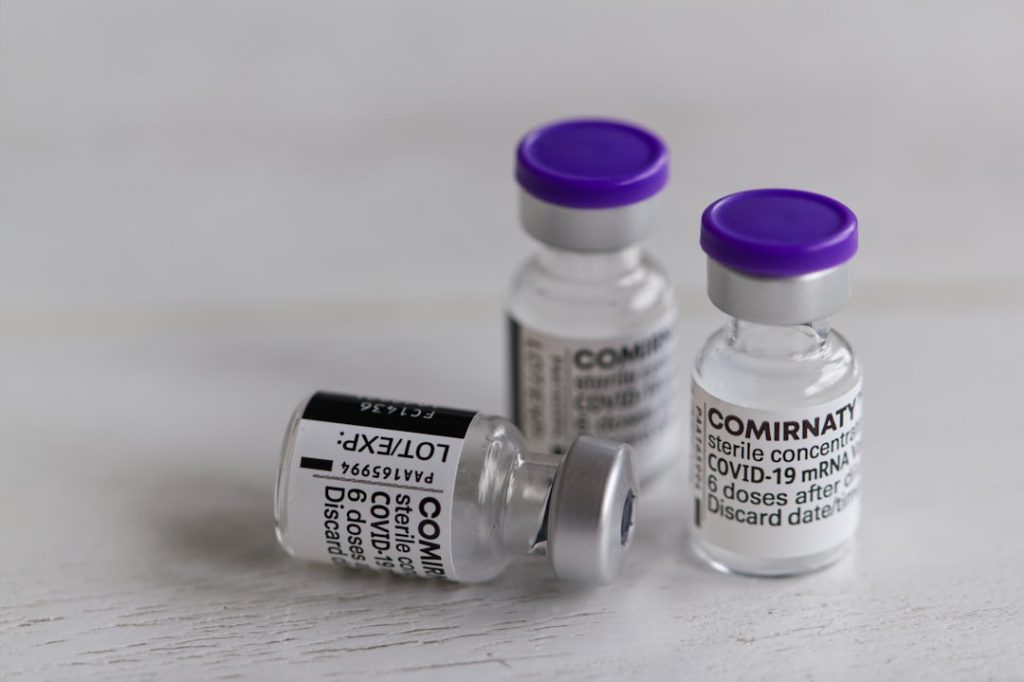
Vaccine trials are a critical phase in the development of new vaccines. They are systematically designed scientific studies that evaluate the safety and efficacy of an investigational vaccine before it can be approved for widespread public use. These trials are essential for ensuring that new vaccines are both effective at preventing disease and carry an acceptable risk profile. Participation in a vaccine trial is a voluntary act that contributes directly to public health.
The Purpose of Vaccine Trials
The primary objective of vaccine trials is to gather robust data on an investigational vaccine. This data addresses several key questions:
- Safety: Does the vaccine cause unacceptable side effects? What is the frequency and severity of these side effects?
- Immunogenicity: Does the vaccine stimulate an immune response? If so, how strong is this response and how long does it last?
- Efficacy/Effectiveness: Does the vaccine prevent the target disease? In a controlled trial, this is referred to as efficacy. In real-world settings after approval, it is termed effectiveness.
- Optimal Dosing: What is the most effective and safest dose regimen for the vaccine?
- Adverse Event Monitoring: Are there any unforeseen adverse reactions to the vaccine?
The Phased Approach to Vaccine Trials

Vaccine trials typically progress through a series of distinct phases, each designed to answer specific questions:
Phase 1 Trials: Initial Safety and Dosing
Phase 1 trials involve a small number of healthy volunteers, typically 20-100 individuals. The primary goal of this phase is to assess the vaccine’s safety profile and determine the optimal dosage. Researchers monitor participants closely for any adverse reactions. Immunogenicity is also measured to see if the vaccine elicits an immune response. These trials are akin to testing the structural integrity of a bridge with a small, specialized crew before allowing heavy traffic.
Phase 2 Trials: Expanded Safety and Immunogenicity

Building on the data from Phase 1, Phase 2 trials involve a larger group of volunteers, often several hundred. These participants may include individuals from demographic groups that would ultimately receive the vaccine, such as different age ranges or individuals with certain pre-existing conditions (excluding those that might contraindicate vaccination). The focus remains on safety, but researchers also delve deeper into the vaccine’s immunogenicity, evaluating different schedules and formulations. This phase is like broadening the bridge test to include different types of vehicles and heavier loads, still under close supervision.
Phase 3 Trials: Efficacy and Large-Scale Safety
Phase 3 trials are the cornerstone of vaccine development, involving thousands or even tens of thousands of participants. These trials are typically randomized, double-blind, and placebo-controlled. This means participants are randomly assigned to receive either the investigational vaccine or a placebo (an inactive substance, often saline), and neither the participants nor the researchers administering the vaccine know who received which. This design minimizes bias and allows for a clear comparison of disease rates between the vaccinated and unvaccinated groups. The primary objective is to demonstrate the vaccine’s efficacy in preventing the target disease. Researchers also continue to monitor for rare adverse events that might only become apparent in a large population. This phase is analogous to opening the bridge to general traffic, but with detailed monitoring of its performance under real-world conditions.
Phase 4 Trials: Post-Marketing Surveillance
After a vaccine has been approved and licensed for public use, Phase 4 trials, also known as post-marketing surveillance, continue to monitor its safety and effectiveness. This ongoing monitoring identifies extremely rare side effects that may not have been apparent in earlier, smaller trials. It also assesses the vaccine’s long-term effectiveness and identifies any potential issues when used in diverse populations. This phase is the continuous inspection and maintenance of the bridge throughout its lifespan, ensuring ongoing safety and reliability.
Factors Influencing Trial Availability
The availability of vaccine trials in your specific geographical area is influenced by a range of complex factors. These factors often determine where pharmaceutical companies, research institutions, and public health organizations choose to conduct their studies.
Disease Prevalence and Epidemiology
The geographical distribution and prevalence of the disease that the vaccine is designed to prevent are significant determinants. Trials for diseases common in specific regions are more likely to be conducted there. For instance, a vaccine targeting a prevalent tropical disease would logically have more trials in endemic regions. Conversely, a vaccine for a common respiratory virus might have trials in numerous densely populated areas worldwide.
Research Infrastructure and Capacity
Robust healthcare and research infrastructure are essential for conducting vaccine trials. This includes:
- Clinical Research Organizations (CROs): Specialized organizations capable of managing complex clinical trials.
- Experienced Medical Professionals: Access to trained doctors, nurses, and research coordinators.
- Laboratories: Equipped facilities for sample processing, immunological testing, and data analysis.
- Regulatory Frameworks: Countries with established and efficient regulatory bodies for clinical research are more attractive for trial implementation.
- Patient Recruitment Capabilities: The ability to effectively identify, screen, and recruit eligible participants is paramount. Urban centers with larger and more diverse populations often offer better recruitment potential.
Funding and Sponsorship
Vaccine trials are extremely expensive undertakings, costing millions or even billions of dollars. The availability of funding from pharmaceutical companies, government agencies (e.g., NIH, CDC), philanthropic organizations, and international collaborations plays a crucial role in determining where trials can be initiated and sustained. Sponsorship decisions often consider logistical feasibility, cost-effectiveness, and strategic priorities.
Regulatory Environment and Ethical Oversight
Each country or region has its own set of regulatory requirements for conducting clinical trials. These include ethical review board approvals, data protection regulations, and specific guidelines for informed consent. Sites in regions with clear, efficient, and internationally recognized regulatory processes are often preferred as they streamline the approval process and ensure ethical conduct. Stringent ethical oversight, while ensuring participant safety, can also influence the speed and logistics of trial initiation.
Geographic Convenience and Logistics
Practical considerations such as ease of participant access, availability of cold chain storage for vaccine transport, and proximity to major transportation hubs can influence site selection. Remote areas, despite potential disease burden, may be less feasible for large-scale trials due to logistical challenges.
How to Find Vaccine Trials Near You
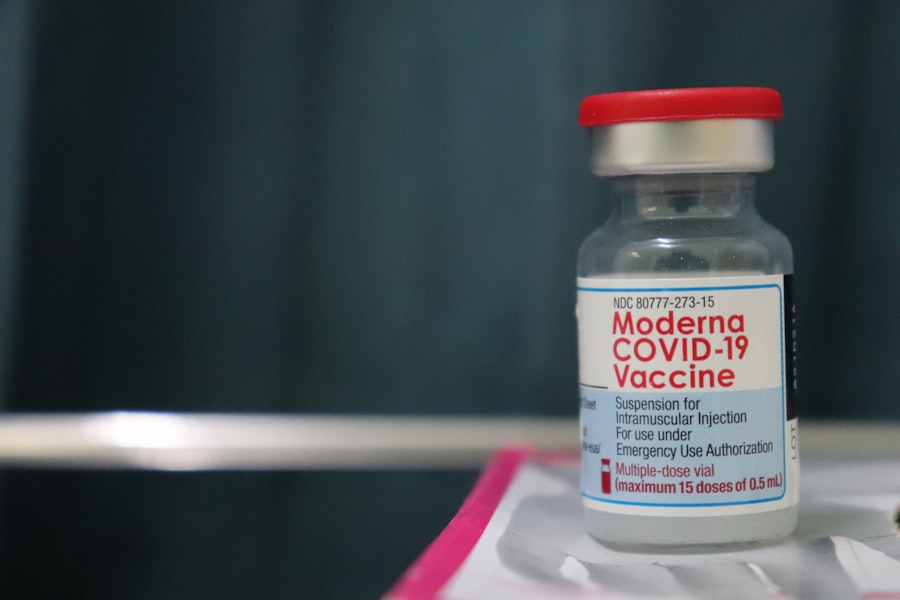
Identifying ongoing vaccine trials that are actively recruiting participants can seem like a daunting task. However, several reliable online resources and direct communication channels can facilitate this search. It is crucial to use reputable sources to ensure the accuracy and ethical standing of any listed trial.
Utilizing Online Clinical Trial Registries
The most comprehensive and authoritative sources for clinical trial information are government-backed or internationally recognized registries. These databases provide detailed information about trials, including their purpose, eligibility criteria, locations, and contact information for researchers.
ClinicalTrials.gov (United States and International)
ClinicalTrials.gov is a publicly accessible database maintained by the U.S. National Library of Medicine (NLM) at the National Institutes of Health (NIH). It lists clinical studies conducted around the world, including vaccine trials. To use this resource effectively:
- Navigate to the website: www.clinicaltrials.gov
- Use the search bar: Enter keywords such as “vaccine,” “COVID-19 vaccine,” “influenza vaccine,” or the name of a specific pathogen (e.g., “RSV vaccine”).
- Refine your search by location: Look for filters that allow you to specify countries, states, or even cities.
- Filter by study status: Select “Recruiting” or “Enrolling by invitation” to find trials currently accepting participants.
- Review individual trial listings: Each listing provides a detailed summary, including:
- Study Title: A concise description of the trial.
- Condition: The disease or condition being studied.
- Intervention: The vaccine being tested.
- Eligibility Criteria: Detailed requirements for participation (e.g., age, health status, previous medical history). This is a critical section to review carefully.
- Locations: A list of all research sites participating in the trial, often with contact information.
- Contact Information: Typically includes phone numbers or email addresses for the study coordinator or principal investigator.
European Clinical Trials Register (EUropean Union)
For individuals in the European Union, the European Clinical Trials Register provides similar functionality to ClinicalTrials.gov. It is operated by the European Medicines Agency (EMA) and lists clinical trials conducted within the EU. The search interface allows for filtering by country, disease, and study status.
World Health Organization (WHO) International Clinical Trials Registry Platform (ICTRP)
The ICTRP acts as a global portal, providing a single point of access to information about clinical trials from various registries worldwide, including those not necessarily linked to national governments. It can be particularly useful for finding trials in countries beyond the US and EU.
Contacting Local Research Institutions and Hospitals
Many universities, medical centers, and hospitals operate clinical research departments. These institutions often conduct vaccine trials and maintain their own databases of ongoing studies.
University Medical Centers
Large academic medical centers are frequently at the forefront of medical research, including vaccine development. Their websites often feature dedicated sections for “Clinical Trials” or “Research Participation.” You can search these sites directly or contact their research departments for information on current vaccine studies.
Community Hospitals and Clinics
Some community hospitals and specialized clinics, particularly those with strong research affiliations, also participate in vaccine trials. It can be beneficial to inquire with your primary care physician or local health authority, as they might be aware of local research opportunities or be able to refer you to relevant institutions.
Engaging with Advocacy and Disease-Specific Organizations
Patient advocacy groups and organizations dedicated to specific diseases often maintain lists of clinical trials relevant to their constituents. For example, an organization focused on a particular infectious disease might publicize vaccine trials for that condition. These groups can also provide valuable support and information regarding trial participation.
The Process of Participating in a Trial
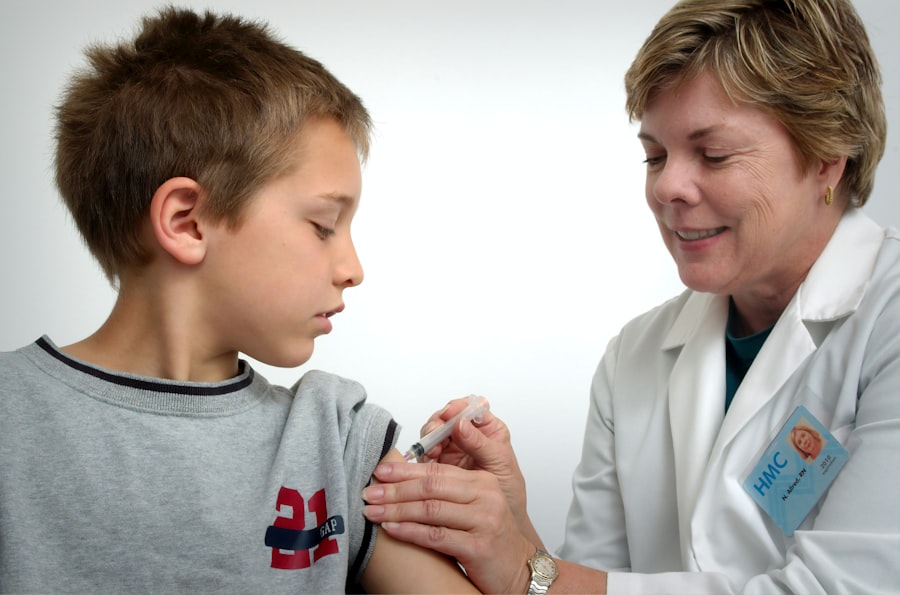
Deciding to participate in a vaccine trial is a significant personal choice. If you meet the initial eligibility criteria for a trial, a structured process will unfold, designed to ensure your safety, informed consent, and the integrity of the research. Understanding these steps is crucial for anyone considering involvement.
Initial Screening and Informed Consent
The first formal step in trial participation involves a comprehensive screening process and the meticulous informed consent procedure.
Understanding Eligibility Criteria
Every vaccine trial has specific eligibility criteria that define who can and cannot participate. These criteria are carefully designed to ensure the safety of participants and the scientific validity of the study. They typically cover aspects such as:
- Age: Minimum and maximum age limits.
- Health Status: General health, presence or absence of specific chronic conditions (e.g., diabetes, heart disease, autoimmune disorders), and recent illnesses.
- Medications: Current medications, as some can interfere with the vaccine or affect trial outcomes.
- Previous Vaccinations: History of vaccination against the target disease or related pathogens.
- Pregnancy/Breastfeeding Status: Exclusion criteria for pregnant or breastfeeding individuals due to potential risks to the child or ethical considerations.
- Geographic Location: Ability to attend all required appointments at the study site.
When you contact a study site, a preliminary screening will typically be conducted over the phone or through an online questionnaire to ascertain if you broadly meet these initial criteria. This saves time for both you and the research team.
The Informed Consent Document
If you appear to be a potential candidate, you will be invited for an informed consent meeting. This is a critical ethical and legal requirement before any trial-related procedures can commence. During this meeting, you will receive and thoroughly review an informed consent document (ICD). This document is not merely a waiver; it is a comprehensive educational tool designed to provide you with all necessary information about the trial, presented in plain language that you can understand. Key components of the ICD include:
- Trial Purpose: A clear explanation of what the researchers aim to achieve.
- Procedure Details: A step-by-step description of what will happen during the trial (e.g., number of visits, blood draws, vaccine administration schedule).
- Potential Risks and Side Effects: A detailed list of all known or anticipated side effects, from mild (e.g., soreness at injection site) to severe (e.g., allergic reactions, unexpected adverse events).
- Potential Benefits: What benefits, if any, you might derive directly from participation (e.g., access to an experimental vaccine, close medical monitoring). It should also describe the broader societal benefits of the research.
- Alternatives: Information about alternative treatments or preventative measures available outside the trial.
- Confidentiality: How your personal health information will be protected.
- Voluntary Participation: Emphasizing that your participation is entirely voluntary and you can withdraw at any time without penalty or loss of benefits to which you are otherwise entitled.
- Compensation: Details about any reimbursement for travel, time, or other expenses.
- Contact Information: Who to contact for questions, medical concerns, or in case of an emergency.
You will be given ample time to read the ICD, ask questions, and discuss it with family or your personal physician. Only after you fully understand the trial and freely decide to participate will you be asked to sign the document. Your signature signifies your informed consent. This process acts as a guardian at the gate – ensuring every participant is fully aware of the journey ahead.
Medical Evaluation and Randomization
Following informed consent, a thorough medical evaluation is conducted to confirm your eligibility and establish a baseline health status.
Comprehensive Health Assessment
This evaluation typically includes:
- Physical Examination: A general check-up by a study physician.
- Medical History Review: Detailed questioning about your past and current health conditions, surgeries, allergies, and family health history.
- Laboratory Tests: Blood tests (e.g., full blood count, liver and kidney function tests, serology for pre-existing immunity), urine tests, and sometimes other diagnostic tests (e.g., ECG). These tests confirm eligibility criteria (e.g., ensuring you don’t have a pre-existing condition that would exclude you) and establish a baseline against which any changes during the trial can be measured.
- Vaccine History Review: Verification of previous vaccinations.
Randomization and Blinding
Once deemed fully eligible, you will likely be randomized. In many vaccine trials, this means you will be assigned to one of several groups:
- Experimental Group: Receives the investigational vaccine.
- Placebo Group: Receives an inactive substance (e.g., saline injection).
- Active Comparator Group: Receives an already approved vaccine or treatment against which the investigational vaccine is being compared.
Randomization ensures that the groups are as similar as possible in terms of demographic characteristics and other factors, minimizing bias. This is often done by a computer algorithm to ensure true randomness.
Most Phase 3 vaccine trials are also double-blinded. This means:
- You (the participant) do not know whether you received the vaccine or the placebo.
- The research team (doctors, nurses) administering the vaccine and monitoring your health also do not know which intervention you received.
Blinding helps prevent conscious or unconscious bias from influencing how symptoms are reported or how outcomes are assessed. Only a designated, unblinded team (often a statistician or pharmacist) knows who received what, and this information is kept separate from the primary research team until the trial is complete or in cases of medical necessity. This approach ensures an unbiased evaluation of the vaccine’s effects, acting as a veil over the identity of participants to ensure objectivity.
Post-Vaccination Monitoring and Follow-Up
Participation in a vaccine trial extends well beyond the initial injection; it involves a commitment to ongoing monitoring and follow-up to gather comprehensive data.
Scheduled Visits and Data Collection
You will be required to attend a series of scheduled follow-up visits at the study site. The frequency and duration of these visits vary widely depending on the trial’s design, but they can range from several weeks to months, or even years, after vaccination. During these visits, the research team will:
- Assess for Adverse Events: Inquire about any side effects or health changes you’ve experienced since the last visit. This often involves standardized questionnaires or diaries.
- Perform Physical Examinations: Conduct physical assessments to monitor your health status.
- Collect Biological Samples: Take blood, urine, or other samples to measure your immune response (e.g., antibody levels, T-cell responses) and monitor for any changes in health biomarkers.
- Review Health Diaries: Many trials provide participants with diaries to record daily symptoms, medication usage, and any potential side effects. These diaries are reviewed regularly.
Reporting Side Effects
It is imperative that you report any and all side effects or health concerns to the study team promptly, whether they occur during a scheduled visit or between appointments. Even seemingly minor symptoms should be communicated. The research team is trained to differentiate between expected reactions (e.g., local soreness) and potential adverse events (AEs). All reported adverse events are meticulously documented and classified according to severity and relatedness to the vaccine. Serious adverse events (SAEs) trigger immediate investigation and reporting to regulatory authorities and ethical review boards. Your vigilance in reporting is a crucial link in the chain of data collection that builds a safety profile.
Study Completion and Unblinding
The trial concludes after the predetermined follow-up period, during which sufficient data has been collected to answer the study questions. In blinded studies, only after the data analysis is largely complete might some participants be “unblinded,” meaning they are informed whether they received the vaccine or the placebo. In some cases, placebo recipients may be offered the investigational vaccine under certain conditions, known as a “crossover” or “open-label extension.” Regardless of the outcome, participants are often provided with a summary of the trial results once they become available. This final stage is when the data, once a scattered collection of individual stories, coalesces into a comprehensive narrative of the vaccine’s performance.
Ethical Considerations and Participant Protection
| Trial Name | Location | Vaccine Type | Phase | Enrollment Status | Contact Information |
|---|---|---|---|---|---|
| COVID-19 mRNA Vaccine Study | New York, NY | mRNA | Phase 3 | Recruiting | nyvaccine@health.org | (212) 555-1234 |
| Influenza Vaccine Trial | Chicago, IL | Inactivated Virus | Phase 2 | Open for Enrollment | chivax@medcenter.com | (312) 555-5678 |
| HPV Vaccine Booster Study | Los Angeles, CA | Protein Subunit | Phase 1 | Recruiting | lavaccine@research.org | (310) 555-9012 |
| Malaria Vaccine Efficacy Trial | Houston, TX | Viral Vector | Phase 3 | Not Recruiting | houmalaria@clinic.net | (713) 555-3456 |
| RSV Vaccine Safety Study | Miami, FL | Live Attenuated | Phase 2 | Recruiting | miarsv@healthcare.org | (305) 555-7890 |
The ethical foundation of vaccine trials is as crucial as their scientific rigor. Ensuring the safety, well-being, and rights of participants is paramount and strictly regulated through internationally recognized principles and oversight mechanisms. These safeguards are designed to protect individuals who volunteer to advance public health.
Independent Ethics Committees (IRBs/ECs)
Before any clinical trial can begin, its protocol, informed consent documents, and recruitment materials must be reviewed and approved by an Independent Ethics Committee (IEC), also known as an Institutional Review Board (IRB). These committees are comprised of a diverse group of individuals, including scientists, medical professionals, ethicists, and community members who are independent of the trial’s sponsors and investigators. Their primary roles include:
- Protecting Participant Rights: Ensuring that the rights and dignity of all participants are upheld throughout the study.
- Assessing Risks vs. Benefits: Critically evaluating whether the potential benefits of the research outweigh the risks to participants. They demand that risks are minimized to the greatest extent possible.
- Reviewing Informed Consent: Ensuring that the informed consent process is robust, transparent, and that participants genuinely understand the trial before agreeing to participate.
- Ongoing Oversight: Continuously monitoring the trial as it progresses, reviewing adverse event reports, and approving any significant changes to the study protocol.
The IRB/IEC acts as a vigilant guardian, ensuring that no scientific gain comes at an undue human cost.
Data Safety Monitoring Boards (DSMBs)
For larger, more complex trials, particularly Phase 3 studies, an independent Data Safety Monitoring Board (DSMB) is established. This committee consists of experts in clinical trial methodology, statistics, medicine, and ethics who are also independent of the trial’s sponsors and investigators. The DSMB’s key functions are:
- Reviewing Interim Data: Periodically reviewing accumulating safety and efficacy data throughout the trial, often at predetermined intervals. This data is usually unblinded only to the DSMB.
- Making Recommendations: Based on their review, the DSMB can make recommendations to the study sponsor, such as:
- Continue the trial as planned.
- Modify the trial protocol (e.g., dose adjustments, changes in follow-up).
- Stop the trial early for benefit: If the vaccine shows overwhelming efficacy, it might be deemed unethical to continue withholding it from the placebo group.
- Stop the trial early for harm: If unacceptable safety concerns emerge that outweigh any potential benefits.
- Stop the trial for futility: If it becomes clear the vaccine will not demonstrate efficacy.
The DSMB functions as an early warning system, watching over the trial’s trajectory for any signs of imbalance or danger, and having the authority to raise a red flag or give an immediate green light for public dissemination.
Confidentiality and Data Protection
Upholding the confidentiality of participant data is a fundamental ethical principle. All personal data collected during a trial is treated with the utmost discretion and protected through various measures:
- Anonymization/Pseudonymization: Participant data is often anonymized (stripped of all identifying information) or pseudonymized (identifying information replaced with a code) whenever possible, especially in published results.
- Secure Data Storage: Electronic and physical data are stored in secure, restricted-access environments, compliant with data protection regulations (e.g., GDPR, HIPAA).
- Limited Access: Only authorized research personnel involved in the study have access to raw participant data.
- Regulatory Compliance: Adherence to national and international data privacy laws and regulations.
These measures ensure that while the collective data from many individuals contributes to scientific advancement, the individual’s privacy remains inviolable, much like individual threads composing a tapestry, where each thread retains its unique identity but contributes to the larger pattern without being fully revealed.
Rights of Participants
Beyond informed consent, participants retain several fundamental rights throughout their involvement in a clinical trial:
- Right to Withdraw: The absolute right to withdraw from the trial at any time, for any reason, without penalty or prejudice to their future medical care.
- Right to Information: The right to be kept informed about any new information from the trial that might affect their willingness to continue participation.
- Right to Compensation for Injury: In some jurisdictions, participants who suffer a research-related injury may have a right to financial compensation for medical expenses and other damages incurred.
- Right to Ask Questions: The ongoing right to ask questions and receive clear, understandable answers from the research team.
These rights serve as a protective shield, empowering participants and ensuring that their altruistic act of contributing to science is met with respect and responsibility.
The Broader Impact of Vaccine Trial Participation
Participation in a vaccine trial offers a unique opportunity to contribute directly to public health and scientific advancement. Beyond the individual experience, the collective effort of trial participants forms an indispensable bridge between laboratory discoveries and widespread disease prevention.
Contributing to Scientific Knowledge and Public Health
Your involvement in a vaccine trial, regardless of whether you receive the investigational vaccine or a placebo, is a direct contribution to scientific knowledge. Each participant’s data point, carefully collected and analyzed, adds to the cumulative understanding of the vaccine’s safety, immunogenicity, and efficacy. This data is the bedrock upon which regulatory bodies make informed decisions about approval and licensing.
- Accelerating Vaccine Development: By participating, you help expedite the process of bringing potentially life-saving vaccines to the global population. This is particularly critical during pandemics or outbreaks where rapid vaccine deployment can mitigate widespread suffering and economic disruption.
- Informing Public Health Policy: The robust data generated from trials informs public health policies and vaccination strategies, helping health authorities make evidence-based decisions about who should be vaccinated and when. This, in turn, helps to control and eradicate infectious diseases, creating a shield for entire communities.
- Building Trust: Transparent and ethically conducted trials, supported by volunteer participants, foster public trust in vaccines and the scientific process. This trust is vital for maintaining high vaccination rates and achieving herd immunity.
Potential Benefits for Participants
While the primary motivation for many participants is altruism, there can be direct and indirect benefits for those who volunteer:
- Access to Investigational Vaccines: Participants may gain early access to a new vaccine that is not yet publicly available, which could offer protection against a disease of concern.
- Close Medical Monitoring: Throughout the trial, participants receive regular, comprehensive medical evaluations from experienced healthcare professionals. This can sometimes lead to the early detection of unrelated health issues.
- Contribution to Disease Eradication: For some, participating in a trial targeting a specific disease aligns with a personal desire to see that disease eliminated or controlled, providing a sense of purpose and impact.
- Financial Compensation: While not the primary incentive, some trials offer reimbursement for time, travel, and other expenses, as an acknowledgement of the participant’s contribution. This compensation should never be so substantial as to unduly influence a person’s decision to participate.
The Ripple Effect: Your Contribution to Global Health
Consider your participation as a single, carefully placed stone in a vast and intricate mosaic of scientific discovery. Each stone, though small, is essential for completing the picture. Your contribution, alongside thousands of others, creates a comprehensive dataset that allows researchers to discern patterns, confirm hypotheses, and ultimately determine if a new vaccine is ready to protect millions. Without volunteers, the journey of any vaccine from concept to widespread application would be stalled indefinitely.
Your decision to engage in a vaccine trial is not merely about individual health; it is an act that reverberates through communities, countries, and across the globe, bringing us closer to a future where preventable diseases are no longer a pervasive threat.
