
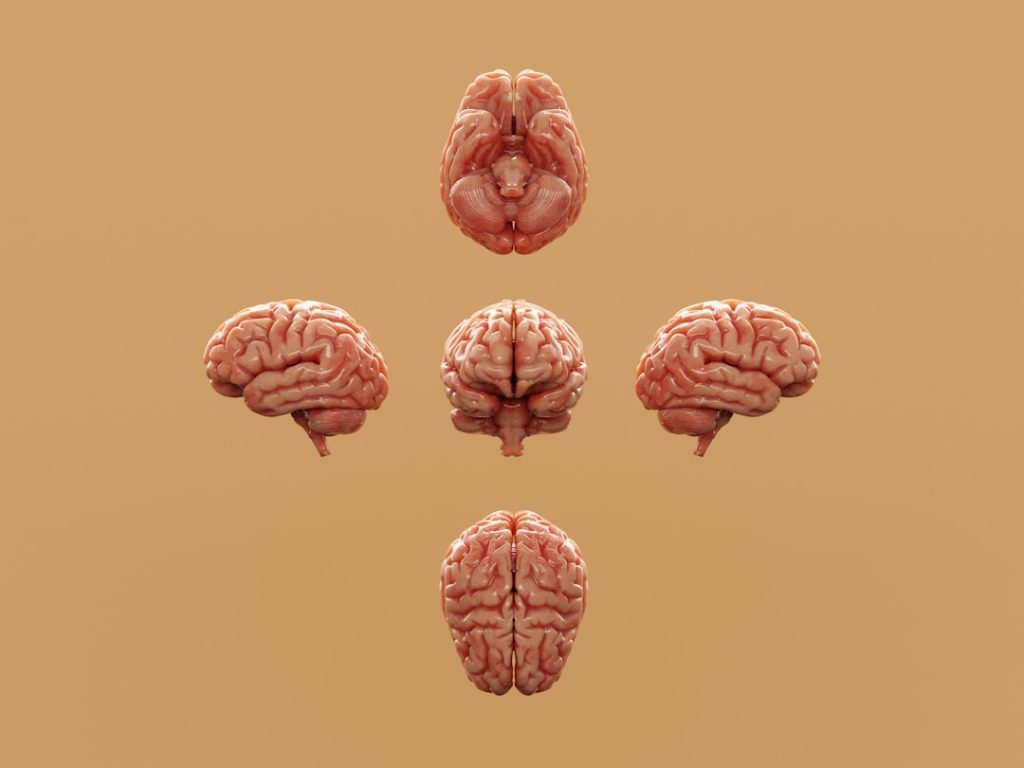
This article provides information for individuals interested in participating in brain research studies. It outlines the process of finding and joining such studies, the benefits and risks involved, and ethical considerations. The aim is to inform potential volunteers, enabling them to make an educated decision about participation.
Brain research encompasses a vast array of scientific inquiry aimed at understanding the structure, function, and pathology of the nervous system. This field is a frontier of scientific discovery, continually pushing the boundaries of human knowledge. From mapping neural circuits to investigating the genesis of neurological disorders, the scope is expansive.
Fundamental Research

Fundamental, or basic, research in neuroscience seeks to unravel the fundamental mechanisms underlying brain function. This can include:
- Neuroanatomy: The study of the structural organization of the brain, from macroscopic regions to microscopic cellular arrangements. This often involves imaging techniques like MRI or post-mortem analysis.
- Neurophysiology: Investigating the electrical and chemical processes that govern neuronal activity and communication. Techniques here often involve electroencephalography (EEG) or magnetoencephalography (MEG).
- Molecular Neuroscience: Delving into the molecular mechanisms that underpin neuronal development, signaling, and disease. This often involves genetic analysis and cellular biology techniques.
- Cognitive Neuroscience: Exploring the neural bases of cognitive processes such as memory, attention, language, and decision-making. Behavioral tasks coupled with neuroimaging are common methodologies here.
Clinical Research
Clinical brain research, in contrast, focuses on translating basic scientific findings into practical applications for diagnosing, treating, and preventing neurological and psychiatric disorders. This includes:
- Drug Development: Testing new pharmaceutical agents for their efficacy and safety in treating conditions like Alzheimer’s disease, Parkinson’s disease, or depression. This typically involves several phases of clinical trials.
- Device Development: Evaluating the effectiveness of medical devices, such as deep brain stimulators for Parkinson’s disease or cochlear implants for hearing loss.
- Behavioral Interventions: Assessing the impact of psychological therapies or cognitive training programs on brain health and function. For instance, studies on cognitive behavioral therapy for anxiety disorders.
- Biomarker Discovery: Identifying reliable biological indicators (biomarkers) that can predict disease onset, track progression, or monitor treatment response. This might involve analyzing blood, cerebrospinal fluid, or brain imaging data.
Why Volunteer for Brain Research?

Your decision to volunteer for a brain research study can contribute significantly to scientific advancement and potentially improve human health. Researchers often refer to volunteers as the “lifeblood” of their studies, as their participation provides the essential data needed to validate hypotheses and generate new knowledge.
Contributing to Scientific Advancement
Participation in research studies helps push the boundaries of knowledge. Each data point, each observation, every volunteer’s experience is a piece of a larger puzzle. Without volunteers, many research questions would remain unanswered, and the development of new treatments and understanding of diseases would stagnate. You become a part of this collective endeavor to illuminate the unknown regions of the brain.
Potential Personal Benefits
While the primary motivation for many volunteers is altruistic, there can be direct or indirect benefits for participants:
- Access to New Treatments: In some clinical trials, especially Phase I and II, participants may gain early access to investigational drugs or therapies not yet available to the general public. This can be a significant consideration for individuals with conditions for which current treatments are ineffective.
- Detailed Medical Evaluation: Some studies include comprehensive medical and neurological assessments, which may provide participants with detailed information about their health that they might not otherwise receive. This is not a substitute for regular medical care but can offer additional insights.
- Financial Compensation: Many studies offer some level of financial compensation for time, travel, and inconvenience. This is intended to offset costs and acknowledge the participant’s contribution, not as a wage.
- Personal Contribution: For many, the satisfaction of contributing to a greater cause, knowing their efforts could help others, is a powerful motivator.
Understanding the Research Process
Volunteering can also provide you with a unique insight into the scientific research process. You may interact directly with researchers, learn about specific neurological conditions, and observe firsthand how scientific questions are posed and investigated. This experiential learning can be invaluable.
Finding Brain Research Studies Near You

Locating suitable brain research studies requires a systematic approach. Several resources exist to connect potential volunteers with research opportunities. Think of this process as navigating a complex map; having the right tools makes the journey smoother.
Online Databases and Registries
The internet has democratized access to information about research studies. Several prominent online platforms serve as central hubs for study listings:
- ClinicalTrials.gov: This is a comprehensive database maintained by the U.S. National Library of Medicine. It lists studies from around the world, providing details on inclusion/exclusion criteria, study design, and contact information. Users can filter by condition, location, and study type.
- Center-Specific Websites: Many academic institutions, university hospitals, and research centers maintain dedicated websites listing their ongoing studies. Searching for “brain research studies [your city/state]” or “[university name] neuro research” can yield relevant results. Examples include listings from institutions like the National Institute of Neurological Disorders and Stroke (NINDS) or university neuroscience departments.
- Condition-Specific Organizations: If you have a particular neurological or psychiatric condition, organizations dedicated to that condition often maintain lists of ongoing research. For example, the Alzheimer’s Association or the Parkinson’s Foundation often provide such resources.
Local Research Institutions
Direct engagement with local research institutions is another effective strategy:
- University Hospitals and Medical Centers: These are often at the forefront of medical research. Many have departments of neurology, psychiatry, or neuroscience that conduct numerous studies. Contacting their research coordinators or public affairs offices can be useful.
- Research Institutes: Independent research institutes, often affiliated with universities, specialize in specific areas of brain research. Examples include institutions focusing on neurodegenerative diseases or cognitive neuroscience.
- Community Health Centers: Some community health centers, particularly those serving diverse populations, may participate in research studies to ensure broad representation.
Professional Referrals
Your healthcare provider can be a valuable conduit to research opportunities:
- Physician Referrals: Your neurologist, psychiatrist, or primary care physician may be aware of relevant studies and can refer you to appropriate research teams. They have a deep understanding of your medical history and can help determine if a study aligns with your health profile.
- Support Groups: Patient support groups for specific conditions often share information about ongoing research studies. These groups can offer a community perspective on participating in research.
The Volunteer Journey: What to Expect
Once you’ve identified a potential study, the path to participation involves several stages. This journey is designed to ensure both your safety and the scientific integrity of the research. Each step is a checkpoint, ensuring alignment between your characteristics and the study’s requirements.
Initial Contact and Screening
Your first step will typically involve contacting the research team. This often occurs via phone or email. Researchers will conduct an initial screening to determine your preliminary eligibility. This usually involves:
- Basic Demographic Information: Age, gender, and general health status.
- Brief Medical History: Questions about any existing neurological or psychiatric conditions, medications you are taking, and significant past medical events.
- Time Commitment: Discussions about the expected duration and frequency of study visits.
This phase is designed to quickly filter out individuals who clearly do not meet the study’s basic criteria, saving time for both you and the research team.
Informed Consent Process
If you pass the initial screening, you will be invited to discuss the study in detail. This is where the informed consent process begins, a cornerstone of ethical research. You will be provided with an “informed consent document,” a comprehensive explanation of the study. This document will cover:
- Purpose of the Study: Why the research is being conducted and what questions it aims to answer.
- Procedures: A detailed description of all tests, assessments, and interventions you would undergo. This might include brain imaging (MRI, PET scans), blood draws, cognitive tests, or medication administration.
- Risks and Benefits: A thorough outline of potential risks (e.g., side effects of medication, discomfort from procedures, risks to privacy) and potential benefits (e.g., access to new treatments, diagnostic information, financial compensation).
- Confidentiality: How your personal and medical information will be protected.
- Voluntary Participation: Emphatically stating that your participation is entirely voluntary and you can withdraw at any time without penalty or affecting your medical care.
- Contact Information: Who to contact for questions or concerns during the study.
You will have ample opportunity to ask questions, and the research team will ensure you fully understand the study before you are asked to sign the document. Take your time with this, as it is your contract with the study.
Detailed Eligibility Assessment
After informed consent, a more rigorous eligibility assessment will take place. This can be extensive and may involve:
- Physical Examination: To assess your general health.
- Medical History Review: A detailed review of your past and present medical conditions, surgeries, and medications.
- Neurological Examination: To assess aspects of brain and nerve function.
- Blood and Urine Tests: To check for underlying health conditions that might preclude participation.
- Cognitive Assessments: Standardized tests to evaluate memory, attention, language, and other cognitive functions.
- Imaging Scans: Such as MRI or CT scans, to assess brain structure.
Only after a comprehensive evaluation confirming you meet all specific inclusion and exclusion criteria will you be formally enrolled in the study.
Ethical Considerations and Participant Rights
| Research Center | Location | Type of Study | Volunteer Requirements | Contact Information | Compensation |
|---|---|---|---|---|---|
| NeuroScience Institute | New York, NY | Alzheimer’s Disease | Ages 50-75, no history of neurological disorders | volunteer@neuroscience.org | (212) 555-1234 | Travel reimbursement |
| Brain Health Center | Chicago, IL | Parkinson’s Disease | Diagnosed with Parkinson’s, ages 40-80 | contact@brainhealthcenter.com | (312) 555-5678 | Monetary compensation |
| Mind Research Lab | San Francisco, CA | Memory and Cognition | Healthy adults, ages 18-65 | info@mindresearchlab.org | (415) 555-9012 | Gift cards |
| Neurology Study Group | Boston, MA | Multiple Sclerosis | Diagnosed with MS, ages 20-60 | msstudy@neurologystudygroup.edu | (617) 555-3456 | Travel reimbursement and stipend |
| Cognitive Research Center | Seattle, WA | Brain Injury Recovery | History of mild brain injury, ages 18-50 | volunteers@cognitiveresearch.org | (206) 555-7890 | Monetary compensation |
The ethical framework surrounding human research is robust, ensuring the safety, well-being, and rights of participants are paramount. Regulatory bodies and internal review boards act as guardians of this framework.
Institutional Review Boards (IRBs)
Every research study involving human participants must be reviewed and approved by an Institutional Review Board (IRB) or an Ethics Committee. The IRB is an independent committee composed of scientists, medical professionals, and community members. Their primary role is to:
- Protect Human Subjects: Ensure that the rights and welfare of research participants are safeguarded.
- Review Protocols: Scrutinize study designs and procedures to minimize risks and maximize potential benefits.
- Evaluate Informed Consent: Confirm that the informed consent process is comprehensive and clearly understandable.
- Monitor Studies: Oversee ongoing research to ensure continued ethical conduct.
No study can proceed without IRB approval. This serves as a critical gatekeeper, ensuring that research prioritizes your safety.
Confidentiality and Data Protection
Protecting your personal and medical information is a fundamental ethical obligation. Researchers employ various strategies to ensure confidentiality:
- Anonymization/De-identification: Often, your identifying information (name, address) is separated from your research data and replaced with a unique participant ID. This means that when data is analyzed or published, it cannot be linked back to you.
- Secure Data Storage: Research data, especially protected health information (PHI), is stored in secure, encrypted systems with restricted access.
- Compliance with Regulations: Researchers adhere to strict regulations like the Health Insurance Portability and Accountability Act (HIPAA) in the United States, which governs the privacy and security of health information.
While every effort is made to protect your data, you should understand the limits of confidentiality, especially in the context of very rare conditions or highly specific research.
The Right to Withdraw
As a volunteer, you retain the absolute right to withdraw from a study at any time, for any reason, without consequence. This right is explicitly stated in the informed consent document.
- No Penalty: Withdrawing will not affect your relationship with the research team, your medical care, or any benefits you were receiving (e.g., compensation for completed visits).
- Data Handling Upon Withdrawal: The informed consent document will typically outline how your previously collected data will be handled if you withdraw. In most cases, data collected up to the point of withdrawal may still be used if it has been anonymized, but no further data will be collected from you.
Your autonomy as a participant is paramount; you are never obligated to continue in a study you no longer wish to be a part of. The choice is yours, like turning a page in a book; you can stop reading at any point.
