

The quest for an effective vaccine against the Human Immunodeficiency Virus (HIV), which leads to Acquired Immunodeficiency Syndrome (AIDS), has been one of the most challenging endeavors in modern medicine. Since the virus was first identified in the early 1980s, researchers have grappled with its complex biology and the ways it evades the immune system. AIDS vaccine trials represent a critical component of this ongoing battle, as they aim to develop a preventive measure that could significantly reduce the incidence of HIV infections globally.
The urgency of these trials is underscored by the staggering statistics surrounding HIV/AIDS; according to the World Health Organization, approximately 38 million people were living with HIV worldwide as of 2020, with millions more affected by the disease’s social and economic ramifications. AIDS vaccine trials are not merely scientific experiments; they are a beacon of hope for millions at risk of HIV infection. These trials involve rigorous testing of vaccine candidates in various phases, from initial safety assessments to large-scale efficacy studies.

The process is fraught with challenges, including the need for extensive funding, ethical considerations, and the necessity of recruiting diverse populations for clinical trials. Despite these hurdles, the commitment to finding a viable vaccine remains steadfast, driven by the potential to transform public health outcomes and alleviate the burden of HIV/AIDS on individuals and communities.
Key Takeaways
- AIDS vaccine trials are crucial for developing effective prevention methods against HIV/AIDS.
- Historical research has faced numerous setbacks but laid the foundation for current vaccine strategies.
- Major challenges include HIV’s genetic diversity and the complexity of eliciting a strong immune response.
- Recent breakthroughs show promise with novel vaccine candidates demonstrating improved efficacy.
- Ethical considerations ensure participant safety and informed consent throughout vaccine trials.
Historical Overview of AIDS Vaccine Research

The history of AIDS vaccine research is marked by both ambition and setbacks. The first significant efforts began in the mid-1980s, shortly after HIV was identified as the causative agent of AIDS. Early vaccine candidates were based on inactivated or live-attenuated viruses, but these approaches faced significant challenges due to the virus’s ability to mutate rapidly and evade immune responses.
The first large-scale clinical trial of an HIV vaccine, known as RV144, took place in Thailand in 2003 and provided a glimmer of hope by demonstrating a modest efficacy rate of 31%. This trial was pivotal as it highlighted that a vaccine could potentially reduce the risk of infection, even if the results were not as robust as researchers had hoped. As research progressed into the 2010s, new technologies began to emerge, including viral vectors and mRNA platforms.
The use of these innovative approaches allowed scientists to explore different ways to elicit immune responses against HIV. For instance, the HVTN 702 trial, which began in South Africa in 2016, aimed to build on the findings from RV144 by utilizing a modified version of the earlier vaccine regimen. However, despite initial optimism, HVTN 702 was halted in early 2021 due to insufficient efficacy.
This history illustrates not only the scientific challenges but also the evolving understanding of HIV and its interaction with the immune system.
Current Challenges in Developing an AIDS Vaccine
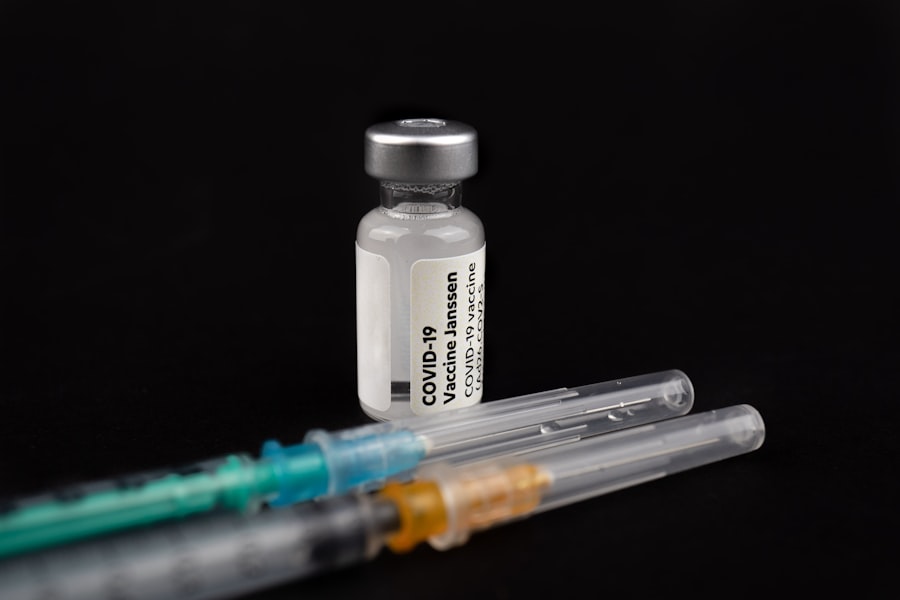
Developing an effective AIDS vaccine is fraught with numerous challenges that stem from both biological and logistical factors. One of the primary biological hurdles is HIV’s remarkable variability. The virus exists as a quasispecies within an infected individual, meaning that there are numerous variants circulating simultaneously.
This diversity complicates vaccine design because a single vaccine may not be effective against all strains of the virus. Moreover, HIV has evolved sophisticated mechanisms to evade immune detection, including glycan shielding on its surface proteins that obscures potential targets for neutralizing antibodies. Logistically, conducting AIDS vaccine trials presents its own set of challenges.
Recruiting participants for clinical trials can be difficult, particularly in regions where stigma surrounding HIV/AIDS persists. Additionally, ensuring that trial populations are representative of those most affected by HIV is crucial for generalizability but can be logistically complex. The need for extensive funding also cannot be overstated; developing a vaccine requires significant investment in research and development, clinical trials, and post-marketing surveillance.
These challenges necessitate innovative solutions and collaborative efforts among governments, non-profit organizations, and private industry.
Breakthroughs in AIDS Vaccine Trials
Despite the myriad challenges faced in AIDS vaccine research, there have been notable breakthroughs that offer hope for future developments. One such breakthrough is the use of mRNA technology, which gained prominence during the COVID-19 pandemic. Researchers have begun exploring mRNA platforms for HIV vaccines due to their ability to induce strong immune responses and their flexibility in design.
For example, studies have shown that mRNA vaccines can elicit robust T-cell responses against HIV antigens, which are crucial for controlling viral replication. Another significant advancement is the exploration of broadly neutralizing antibodies (bNAbs). These antibodies can target multiple strains of HIV and have shown promise in preclinical studies as potential therapeutic agents or components of a preventive vaccine.
The National Institutes of Health (NIH) has initiated several trials investigating bNAb-based strategies, including combinations with other immunogens to enhance their efficacy. These breakthroughs not only represent scientific progress but also reflect a shift towards more innovative approaches that could ultimately lead to a successful AIDS vaccine.
Ethical Considerations in AIDS Vaccine Trials
| Trial Name | Location | Phase | Start Year | Participants | Vaccine Type | Outcome |
|---|---|---|---|---|---|---|
| RV144 | Thailand | Phase 3 | 2003 | 16,402 | ALVAC-HIV + AIDSVAX B/E | 31% efficacy, modest protection |
| HVTN 702 | South Africa | Phase 2b/3 | 2016 | 5,400 | Modified RV144 regimen | Trial stopped early, no efficacy |
| Imbokodo (HVTN 705) | Sub-Saharan Africa | Phase 2b | 2017 | 2,600 | Ad26 vector-based vaccine | Trial stopped, no efficacy |
| Mosaico (HVTN 706) | Americas and Europe | Phase 3 | 2019 | 3,800 | Ad26 vector-based vaccine | Ongoing as of 2024 |
| HVTN 505 | United States | Phase 2b | 2009 | 2,504 | DNA prime, rAd5 boost | No efficacy, trial halted |
The ethical landscape surrounding AIDS vaccine trials is complex and multifaceted. One major consideration is informed consent; participants must fully understand the risks and benefits associated with trial participation. This is particularly important in communities disproportionately affected by HIV/AIDS, where historical injustices may lead to mistrust in medical research.
Researchers must ensure that participants are not only informed but also empowered to make decisions about their involvement without coercion. Additionally, there are ethical implications related to access and equity. If an effective vaccine is developed, questions arise about who will have access to it and how it will be distributed globally.
Ensuring equitable access to vaccines for marginalized populations is paramount, especially given that these groups often bear the brunt of the epidemic. Furthermore, researchers must navigate the balance between scientific advancement and community engagement, ensuring that local populations are involved in decision-making processes related to trial design and implementation.
Future Directions in AIDS Vaccine Research

Looking ahead, several promising directions are emerging in AIDS vaccine research that could reshape the landscape of prevention strategies. One area of focus is the development of mosaic vaccines designed to elicit immune responses against a wide array of HIV strains. These vaccines aim to incorporate multiple viral antigens into a single formulation, potentially increasing their effectiveness across diverse populations.
Another promising avenue involves harnessing advances in gene editing technologies such as CRISPR-Cas9 to create more targeted approaches to vaccination or even therapeutic interventions for those already infected with HIV. By editing genes associated with susceptibility to HIV or enhancing immune responses against the virus, researchers may pave new pathways toward controlling or eradicating HIV infections. Moreover, integrating behavioral science into vaccine development could enhance recruitment and retention strategies for clinical trials.
Understanding community dynamics and addressing barriers to participation will be crucial for future studies aimed at evaluating new vaccine candidates.
Impact of AIDS Vaccine Trials on Public Health
The impact of AIDS vaccine trials extends far beyond individual health outcomes; they have profound implications for public health on a global scale. Successful development and deployment of an effective HIV vaccine could dramatically reduce transmission rates, ultimately leading to a decline in new infections and related morbidity and mortality associated with AIDS. This would alleviate pressure on healthcare systems already burdened by managing chronic diseases associated with HIV.
Furthermore, an effective vaccine could shift societal perceptions surrounding HIV/AIDS, reducing stigma and discrimination against those living with the virus. By normalizing vaccination as a preventive measure akin to those used for other infectious diseases, public health campaigns could foster greater acceptance and encourage individuals at risk to seek preventive care. The economic implications are also significant; reducing new infections would translate into substantial cost savings for healthcare systems worldwide.
Resources currently allocated for treatment could be redirected toward prevention efforts and other pressing health needs.
The Road Ahead for AIDS Vaccine Development
The journey toward developing an effective AIDS vaccine is marked by both challenges and triumphs that reflect the complexities inherent in combating a virus as elusive as HIV. While historical efforts have yielded mixed results, recent breakthroughs offer renewed hope for future advancements in this field. As researchers continue to explore innovative approaches and technologies, it is essential that ethical considerations remain at the forefront of trial design and implementation.
The road ahead will require sustained collaboration among scientists, policymakers, healthcare providers, and communities affected by HIV/AIDS. By fostering an environment conducive to innovation while prioritizing equity and access, we can move closer to realizing the goal of an effective AIDS vaccine—one that has the potential to transform public health outcomes and improve lives on a global scale.
