
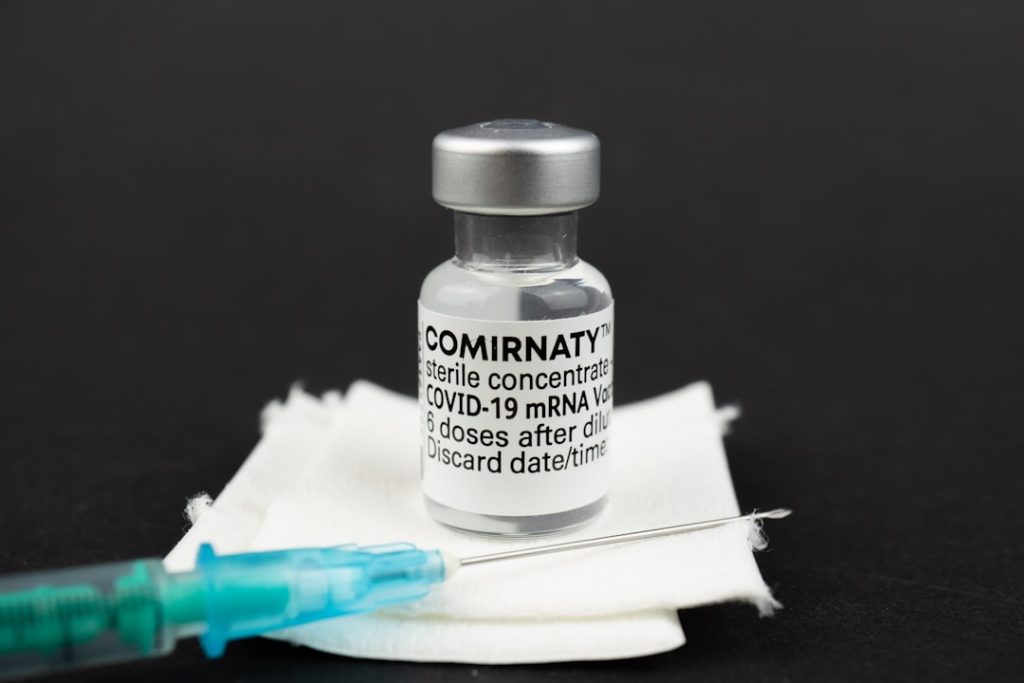
COVID-19 immunity represents the body’s capacity to recognize and defend against the SARS-CoV-2 virus through natural infection or vaccination. Upon exposure to the virus, the immune system produces antibodies and activates T-cells that work to neutralize the pathogen and establish protection against subsequent infections. The strength and duration of immune protection varies significantly between individuals based on factors including age, overall health, and pre-existing medical conditions.
Scientific studies demonstrate that immune protection diminishes over time, with antibody levels declining months after initial infection or vaccination. However, memory T-cells can remain active for extended periods, potentially providing lasting immune protection. This cellular immunity helps explain varying rates of reinfection and supports the rationale for booster vaccination programs.

The emergence of viral variants, including Delta and Omicron strains, has altered the immune landscape by potentially reducing the effectiveness of existing antibodies. These variants contain mutations that may allow them to partially evade immune responses generated by previous infections or vaccinations. Ongoing research continues to evaluate how viral evolution impacts both naturally acquired and vaccine-induced immunity, informing public health strategies and vaccine development efforts.
Key Takeaways
- Immunity to COVID-19 involves understanding how the body defends against the virus after infection or vaccination.
- Immunity studies help researchers track immune responses and improve prevention strategies.
- Finding and joining local COVID-19 immunity studies can contribute to valuable scientific knowledge.
- Participation offers benefits like health monitoring and advancing public health but also involves some risks.
- Ongoing research aims to enhance future COVID-19 treatments and vaccine development.
How Immunity Studies Work

Immunity studies are designed to assess the immune response to COVID-19 in various populations. These studies often involve collecting blood samples from participants to measure levels of antibodies and other immune markers. Researchers may also evaluate T-cell responses through specialized assays that determine how well these cells recognize and respond to the virus.
The data collected can provide insights into how different demographics respond to infection or vaccination, helping to identify factors that contribute to stronger or weaker immune responses. In addition to laboratory analyses, immunity studies may include clinical assessments and questionnaires to gather information about participants’ health history, vaccination status, and previous COVID-19 infections. This comprehensive approach allows researchers to correlate immune responses with real-world outcomes, such as rates of reinfection or breakthrough infections among vaccinated individuals.
By analyzing this data, scientists can better understand the nuances of immunity and inform public health strategies aimed at controlling the spread of COVID-19.
Finding COVID-19 Immunity Studies Near You
Locating COVID-19 immunity studies in your area can be accomplished through various channels. Many academic institutions and research hospitals are actively conducting studies and often list opportunities on their websites. Additionally, organizations such as the National Institutes of Health (NIH) and the Centers for Disease Control and Prevention (CDC) provide resources for finding ongoing research initiatives.
These platforms may include searchable databases where individuals can filter studies based on location, eligibility criteria, and specific research goals. Community health organizations and local health departments may also play a role in disseminating information about available studies. They often collaborate with research institutions to recruit participants from diverse backgrounds, ensuring that findings are representative of the broader population.
Social media platforms and community bulletin boards can serve as informal channels for sharing study opportunities, particularly in areas where traditional outreach methods may not reach all potential participants.
Participating in COVID-19 Immunity Studies
Participation in COVID-19 immunity studies typically involves a straightforward process, beginning with an initial screening to determine eligibility. Researchers often seek individuals who have been vaccinated, those who have recovered from COVID-19, or even those who have not been exposed to the virus at all. This diversity is essential for understanding how different immune responses develop across various groups.
Once eligibility is confirmed, participants may be asked to provide informed consent, which outlines the study’s purpose, procedures, potential risks, and benefits. After consent is obtained, participants usually undergo a series of assessments that may include blood draws for antibody testing and other immune markers. Some studies may also involve follow-up visits over time to monitor changes in immune responses or to assess the impact of new variants on immunity.
Participants might be asked to complete surveys regarding their health status and any symptoms they experience throughout the study period. This longitudinal approach helps researchers track how immunity evolves over time and its implications for public health.
Benefits of Participating in COVID-19 Immunity Studies
| Study Name | Location | Sample Size | Type of Immunity Studied | Duration | Key Findings | Contact Information |
|---|---|---|---|---|---|---|
| Local COVID-19 Antibody Persistence Study | New York, NY | 500 participants | Antibody Immunity | 12 months | Antibodies remain detectable in 85% of participants after 9 months | nycovidstudy@example.com |
| Cellular Immunity Post COVID-19 Infection | Chicago, IL | 300 participants | T-cell Immunity | 6 months | T-cell response remains robust in 70% of recovered patients | chicagocovidimmunity@research.org |
| Vaccine-Induced Immunity Duration Study | San Francisco, CA | 450 participants | Vaccine Immunity | 9 months | Immunity wanes after 6 months, booster recommended | sfvaccineimmunity@health.org |
| Hybrid Immunity Analysis | Boston, MA | 350 participants | Natural + Vaccine Immunity | 8 months | Hybrid immunity shows stronger and longer-lasting protection | bostonhybridstudy@med.edu |
Engaging in COVID-19 immunity studies offers several benefits not only for participants but also for society at large. For individuals, participation can provide valuable insights into their own immune status, particularly for those who are curious about their level of protection against COVID-19. Many studies offer participants access to their test results, which can help inform personal health decisions regarding vaccination or booster shots.
On a broader scale, these studies contribute significantly to our understanding of COVID-19 immunity and inform public health policies. The data collected can help shape vaccine distribution strategies, identify populations at higher risk for severe disease, and guide recommendations for booster vaccinations. By participating in these studies, individuals play a crucial role in advancing scientific knowledge that can ultimately lead to better health outcomes for everyone.
Risks and Considerations for Participating in COVID-19 Immunity Studies

While there are numerous benefits associated with participating in COVID-19 immunity studies, it is essential to consider potential risks and ethical implications. One primary concern is the possibility of adverse reactions related to blood draws or other procedures involved in the study. Although these risks are generally minimal, participants should be aware of them before consenting to take part in any research.
Additionally, privacy concerns are paramount in research involving health data. Participants must ensure that their personal information will be kept confidential and used solely for research purposes. Ethical guidelines require researchers to protect participant data rigorously; however, individuals should feel empowered to ask questions about how their information will be handled.
Understanding these aspects can help mitigate concerns and foster a sense of trust between participants and researchers.
What to Expect During a COVID-19 Immunity Study
When participating in a COVID-19 immunity study, individuals can expect a structured yet flexible experience tailored to the specific research protocol. Initially, participants will undergo a screening process that may include a health questionnaire and a review of their medical history. This step ensures that only eligible individuals are enrolled in the study.
Once enrolled, participants will typically attend one or more visits where blood samples will be collected for analysis. Depending on the study design, these visits may occur at regular intervals over several months or even years. During these visits, participants might also engage in discussions with researchers about their experiences with COVID-19 or vaccination, providing qualitative data that complements quantitative findings.
Overall, participants should feel supported throughout the process, with researchers available to address any questions or concerns that arise.
The Future of COVID-19 Immunity Research
The future of COVID-19 immunity research holds great promise as scientists continue to unravel the complexities of immune responses to SARS-CoV-2. Ongoing studies are likely to focus on understanding how emerging variants impact immunity and vaccine effectiveness. As new strains of the virus arise, researchers will need to adapt their approaches to ensure that vaccines remain effective against these mutations.
Moreover, advancements in technology are expected to enhance our ability to study immunity more comprehensively. Techniques such as single-cell sequencing and advanced immunological assays will allow researchers to delve deeper into the nuances of immune responses at an individual level. This could lead to personalized vaccination strategies tailored to an individual’s unique immune profile.
As we move forward in this pandemic era, collaboration between researchers, healthcare providers, and public health officials will be crucial in translating findings from immunity studies into actionable strategies that protect public health on a global scale. The insights gained from these studies will not only inform our response to COVID-19 but also enhance our preparedness for future infectious disease outbreaks.
