
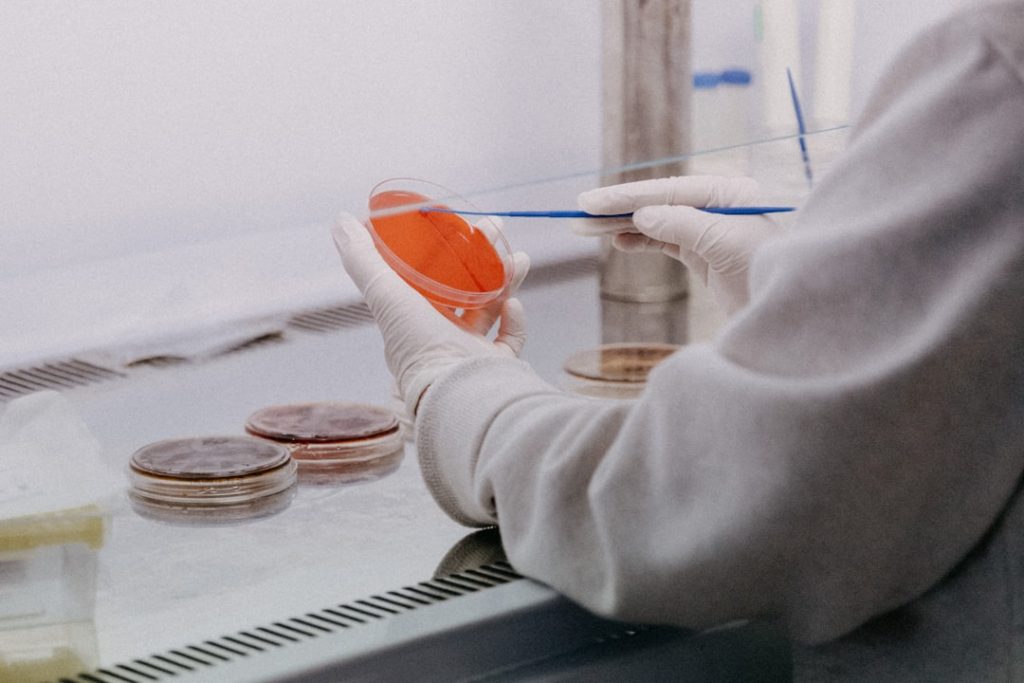
The Stowers Institute for Medical Research, located in Kansas City, Missouri, was established in 2000 by Jim and Virginia Stowers to advance biomedical research. The institute focuses on basic research to understand the fundamental mechanisms underlying human health and disease. By investigating biological systems, researchers at Stowers aim to provide insights that may lead to medical breakthroughs.
The collaborative scientific environment has facilitated significant discoveries that expand biological knowledge and suggest new therapeutic approaches. The institute employs a multidisciplinary research strategy, combining expertise from genetics, cell biology, and developmental biology. This integrated approach enables scientists to address complex medical questions.

Researchers at Stowers utilize advanced technologies to examine molecular processes in living organisms. By concentrating on basic questions about organismal development and function, the institute works toward making contributions to medicine that could improve global health outcomes.
Key Takeaways
- Stowers Institute focuses on genetic and environmental factors influencing health and disease.
- Advanced technologies are pivotal in uncovering the complexities of human development.
- Collaborative research efforts enhance understanding and problem-solving in medical mysteries.
- Translating laboratory discoveries into clinical applications is a key research goal.
- Future research aims to further unlock medical mysteries through innovative approaches.
Understanding the Role of Genetics in Medical Mysteries

Genetics plays a pivotal role in unraveling medical mysteries, as it provides insights into the hereditary factors that contribute to various diseases. The Stowers Institute has made significant strides in this area by employing advanced genetic tools and methodologies to investigate the genetic underpinnings of conditions such as cancer, neurodegenerative diseases, and metabolic disorders. For instance, researchers at the institute utilize model organisms like zebrafish and mice to study gene function and regulation, allowing them to observe how specific genetic mutations can lead to disease phenotypes.
This approach not only elucidates the mechanisms of disease but also identifies potential targets for therapeutic intervention. Moreover, the integration of genomics into research has revolutionized our understanding of complex diseases. High-throughput sequencing technologies enable scientists to analyze entire genomes rapidly, uncovering variations that may predispose individuals to certain health conditions.
The Stowers Institute’s commitment to genetic research is exemplified by its focus on understanding how gene-environment interactions influence disease susceptibility. By examining how environmental factors can modify genetic expression, researchers are uncovering new layers of complexity in disease etiology, which could lead to more personalized approaches to treatment and prevention.
Investigating the Impact of Environment on Health
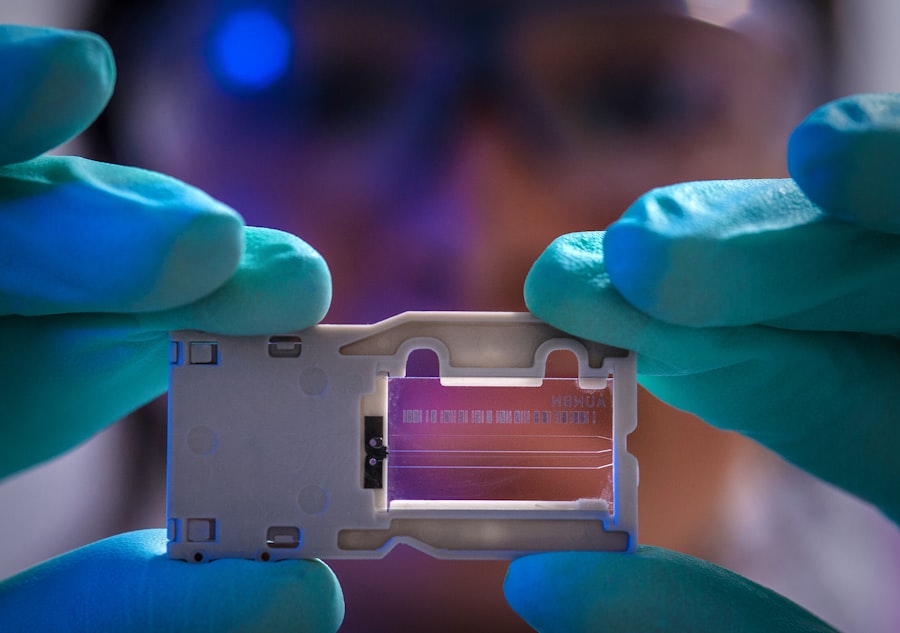
While genetics provides a foundational understanding of disease mechanisms, environmental factors also play a crucial role in shaping health outcomes. The Stowers Institute recognizes that health is not solely determined by genetic predisposition; rather, it is a complex interplay between genes and environmental influences. Researchers at the institute investigate how various environmental factors—such as diet, toxins, and lifestyle choices—interact with genetic makeup to affect health.
This research is particularly relevant in the context of chronic diseases like obesity and diabetes, where lifestyle modifications can significantly alter disease trajectories. One notable area of research at the Stowers Institute involves studying how early-life exposures can have lasting effects on health. For example, scientists are exploring how maternal nutrition during pregnancy can influence fetal development and predispose offspring to metabolic disorders later in life.
By utilizing animal models and advanced imaging techniques, researchers can track developmental changes and assess how environmental interventions might mitigate adverse health outcomes. This line of inquiry not only enhances our understanding of disease mechanisms but also informs public health strategies aimed at reducing disease burden through preventive measures.
Exploring Cutting-Edge Technologies in Medical Research
The Stowers Institute is at the forefront of employing cutting-edge technologies that enhance our ability to investigate biological questions with unprecedented precision. Techniques such as CRISPR-Cas9 gene editing have revolutionized genetic research by allowing scientists to make targeted modifications to DNA sequences with remarkable accuracy. This technology has been instrumental in elucidating gene function and understanding the consequences of specific mutations in model organisms.
Researchers at the Stowers Institute leverage CRISPR technology to create disease models that mimic human conditions, facilitating the study of disease mechanisms and potential therapeutic approaches. In addition to gene editing, advancements in imaging technologies have transformed how researchers visualize cellular processes in real-time. High-resolution microscopy techniques enable scientists to observe dynamic cellular events with exceptional clarity, providing insights into cellular behavior during development and disease progression.
For instance, researchers can track the movement of proteins within cells or monitor changes in cellular morphology in response to external stimuli. These technological innovations not only enhance our understanding of fundamental biological processes but also open new avenues for therapeutic intervention by identifying critical points of regulation within cellular pathways.
Unraveling the Complexities of Human Development and Disease
| Metric | Value |
|---|---|
| Founded | 1994 |
| Location | Kansas City, Missouri, USA |
| Research Focus | Biomedical research, genetics, cell biology, cancer, developmental biology |
| Number of Scientists | Approximately 300 |
| Annual Research Funding | Over 50 million |
| Publications per Year | 150+ |
| Notable Achievements | Discovery of key genetic pathways, advances in cancer biology |
Human development is a highly intricate process that involves a series of tightly regulated events leading from a single fertilized egg to a fully formed organism. The Stowers Institute’s research delves into the molecular and cellular mechanisms that govern this process, shedding light on how disruptions can lead to developmental disorders and diseases. By studying model organisms such as zebrafish and mice, researchers can investigate key developmental stages and identify critical genes involved in processes like organogenesis and tissue differentiation.
One area of focus is understanding congenital disorders that arise from genetic mutations or environmental exposures during critical periods of development. For example, researchers are exploring how specific gene mutations can disrupt normal heart development, leading to congenital heart defects. By employing advanced imaging techniques and genetic manipulation, scientists can dissect the pathways involved in heart formation and identify potential therapeutic targets for intervention.
This research not only enhances our understanding of developmental biology but also has profound implications for improving clinical outcomes for affected individuals.
Collaborative Efforts in Solving Medical Mysteries
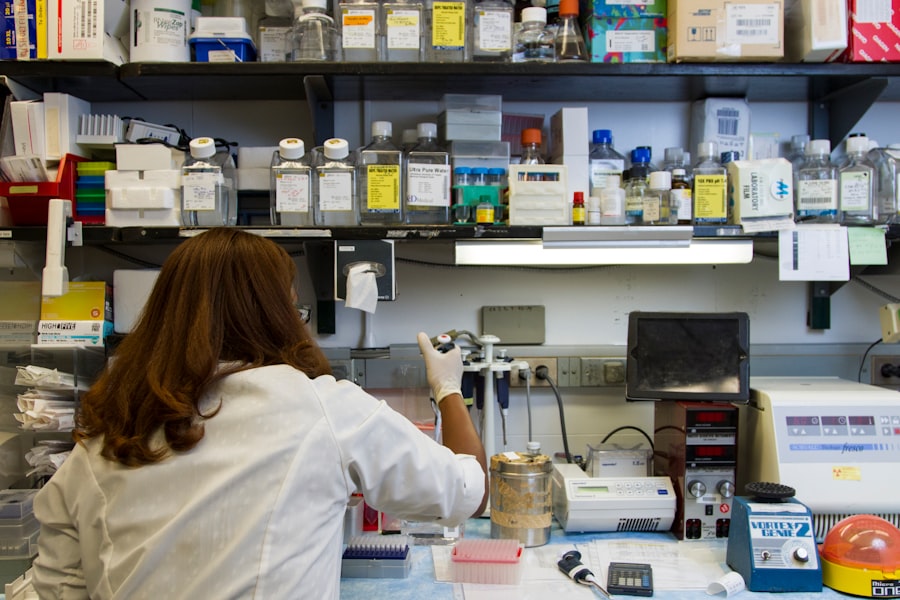
Collaboration is a cornerstone of research at the Stowers Institute, fostering an environment where scientists from diverse backgrounds come together to tackle complex medical mysteries. The interdisciplinary nature of research at Stowers encourages the exchange of ideas and expertise, leading to innovative solutions that might not emerge within isolated disciplines. Collaborative projects often involve partnerships with other research institutions, hospitals, and industry stakeholders, amplifying the impact of findings and accelerating the translation of discoveries into clinical applications.
One exemplary initiative is the establishment of collaborative networks focused on specific diseases or research themes. For instance, researchers studying neurodegenerative diseases may collaborate with experts in computational biology to analyze large datasets generated from genomic studies. This synergy allows for a more comprehensive understanding of disease mechanisms and facilitates the identification of potential biomarkers for early diagnosis or therapeutic targets.
By leveraging collective expertise, researchers at the Stowers Institute are better equipped to address multifaceted medical challenges that require a concerted effort across disciplines.
Translating Research Findings into Clinical Applications
The ultimate goal of research conducted at the Stowers Institute is to translate fundamental discoveries into clinical applications that improve patient care. This translational aspect is critical for bridging the gap between laboratory findings and real-world medical practice. Researchers work closely with clinicians to ensure that their discoveries are relevant and applicable to patient populations.
This collaboration often involves identifying potential therapeutic targets based on insights gained from basic research and conducting preclinical studies to evaluate their efficacy. One notable example is the development of targeted therapies for cancer based on genetic insights gained from research at Stowers. By identifying specific mutations that drive tumor growth, researchers can design drugs that selectively target these alterations while sparing healthy cells.
This precision medicine approach holds great promise for improving treatment outcomes for cancer patients by minimizing side effects associated with traditional therapies like chemotherapy. The Stowers Institute’s commitment to translating research into practice exemplifies its dedication to making a tangible impact on human health.
Future Directions in Unlocking Medical Mysteries through Stowers Institute Research
As we look toward the future, the Stowers Institute remains poised to continue its pioneering work in unlocking medical mysteries through innovative research approaches. The integration of artificial intelligence and machine learning into biomedical research holds tremendous potential for accelerating discoveries and enhancing our understanding of complex biological systems. By harnessing these technologies, researchers can analyze vast amounts of data generated from genomic studies or imaging experiments more efficiently, uncovering patterns that may not be readily apparent through traditional analysis methods.
Furthermore, as our understanding of human biology deepens, there is an increasing emphasis on personalized medicine—tailoring treatments based on individual genetic profiles and environmental exposures. The Stowers Institute’s ongoing research efforts will likely focus on developing strategies for implementing personalized approaches in clinical settings, ensuring that patients receive targeted therapies that align with their unique biological makeup. In conclusion, the Stowers Institute for Medical Research stands at the forefront of scientific discovery, addressing some of the most pressing medical mysteries through its commitment to rigorous research and collaboration.
By exploring the intricate interplay between genetics, environment, and human development, researchers are paving the way for transformative advancements in healthcare that hold promise for improving lives worldwide.
