
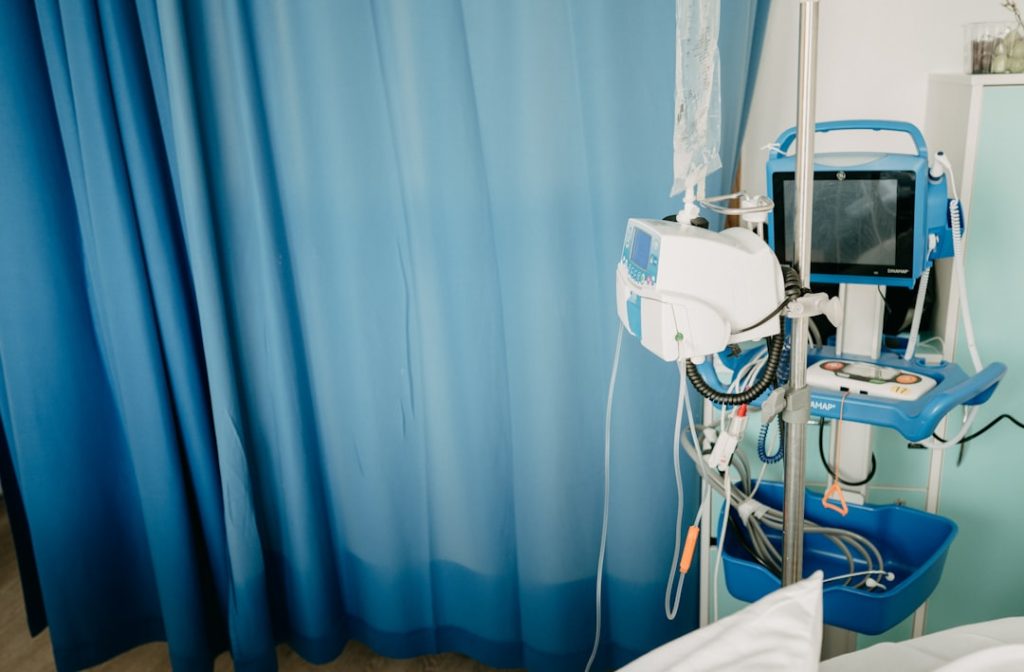
Mercy Medical Hospital’s Research Department conducts medical research to improve patient care and advance scientific knowledge. The department employs researchers, clinicians, and medical specialists who work to apply scientific findings to clinical practice. The department’s activities contribute to the hospital’s medical programs and research capabilities.
The Research Department focuses on multiple medical specialties, including oncology, cardiology, neurology, and mental health. The department develops new treatment methods and works to improve existing therapeutic approaches. Research findings are integrated into clinical practice to support patient care.

The department operates through collaboration between research activities and clinical services to facilitate the application of research results in medical treatment.
Key Takeaways
- Mercy Medical Hospital’s Research Department is at the forefront of medical innovation.
- Significant breakthroughs have been made in cancer treatment and cardiovascular care.
- The hospital is pioneering advancements in neurological research and surgical technology.
- Genetic research and mental health treatment approaches show promising developments.
- Strong collaborations with leading research institutions enhance their research impact.
Breakthroughs in Cancer Treatment

In recent years, Mercy Medical Hospital’s Research Department has made significant strides in cancer treatment, particularly in the realm of immunotherapy. Researchers have been exploring the potential of harnessing the body’s immune system to combat various forms of cancer. One notable breakthrough involves the development of personalized cancer vaccines that are tailored to the unique genetic makeup of an individual’s tumor.
These vaccines stimulate the immune system to recognize and attack cancer cells more effectively, leading to promising results in clinical trials. Additionally, the department has been at the forefront of research into targeted therapies that focus on specific genetic mutations associated with different cancers. For instance, studies have shown that patients with non-small cell lung cancer who possess certain mutations can benefit from targeted drugs that inhibit tumor growth while minimizing damage to healthy cells.
This approach not only enhances treatment efficacy but also reduces side effects, making it a more tolerable option for patients. The ongoing research in this area continues to yield valuable insights that could redefine cancer treatment protocols.
Advancements in Cardiovascular Care
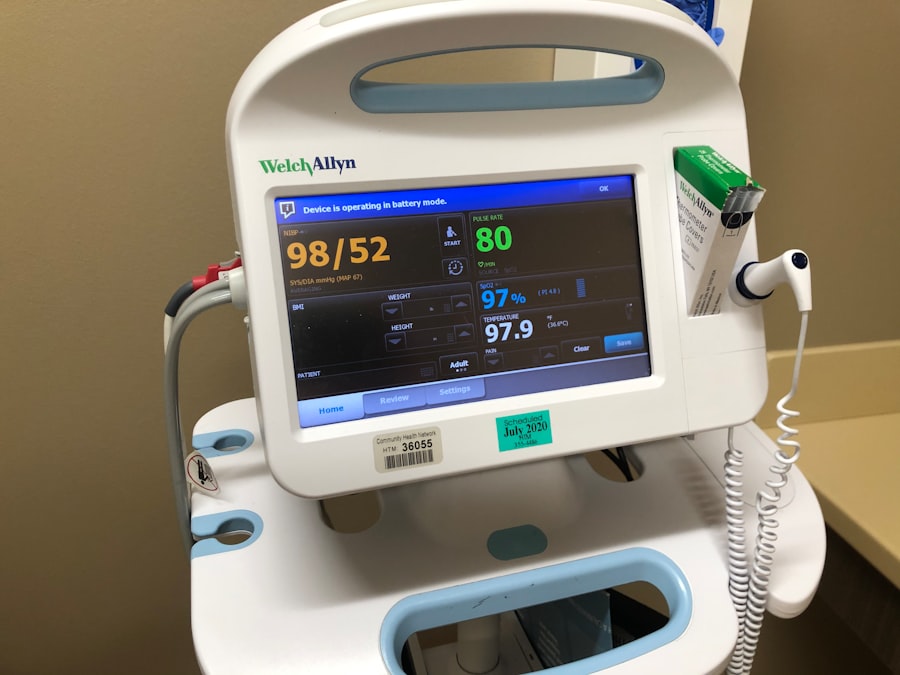
Mercy Medical Hospital’s Research Department has also made remarkable contributions to cardiovascular care, particularly in understanding and treating heart disease. One area of focus has been the development of advanced imaging techniques that allow for more accurate diagnosis and assessment of cardiovascular conditions. For example, researchers have been utilizing cardiac MRI and CT scans to visualize heart structures and blood flow in unprecedented detail.
This enhanced imaging capability enables clinicians to make more informed decisions regarding treatment options. Moreover, the department has been actively involved in clinical trials investigating new pharmacological interventions for heart disease management. Recent studies have explored the efficacy of novel anticoagulants and antiplatelet agents that aim to reduce the risk of heart attacks and strokes.
These medications are designed to target specific pathways involved in blood clot formation, offering patients safer alternatives with fewer side effects compared to traditional therapies. The ongoing research efforts in this domain are crucial for developing more effective strategies for preventing and managing cardiovascular diseases.
Innovations in Neurological Research
The field of neurology has seen transformative advancements through the efforts of Mercy Medical Hospital’s Research Department. One significant area of innovation is in the treatment of neurodegenerative diseases such as Alzheimer’s and Parkinson’s. Researchers are investigating novel therapeutic approaches that target the underlying mechanisms of these conditions, including protein aggregation and neuroinflammation.
For instance, recent studies have explored the use of monoclonal antibodies designed to clear amyloid plaques from the brains of Alzheimer’s patients, showing promise in slowing disease progression. In addition to pharmacological interventions, the department is also exploring non-invasive techniques such as transcranial magnetic stimulation (TMS) and deep brain stimulation (DBS) for managing neurological disorders. These methods aim to modulate brain activity and improve symptoms without the need for invasive surgery.
Clinical trials assessing the efficacy of these techniques have yielded encouraging results, suggesting that they could become integral components of comprehensive treatment plans for patients suffering from various neurological conditions.
Cutting-Edge Technology in Surgical Procedures
| Metric | Value | Unit | Description |
|---|---|---|---|
| Number of Research Projects | 120 | Projects | Total ongoing clinical and laboratory research projects |
| Annual Patient Enrollment | 3,500 | Patients | Number of patients enrolled in clinical trials annually |
| Research Staff | 85 | Personnel | Number of dedicated research scientists and support staff |
| Published Papers (Last Year) | 75 | Publications | Peer-reviewed articles published by hospital researchers |
| Research Funding | 15 | Million | Annual research budget allocated for medical studies |
| Clinical Trials Phases | Phase I: 10, Phase II: 25, Phase III: 15 | Trials | Number of clinical trials in each phase |
| Collaborations | 20 | Institutions | Number of national and international research partnerships |
| Patient Safety Incidents | 2 | Incidents | Reported safety incidents related to research activities |
Mercy Medical Hospital’s Research Department is at the forefront of integrating cutting-edge technology into surgical procedures, significantly enhancing patient safety and outcomes. One notable advancement is the use of robotic-assisted surgery, which allows surgeons to perform complex procedures with greater precision and control. This technology minimizes invasiveness, leading to reduced recovery times and lower rates of complications.
The department has conducted extensive research on the effectiveness of robotic systems in various surgical specialties, including urology, gynecology, and orthopedics. Furthermore, researchers are exploring the application of augmented reality (AR) and virtual reality (VR) in surgical training and planning. These technologies provide immersive simulations that allow surgeons to practice procedures in a risk-free environment before operating on actual patients.
Studies have shown that AR and VR can enhance surgical skills and improve overall performance during real-life surgeries. By incorporating these innovative technologies into surgical practice, Mercy Medical Hospital is setting new standards for surgical excellence.
Promising Developments in Genetic Research
Genetic research at Mercy Medical Hospital has opened new avenues for understanding diseases at a molecular level, leading to groundbreaking developments in personalized medicine. The department has been actively involved in genomic studies aimed at identifying genetic predispositions to various health conditions. For example, researchers have been investigating how specific gene variants influence an individual’s risk for developing certain cancers or cardiovascular diseases.
This knowledge is crucial for developing targeted prevention strategies and personalized treatment plans. One particularly exciting area of genetic research involves CRISPR technology, which allows for precise editing of genes associated with hereditary diseases. Researchers at Mercy Medical Hospital are exploring the potential applications of CRISPR in treating genetic disorders such as cystic fibrosis and sickle cell anemia.
Early-stage studies have demonstrated promising results in animal models, paving the way for future clinical trials that could revolutionize treatment options for patients with genetic conditions.
Revolutionary Approaches to Mental Health Treatment
The Research Department at Mercy Medical Hospital is also making significant contributions to mental health treatment through innovative approaches that challenge traditional paradigms. One area of focus is the integration of technology into mental health care, particularly through teletherapy and digital mental health platforms. These tools have become increasingly important in providing accessible care, especially during times when face-to-face interactions are limited.
Research has shown that teletherapy can be as effective as in-person therapy for many individuals, expanding access to mental health services. Moreover, researchers are investigating novel therapeutic modalities such as psychedelic-assisted therapy for conditions like depression and PTSD. Preliminary studies suggest that substances like psilocybin and MDMA may facilitate profound psychological healing when combined with psychotherapy.
The department is conducting rigorous clinical trials to evaluate the safety and efficacy of these treatments, aiming to provide new hope for patients who have not responded to conventional therapies.
Collaborations with Leading Research Institutions
Mercy Medical Hospital’s Research Department recognizes that collaboration is key to driving innovation and advancing medical knowledge. To this end, it has established partnerships with leading research institutions and universities across the country and around the world. These collaborations facilitate knowledge exchange, resource sharing, and joint research initiatives that amplify the impact of their work.
For instance, partnerships with renowned cancer research centers have enabled Mercy Medical Hospital to participate in large-scale clinical trials that test new therapies on diverse patient populations. Such collaborations not only enhance the hospital’s research capabilities but also contribute to a broader understanding of disease mechanisms and treatment responses across different demographics. By working together with other institutions, Mercy Medical Hospital is helping to shape the future of medicine through collaborative research efforts that prioritize patient care and scientific advancement.
