
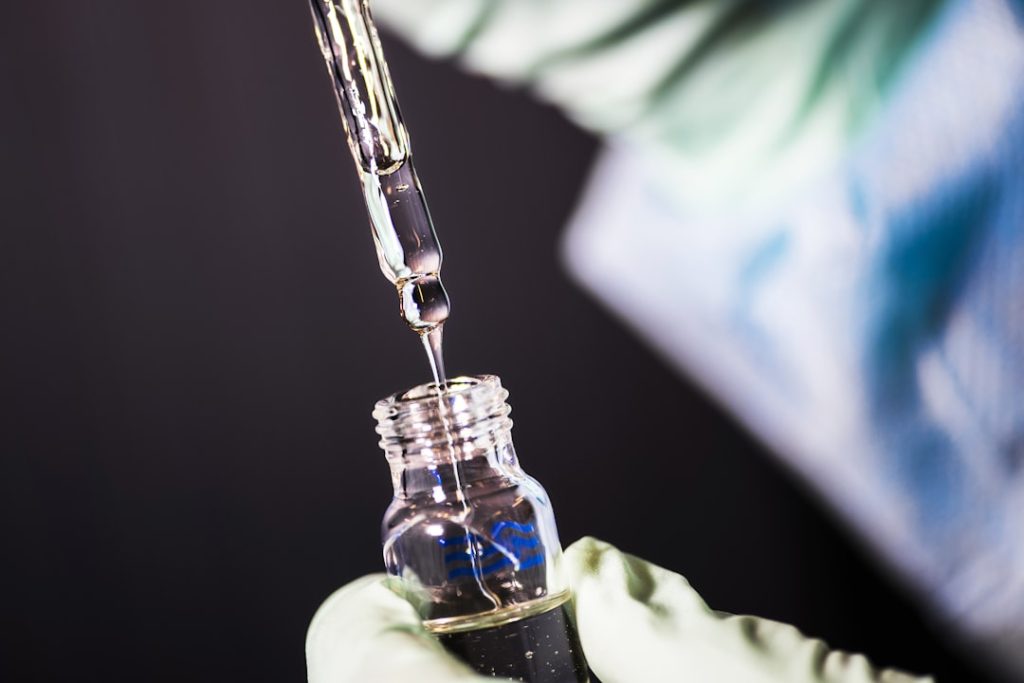
Medical research constitutes a fundamental component of modern healthcare systems, serving to expand scientific knowledge of diseases, facilitate treatment development, and enhance patient care outcomes. With global demographic shifts toward larger and aging populations, the need for innovative medical interventions continues to intensify. This demand has generated increased interest in medical research careers among professionals from various academic disciplines seeking to advance human health.
The field encompasses diverse research methodologies, including laboratory-based experimental studies, clinical trials, epidemiological investigations, and health policy research. This breadth creates multiple career trajectories for individuals entering the profession. Medical research careers offer opportunities to participate in scientific discovery and address complex health challenges.

Research findings directly influence public health policy development, clinical practice standards, and population health outcomes globally. Professionals in this field typically demonstrate strong motivation for scientific contribution, intellectual curiosity, and commitment to systematic investigation methods.
Key Takeaways
- Medical research careers require specialized education and training, often including advanced degrees.
- There are diverse specializations within medical research, such as clinical trials, epidemiology, and biomedical research.
- Job opportunities exist in academia, industry, government, and healthcare institutions.
- Success in medical research depends on skills like critical thinking, communication, and perseverance.
- Building a professional network and continuous development are crucial for career advancement in medical research.
Education and Training Requirements

Embarking on a career in medical research typically requires a solid educational foundation, beginning with an undergraduate degree in a relevant field such as biology, chemistry, or health sciences. This initial step is crucial, as it provides aspiring researchers with essential knowledge about biological systems, laboratory techniques, and the scientific method. Many universities offer specialized programs that focus on medical research or biomedical sciences, which can further enhance a candidate’s qualifications.
During their undergraduate studies, students are encouraged to engage in research projects or internships that provide hands-on experience and exposure to the research environment. Following the completion of an undergraduate degree, many individuals choose to pursue advanced degrees such as a Master’s or Ph.D. in fields related to medical research.
A Master’s degree can provide specialized training in areas such as epidemiology, biostatistics, or clinical research, while a Ph.D. is often necessary for those aiming for independent research positions or academic roles. Doctoral programs typically involve rigorous coursework, comprehensive examinations, and original research culminating in a dissertation.
This level of education not only deepens one’s expertise but also fosters critical thinking and problem-solving skills essential for conducting high-quality research.
Specializations in Medical Research

Medical research is an expansive field with numerous specializations that cater to various interests and expertise. One prominent area is clinical research, which focuses on evaluating new treatments and interventions through clinical trials. Clinical researchers work closely with patients and healthcare providers to assess the safety and efficacy of new drugs or therapies.
This specialization requires a strong understanding of regulatory requirements and ethical considerations, as well as excellent communication skills to interact with study participants. Another significant specialization is epidemiology, which involves studying the distribution and determinants of health-related states or events in specific populations. Epidemiologists analyze data to identify risk factors for diseases and develop strategies for prevention and control.
Their work is critical in addressing public health challenges such as infectious disease outbreaks or chronic illness trends. Additionally, translational research is an emerging field that bridges the gap between laboratory discoveries and clinical applications, ensuring that scientific advancements are effectively translated into practical treatments for patients.
Job Opportunities in Medical Research
The job market for medical research professionals is diverse and continually evolving, reflecting advancements in technology and shifts in healthcare needs. Research institutions, universities, pharmaceutical companies, and government agencies are among the primary employers seeking skilled individuals in this field. Academic institutions often offer positions for researchers involved in teaching and mentoring students while conducting their own investigations.
These roles can be particularly fulfilling for those who enjoy sharing their knowledge and fostering the next generation of scientists. Pharmaceutical companies are also significant players in the medical research landscape, employing researchers to develop new drugs and therapies. These positions often involve collaboration with cross-functional teams that include regulatory affairs, marketing, and clinical operations.
Government agencies such as the National Institutes of Health (NIH) or the Centers for Disease Control and Prevention (CDC) provide opportunities for researchers focused on public health initiatives and policy development. Additionally, non-profit organizations dedicated to specific diseases or health issues often seek researchers to support their mission through funded studies and advocacy efforts.
Skills and Qualities Needed for Success
| Job Title | Average Salary | Education Required | Job Growth (2020-2030) | Key Responsibilities |
|---|---|---|---|---|
| Clinical Research Coordinator | 75,000 | Bachelor’s Degree | 10% | Manage clinical trials, recruit participants, ensure compliance |
| Medical Scientist | 90,000 | PhD or MD | 8% | Conduct research to improve human health, develop treatments |
| Biostatistician | 85,000 | Master’s or PhD | 11% | Analyze data from medical studies, design experiments |
| Regulatory Affairs Specialist | 80,000 | Bachelor’s Degree | 9% | Ensure compliance with regulations, prepare documentation |
| Clinical Data Manager | 78,000 | Bachelor’s Degree | 10% | Manage clinical trial data, ensure data quality and integrity |
Success in medical research requires a unique blend of technical skills and personal qualities that enable individuals to navigate the complexities of scientific inquiry effectively. Strong analytical skills are paramount; researchers must be able to design experiments, interpret data, and draw meaningful conclusions from their findings. Proficiency in statistical analysis software and laboratory techniques is also essential for conducting rigorous research.
In addition to technical expertise, personal attributes such as curiosity, perseverance, and attention to detail are critical for thriving in this field. Researchers often face setbacks and challenges during their investigations; thus, resilience is necessary to overcome obstacles and continue pursuing answers. Effective communication skills are equally important, as researchers must convey their findings clearly to diverse audiences, including fellow scientists, healthcare professionals, and the general public.
Collaboration is another key aspect of medical research; successful researchers often work within multidisciplinary teams that require strong interpersonal skills and the ability to integrate diverse perspectives.
Challenges and Rewards of a Career in Medical Research

While a career in medical research can be immensely rewarding, it is not without its challenges. One significant hurdle is securing funding for research projects. Competition for grants from government agencies or private foundations can be fierce, requiring researchers to craft compelling proposals that demonstrate the significance and feasibility of their work.
The pressure to publish findings in reputable journals can also be daunting; researchers must consistently produce high-quality results to advance their careers. Despite these challenges, many find the rewards of a medical research career far outweigh the difficulties. The opportunity to contribute to groundbreaking discoveries that can improve patient care is a powerful motivator for many professionals in this field.
Additionally, the collaborative nature of medical research fosters a sense of community among researchers who share similar goals and passions. The potential for personal growth through continuous learning and professional development further enhances the appeal of this career path.
Networking and Professional Development
Networking plays a crucial role in advancing a career in medical research. Building relationships with other professionals in the field can lead to collaborative opportunities, mentorships, and access to valuable resources. Attending conferences, workshops, and seminars allows researchers to connect with peers, share their work, and stay informed about the latest developments in their area of expertise.
Professional organizations such as the American Association for Cancer Research (AACR) or the Society for Clinical Research Sites (SCRS) offer platforms for networking and professional growth. In addition to networking, ongoing professional development is essential for staying competitive in the rapidly evolving field of medical research. Researchers should seek out opportunities for continuing education through workshops or online courses that enhance their skills or introduce them to new methodologies.
Engaging with scientific literature by reading journals or participating in journal clubs can also help researchers stay current with emerging trends and breakthroughs.
Tips for Getting Started in Medical Research
For those interested in pursuing a career in medical research, taking proactive steps early on can significantly enhance one’s prospects. First and foremost, gaining relevant experience through internships or volunteer positions can provide invaluable insights into the research process while building essential skills. Many universities offer programs that connect students with local research institutions or healthcare organizations where they can gain hands-on experience.
Additionally, aspiring researchers should actively seek mentorship from established professionals in the field. Mentors can provide guidance on navigating educational pathways, securing funding opportunities, and developing research proposals. Joining student organizations or professional societies related to medical research can also facilitate connections with peers who share similar interests and aspirations.
Finally, cultivating a passion for lifelong learning will serve individuals well throughout their careers; staying curious about scientific advancements will not only enhance personal growth but also contribute positively to the broader field of medical research.
