

The field of medical research is a dynamic and vital component of the healthcare system, playing a crucial role in the advancement of medical knowledge and the development of new treatments. Medical researchers are at the forefront of discovering innovative solutions to complex health issues, ranging from chronic diseases to emerging infectious diseases. Their work not only contributes to the scientific community but also has a profound impact on public health, influencing policies and practices that affect millions of lives.
As the demand for new therapies and improved healthcare outcomes continues to grow, so too does the need for skilled professionals in this field. Medical research careers encompass a wide range of roles, including clinical researchers, laboratory scientists, epidemiologists, and biostatisticians, among others. Each of these positions plays a unique role in the research process, from designing studies and collecting data to analyzing results and disseminating findings.

The interdisciplinary nature of medical research means that professionals often collaborate with experts from various fields, including biology, chemistry, pharmacology, and social sciences. This collaborative environment fosters innovation and allows for a comprehensive approach to tackling health challenges.
Key Takeaways
- Medical research careers require specialized education, often including advanced degrees in science or medicine.
- There are diverse job opportunities in medical research, ranging from laboratory work to clinical trials and data analysis.
- Key skills include critical thinking, attention to detail, and strong communication abilities.
- Salaries and benefits in medical research vary but can be competitive, especially with experience and advanced qualifications.
- Success in medical research involves staying updated on innovations, adhering to ethical standards, and continuous professional development.
Educational Requirements for Medical Research Careers

Pursuing a career in medical research typically requires a strong educational foundation, beginning with a bachelor’s degree in a relevant field such as biology, chemistry, or health sciences. This initial step provides aspiring researchers with essential knowledge about human biology, disease mechanisms, and laboratory techniques. Many undergraduate programs also offer opportunities for hands-on experience through internships or research projects, which can be invaluable for gaining practical skills and building a professional network.
For those seeking to advance their careers in medical research, obtaining a graduate degree is often necessary. A master’s degree in public health (MPH), biomedical sciences, or a related field can enhance one’s expertise and open doors to more specialized roles. However, many researchers pursue a doctoral degree (Ph.D.) or a medical degree (M.D.) to engage in more advanced research or clinical trials.
Doctoral programs typically involve rigorous coursework, comprehensive exams, and original research culminating in a dissertation. This level of education not only deepens one’s understanding of scientific principles but also equips researchers with the critical thinking and analytical skills needed to tackle complex health issues.
Job Opportunities in Medical Research

The landscape of job opportunities in medical research is diverse and continually evolving. Researchers can find positions in various settings, including academic institutions, government agencies, pharmaceutical companies, and non-profit organizations. Academic research positions often involve conducting studies, publishing findings in peer-reviewed journals, and teaching the next generation of scientists.
These roles are typically competitive and may require a strong track record of research publications and grant funding. In contrast, positions within pharmaceutical companies often focus on drug development and clinical trials. Researchers in this sector may work on preclinical studies to assess the safety and efficacy of new compounds or manage clinical trials that involve human participants.
Regulatory agencies such as the Food and Drug Administration (FDA) also employ medical researchers to evaluate new drugs and ensure they meet safety standards before reaching the market. Additionally, non-profit organizations may hire researchers to investigate specific health issues or advocate for policy changes based on scientific evidence.
Skills and Qualities Needed for a Career in Medical Research
A successful career in medical research requires a unique blend of technical skills and personal qualities. Strong analytical skills are paramount, as researchers must be able to design experiments, interpret data, and draw meaningful conclusions from their findings. Proficiency in statistical analysis software and laboratory techniques is also essential for conducting experiments and analyzing results accurately.
In addition to technical expertise, effective communication skills are crucial for medical researchers. They must be able to convey complex scientific concepts clearly to diverse audiences, including fellow researchers, healthcare professionals, and the general public. Writing skills are equally important, as researchers are often responsible for drafting grant proposals, research papers, and presentations.
Furthermore, collaboration is a key aspect of medical research; therefore, being a team player who can work well with others is vital for success in this field.
Salary and Benefits in Medical Research Careers
| Job Title | Average Salary | Job Growth Rate (2020-2030) | Education Required | Key Skills |
|---|---|---|---|---|
| Medical Research Scientist | 95,000 | 8% | PhD or MD | Data Analysis, Laboratory Techniques, Critical Thinking |
| Clinical Research Coordinator | 60,000 | 10% | Bachelor’s Degree | Project Management, Regulatory Compliance, Communication |
| Biostatistician | 85,000 | 11% | Master’s or PhD in Statistics | Statistical Software, Data Interpretation, Problem Solving |
| Medical Laboratory Technician | 50,000 | 7% | Associate Degree | Laboratory Skills, Attention to Detail, Equipment Handling |
| Regulatory Affairs Specialist | 75,000 | 9% | Bachelor’s Degree | Regulatory Knowledge, Documentation, Communication |
Salaries in medical research can vary significantly based on factors such as education level, experience, geographic location, and the specific sector of employment. According to data from the U.S. Bureau of Labor Statistics (BLS), the median annual wage for medical scientists was approximately $95,000 as of May 2020.
However, those working in pharmaceutical companies or specialized research institutions often earn higher salaries compared to their counterparts in academia or government roles. In addition to competitive salaries, many medical research positions offer attractive benefits packages that may include health insurance, retirement plans, paid time off, and opportunities for professional development. Some employers also provide funding for attending conferences or pursuing additional training, which can further enhance career prospects.
The potential for job stability is another appealing aspect of this field; as healthcare needs continue to grow globally, the demand for skilled medical researchers is expected to remain strong.
Advancements and Innovations in Medical Research Careers
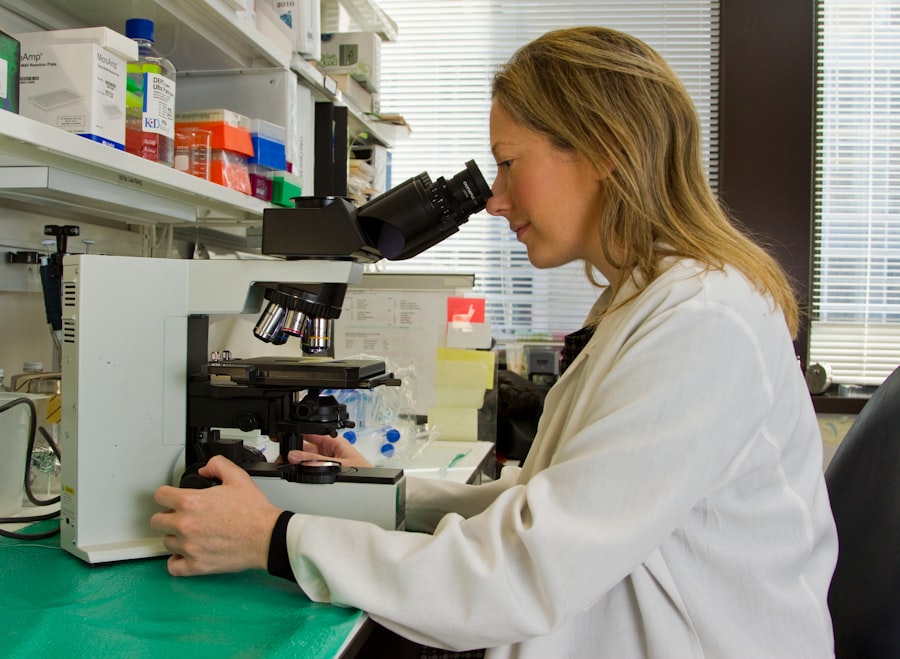
The field of medical research is characterized by rapid advancements and innovations that continually reshape the landscape of healthcare. Recent breakthroughs in genomics and biotechnology have revolutionized our understanding of diseases at the molecular level, leading to personalized medicine approaches that tailor treatments to individual patients based on their genetic profiles. This shift has opened new avenues for research and has significantly improved patient outcomes.
Moreover, advancements in data science and artificial intelligence (AI) are transforming how researchers analyze large datasets and identify patterns that may not be immediately apparent through traditional methods. Machine learning algorithms can process vast amounts of clinical data to predict disease outbreaks or assess treatment efficacy more efficiently than ever before. These technological innovations not only enhance the speed and accuracy of research but also facilitate collaboration across disciplines, allowing researchers to tackle complex health challenges more effectively.
Challenges and Ethical Considerations in Medical Research
While the field of medical research offers numerous opportunities for discovery and innovation, it is not without its challenges and ethical considerations. One significant challenge is securing funding for research projects. Competition for grants from government agencies and private foundations can be intense, often requiring researchers to invest considerable time in proposal writing while facing the uncertainty of funding outcomes.
Ethical considerations also play a critical role in medical research. Researchers must navigate complex ethical dilemmas related to human subjects’ rights, informed consent, and data privacy. Ensuring that studies are conducted ethically requires adherence to strict guidelines established by institutional review boards (IRBs) and regulatory agencies.
Researchers must prioritize participant safety while balancing the pursuit of scientific knowledge with ethical responsibilities.
Tips for Success in a Medical Research Career
For those aspiring to succeed in a medical research career, several strategies can enhance their prospects. First and foremost, gaining practical experience through internships or volunteer opportunities can provide invaluable insights into the research process while helping build a professional network. Engaging with mentors who have established careers in medical research can also offer guidance and support as one navigates their career path.
Additionally, staying current with advancements in the field is essential for success. Subscribing to relevant journals, attending conferences, and participating in workshops can help researchers remain informed about emerging trends and technologies. Finally, developing strong communication skills—both written and verbal—will enable researchers to effectively share their findings with diverse audiences and advocate for their work within the scientific community.
By cultivating these skills and experiences, aspiring medical researchers can position themselves for rewarding careers that contribute significantly to advancing healthcare knowledge and improving patient outcomes.
