
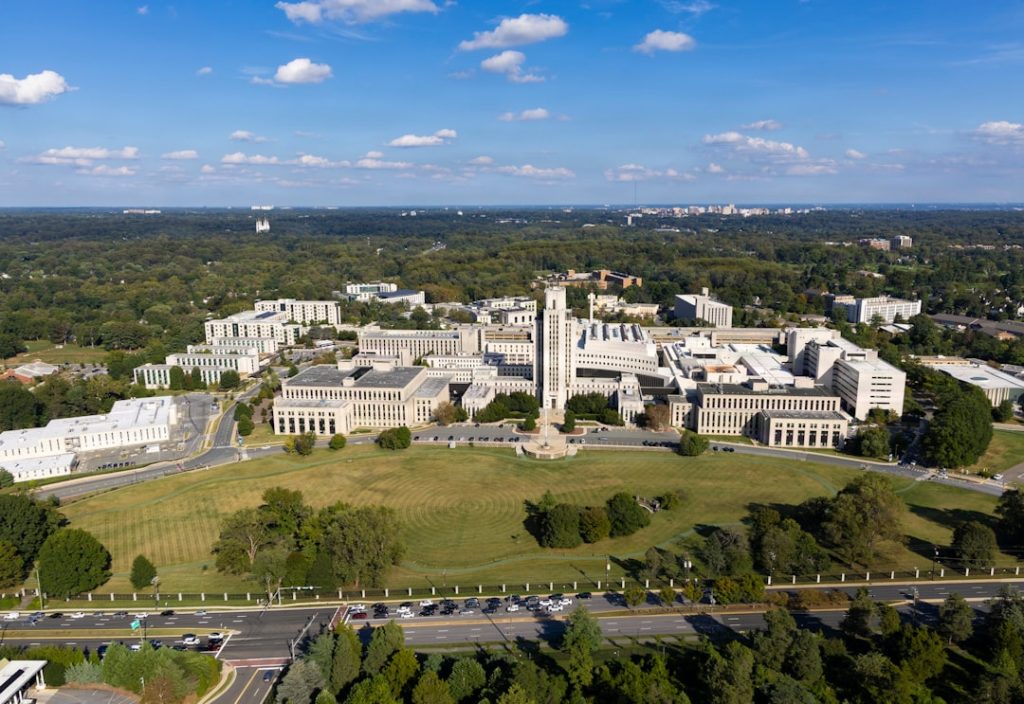
The landscape of modern medicine is continuously evolving, driven by the relentless pursuit of knowledge and innovation. At the forefront of this evolution are medical research facilities, which serve as the crucibles for groundbreaking discoveries and advancements in healthcare. These institutions are not merely buildings filled with laboratories; they are dynamic environments where scientists, clinicians, and researchers collaborate to unravel the complexities of human health and disease.
The mission of a medical research facility extends beyond the confines of academic inquiry; it aims to translate scientific findings into tangible benefits for patients and society at large. Within these facilities, a diverse array of disciplines converges, including molecular biology, pharmacology, bioinformatics, and clinical medicine. This interdisciplinary approach fosters a culture of collaboration that is essential for tackling multifaceted health challenges.

Researchers work tirelessly to explore the underlying mechanisms of diseases, develop novel therapeutic strategies, and improve diagnostic techniques. The synergy created by this collaborative environment not only accelerates the pace of discovery but also enhances the quality of research outcomes, ultimately leading to improved patient care.
Key Takeaways
- The facility utilizes state-of-the-art technology to drive medical research forward.
- Significant breakthroughs have been made in cancer and neurological disorder treatments.
- Innovations in genetic research are paving the way for personalized medicine.
- New discoveries in infectious diseases are improving prevention and treatment strategies.
- Ongoing collaborations aim to enhance patient care and explore future medical advancements.
Cutting-edge Technology and Equipment

The backbone of any medical research facility is its technology and equipment, which are critical for conducting high-quality research. State-of-the-art imaging systems, such as magnetic resonance imaging (MRI) and positron emission tomography (PET), allow researchers to visualize biological processes in real-time, providing invaluable insights into disease progression and treatment efficacy. These imaging modalities have revolutionized the way researchers study complex conditions, enabling them to observe changes at the cellular and molecular levels.
In addition to imaging technologies, advanced genomic sequencing platforms have transformed the field of genetics. Next-generation sequencing (NGS) technologies allow for rapid and cost-effective analysis of entire genomes, facilitating the identification of genetic mutations associated with various diseases. This capability has opened new avenues for personalized medicine, where treatments can be tailored to an individual’s unique genetic makeup.
Furthermore, high-throughput screening technologies enable researchers to test thousands of compounds simultaneously, accelerating the drug discovery process and increasing the likelihood of finding effective therapies.
Breakthroughs in Cancer Research

Cancer research has witnessed remarkable breakthroughs in recent years, largely due to the innovative approaches employed by medical research facilities. One significant advancement is the development of immunotherapy, which harnesses the body’s immune system to target and destroy cancer cells. Researchers have made strides in understanding how tumors evade immune detection and have identified specific checkpoints that can be targeted to enhance immune responses.
For instance, immune checkpoint inhibitors such as pembrolizumab and nivolumab have shown promising results in treating various cancers, including melanoma and lung cancer. Another area of focus has been the exploration of targeted therapies that aim to disrupt specific molecular pathways involved in cancer progression. The identification of oncogenes and tumor suppressor genes has paved the way for the development of drugs that can selectively inhibit cancer cell growth while sparing normal cells.
For example, the introduction of tyrosine kinase inhibitors like imatinib has revolutionized the treatment of chronic myeloid leukemia by specifically targeting the BCR-ABL fusion protein responsible for the disease. These targeted approaches not only improve treatment outcomes but also reduce side effects associated with traditional chemotherapy.
Advancements in Neurological Disorders
Neurological disorders present some of the most challenging problems in medicine, but recent advancements in research have provided new hope for patients suffering from conditions such as Alzheimer’s disease, Parkinson’s disease, and multiple sclerosis. One promising area of research involves the exploration of neuroinflammation and its role in neurodegenerative diseases. Studies have shown that chronic inflammation in the brain can contribute to neuronal damage and cognitive decline.
As a result, researchers are investigating anti-inflammatory agents that may mitigate these effects and slow disease progression. Moreover, advancements in neuroimaging techniques have allowed for earlier diagnosis and better understanding of neurological disorders. Functional MRI (fMRI) and diffusion tensor imaging (DTI) provide insights into brain activity and connectivity patterns that are altered in various conditions.
These imaging modalities enable researchers to identify biomarkers for early detection and monitor disease progression over time. Additionally, breakthroughs in stem cell therapy hold promise for repairing damaged neural tissue and restoring function in patients with spinal cord injuries or neurodegenerative diseases.
Innovations in Genetic Research
| Metric | Value | Unit | Notes |
|---|---|---|---|
| Number of Research Projects | 120 | Projects | Active projects in 2024 |
| Annual Research Funding | 15,000,000 | USD | Grants and donations |
| Number of Researchers | 85 | People | Full-time equivalent staff |
| Published Papers (Last Year) | 230 | Papers | Peer-reviewed journals |
| Clinical Trials Conducted | 35 | Trials | Phase I to III |
| Lab Facilities | 12 | Labs | Specialized research labs |
| Annual Patient Samples Processed | 50,000 | Samples | Blood, tissue, and other samples |
The field of genetic research has experienced a renaissance with the advent of CRISPR-Cas9 technology, which allows for precise editing of DNA sequences. This revolutionary tool has transformed our understanding of genetics by enabling researchers to modify genes with unprecedented accuracy and efficiency. Applications range from correcting genetic mutations responsible for inherited diseases to engineering organisms for agricultural improvements.
The implications for human health are profound, as gene editing holds the potential to eradicate genetic disorders before they manifest. Furthermore, large-scale genomic studies have uncovered a wealth of information about the genetic basis of complex diseases such as diabetes, heart disease, and psychiatric disorders. Genome-wide association studies (GWAS) have identified numerous genetic variants associated with these conditions, providing insights into their etiology and potential therapeutic targets.
The integration of genomic data with clinical information is paving the way for precision medicine, where treatments can be tailored based on an individual’s genetic profile.
Breakthroughs in Infectious Diseases
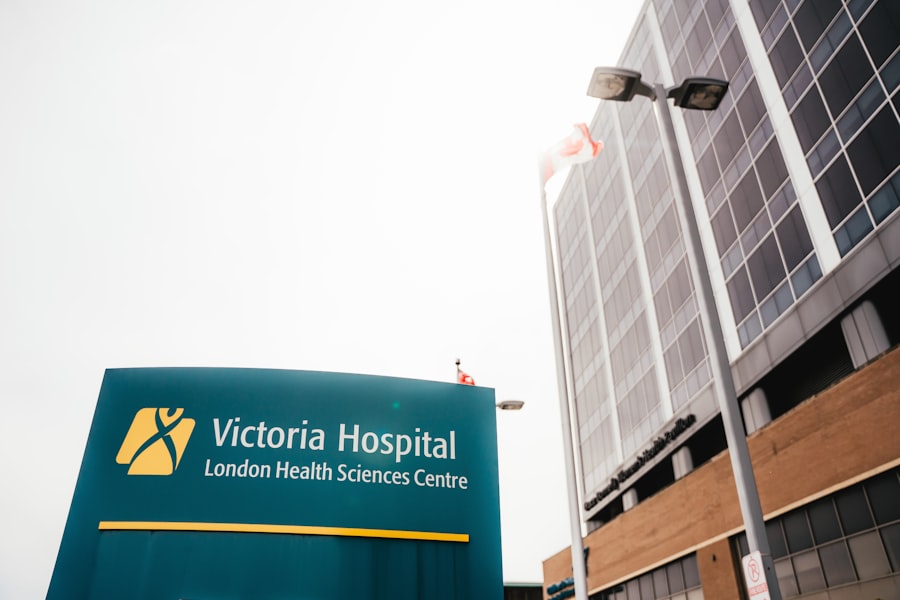
The ongoing battle against infectious diseases has been significantly bolstered by advancements in medical research facilities. The rapid development of vaccines during the COVID-19 pandemic exemplifies how cutting-edge research can respond to global health crises. Utilizing mRNA technology, researchers were able to create effective vaccines in record time, demonstrating the power of innovation in addressing urgent public health needs.
This approach not only provided a solution for COVID-19 but also opened new avenues for vaccine development against other infectious agents. In addition to vaccine development, research into antimicrobial resistance has gained momentum as a critical area of focus. The rise of resistant strains of bacteria poses a significant threat to public health, necessitating innovative strategies to combat these pathogens.
Researchers are exploring novel antibiotics derived from natural sources as well as alternative therapies such as bacteriophage therapy, which utilizes viruses that specifically target bacteria. These efforts aim to restore efficacy against infections that have become increasingly difficult to treat due to resistance.
Impact on Patient Care and Treatment
The advancements made within medical research facilities have profound implications for patient care and treatment outcomes. As new therapies emerge from rigorous research efforts, patients benefit from more effective and targeted treatment options that minimize side effects and improve quality of life. For instance, personalized medicine approaches allow clinicians to tailor treatments based on individual patient characteristics, leading to better responses and reduced trial-and-error prescribing.
Moreover, the integration of technology into patient care has transformed how healthcare is delivered. Telemedicine platforms enable remote consultations, making healthcare more accessible to patients in underserved areas or those with mobility challenges. Wearable devices that monitor vital signs and health metrics empower patients to take an active role in managing their health conditions.
These innovations not only enhance patient engagement but also facilitate timely interventions that can prevent complications.
Future Directions and Collaborations
Looking ahead, the future of medical research facilities is poised for even greater advancements through collaborative efforts across disciplines and institutions. Interdisciplinary collaborations that bring together experts from diverse fields—such as artificial intelligence, bioengineering, and public health—will be essential for addressing complex health challenges that transcend traditional boundaries. For example, leveraging machine learning algorithms can enhance data analysis in genomics and improve predictive modeling for disease outbreaks.
Furthermore, global collaborations will play a crucial role in tackling health disparities and ensuring equitable access to healthcare innovations. Initiatives that promote knowledge sharing between developed and developing countries can facilitate capacity building and foster local research initiatives tailored to specific health needs. By working together across borders, researchers can accelerate progress toward solving pressing global health issues while ensuring that advancements benefit all populations.
In conclusion, medical research facilities stand as pillars of innovation within the healthcare landscape. Through cutting-edge technology, groundbreaking discoveries in various fields, and a commitment to improving patient care, these institutions are shaping the future of medicine. As they continue to evolve through collaboration and interdisciplinary approaches, they hold the promise of transforming healthcare delivery and enhancing the well-being of individuals worldwide.
