
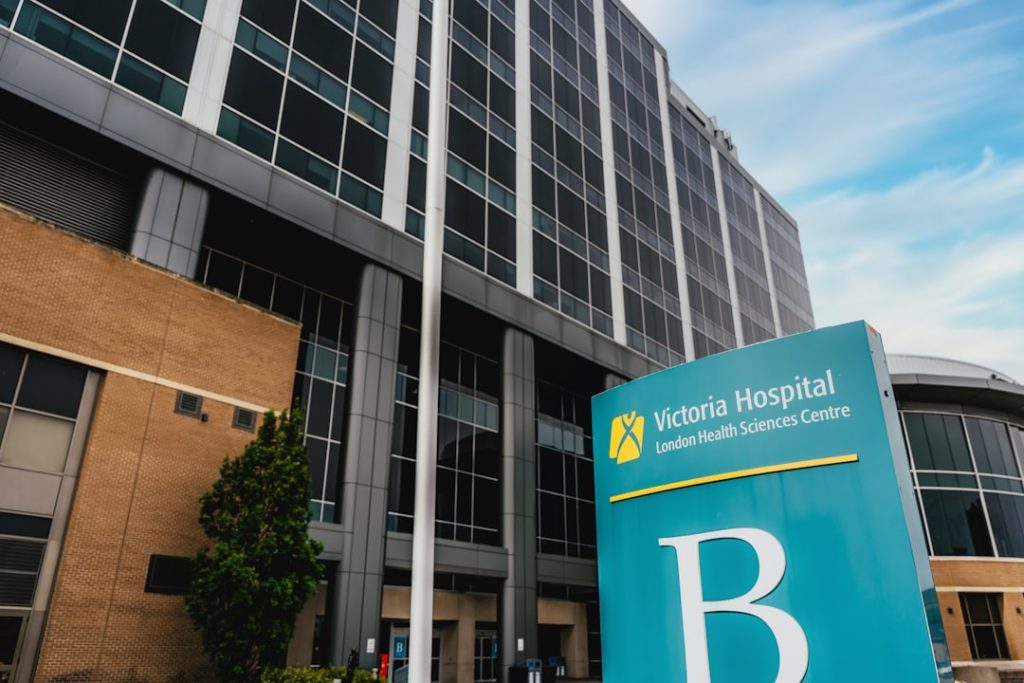
The landscape of medical research is undergoing a transformative shift, driven by the need for innovation and efficiency in the quest for new treatments and therapies. At the forefront of this evolution is the state-of-the-art medical research building, a facility designed not only to house advanced research but also to foster collaboration among scientists, clinicians, and students. These buildings are meticulously designed to support a wide array of research activities, from basic science to clinical trials, and they serve as a hub for groundbreaking discoveries that can significantly impact patient care.
The architectural design of these facilities reflects a commitment to both functionality and inspiration. With open layouts that encourage interaction and communication, these buildings are often equipped with flexible laboratory spaces that can be adapted to various research needs. The integration of natural light and green spaces within the architecture not only enhances the working environment but also promotes well-being among researchers.

As the demand for innovative medical solutions continues to grow, these state-of-the-art buildings are becoming essential components in the infrastructure of modern healthcare research.
Key Takeaways
- The building features state-of-the-art technology and collaborative spaces to enhance medical research.
- Sustainable design minimizes environmental impact while supporting advanced scientific work.
- Integrated data systems streamline research and improve information sharing.
- Advanced safety and security measures protect both personnel and sensitive data.
- Dedicated training facilities foster education and accelerate medical breakthroughs.
Cutting-Edge Technology and Equipment

At the heart of any state-of-the-art medical research building lies an array of cutting-edge technology and equipment that enables researchers to push the boundaries of scientific knowledge. Advanced imaging technologies, such as MRI and PET scans, allow for non-invasive exploration of biological processes, providing invaluable insights into disease mechanisms. High-throughput screening systems facilitate the rapid testing of thousands of compounds for potential therapeutic effects, significantly accelerating the drug discovery process.
Moreover, the incorporation of artificial intelligence (AI) and machine learning algorithms into research workflows is revolutionizing data analysis. These technologies can sift through vast datasets to identify patterns and correlations that would be impossible for human researchers to discern. For instance, AI-driven platforms are being used to analyze genomic data, leading to personalized medicine approaches that tailor treatments based on an individual’s genetic makeup.
The presence of such advanced tools within medical research buildings not only enhances the quality of research but also positions institutions at the cutting edge of scientific advancement.
Collaborative Research Spaces
Collaboration is a cornerstone of modern medical research, and state-of-the-art medical research buildings are designed with this principle in mind. Open-concept laboratories and shared workspaces encourage interdisciplinary collaboration among researchers from diverse fields such as biology, chemistry, engineering, and computer science. This integration fosters a culture of innovation where ideas can be exchanged freely, leading to novel approaches in tackling complex medical challenges.
In addition to physical spaces, these buildings often incorporate digital collaboration tools that facilitate communication among researchers, regardless of their location. Virtual meeting rooms equipped with high-definition video conferencing technology allow teams to connect with experts around the globe, expanding the reach of their research efforts. By breaking down traditional silos within academia and industry, these collaborative environments are instrumental in accelerating the pace of discovery and translating research findings into clinical applications.
Sustainable Design and Environmental Impact
As awareness of environmental issues grows, state-of-the-art medical research buildings are increasingly designed with sustainability in mind. These facilities often incorporate green building practices that minimize their ecological footprint while maximizing energy efficiency. Features such as solar panels, rainwater harvesting systems, and energy-efficient HVAC systems contribute to reduced energy consumption and lower operational costs.
The use of sustainable materials in construction further enhances the environmental responsibility of these buildings. For example, recycled materials may be utilized in flooring and insulation, while low-VOC (volatile organic compounds) paints improve indoor air quality. Additionally, many modern research facilities are designed to promote biodiversity by incorporating green roofs or living walls that support local flora and fauna.
By prioritizing sustainability, these buildings not only serve as models for responsible construction but also inspire future generations of researchers to consider the environmental impact of their work.
Advanced Safety and Security Measures
| Metric | Value | Unit | Description |
|---|---|---|---|
| Total Floor Area | 25,000 | square meters | Overall usable floor space in the building |
| Number of Laboratories | 40 | labs | Count of specialized research labs |
| Annual Research Output | 120 | publications | Number of peer-reviewed papers published yearly |
| Research Staff | 150 | persons | Number of researchers and scientists employed |
| Funding Received | 15 | million | Annual research funding in millions |
| Energy Consumption | 500 | MWh/year | Annual energy usage of the building |
| Building Height | 8 | floors | Number of floors in the building |
| Safety Compliance | 100% | percent | Compliance with medical research safety standards |
In a world where data breaches and safety concerns are increasingly prevalent, state-of-the-art medical research buildings are equipped with advanced safety and security measures to protect both personnel and sensitive information. Access control systems utilizing biometric authentication ensure that only authorized individuals can enter restricted areas, safeguarding valuable research materials and data. Moreover, these facilities often feature state-of-the-art laboratory safety equipment, including fume hoods, biosafety cabinets, and emergency response systems.
Regular safety training sessions are conducted to ensure that all personnel are well-versed in emergency protocols and best practices for handling hazardous materials. The emphasis on safety extends beyond physical security; cybersecurity measures are also paramount in protecting sensitive patient data and proprietary research findings from cyber threats.
Integration of Data and Information Systems
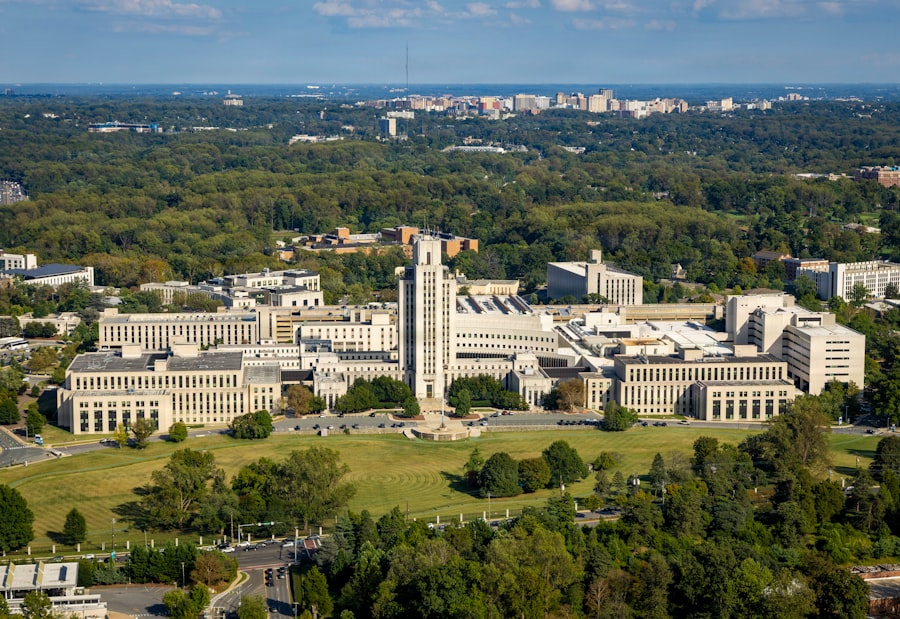
The integration of data and information systems within state-of-the-art medical research buildings is crucial for enhancing research efficiency and collaboration. Advanced laboratory information management systems (LIMS) streamline data collection and analysis processes, allowing researchers to focus on their scientific inquiries rather than administrative tasks. These systems facilitate real-time data sharing among team members, ensuring that everyone has access to the most current information.
Furthermore, electronic health records (EHR) systems play a vital role in bridging the gap between research and clinical practice. By integrating EHRs with research databases, researchers can access patient data that is essential for understanding disease progression and treatment outcomes. This integration not only accelerates the translation of research findings into clinical applications but also enhances the ability to conduct longitudinal studies that track patient health over time.
Training and Education Facilities
State-of-the-art medical research buildings often include dedicated training and education facilities designed to cultivate the next generation of researchers and healthcare professionals. These spaces may feature lecture halls equipped with advanced audiovisual technology for presentations and seminars, as well as hands-on training laboratories where students can gain practical experience with cutting-edge equipment. In addition to formal education programs, many institutions offer workshops, seminars, and mentorship opportunities within these facilities.
This commitment to education ensures that researchers are not only well-versed in current methodologies but also prepared to adapt to emerging technologies and trends in medical research. By fostering a culture of continuous learning, these buildings contribute significantly to the development of skilled professionals who will drive future innovations in healthcare.
Impact on Medical Breakthroughs and Patient Care
The establishment of state-of-the-art medical research buildings has profound implications for medical breakthroughs and patient care. By providing researchers with access to advanced technology, collaborative spaces, and comprehensive training facilities, these buildings create an environment conducive to innovation. The accelerated pace of discovery facilitated by such infrastructure has led to significant advancements in areas such as genomics, immunotherapy, and regenerative medicine.
For instance, breakthroughs in cancer treatment have been made possible through collaborative efforts within these facilities, where oncologists work alongside molecular biologists to develop targeted therapies that improve patient outcomes. Additionally, the integration of real-time data analysis allows for more personalized treatment plans tailored to individual patients’ needs. As a result, patients benefit from more effective therapies that are informed by the latest scientific discoveries.
In summary, state-of-the-art medical research buildings represent a critical investment in the future of healthcare. By fostering collaboration, integrating advanced technology, prioritizing sustainability, ensuring safety, and enhancing education, these facilities play an essential role in driving medical innovation and improving patient care outcomes across the globe.
