
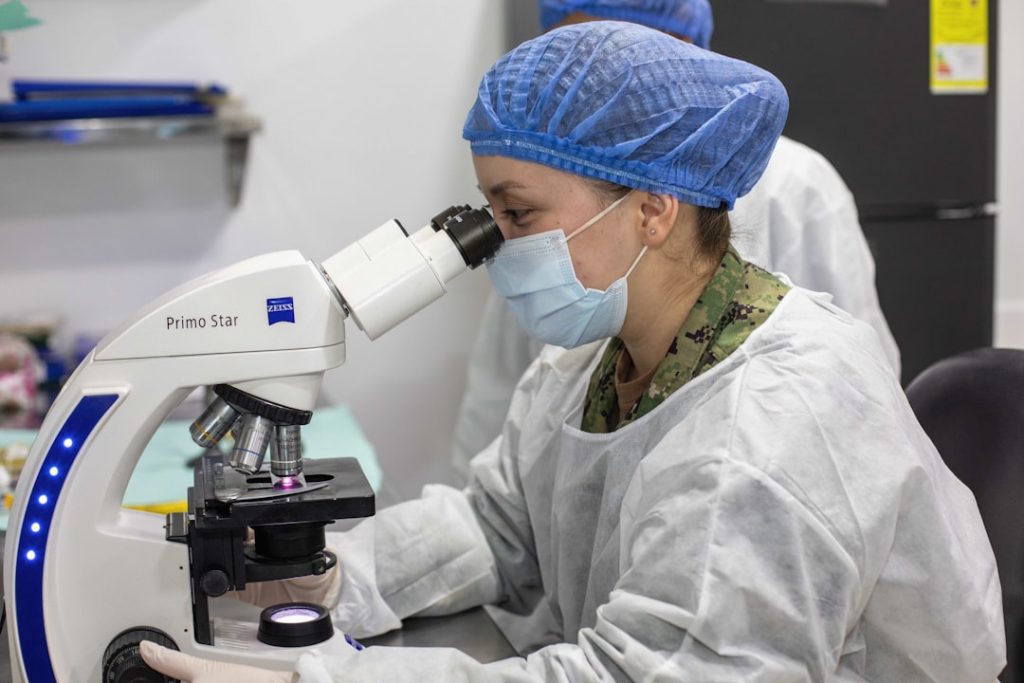
Biomedical research careers focus on scientific investigation that connects laboratory findings with medical practice. These positions span multiple scientific disciplines, including molecular biology, pharmacology, genetics, and bioinformatics, with the primary objective of advancing knowledge about human health and disease mechanisms. The increasing prevalence of global health challenges has created sustained demand for qualified biomedical research professionals.
This field enables direct contribution to scientific breakthroughs while supporting the development of novel therapeutic approaches and enhanced patient care. Biomedical research operates across diverse institutional settings, including universities, pharmaceutical corporations, biotechnology companies, and government research facilities. Research teams typically include professionals from multiple disciplines, with biomedical researchers collaborating alongside physicians, bioengineers, statisticians, and computational scientists.

This cross-disciplinary collaboration is necessary for addressing complex medical challenges and translating research findings into clinical applications. The field requires strong analytical skills, technical expertise in laboratory methods, and the ability to work effectively within multidisciplinary teams to advance scientific understanding and medical innovation.
Key Takeaways
- Biomedical research careers require strong educational backgrounds, typically in biology or related fields.
- Key skills include analytical thinking, attention to detail, and effective communication.
- There are diverse areas within biomedical research, such as genetics, pharmacology, and clinical research.
- Career paths offer various job opportunities in academia, industry, and healthcare settings.
- Ongoing professional development is essential to stay current with advancements and overcome challenges in the field.
Educational Requirements for Biomedical Research Careers

Pursuing a career in biomedical research typically begins with a solid educational foundation. Most positions require at least a bachelor’s degree in a relevant field such as biology, chemistry, or biochemistry. Undergraduate programs often include coursework in genetics, microbiology, and organic chemistry, providing students with the essential knowledge needed to understand biological systems.
Many aspiring researchers also gain practical experience through internships or laboratory assistant positions during their undergraduate studies, which can significantly enhance their understanding of research methodologies and laboratory techniques. For those seeking advanced positions in biomedical research, obtaining a master’s or doctoral degree is often necessary. A master’s degree can provide specialized training in areas such as epidemiology or clinical research, while a Ph.D.
is typically required for independent research roles or academic positions. Doctoral programs emphasize original research, culminating in a dissertation that contributes new knowledge to the field. Additionally, postdoctoral fellowships are common for Ph.D.
graduates, allowing them to further refine their skills and expand their research portfolios before entering the job market.
Skills and Qualities Needed for Biomedical Research Careers
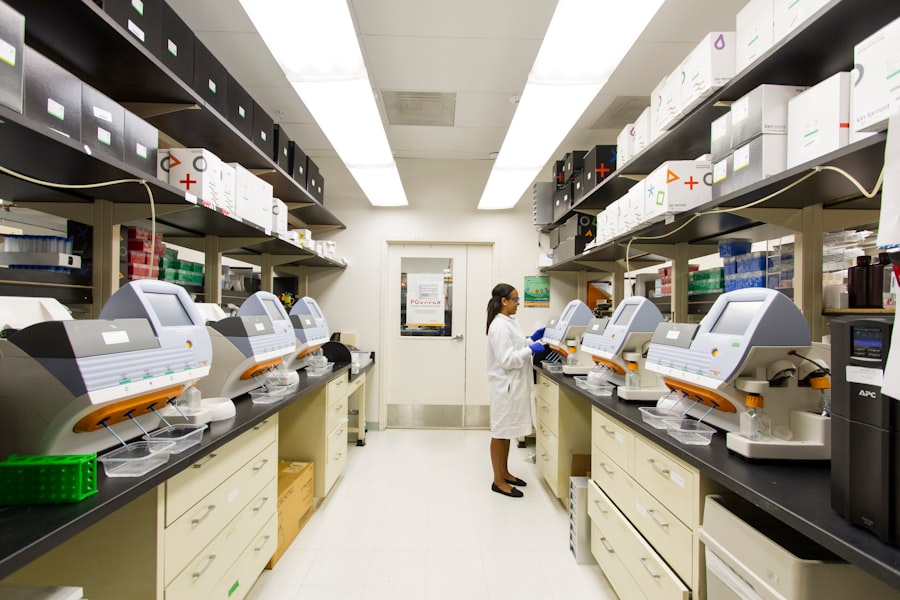
Success in biomedical research requires a unique blend of technical skills and personal qualities. Proficiency in laboratory techniques such as PCR (polymerase chain reaction), cell culture, and statistical analysis is essential for conducting experiments and interpreting data accurately. Familiarity with advanced technologies like CRISPR gene editing or next-generation sequencing can also be advantageous, as these tools are increasingly utilized in cutting-edge research.
Moreover, researchers must be adept at using software for data analysis and visualization, as bioinformatics plays an integral role in modern biomedical studies. Beyond technical expertise, certain personal attributes are crucial for thriving in this field. Critical thinking and problem-solving skills enable researchers to design experiments effectively and troubleshoot issues that arise during the research process.
Attention to detail is paramount; even minor errors can lead to significant discrepancies in results. Additionally, strong communication skills are essential for conveying complex scientific concepts to diverse audiences, including peers, funding agencies, and the general public. Collaboration is another key aspect of biomedical research; thus, being a team player who can work harmoniously with others is vital for success.
Different Areas of Biomedical Research Careers
Biomedical research encompasses a wide array of specialties, each focusing on different aspects of health and disease. One prominent area is translational medicine, which aims to bridge the gap between laboratory findings and clinical applications. Researchers in this field work on developing new therapies based on scientific discoveries, often collaborating closely with clinicians to ensure that their findings can be effectively translated into patient care.
Another significant area is pharmacology, where scientists study the effects of drugs on biological systems. This includes drug discovery and development processes, where researchers identify potential therapeutic compounds and evaluate their efficacy and safety through preclinical and clinical trials. Additionally, fields such as immunology focus on understanding the immune system’s role in health and disease, leading to advancements in vaccine development and treatments for autoimmune disorders.
Genetics is also a rapidly evolving area within biomedical research. With the advent of genomic technologies, researchers can explore the genetic basis of diseases at an unprecedented scale. This has led to significant breakthroughs in personalized medicine, where treatments are tailored based on an individual’s genetic makeup.
Other areas include neurobiology, which investigates the complexities of the nervous system and its disorders, and epidemiology, which studies disease patterns within populations to inform public health strategies.
Job Opportunities and Career Paths in Biomedical Research
| Job Title | Average Salary (Annual) | Education Required | Job Growth Rate (2020-2030) | Key Skills | Typical Employers |
|---|---|---|---|---|---|
| Biomedical Research Scientist | 95,000 | PhD in Biomedical Sciences | 8% | Data Analysis, Lab Techniques, Critical Thinking | Universities, Pharmaceutical Companies, Research Institutes |
| Clinical Research Coordinator | 60,000 | Bachelor’s in Life Sciences | 11% | Project Management, Regulatory Knowledge, Communication | Hospitals, CROs, Medical Centers |
| Biomedical Engineer | 88,000 | Bachelor’s in Biomedical Engineering | 7% | Engineering, Problem Solving, Software Skills | Medical Device Companies, Research Labs, Hospitals |
| Regulatory Affairs Specialist | 75,000 | Bachelor’s in Life Sciences or related | 9% | Regulatory Compliance, Documentation, Attention to Detail | Pharmaceutical Companies, Medical Device Firms |
| Lab Technician | 45,000 | Associate Degree or Bachelor’s | 5% | Lab Equipment, Sample Preparation, Data Recording | Research Labs, Hospitals, Universities |
The job market for biomedical researchers is diverse and expanding, offering numerous career paths across various sectors. Academic institutions remain a primary employer for many researchers, providing opportunities for faculty positions that involve teaching, mentoring students, and conducting independent research. In academia, researchers often secure funding through grants to support their work, which can lead to significant contributions to scientific knowledge.
Pharmaceutical and biotechnology companies also offer lucrative career opportunities for biomedical researchers. In these settings, professionals may work on drug development teams or engage in clinical trials to assess new therapies’ safety and efficacy. Regulatory agencies such as the Food and Drug Administration (FDA) employ researchers to ensure that new drugs meet safety standards before they reach the market.
Additionally, non-profit organizations and research institutes provide avenues for researchers focused on specific diseases or public health issues. Emerging fields such as data science and bioinformatics are creating new roles within biomedical research as well. Researchers with expertise in computational biology can analyze large datasets generated by genomic studies or clinical trials, providing insights that drive further research directions.
The integration of artificial intelligence into biomedical research is also opening up innovative career paths that combine traditional laboratory skills with advanced computational techniques.
Challenges and Rewards of Biomedical Research Careers
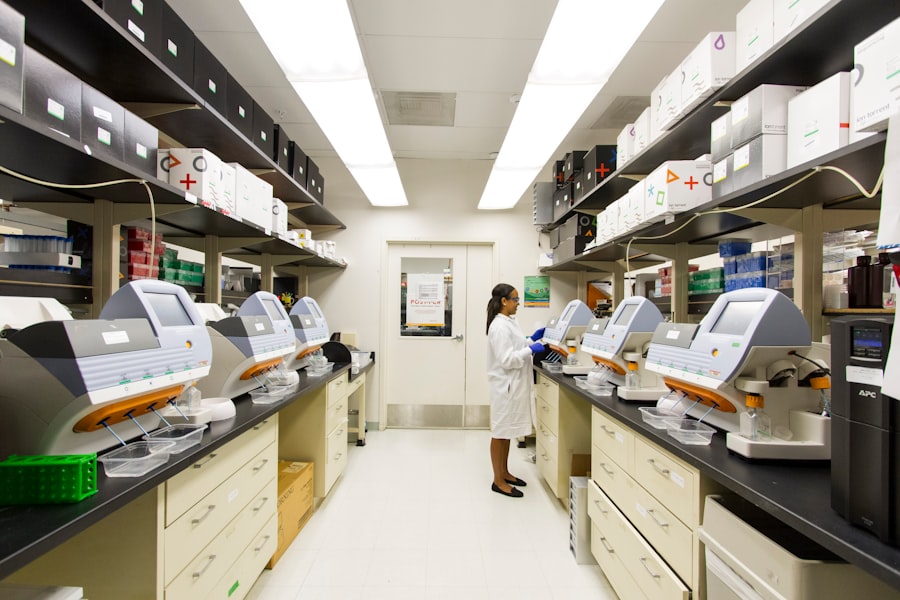
While a career in biomedical research can be incredibly rewarding, it is not without its challenges. One significant hurdle is securing funding for research projects. Competition for grants is fierce, with many talented researchers vying for limited resources.
This pressure can lead to stress and uncertainty regarding job security, particularly for early-career scientists who may struggle to establish themselves in a competitive landscape. Additionally, the nature of scientific inquiry means that not all experiments yield positive results; setbacks are common in research endeavors. Researchers must develop resilience and adaptability to navigate these challenges while maintaining motivation and enthusiasm for their work.
The long timelines associated with translating basic research into clinical applications can also be frustrating; it may take years or even decades before findings lead to tangible benefits for patients. Despite these challenges, the rewards of a career in biomedical research are substantial. Contributing to advancements in medical science that improve patient care can be profoundly fulfilling.
Researchers often find satisfaction in solving complex problems and uncovering new knowledge that has the potential to change lives. The collaborative nature of the field fosters a sense of community among scientists who share a common goal: advancing human health through rigorous inquiry.
Professional Development and Continuing Education in Biomedical Research Careers
In the rapidly evolving field of biomedical research, ongoing professional development is essential for staying current with new technologies and methodologies. Many researchers pursue additional training through workshops, conferences, or online courses that focus on emerging trends such as gene editing techniques or advanced statistical methods. These opportunities not only enhance technical skills but also facilitate networking with other professionals in the field.
Professional organizations play a vital role in supporting researchers’ continuing education efforts. Membership in organizations such as the American Association for the Advancement of Science (AAAS) or the American Society for Microbiology (ASM) provides access to resources like journals, webinars, and conferences that keep members informed about the latest developments in their areas of interest. Additionally, these organizations often offer mentorship programs that connect early-career researchers with experienced professionals who can provide guidance on navigating their careers.
Furthermore, many institutions encourage researchers to engage in interdisciplinary collaborations that broaden their skill sets beyond their primary area of expertise. For instance, a researcher specializing in molecular biology might collaborate with bioinformaticians to analyze large datasets generated from genomic studies. Such collaborations not only enhance individual skill sets but also foster innovation by integrating diverse perspectives into research projects.
Exploring the Future of Biomedical Research Careers
As we look toward the future of biomedical research careers, it is clear that this field will continue to evolve alongside advancements in technology and our understanding of human health. The integration of artificial intelligence into research processes promises to revolutionize data analysis and accelerate discoveries across various domains within biomedical science. Moreover, as global health challenges such as pandemics and chronic diseases persist, the need for skilled professionals who can address these issues will only increase.
The future landscape will likely see an even greater emphasis on interdisciplinary collaboration as researchers from diverse backgrounds come together to tackle complex health problems. This collaborative spirit will be essential for fostering innovation and translating scientific discoveries into effective treatments that benefit society at large. For those considering a career in biomedical research, the path ahead is filled with opportunities to make meaningful contributions to science and improve human health on a global scale.
