
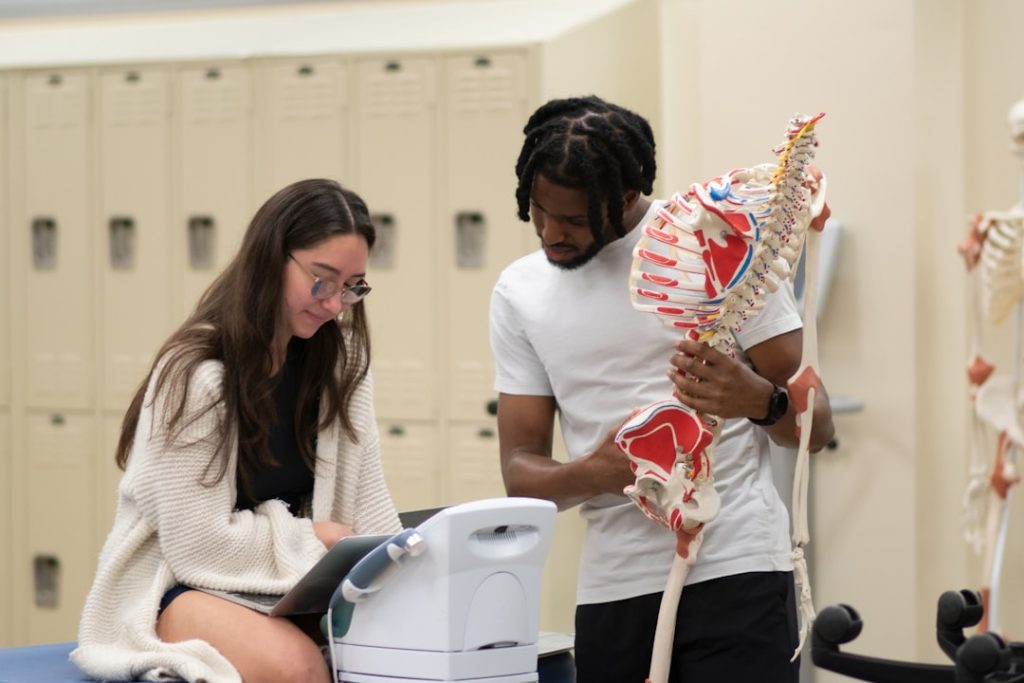
Summer medical research programs have become an essential element of medical education, offering students hands-on research experiences that enhance their academic training. These programs are typically conducted during summer months, allowing students to focus entirely on research projects without academic distractions. Their importance extends beyond skill development to providing valuable insights into medical research, which has become fundamental to contemporary medicine.
Medical education is increasingly emphasizing evidence-based practice and research integration in clinical environments. Summer research programs effectively connect theoretical knowledge with practical application, allowing students to explore specific medical interests. Participation in these programs develops critical thinking abilities, deepens understanding of scientific methods, and enables students to contribute to ongoing research that may advance healthcare practices.
Key Takeaways
- Summer medical research programs offer valuable hands-on experience for medical students.
- Participating in these programs can enhance research skills and strengthen medical school applications.
- Top programs in the U.S. provide diverse opportunities across various medical specialties.
- Application processes typically require academic transcripts, letters of recommendation, and personal statements.
- Maximizing the experience involves active engagement, networking, and applying learned skills to future career goals.

Benefits of Participating in Summer Medical Research Programs
Engaging in summer medical research programs offers a multitude of benefits that extend beyond mere academic enrichment. One of the most significant advantages is the opportunity for students to work closely with experienced researchers and faculty members. This mentorship can provide invaluable guidance, helping students navigate the complexities of research design, data analysis, and interpretation.

Such relationships often foster a collaborative environment where students can ask questions, seek advice, and gain insights that are not typically available in a traditional classroom setting. Moreover, participation in these programs can enhance a student’s resume and make them more competitive when applying for residency positions or other advanced training opportunities. Research experience is highly regarded in the medical field, as it demonstrates a commitment to advancing medical knowledge and a willingness to engage in lifelong learning.
Students who can showcase their contributions to meaningful research projects are often viewed favorably by admissions committees, as they have already demonstrated their ability to think critically and work collaboratively in a scientific context.
Top Summer Medical Research Programs for Med Students in the United States

Several prestigious summer medical research programs across the United States cater specifically to medical students seeking to deepen their research experience. One notable program is the National Institutes of Health (NIH) Summer Internship Program in Biomedical Research. This program offers students the chance to work alongside leading scientists at one of the world’s foremost biomedical research institutions.
Participants engage in cutting-edge research across various fields, including cancer biology, genetics, and neuroscience, while also attending seminars and workshops designed to enhance their understanding of the scientific process. Another exemplary program is the Summer Research Program at the University of California, San Francisco (UCSF). This program is tailored for medical students interested in pursuing careers in academic medicine or research.
Participants are paired with faculty mentors who guide them through a specific research project, culminating in a presentation of their findings at the end of the summer. The UCSF program emphasizes interdisciplinary collaboration, allowing students to work alongside peers from diverse backgrounds and fields of study. Additionally, the Harvard Medical School Summer Research Program provides an immersive experience for students interested in exploring various aspects of biomedical research.
This program not only offers hands-on research opportunities but also includes workshops on topics such as grant writing and scientific communication. Participants benefit from Harvard’s extensive network of resources and expertise, positioning them well for future academic endeavors.
Application Process and Requirements for Summer Medical Research Programs
The application process for summer medical research programs can vary significantly depending on the institution and specific program. Generally, prospective participants are required to submit an application that includes a personal statement outlining their research interests and career goals. This statement is crucial as it allows applicants to convey their passion for research and articulate how the program aligns with their aspirations.
In addition to the personal statement, many programs require letters of recommendation from faculty members or mentors who can speak to the applicant’s academic abilities and potential for success in a research setting. Some programs may also request transcripts or standardized test scores as part of the application package. It is essential for applicants to pay close attention to deadlines and specific requirements outlined by each program, as these can differ widely.
Once applications are submitted, many programs conduct interviews with shortlisted candidates. This interview process provides an opportunity for applicants to discuss their interests further and demonstrate their enthusiasm for participating in the program. Successful candidates are typically notified several months before the start of the program, allowing them ample time to prepare for their summer experience.
Testimonials from Previous Participants of Summer Medical Research Programs
| Program Name | Institution | Duration | Application Deadline | Research Focus | Stipend | Eligibility |
|---|---|---|---|---|---|---|
| Summer Medical Research Program | Johns Hopkins University | 8 weeks | February 15 | Biomedical Sciences | 3000 | Medical Students (1st-3rd year) |
| Clinical Research Internship | Massachusetts General Hospital | 10 weeks | March 1 | Clinical Trials and Epidemiology | 3500 | Medical Students (all years) |
| Summer Research Fellowship | University of California, San Francisco | 8 weeks | February 28 | Neuroscience and Genetics | 3200 | Medical Students (1st-2nd year) |
| Medical Student Research Program | Mayo Clinic | 12 weeks | January 31 | Translational Medicine | 4000 | Medical Students (all years) |
| Summer Research Experience | University of Pennsylvania | 8 weeks | March 15 | Immunology and Infectious Diseases | 3100 | Medical Students (1st-3rd year) |
The experiences of previous participants can provide valuable insights into the impact of summer medical research programs on personal and professional development. Many former participants emphasize how these programs have shaped their understanding of medicine and research. For instance, one student who participated in a summer program at a leading academic institution noted that working on a project related to infectious diseases not only deepened their knowledge but also ignited a passion for public health that influenced their career trajectory.
Another participant highlighted the importance of mentorship during their summer experience. They described how their faculty mentor provided guidance not only on their research project but also on navigating the complexities of medical school and future career options. This relationship proved instrumental in helping them secure a competitive residency position later on, underscoring the long-term benefits of engaging with experienced professionals during formative years.
Additionally, testimonials often reflect on the collaborative nature of these programs. Many students recount forming lasting friendships with peers who shared similar interests and aspirations. These connections can lead to future collaborations or even lifelong professional relationships, further enriching their careers in medicine.
Tips for Making the Most of a Summer Medical Research Program Experience

To maximize the benefits of participating in a summer medical research program, students should approach their experience with intentionality and enthusiasm. One key tip is to actively engage with mentors and peers throughout the program. Building strong relationships with faculty members can lead to valuable networking opportunities and potential collaborations beyond the summer experience.
Students should not hesitate to ask questions or seek feedback on their work; this proactive approach can significantly enhance their learning experience. Another important aspect is setting clear goals for what one hopes to achieve during the program. Whether it’s mastering specific laboratory techniques, gaining proficiency in data analysis software, or developing presentation skills, having defined objectives can help students stay focused and motivated throughout their time in the program.
Regularly reflecting on progress toward these goals can also provide a sense of accomplishment and direction. Additionally, students should take advantage of any workshops or seminars offered as part of the program. These sessions often cover essential topics such as scientific writing, grant applications, or ethical considerations in research.
Engaging fully in these opportunities can provide critical skills that will be beneficial throughout one’s medical career.
How Summer Medical Research Programs Can Enhance a Medical Student’s Career
Participating in summer medical research programs can have profound implications for a medical student’s career trajectory. One significant advantage is that these experiences often lead to publications or presentations at conferences, which are highly regarded by residency programs and academic institutions. Having one’s name associated with published research not only enhances a student’s CV but also demonstrates a commitment to contributing to the body of medical knowledge.
Furthermore, engaging in research during medical school can help students identify specific areas of interest within medicine that they may wish to pursue further. For example, a student who participates in cancer research may discover a passion for oncology that influences their choice of specialty during residency applications. This clarity can be invaluable when making decisions about future career paths.
Moreover, summer medical research programs often cultivate essential skills such as critical thinking, problem-solving, and effective communication—skills that are crucial for success in any medical field. The ability to analyze data critically and communicate findings clearly is increasingly important as medicine becomes more data-driven. Students who have honed these skills through research are often better equipped to navigate complex clinical scenarios and contribute meaningfully to patient care.
Conclusion and Next Steps for Interested Medical Students
For medical students considering participation in summer medical research programs, taking proactive steps is essential to ensure a successful experience. First and foremost, students should begin researching available programs early in their academic careers to identify those that align with their interests and goals. Networking with faculty members or peers who have previously participated can provide valuable insights into specific programs and application strategies.
Once students have identified potential programs, they should focus on crafting compelling applications that highlight their passion for research and relevant experiences. Seeking feedback from mentors on personal statements or application materials can enhance the quality of submissions significantly. Finally, once accepted into a program, students should approach their summer experience with an open mind and a willingness to learn.
Embracing challenges and actively seeking out opportunities for growth will not only enrich their understanding of medicine but also lay a strong foundation for future success in their careers. Engaging fully with mentors, peers, and the broader scientific community will ensure that students make the most out of this transformative experience.
