

Cancer treatment has experienced significant changes in recent years due to advances in research and technology. Conventional treatments including chemotherapy and radiation therapy demonstrate effectiveness in certain patient populations but are associated with substantial adverse effects and therapeutic limitations. Expanding knowledge of cancer biology has led to the development of new treatment approaches designed to improve therapeutic outcomes while reducing patient harm.
These developments are modifying current cancer treatment protocols and providing new options for patients globally. Key advances include immunotherapy, targeted therapy, precision medicine, CAR-T cell therapy, radiopharmaceuticals, and improved surgical methods. These approaches represent fundamental changes in cancer treatment methodology.

Current research focuses on utilizing immune system mechanisms, customizing treatments based on individual genetic characteristics, and implementing advanced technologies to develop more effective and personalized cancer treatments. This analysis examines these treatment modalities, their biological mechanisms, clinical applications, and their potential impact on future oncology practice.
Key Takeaways
- Immunotherapy and CAR-T cell therapy represent cutting-edge approaches that utilize the immune system to combat cancer.
- Targeted therapy and precision medicine enable personalized treatment plans based on specific cancer types and genetic information.
- Radiopharmaceuticals offer innovative options by using radioactive drugs to directly target cancer cells.
- Advances in surgical techniques have improved the precision and outcomes of cancer surgeries.
- Ongoing research and clinical trials continue to drive promising developments for the future of cancer treatment.
Immunotherapy: Harnessing the Power of the Immune System

Immunotherapy has emerged as a revolutionary approach in the fight against cancer, fundamentally altering the way oncologists treat various malignancies. This treatment modality works by stimulating the body’s immune system to recognize and attack cancer cells more effectively. Unlike traditional therapies that directly target tumor cells, immunotherapy enhances the natural immune response, allowing it to identify and eliminate cancerous cells that may have evaded detection.
One of the most notable examples of immunotherapy is the use of checkpoint inhibitors, which block proteins that inhibit immune responses. Drugs such as pembrolizumab (Keytruda) and nivolumab (Opdivo) have shown remarkable success in treating melanoma, lung cancer, and other malignancies by releasing the “brakes” on T-cells, enabling them to mount a robust attack against tumors. Clinical trials have demonstrated that patients receiving these therapies often experience durable responses, with some achieving long-term remission.
The success of immunotherapy has not only expanded treatment options but has also led to a paradigm shift in how oncologists view cancer as a disease that can be fought using the body’s own defenses.
Targeted Therapy: Personalized Treatment for Specific Cancer Types
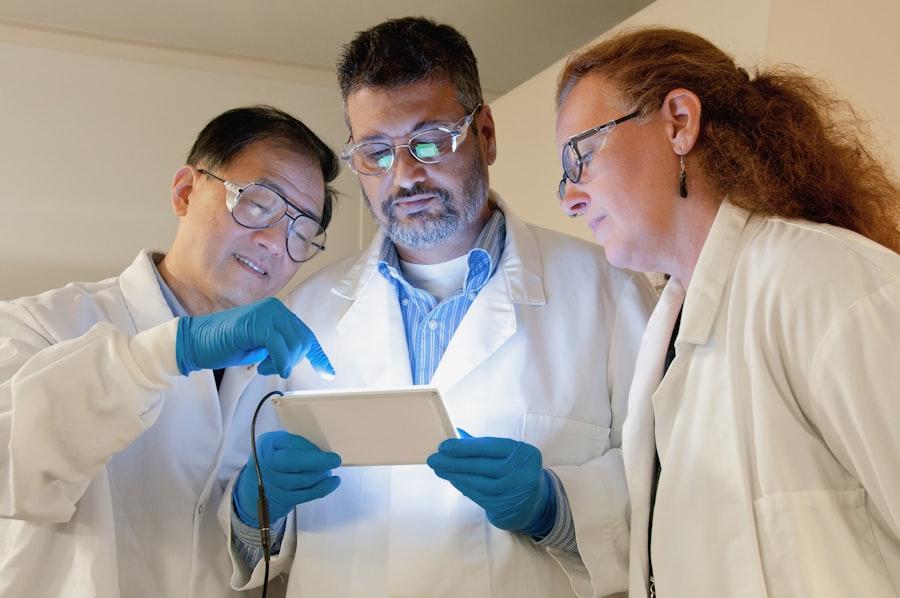
Targeted therapy represents another significant advancement in cancer treatment, focusing on specific molecular targets associated with cancer. Unlike conventional chemotherapy that indiscriminately affects rapidly dividing cells, targeted therapies are designed to interfere with specific pathways that contribute to tumor growth and survival. This precision allows for a more tailored approach to treatment, often resulting in fewer side effects and improved outcomes.
One prominent example of targeted therapy is the use of tyrosine kinase inhibitors (TKIs) in treating chronic myeloid leukemia (CML). Imatinib (Gleevec), the first TKI approved for clinical use, specifically targets the BCR-ABL fusion protein that drives CML. Patients treated with imatinib have shown remarkable responses, with many achieving complete cytogenetic remission.
Similarly, targeted therapies have been developed for other cancers, such as trastuzumab (Herceptin) for HER2-positive breast cancer and osimertinib (Tagrisso) for EGFR-mutant non-small cell lung cancer. These therapies exemplify how understanding the genetic and molecular underpinnings of cancer can lead to more effective and personalized treatment strategies.
Precision Medicine: Using Genetic Information to Tailor Treatment
Precision medicine takes the concept of personalized treatment a step further by utilizing genetic information to inform therapeutic decisions. This approach recognizes that each patient’s cancer is unique at the molecular level, influenced by genetic mutations and alterations that drive tumor behavior. By analyzing a patient’s tumor DNA through techniques such as next-generation sequencing (NGS), oncologists can identify specific mutations that may be targeted with tailored therapies.
For instance, in cases of non-small cell lung cancer (NSCLC), genetic testing can reveal mutations in genes such as ALK or ROS1. Patients with these mutations may benefit from targeted therapies like crizotinib or entrectinib, which specifically inhibit the activity of these aberrant proteins. The ability to match patients with the most appropriate treatments based on their genetic profiles not only enhances treatment efficacy but also minimizes unnecessary exposure to ineffective therapies.
As research continues to uncover new genetic targets and develop corresponding treatments, precision medicine is poised to revolutionize oncology by ensuring that patients receive the most effective interventions based on their unique tumor characteristics.
CAR-T Cell Therapy: Engineering the Immune System to Fight Cancer
| Metric | Description | Value | Unit |
|---|---|---|---|
| Number of Clinical Trials | Total ongoing clinical trials listed on the site | 1,250 | Trials |
| Research Articles Published | Number of peer-reviewed articles available | 8,500 | Articles |
| Registered Users | Number of active researchers and participants registered | 45,000 | Users |
| Average Daily Visits | Average number of site visits per day | 12,000 | Visits |
| Data Download Volume | Amount of research data downloaded monthly | 3,200 | GB |
| Funding Sources | Number of different funding organizations supporting research | 75 | Organizations |
| Average Response Time | Average time to respond to user inquiries | 24 | Hours |
Chimeric antigen receptor T-cell (CAR-T) therapy represents one of the most exciting advancements in cancer treatment, particularly for hematologic malignancies such as certain leukemias and lymphomas. This innovative approach involves genetically modifying a patient’s T-cells to express a receptor that specifically targets cancer cells. Once these engineered T-cells are infused back into the patient’s bloodstream, they can recognize and attack tumors with remarkable precision.
The success of CAR-T therapy has been exemplified by its use in treating acute lymphoblastic leukemia (ALL) in children and young adults. The CAR-T product known as tisagenlecleucel (Kymriah) has demonstrated impressive response rates, with many patients achieving complete remission after treatment. Similarly, axicabtagene ciloleucel (Yescarta) has shown efficacy in adult patients with large B-cell lymphoma.
While CAR-T therapy has shown transformative results for some patients, it is not without challenges; potential side effects such as cytokine release syndrome (CRS) and neurotoxicity require careful management. Nevertheless, ongoing research aims to refine this therapy further and expand its applicability to solid tumors.
Radiopharmaceuticals: Using Radioactive Drugs to Treat Cancer

Radiopharmaceuticals represent a unique class of cancer treatments that combine radiation therapy with targeted drug delivery. These agents consist of radioactive isotopes linked to molecules that specifically target cancer cells, allowing for localized radiation delivery while minimizing damage to surrounding healthy tissue. This approach is particularly beneficial for treating certain types of cancers that are difficult to manage with conventional therapies.
One notable example is radium-223 dichloride (Xofigo), which is used for treating metastatic prostate cancer that has spread to bones. This radiopharmaceutical selectively targets bone metastases, delivering alpha radiation directly to cancerous cells while sparing normal bone marrow and other tissues. Clinical studies have demonstrated that radium-223 can significantly improve survival rates and quality of life for patients with advanced prostate cancer.
Additionally, other radiopharmaceuticals are being explored for various malignancies, including iodine-131 for thyroid cancer and lutetium-177 for neuroendocrine tumors. As research continues to advance this field, radiopharmaceuticals hold promise for enhancing treatment efficacy while reducing systemic toxicity.
Advancements in Surgical Techniques for Cancer Treatment
Surgical intervention remains a cornerstone of cancer treatment, particularly for localized tumors where complete resection can lead to cure or significant disease control. Recent advancements in surgical techniques have transformed how oncologists approach tumor removal, leading to improved outcomes and reduced recovery times for patients. Minimally invasive techniques such as laparoscopic surgery and robotic-assisted surgery have gained prominence due to their ability to minimize trauma while maximizing precision.
Laparoscopic surgery involves making small incisions through which specialized instruments are inserted to remove tumors or perform other procedures. This technique has been successfully applied in various cancers, including colorectal and gynecological malignancies. Robotic-assisted surgery takes this a step further by providing surgeons with enhanced visualization and dexterity through robotic systems like the da Vinci Surgical System.
These advancements not only reduce postoperative pain and scarring but also shorten hospital stays and facilitate quicker recoveries. In addition to minimally invasive approaches, intraoperative imaging technologies have improved surgical precision by allowing real-time visualization of tumors during procedures. Techniques such as fluorescence-guided surgery enable surgeons to identify cancerous tissue more accurately, ensuring complete resection while preserving healthy structures.
As surgical techniques continue to evolve alongside technological innovations, they play an integral role in enhancing patient outcomes in cancer care.
The Future of Cancer Treatment: Promising Research and Clinical Trials
The future of cancer treatment is bright, fueled by ongoing research and clinical trials exploring novel therapeutic strategies and combinations. As scientists continue to unravel the complexities of cancer biology, new targets and pathways are being identified that could lead to groundbreaking treatments. Immunotherapy remains at the forefront of this research, with ongoing trials investigating combination therapies that pair checkpoint inhibitors with other modalities such as targeted therapies or radiation.
Moreover, advancements in artificial intelligence (AI) and machine learning are beginning to play a significant role in oncology research. These technologies can analyze vast datasets from clinical trials and genomic studies to identify patterns that may inform treatment decisions or predict patient responses to therapies. The integration of AI into clinical practice holds promise for optimizing treatment plans based on individual patient characteristics.
Additionally, global collaborations among researchers, pharmaceutical companies, and healthcare institutions are accelerating the pace of discovery in oncology. Initiatives such as The Cancer Genome Atlas (TCGA) have provided invaluable genomic data that researchers can leverage to develop new therapeutic strategies tailored to specific tumor types. As we look ahead, the convergence of innovative research, technological advancements, and collaborative efforts will undoubtedly shape the future landscape of cancer treatment, offering hope for improved outcomes and quality of life for patients battling this formidable disease.
