
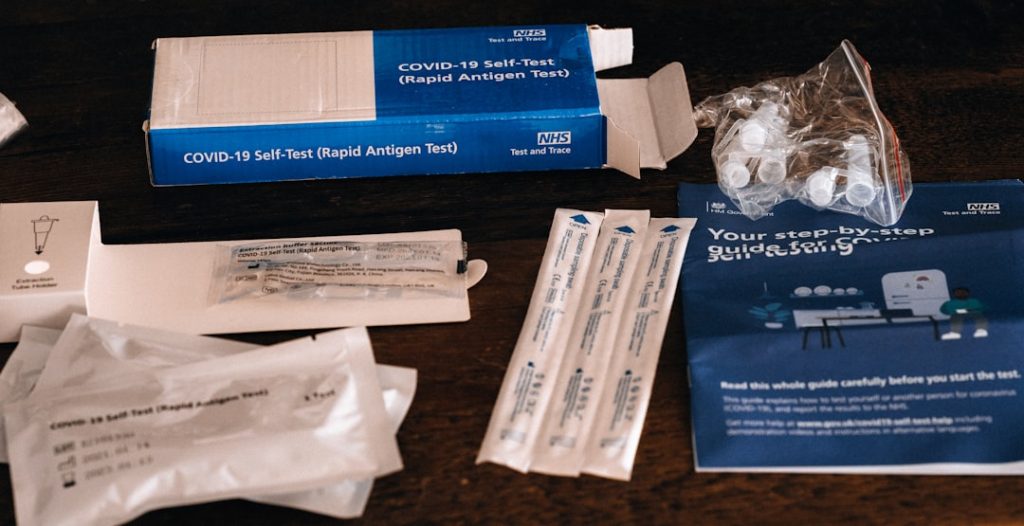
This article concerns the processes and strategies involved in ensuring the smooth and uninterrupted supply of materials for clinical trials. A reliable supply chain is foundational to the success of any clinical investigation, impacting its timeline, data integrity, and ultimately its ability to contribute to medical advancement.
Clinical trials represent a critical stage in the development of new therapies and medical devices. They are designed to assess the safety and efficacy of these innovations in human subjects. A key, often unseen, pillar of these trials is the clinical trial supply chain. This intricate network encompasses everything from the raw materials used in manufacturing investigational products to the investigational drugs themselves, often referred to as Investigational Medicinal Products (IMPs) or Investigational New Drugs (INDs), and their distribution to trial sites across the globe. Just as a well-oiled engine drives a vehicle, a robust supply chain drives the clinical trial forward. Any disruption, like a missing cog, can bring the entire operation to a halt.

The complexity of clinical trial supply chains is amplified by several factors. Trials can span multiple geographic locations, requiring navigation of diverse regulatory landscapes, customs procedures, and logistical challenges. Furthermore, the sheer variety of materials involved – active pharmaceutical ingredients (APIs), excipients, packaging materials, laboratory reagents, and even patient-facing materials like diaries and devices – necessitates a sophisticated management system. The temperature sensitivity of many biological and pharmaceutical products adds another layer of criticality, demanding controlled environments throughout the journey from manufacturer to patient. A failure to manage these elements effectively can lead to stock-outs, delays in patient recruitment, compromised product integrity, and ultimately, a setback in bringing life-saving treatments to market.
Understanding the Clinical Trial Supply Chain Ecosystem
The clinical trial supply chain is not a monolithic entity but rather a complex ecosystem comprising several interconnected components. Each of these components plays a crucial role in the overall success of supply operations.
Manufacturing and Production

The journey begins with the manufacturing and production of the investigational product. This phase involves sourcing raw materials, synthesizing APIs, formulating the final product, and packaging it according to strict regulatory requirements. The quality and consistency of production are paramount, as any deviation can impact the safety and efficacy data collected during the trial. Contract Manufacturing Organizations (CMOs) often play a significant role in this stage, providing specialized expertise and infrastructure.
Packaging and Labeling
Once manufactured, the investigational product undergoes packaging and labeling. This process is far from trivial; it requires meticulous attention to detail to ensure that each unit is correctly identified and contains all necessary information for investigators and patients. Labels must be compliant with all relevant regulatory bodies and often need to be translated into multiple languages for global trials. The integrity of the packaging is also crucial to maintain product stability and prevent tampering.
Storage and Warehousing
Proper storage and warehousing are essential to preserve the quality and integrity of investigational products. This involves maintaining specific temperature, humidity, and light conditions depending on the product’s requirements. Specialized facilities, often referred to as depots or central warehouses, are used for this purpose and are managed by experienced logistics providers. Ensuring secure storage and accurate inventory management is vital to prevent loss or spoilage.
Distribution and Logistics
The distribution phase is perhaps the most visible and complex aspect of the supply chain. It involves the transportation of investigational products from the central depot to individual clinical trial sites, and sometimes directly to patients. This requires a robust network of couriers, freight forwarders, and specialized transport solutions, particularly for temperature-sensitive shipments. Navigating customs, import/export regulations, and ensuring timely delivery to diverse locations are significant logistical undertakings.
Returns and Destruction Management
The supply chain does not end with product delivery. Processes for managing product returns from sites – whether due to expired stock, patient withdrawal, or simply unused medication – are equally important. Furthermore, the secure and compliant destruction of unused or expired products, including expired IMPs, is a critical regulatory and ethical responsibility. This requires adherence to specific protocols to prevent diversion or environmental contamination.
Strategic Planning for Robust Supply Chains
Effective clinical trial supply management hinges on comprehensive strategic planning. This proactive approach anticipates potential challenges and builds resilience into the supply chain from its inception. Treat strategic planning as laying the robust foundation of a skyscraper before construction begins; without it, the entire structure is at risk.
Early-Stage Risk Assessment and Mitigation
Identifying potential risks early in the planning phase is crucial. This involves a thorough examination of all aspects of the supply chain, from manufacturing to delivery. Risks can range from geopolitical instability affecting raw material sources to the availability of specialized shipping containers. Once identified, mitigation strategies can be developed. For instance, identifying a single source of a critical raw material would be flagged as a risk, and a mitigation strategy might involve qualifying a secondary supplier.
Identifying Bottlenecks and Single Points of Failure
A key part of risk assessment is identifying potential bottlenecks and single points of failure within the supply chain. A bottleneck is any point where the flow of goods is restricted, slowing down the entire process. A single point of failure is a component or process whose malfunction would cause the entire supply chain to cease functioning. For example, relying on a single courier for all time-sensitive shipments could represent a single point of failure. Diversifying logistics providers or having contingency plans in place can address this.
Contingency Planning for Disruptions
Even with the best planning, unforeseen disruptions can occur. This could include natural disasters, labor strikes, regulatory changes, or manufacturing issues. Robust contingency plans are essential to minimize the impact of such events. These plans might include pre-identified alternative suppliers, established relationships with backup logistics providers, or plans for expedited shipping routes. Having a “Plan B” for every critical step is not an option; it’s a necessity.
Forecasting Demand and Inventory Management
Accurate demand forecasting is the bedrock of efficient inventory management. Overestimating demand leads to excess inventory, increased storage costs, and potential product expiry. Underestimating demand can result in stock-outs, leading to trial delays and patient dissatisfaction. The dynamic nature of clinical trials, with fluctuating patient enrollment and potential protocol amendments, makes accurate forecasting a continuous challenge.
Leveraging Historical Data and Predictive Analytics
Historical data from previous trials, combined with predictive analytics, can significantly improve forecasting accuracy. This data can reveal patterns in patient recruitment rates, site performance, and product consumption. Advanced software solutions can process this information to generate more reliable demand forecasts. Think of it as using a weather forecast to plan an outdoor event; the more precise the forecast, the better prepared you are.
Just-in-Time (JIT) vs. Buffer Stock Strategies
The decision between a “just-in-time” (JIT) inventory strategy and maintaining buffer stock is a strategic consideration. JIT aims to minimize inventory holdings by receiving materials only as they are needed for production or distribution. While this reduces costs, it is highly susceptible to disruptions. Buffer stock, on the other hand, involves holding a reserve of critical materials to absorb unexpected demand or supply delays. The optimal strategy often lies in a hybrid approach, carefully balancing JIT principles with strategically placed buffer stocks for high-risk items.
Navigating the Regulatory Landscape
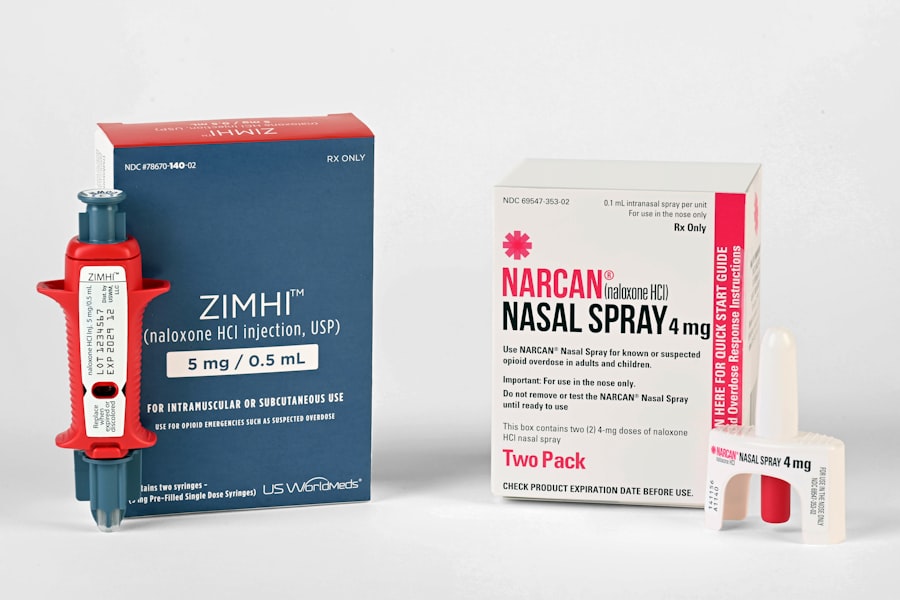
Clinical trial supply chains operate within a complex web of regulations designed to ensure patient safety and data integrity. Navigating this landscape effectively is not just a compliance exercise; it’s integral to the smooth operation of the supply chain.
Understanding Global Regulatory Requirements
Different countries and regions have their own specific regulations concerning the manufacturing, import, export, and distribution of investigational medicinal products. These can include Good Manufacturing Practices (GMP), Good Distribution Practices (GDP), and specific labeling and documentation requirements. Staying abreast of these evolving regulations is a continuous process.
Good Manufacturing Practices (GMP)
GMP guidelines set the standards for the manufacturing of drugs and other regulated products. For clinical trial supplies, GMP ensures that the investigational product is consistently produced and controlled according to quality standards appropriate to its intended use and as required by the marketing authorization application. Compliance with GMP is non-negotiable, forming the very bedrock of product quality.
Good Distribution Practices (GDP)
GDP guidelines provide a framework for the wholesale distribution of medicinal products. They aim to ensure that the quality and integrity of medicines are maintained throughout the supply chain, from the manufacturer to the end-user. This includes requirements for qualified personnel, appropriate storage facilities, secure transportation, and meticulous record-keeping for traceability. GDP acts as the guardian of product quality on its journey.
Documentation and Traceability
Comprehensive documentation and robust traceability systems are paramount for regulatory compliance and for ensuring the integrity of the clinical trial supply chain. Every step of the process, from raw material sourcing to product delivery and return, must be meticulously documented.
Batch Traceability and Serialization
Batch traceability refers to the ability to track a specific batch of investigational product from its origin through its entire lifecycle. Serialization, the assignment of unique identifiers to individual product units, further enhances this capability. This allows for rapid identification and recall of product in the event of a quality issue or adverse event. Imagine being able to pinpoint the exact journey of a single medication from factory floor to patient; that’s the power of serialization.
Compliance with Import/Export Regulations
The international movement of investigational products requires strict adherence to import and export regulations in each country involved. This can involve obtaining permits, licenses, and completing detailed customs documentation. Delays or errors in this process can lead to significant disruptions.
Technology and Innovation in Supply Chain Management
The application of technology and embracing innovation are transforming clinical trial supply chain management, offering new efficiencies and insights. These advancements are like introducing more precise tools to a craftsman’s workshop, enabling them to achieve better results.
Clinical Trial Management Systems (CTMS) and Supply Chain Software
Integrated Clinical Trial Management Systems (CTMS) and specialized supply chain software provide a centralized platform for managing and monitoring all aspects of the supply chain. These systems can automate tasks, improve data visibility, and facilitate communication between stakeholders.
Real-Time Visibility and Monitoring
Modern supply chain software offers real-time visibility into inventory levels, shipment status, and temperature excursions. This allows for proactive intervention if issues arise, preventing potential problems before they escalate. Knowing the exact location and condition of your precious cargo at any given moment provides invaluable peace of mind.
Data Analytics and Performance Measurement
These systems also enable sophisticated data analytics, providing insights into supply chain performance. Key performance indicators (KPIs) can be tracked to identify areas for improvement, such as lead times, delivery accuracy, and inventory turnover. This data-driven approach allows for continuous optimization of the supply chain.
Advanced Packaging and Cold Chain Solutions
Innovation in packaging materials and cold chain logistics is critical for maintaining the integrity of sensitive investigational products. This includes development of advanced insulation materials, temperature-controlled shipping containers, and real-time temperature monitoring devices.
Temperature-Controlled Logistics (Cold Chain Management)
Maintaining the “cold chain” – the uninterrupted series of refrigerated production, storage, and distribution activities, along with associated equipment and logistics – is of paramount importance for many biological and pharmaceutical products. This requires specialized equipment, rigorous protocols, and continuous monitoring to ensure product efficacy. A break in the cold chain is akin to a structural weakness in a dam; it can have cascading and irreversible consequences.
Smart Packaging and IoT Devices
The integration of the Internet of Things (IoT) into packaging is enabling “smart packaging.” These solutions can provide real-time data on temperature, humidity, shock, and even location, transmitting this information wirelessly. This offers unprecedented levels of control and assurance for high-value, sensitive shipments.
Collaboration and Communication: The Human Element
| Metric | Description | Typical Value/Range | Unit |
|---|---|---|---|
| Drug Stability Duration | Length of time the clinical trial drug remains stable under specified conditions | 6 – 24 | Months |
| Supply Chain Lead Time | Time from drug manufacturing to delivery at clinical site | 4 – 12 | Weeks |
| Inventory Turnover Rate | Frequency at which clinical trial drug inventory is used and replenished | 2 – 6 | Times per year |
| Temperature Excursion Incidents | Number of times the drug supply was exposed to temperatures outside recommended range | 0 – 3 | Incidents per trial |
| Packaging Error Rate | Percentage of packaging errors detected during supply preparation | 0.1 – 1.0 | Percent (%) |
| Drug Wastage | Percentage of drug supply wasted due to expiry, damage, or overage | 1 – 5 | Percent (%) |
| On-Time Delivery Rate | Percentage of clinical trial drug shipments delivered on or before scheduled date | 90 – 99 | Percent (%) |
| Number of Clinical Sites Supplied | Total number of clinical trial sites receiving drug supply | 10 – 200 | Sites |
While technology and robust processes are essential, the human element – collaboration and open communication – remains the linchpin of a smooth clinical trial supply chain. Like a symphony orchestra, each section must be in harmony for a beautiful performance.
Building Strong Relationships with Stakeholders
Establishing and nurturing strong relationships with all stakeholders is vital. This includes internal teams (clinical operations, regulatory affairs, procurement), external partners (manufacturers, logistics providers, CROs), and investigative sites. Clear communication channels and a shared understanding of objectives foster trust and efficiency.
Vendor Qualification and Management
The careful selection and ongoing management of vendors are critical. This involves thorough qualification processes to ensure that all partners meet the required quality standards and possess the necessary expertise. Regular performance reviews and open dialogue are key to maintaining these relationships.
Effective Communication with Investigative Sites
Investigative sites are on the front lines of clinical trials, and their experience with the supply chain significantly impacts trial success. Regular communication, clear instructions, and prompt responses to their queries are essential. Sites need to feel supported, not burdened, by the supply process.
Cross-Functional Team Alignment
Ensuring alignment across various internal departments is crucial for a seamless supply chain. Clinical operations, medical affairs, regulatory, procurement, and finance teams all have roles to play, and their objectives must be integrated. Siloed decision-making can lead to inefficiencies and missteps.
Defining Roles and Responsibilities
Clearly defining roles and responsibilities for each team member and each partner in the supply chain leaves no room for ambiguity. This prevents duplication of effort and ensures that critical tasks are assigned and executed. Clarity of purpose prevents confusion and ensures that everyone is rowing in the same direction.
Bridging the Gap Between Clinical and Supply Chain Teams
There can sometimes be a disconnect between the operational needs of the clinical team and the logistical realities of the supply chain team. Fostering a collaborative environment where both teams understand each other’s challenges and work together to find solutions is paramount. Regular joint meetings and shared training can help bridge this gap.
In conclusion, ensuring smooth clinical trial supply is a multifaceted endeavor that demands strategic planning, meticulous execution, and continuous adaptation. The intricate interplay of manufacturing, distribution, regulatory compliance, technological advancements, and robust human collaboration forms the backbone of successful clinical research. By prioritizing these elements, sponsors and their partners can significantly improve the likelihood of bringing vital new treatments to patients efficiently and effectively.
