

In the realm of medical advancement, clinical trials serve as the crucible where new therapies and treatments are forged. They are meticulously designed studies that evaluate the safety and efficacy of these potential breakthroughs in human participants. The landscape of clinical trial careers offers a diverse array of opportunities for individuals dedicated to improving human health. These roles are critical in the journey from laboratory discovery to widely available medical interventions. Entering this field means becoming an integral cog in the machinery of scientific progress, a vital link in the chain that connects unmet medical needs with innovative solutions.
A clinical trial is not a monolithic entity; it is a complex ecosystem with various stages and purposes. Each phase, from early-stage safety assessments to large-scale efficacy studies, requires a specialized set of skills and personnel. Understanding the fundamental structure of clinical trials is the first step in navigating the career paths available. Think of it as understanding the blueprint of a building before choosing which room you want to inhabit. The overarching goal is always to gather robust data that can inform regulatory decisions and ultimately benefit patients.
The Phases of Clinical Trials

Clinical trials progress through a series of distinct phases, each with a specific objective:
Phase I: Safety First
In Phase I trials, the primary focus is on evaluating the safety of a new treatment or intervention. A small group of healthy volunteers or patients with the condition being studied receives the intervention to assess dosage, side effects, and how the body metabolizes and excretes the substance. This is akin to the initial stress-testing of a new piece of machinery; the goal is to identify any potential points of failure before scaling up.
Phase II: Proving Efficacy

Once a treatment is deemed safe enough, Phase II trials explore its effectiveness. Larger groups of patients with the target condition participate. These trials aim to gather preliminary data on whether the intervention works and to further assess safety. This phase is about testing the engine’s performance under more regular operating conditions.
Phase III: Confirmation and Comparison
Phase III trials are the most extensive and are designed to confirm the efficacy of a treatment, monitor side effects, compare it to standard or commonly used treatments, and collect information that will allow the intervention to be used safely. These often involve hundreds or thousands of participants across multiple research centers. This is where the machinery is put through its paces in real-world scenarios, alongside established alternatives.
Phase IV: Post-Market Surveillance
After a treatment has been approved and is on the market, Phase IV trials, also known as post-market studies, continue to gather information about its risks, benefits, and optimal use in a wider range of patients and for different populations. These studies can reveal long-term side effects or discover new uses for the treatment. This is the ongoing monitoring and refinement of a product in widespread use, identifying its true limitations and strengths in the long run.
Types of Clinical Trials
Beyond the phases, clinical trials can also be categorized by their design and purpose:
Interventional Studies
These are trials where participants are assigned to receive one or more interventions (or no intervention) so researchers can evaluate the effects of the interventions on health-related outcomes. This is the most common type of clinical trial.
Observational Studies
In observational studies, researchers observe the effects of a condition, or treatments without trying to manipulate or change outcomes. Participants may receive standard medical care as determined by their doctors. Data is collected through medical records, interviews, or questionnaires.
Key Roles and Responsibilities in Clinical Trials
The successful execution of a clinical trial relies on a multidisciplinary team, each member playing a crucial part. These roles demand a combination of scientific understanding, organizational prowess, and a commitment to ethical conduct. Think of a symphony orchestra, where each instrument, though distinct, contributes to the harmonious whole.
Clinical Research Coordinators (CRCs)
CRCs are often the frontline staff in clinical research. They manage the day-to-day operations of a clinical trial at a research site. Their responsibilities can include recruiting and consenting participants, maintaining study records, administering study medications or treatments, collecting data, and ensuring adherence to the study protocol. A CRC is like the conductor of a small ensemble within the larger orchestra, ensuring each musician is playing their part correctly and on time.
Patient Recruitment and Screening
A significant aspect of a CRC’s role is identifying and enrolling eligible participants. This involves understanding the study’s inclusion and exclusion criteria and effectively communicating the trial’s purpose and risks to potential volunteers.
Data Management and Documentation
Accurate and timely data collection is paramount. CRCs ensure that all study-related information is meticulously recorded, often in electronic data capture systems, and maintained in compliance with regulatory requirements.
Protocol Adherence and Safety Monitoring
CRCs are responsible for ensuring that the trial is conducted according to the approved protocol. They monitor participants for adverse events and report them to the principal investigator and regulatory authorities as required.
Principal Investigators (PIs)
The Principal Investigator is the lead researcher for a clinical trial at a specific site. PIs are typically physicians or scientists with relevant expertise. They are ultimately responsible for the conduct of the trial, the safety of the participants, and the integrity of the data collected. The PI is the lead violinist in our orchestra, guiding the overall interpretation and execution of the music.
Medical Oversight and Decision-Making
The PI provides medical direction for the trial, makes critical decisions regarding participant care, and interprets study results in the context of medical science.
Ethical and Regulatory Compliance
PIs are accountable for ensuring that the trial adheres to all ethical principles and regulatory guidelines, including those set forth by Institutional Review Boards (IRBs) or Ethics Committees.
Clinical Research Associates (CRAs) / Monitors
CRAs are responsible for monitoring clinical trials to ensure they are conducted, recorded, and reported in strict accordance with the protocol, standard operating procedures (SOPs), and Good Clinical Practice (GCP) guidelines. They visit investigational sites to verify data accuracy, review regulatory documents, and ensure participant safety. A CRA acts as the sound engineer, ensuring the recording is perfect and all instruments are in tune.
Site Monitoring and Verification
CRAs perform on-site visits to review essential documents, source data verification, and assess overall site performance and compliance.
Data Quality Assurance
They are instrumental in ensuring the quality and integrity of the data collected by verifying its accuracy against source documents.
Data Managers
Data managers are responsible for the design, development, and maintenance of databases used to collect and manage clinical trial data. They ensure data quality, integrity, and security, and are crucial in transforming raw data into usable information. Think of them as the architects of the recording studio, designing the space where sound is captured and organized.
Database Design and Setup
They create and manage the databases that will store all the information generated during the trial.
Data Cleaning and Validation
Data managers implement procedures to identify and correct errors or inconsistencies in the collected data.
Biostatisticians
Biostatisticians apply statistical principles and methods to the design, analysis, and interpretation of clinical trial data. Their expertise is vital for drawing valid conclusions about the efficacy and safety of new treatments. They are the composers who interpret the raw notes into a coherent and meaningful piece of music.
Study Design and Statistical Planning
They contribute to the design of the trial to ensure that the data collected will be suitable for statistical analysis.
Data Analysis and Interpretation
Biostatisticians conduct the statistical analysis of trial data and help interpret the findings to determine the significance of the results.
Educational Pathways and Skills Development
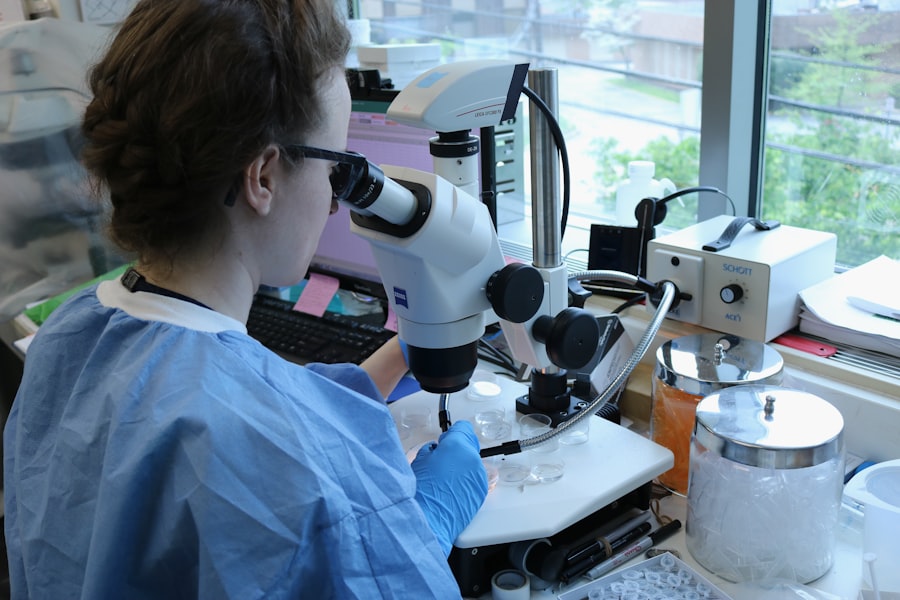
Pursuing a career in clinical research requires a solid educational foundation and the cultivation of specific skills. The level of education and experience needed can vary significantly depending on the specific role.
Academic Requirements
A bachelor’s degree is often the minimum requirement for entry-level positions, with many roles preferring or requiring advanced degrees.
Life Sciences and Healthcare Degrees
Degrees in fields such as biology, chemistry, nursing, pharmacy, public health, or related health sciences provide a strong foundation for understanding the biological and medical aspects of clinical trials.
Advanced Degrees and Specializations
Master’s degrees or doctorates in fields like clinical research management, biostatistics, epidemiology, or pharmacology can open doors to more advanced and specialized roles.
Essential Skills for Clinical Trial Professionals
Beyond formal education, a specific set of soft and hard skills are critical for success in this field.
Scientific Acumen and Medical Knowledge
A fundamental understanding of human biology, disease processes, and medical terminology is essential for comprehending study protocols and interpreting data.
Regulatory Knowledge and Compliance
Familiarity with regulatory guidelines such as Good Clinical Practice (GCP), FDA regulations, and other relevant authorities is crucial for ensuring ethical and legal conduct.
Organizational and Project Management Skills
Clinical trials are complex projects that require meticulous planning, execution, and oversight. Strong organizational and time management abilities are vital.
Communication and Interpersonal Skills
The ability to communicate effectively with participants, investigators, colleagues, and regulatory bodies is paramount. Empathy and strong interpersonal skills are particularly important when interacting with patients.
Attention to Detail and Accuracy
The integrity of clinical trial data hinges on meticulous attention to detail. Errors can have significant consequences.
Problem-Solving and Critical Thinking
Clinical trials often present unexpected challenges that require creative and evidence-based solutions.
Career Advancement and Specialization

The clinical trial field offers numerous avenues for professional growth and specialization. As you gain experience, you can move into more senior roles or focus on a particular area of expertise.
Moving Up the Ladder
Entry-level positions often serve as stepping stones to more responsible and demanding roles.
From Coordinator to Manager
Experienced CRCs may progress to Lead CRC or Clinical Trial Manager positions, overseeing multiple studies or research sites.
Progression in Monitoring Roles
CRAs can advance to Senior CRA, Clinical Team Lead, or even management positions within a Contract Research Organization (CRO).
Specialization Opportunities
The diverse nature of clinical trials allows for specialization in various areas.
Therapeutic Area Expertise
Developing expertise in a specific disease area, such as oncology, cardiology, neurology, or infectious diseases, can be highly valuable. This is like becoming a master craftsman in a particular trade.
Regulatory Affairs and Compliance
Focusing on the complexities of regulatory submissions, approvals, and ongoing compliance can lead to specialized roles in this domain.
Clinical Operations Management
This involves overseeing the operational aspects of clinical trials, including site selection, budget management, and vendor oversight.
Pharmacovigilance
This specialization focuses on the monitoring and reporting of adverse events and drug safety.
The Impact and Future of Clinical Trial Careers
| Job Title | Average Salary | Required Education | Key Skills | Job Growth Rate (2020-2030) | Typical Employers |
|---|---|---|---|---|---|
| Clinical Research Associate (CRA) | 85,000 | Bachelor’s in Life Sciences | Monitoring, Data Analysis, Regulatory Knowledge | 7% | Pharmaceutical Companies, CROs |
| Clinical Trial Manager | 110,000 | Bachelor’s or Master’s in Health Sciences | Project Management, Leadership, Compliance | 8% | Pharmaceutical Companies, Hospitals |
| Data Manager | 75,000 | Bachelor’s in IT or Life Sciences | Data Management, SAS, SQL | 6% | CROs, Research Institutions |
| Regulatory Affairs Specialist | 90,000 | Bachelor’s in Pharmacy or Life Sciences | Regulatory Knowledge, Documentation, Communication | 7% | Pharmaceutical Companies, Regulatory Agencies |
| Clinical Data Coordinator | 65,000 | Associate or Bachelor’s Degree | Data Entry, Attention to Detail, Communication | 5% | Hospitals, CROs |
Careers in clinical trials offer not only professional fulfillment but also the profound satisfaction of contributing to advancements that improve and save lives. The field is dynamic and constantly evolving, driven by scientific innovation and the increasing demand for new treatments.
Contribution to Public Health
Every individual working in clinical trials plays a direct role in bringing new medical treatments to patients. This contribution extends beyond an individual’s paycheck; it is a tangible impact on global health.
Advancements in Technology and Methodology
The field is increasingly incorporating new technologies, such as artificial intelligence for data analysis, remote monitoring tools, and decentralized clinical trials, which are reshaping how research is conducted.
Growth and Demand
As populations age and new diseases emerge, the need for clinical research will continue to grow, ensuring a robust job market for qualified professionals. The demand for dedicated individuals is like a growing tree, continuously reaching for new heights.
The journey into a clinical trial career is a commitment to scientific rigor and human well-being. It is a path that offers intellectual challenge, continuous learning, and the deep reward of contributing to a healthier future for all.
